



Alarming Facts About Triple-Negative Breast Cancer and How to Manage It
Learn the symptoms, risk factors, stages, and treatment options for triple-negative breast cancer (TNBC). Early detection improves outcomes.
13 May 2025
by Prakash Hospital
by Prakash Hospital
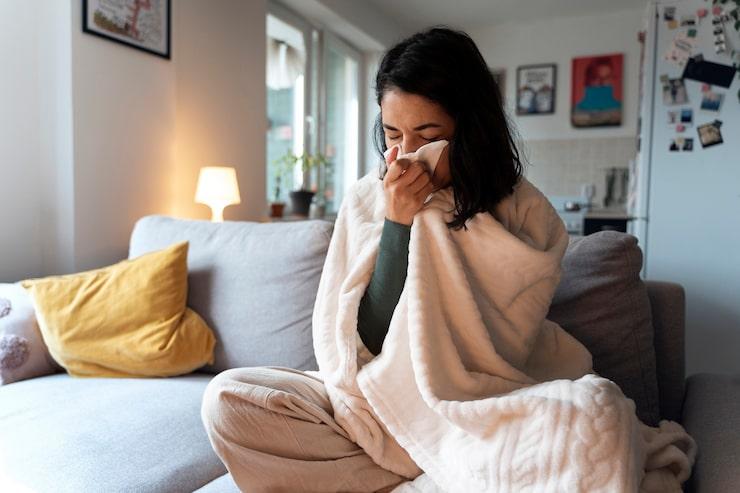
A woman with a common seasonal cold
The common cold is the most familiar illness in the world. Most adults get two to four colds a year. Children get six to eight. It is mild, it is annoying, and it tends to arrive at the worst possible time.
There is no cure. The body has to do its own work. But the things you do during a cold can either help recovery or drag it out. The right approach makes a real difference to how quickly you feel like yourself again.
A cold is a viral infection of the upper respiratory tract: the nose, throat, sinuses, and sometimes the voice box. More than 200 different viruses can cause it, with rhinoviruses being the most common. This is why you can keep getting colds even after recovering from a recent one. Different virus, same symptoms.
The virus spreads through respiratory droplets (coughing, sneezing) and through contact with contaminated surfaces. You can pick up cold virus from a door handle, then transfer it to your nose or eyes with your hand. This is why hand washing is the single most useful prevention measure.
Days 1 to 2: scratchy throat, mild tiredness, perhaps some sneezing. Some people feel chills or aches.
Days 3 to 4: peak symptoms. Runny nose with clear thin mucus. Sneezing. Sore throat. Sometimes mild fever. Tiredness and body aches. Headache and sinus pressure.
Days 5 to 7: mucus often becomes thicker and may turn yellow or greenish. This is not necessarily a sign of bacterial infection; it is the body's white blood cells doing their work.
Days 8 to 10: most symptoms fading. Some lingering cough or mild congestion may continue.
Most colds resolve within seven to ten days. Some leave a cough that lingers for two to three weeks. If symptoms get worse after day five, or new symptoms appear, it may have turned into a sinus infection, ear infection, or bronchitis.
The classic symptoms are:
In children, fevers can be higher and the illness can hit harder. Babies often have feeding difficulties because they cannot breathe well through a blocked nose.
If symptoms include a high fever (over 38.5°C), severe throat pain, severe sinus pain over the cheeks or forehead, severe headache, breathlessness, ear pain, or chest pain, it may not be a simple cold and a doctor should be involved.
The strategy is to support the body, reduce symptoms, and not push through pretending to be fine.
Sleep is when the immune system does its best work. Going to bed an hour or two earlier during a cold, taking it easy at work, and skipping the gym for a few days all add up. Pushing through often turns a three-day cold into a week of feeling unwell.
Plenty of warm fluids keep mucus thin, reduce throat irritation, and help the body run its temperature regulation. Plain water, warm water with lemon and honey, herbal teas, soups, dal water, and kadha all count. Aim for around two to three litres of fluid over the day.
Avoid alcohol; it dehydrates and worsens fatigue.
Warm soup, especially clear soups, helps thin mucus and feels good on the throat. Tomato soup, vegetable soup, chicken soup, dal khichdi, or any warm broth-based meal helps.
The cliché of "chicken soup for a cold" is not just folk wisdom. Studies have shown it reduces inflammation in the upper airways and provides nutrients and hydration in one go.
A teaspoon of honey, or a tablespoon stirred into warm water with lemon, soothes the throat and helps with cough. Particularly useful at bedtime. Not for children under one year.
Half a teaspoon of salt in a glass of warm water. Gargle for thirty seconds, three to four times a day. Relieves sore throat and may reduce some viral load locally.
A salt-water rinse for the nose clears mucus, reduces congestion, and may shorten the cold. Available as ready-made saline sprays from any chemist. Or use a neti pot with sterile saline solution.
This is more effective than most over-the-counter decongestants and has no rebound congestion problem.
Steam loosens mucus and soothes the airways. Boil water in a wide pot, lean over it with a towel over your head, and breathe steam in for five to ten minutes. Add a few drops of eucalyptus oil or menthol balm if you have it.
Two to three times a day during a cold. Be careful with hot water around children.
Tulsi tea with ginger and honey. Five to seven fresh tulsi leaves, a small piece of ginger crushed, boiled in water, strained, with a teaspoon of honey added.
Kadha in the morning. A small cup of warming herbal decoction with tulsi, ginger, black pepper, cinnamon, and clove.
Haldi doodh (turmeric milk) at bedtime. Warm milk with half a teaspoon of turmeric and a pinch of black pepper, sweetened with honey or jaggery if desired.
Pepper, ginger, and honey paste in a small spoon helps cough and sore throat.
Mulethi (liquorice) chewed or in tea soothes sore throat.
Vitamin C does not prevent colds (mostly), but it may shorten them slightly. A glass of fresh orange juice, fresh lemon in water, or amla daily helps. Most people get enough from a regular Indian diet.
There is some evidence that zinc supplements taken within 24 hours of cold symptoms starting can shorten the duration. Zinc lozenges are most studied. Check with a pharmacist before starting.
Several over-the-counter products help with symptoms:
Paracetamol for fever and body aches. Stick to recommended doses.
Saline nasal sprays for stuffy nose. Safer than decongestant sprays.
Decongestant tablets (pseudoephedrine, phenylephrine) reduce stuffiness. Avoid in people with high blood pressure, heart conditions, or thyroid problems. Limit to a few days.
Decongestant nasal sprays (oxymetazoline-based) work fast but should not be used for more than three days, otherwise the congestion comes back worse (rebound congestion).
Antihistamines like cetirizine or chlorpheniramine help with runny nose and sneezing. The older ones cause drowsiness.
Cough suppressants or expectorants depending on cough type.
Throat lozenges for sore throat.
Avoid antibiotics. Colds are viral. Antibiotics do nothing for the cold itself and can cause side effects and resistance.
The flu (influenza) is also viral but tends to come on more abruptly, with high fever, severe body aches, exhaustion, and dry cough. It is more serious than a cold and can cause complications in older adults, pregnant women, children, and people with chronic illness.
COVID-19 still circulates. Symptoms overlap with cold and flu but can include loss of taste or smell, breathlessness, and high fever. Testing is worth considering if symptoms are unusual or severe, especially if you have been around vulnerable people.
If symptoms are severe, breathlessness develops, or you are vulnerable, see a doctor and consider testing.
See a doctor when:
Symptoms have lasted more than 10 days without improvement. Symptoms have got worse after day five. Fever is above 38.5°C in adults or persists for more than three days. There is severe throat pain or difficulty swallowing. There is severe sinus pain over the cheeks or forehead. There is ear pain or discharge. There is breathlessness or chest pain. There is blood in mucus. The cold has triggered an asthma flare. You have a chronic illness that may be affected.
For babies under three months, any fever is worth medical attention. For older children, any fever above 39°C, persistent crying, refusal to feed, lethargy, breathlessness, or symptoms lasting more than five days should be checked.
You cannot avoid all colds, but you can reduce them:
Wash hands often, especially after being out and before eating. Hand sanitiser when soap is not available.
Avoid touching your face, especially the nose and eyes, with unwashed hands.
Keep distance from people who are clearly unwell. Cover your own mouth when coughing or sneezing.
Stay rested. Eat well. Manage stress. All these support the immune system in mundane but real ways.
Avoid smoking. Smokers get more colds and recover slower.
Annual flu vaccination if you are over 65, pregnant, have chronic illness, or work in healthcare.
For people prone to frequent colds, ensuring adequate vitamin D, zinc, and overall nutrition is worth attention.
"Going out in the cold causes a cold." It doesn't. Cold weather makes us spend more time indoors in close contact with others, and that's where viruses spread.
"Antibiotics will help me get better faster." Antibiotics do nothing for viral infections.
"You should eat very little when you have a cold." You need calories and nutrients to recover. Eat what you can, focus on warm and hydrating foods.
"Sweating it out cures a cold." Heavy exertion when you are unwell often makes things worse. Light gentle activity is fine; intense workouts are not.
"Vitamin C will prevent your cold." Regular vitamin C intake may slightly shorten cold duration but does not prevent colds in most people. Heavy doses do not help more.
"Green mucus means bacterial infection and needs antibiotics." Coloured mucus is just immune cells working. It does not mean you need antibiotics.
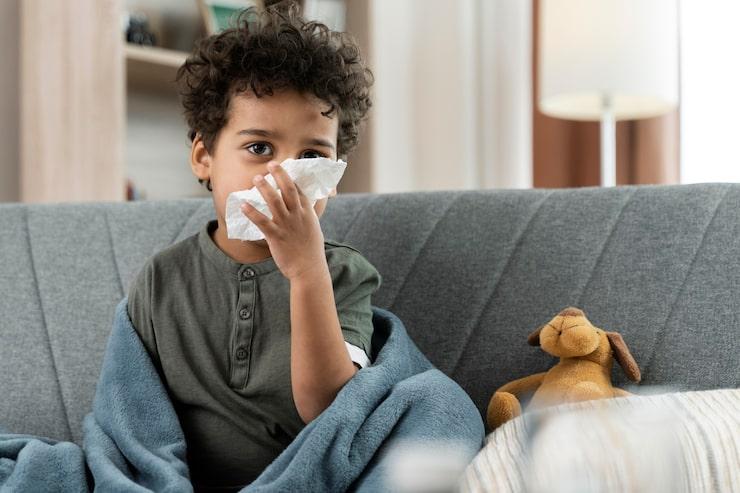
child overtaken by a common seasonal cold
Children get more colds than adults and the illness can be harder for them. A few things help:
Saline nasal drops or spray for blocked nose, especially before feeds in babies.
Steam in a closed bathroom if a child has croup-like barking cough.
Plenty of fluids in small frequent amounts.
Honey for cough in children over one year.
Paracetamol or ibuprofen for fever and discomfort, per pediatric dosing.
Rest, comfort, and patience.
Do not give over-the-counter cough or cold syrups to children under six, and use them cautiously even in older children.
If a young child has high fever, refuses feeds, has breathing difficulty, or seems unusually drowsy or irritable, see a doctor.
NCR sees a sharp rise in colds, coughs, and respiratory illness from October to February. Cold weather, air pollution, viral seasons, and large social gatherings combine.
Practical things that help: dress warmly, use air purifiers indoors, mask up outdoors on high-pollution days, wash hands more often, stay well hydrated, get flu vaccination, and take symptoms seriously rather than pushing through.
At Prakash Hospital Noida, our general physicians and pediatricians handle colds across the range, from simple symptomatic care to managing complications like sinusitis, bronchitis, ear infections, or asthma flares triggered by colds.
Whether you live in Sector 18, Sector 62, Greater Noida West, or anywhere nearby, Prakash Hospital Noida is a trusted name for medical consultation in the region.
A cold lasts about a week to ten days. There is no cure. Rest, hydration, warm fluids, honey, ginger, tulsi, and steam inhalation handle most symptoms. Over-the-counter medicines help with specific symptoms but choose them sensibly.
Skip the antibiotics unless a doctor has confirmed a bacterial complication. Watch for warning signs that mean the cold has become something more.
The best protection is hand washing, sensible distance from sick people, sleep, and decent nutrition. Boring, but it works.

Removes tonsils that cause repeated throat infections or block a child's breathing during sleep.
Nerve and muscle tests that find the cause of numbness and weakness, such as neuropathy or carpal tunnel.
Targeted injections for chronic migraine, dystonia, eyelid spasm and muscle stiffness after a stroke.
Free tools to check your weight, plan a pregnancy, track calories and more.
We offer expert care across key specialties, including Medicine, Cardiology, Orthopaedics, ENT, Gynaecology, and more—delivering trusted treatment under one roof.
Learn the symptoms, risk factors, stages, and treatment options for triple-negative breast cancer (TNBC). Early detection improves outcomes.
13 May 2025
by Prakash Hospital

Foot crack treatment — understand the causes of cracked heels and how to heal them effectively. Visit Prakash Hospital Noida for dermatology consultation.
28 May 2026
by Prakash Hospital

Learn how nutrition, therapy, and lifestyle adjustments can ease Parkinson’s symptoms with specialist support from Prakash Hospital.
1 May 2025
by Prakash Hospital

Perimenopause in Indian women — age of onset, common symptoms, what's normal, and when to see a doctor. Prakash Hospital Noida.
30 Jul 2026
by Prakash Hospital

What is PCOD — a complete guide to causes, symptoms, hormones, and how the condition develops. Visit Prakash Hospital Noida for expert women's health care.
20 May 2026
by Prakash Hospital

यूरिन इंफेक्शन यानी UTI क्या होता है, महिलाओं में इसके लक्षण, कारण, जांच और सही इलाज की पूरी जानकारी हिंदी में।
22 Jan 2026
by Prakash Hospital


Book a consultation with Prakash Hospital's specialists — 24/7 emergency care, 100+ doctors, NABH accredited.
View All Departments