


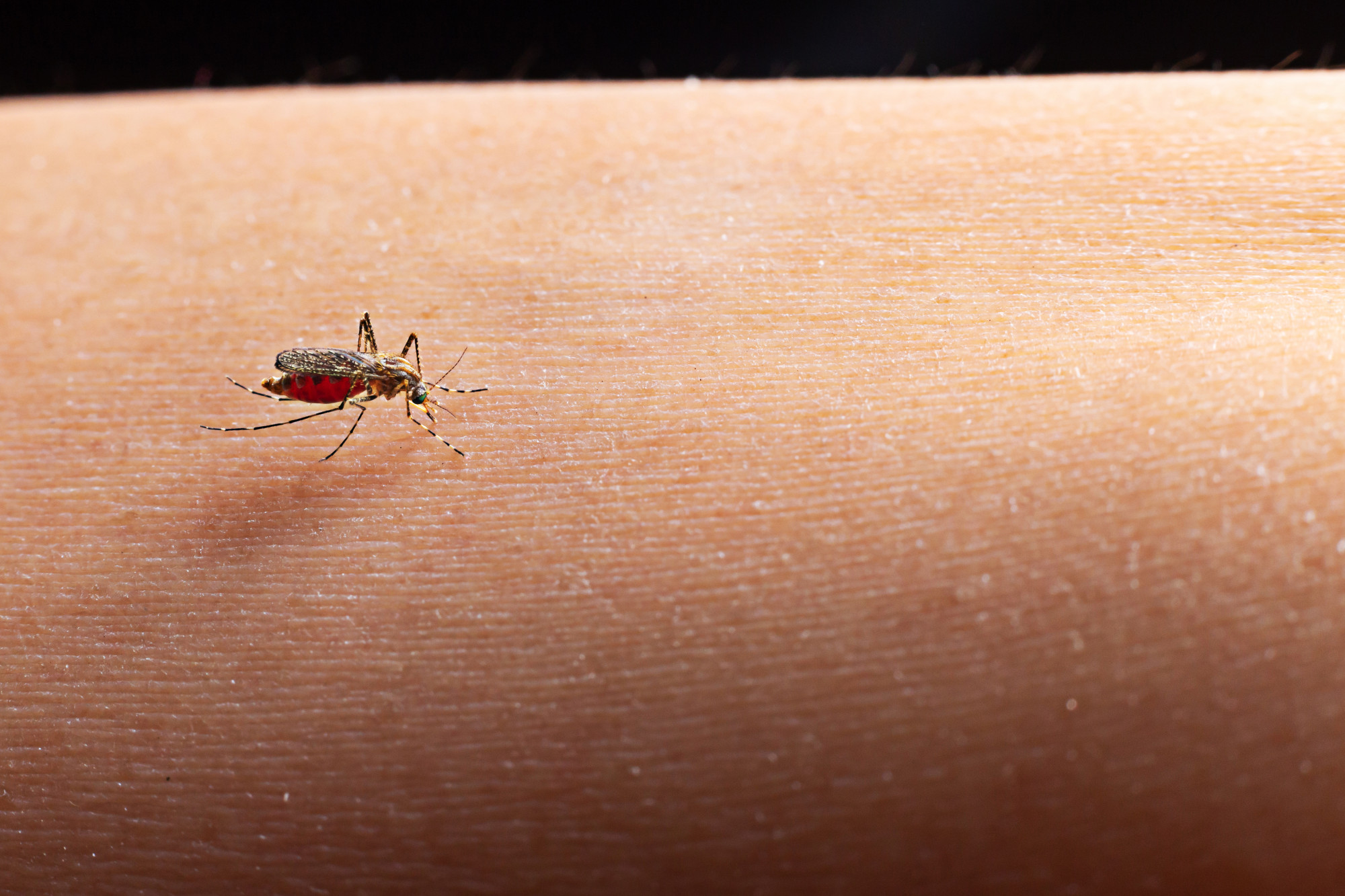
Dengue Symptoms: What to Watch For and When to Go to Hospital
Dengue fever symptoms, warning signs of severe dengue, what to eat, and when to go to hospital. Prakash Hospital Noida, Noida.
18 Aug 2026
by Prakash Hospital
by Prakash Hospital

Dengue is a viral infection transmitted to humans through the bite of infected mosquitoes, primarily the Aedes aegypti species. Often referred to as "breakbone fever" due to the intense joint and muscle pain it causes, dengue can range from a mild flu-like illness to severe, life-threatening complications.
Understanding the progression of the disease and recognizing early warning signs is crucial for timely medical intervention.
The symptoms typically begin to manifest 4 to 10 days after being bitten by an infected mosquito. In the early stages, dengue often mimics a common viral fever, making it difficult to differentiate without a clinical test.
Common initial symptoms include:

This is the first stage, lasting 2 to 7 days. It is characterized by high-grade fever and body aches.
This is the most dangerous phase. It typically begins around the time the fever starts to subside (the "defervescence" period). Many people mistakenly believe they are recovering, but this is when plasma leakage and a drop in platelet counts occur.
If the critical stage is managed well, the body begins to reabsorb leaked fluid.
Dengue becomes life-threatening when it evolves into Severe Dengue or Dengue Hemorrhagic Fever (DHF). This can lead to:

man suffering from head ache with a doctor
Early diagnosis is the key to effective management. You should consult a doctor immediately if you experience:

There is no specific antiviral medicine for dengue. The primary goal is symptomatic therapy and close monitoring.
Managing dehydration is the most critical aspect of treatment.
Allow your body to focus its energy on fighting the infection.
Most people recover within 1 to 2 weeks. However, the feeling of fatigue and weakness can sometimes persist for several weeks after the fever has subsided.
Yes. There are four different strains of the dengue virus. Getting infected with one strain provides lifelong immunity to that specific strain, but you can still be infected by the other three.
No. Dengue does not spread directly from person to person through physical contact. It is only transmitted through the bite of an infected Aedes mosquito.
A normal platelet count ranges from 150,000 to 450,000 per microliter of blood. A count below 100,000 requires close medical monitoring.
Dengue can cause a drop in platelets. Medications like Aspirin and Ibuprofen (NSAIDs) thin the blood, which can significantly increase the risk of internal bleeding during a dengue infection.

This article covers general medicine concerns. These Prakash Hospital doctors in Noida treat them.

Dr. Birendra Pawar
Consultant Internal Medicine
Hysterectomies · Laparoscopic Hysterectomies · Gynecological Pathologies

Dr. Sunil P. Chaudhary
Consultant Internal Medicine
Diabetes · Hypertension · Thyroid Disorders
Keyhole surgery on the ovaries to restart ovulation in PCOS when tablets haven't worked, without raising the twin risk.
Gentle exfoliation that removes dead surface skin to brighten dull skin and soften light marks, with no downtime.
Removes uterine fibroids and repairs the womb, easing heavy bleeding and pressure while keeping pregnancy possible.
Free tools to check your weight, plan a pregnancy, track calories and more.
We offer expert care across key specialties, including Medicine, Cardiology, Orthopaedics, ENT, Gynaecology, and more—delivering trusted treatment under one roof.
Dengue fever symptoms, warning signs of severe dengue, what to eat, and when to go to hospital. Prakash Hospital Noida, Noida.
18 Aug 2026
by Prakash Hospital

Dengue, malaria and chikungunya share many symptoms — here's how to tell them apart and when to get tested. Prakash Hospital Noida.
18 Aug 2026
by Prakash Hospital
Learn everything about dengue like its symptoms, causes, diagnosis, treatment, and prevention at Prakash Hospital.
26 Dec 2025
by Prakash Hospital

Discover effective home remedies for dandruff, including natural treatments and lifestyle tips to reduce flakes and maintain a healthy scalp.
5 May 2026
by Prakash Hospital

कम उम्र में बाल सफेद क्यों होते हैं? जानिए इसके कारण, पोषण की कमी, हार्मोनल समस्याएं और सही उपचार। समय पर Prakash Hospital से संपर्क करें।
27 Feb 2026
by Prakash Hospital

Dark circles under eyes — understand the causes, effective treatments, and how to remove them. Visit Prakash Hospital Noida for dermatology care.
1 Jun 2026
by Prakash Hospital

Understand hypertension causes, risks, and lifestyle changes to manage high blood pressure effectively.
5 Jun 2025
by Prakash Hospital
Monsoon brings dengue, malaria, viral fever, and gut infections. Here's how to strengthen your immunity before and during the season. Prakash Hospital Noida.
18 Aug 2026
by Prakash Hospital

Viral fever symptoms, treatment, recovery tips, and when to see a doctor. Visit Prakash Hospital Noida for proper evaluation and care.
26 Jun 2026
by Prakash Hospital


Book a consultation with Prakash Hospital's specialists — 24/7 emergency care, 100+ doctors, NABH accredited.
View All Departments