


Why Hormonal Acne Keeps Coming Back
Struggling with hormonal acne? Prakash Hospital's skin and hormone specialists in Noida explain why it happens, what triggers it, and the treatments that actually work.
7 Apr 2026
by Prakash Hospital
by Prakash Hospital

Foot Crack Treatment: Causes, Home Remedies, and Prevention That Actually Works
Cracked heels are one of those problems that build up so gradually you barely notice until they hurt. The skin on the back of your heels thickens. The edges develop yellowish callus. Tiny lines appear. The lines deepen into fissures. Walking starts to hurt. Bleeding may begin. By the time you finally pay attention, the cracks have become deep and stubborn.
Cracked heels are extremely common in India. The combination of dry weather in winter, open footwear in summer, hard floors in homes, low awareness of foot care, and conditions like diabetes that affect skin health all contribute. The condition is often dismissed as a cosmetic issue, but deep cracks can become genuinely painful, get infected, and signal underlying health problems.
This article walks through what causes foot cracks, how to heal existing cracks, and how to prevent them from returning.
The skin on the heels is naturally thicker than skin elsewhere because the heels bear body weight. Over time, this skin can thicken further into calluses, lose moisture, lose flexibility, and develop fissures.
The medical term is heel fissures. The cracks start as small surface lines and can progress to deep cracks that bleed and become painful with each step.
The process typically follows several stages:
Stage 1: Thickened, dry skin on heels.
Stage 2: Yellowish or brownish callus formation around heel edges.
Stage 3: Small surface cracks appearing.
Stage 4: Deeper cracks that may be painful.
Stage 5: Deep fissures that bleed and risk infection.
The earlier the intervention, the easier the treatment.
Dry skin — the most common cause. Skin that lacks moisture cannot stretch with movement and cracks under pressure.
Walking barefoot — particularly on hard or rough surfaces. Common in Indian homes.
Standing for long hours — pressure on heels worsens existing dryness.
Open-back footwear — like chappals and flip-flops. Allow heel skin to dry and spread under weight.
Hot showers and excessive soaking — strip natural oils from skin.
Soap residue — harsh soaps and inadequate rinsing dries skin.
Cold weather — winter dryness affects feet significantly.
Hot, dry summers — also a major trigger.
Excessive weight — increased pressure on heels.
Ageing — skin naturally becomes thinner and drier with age.
Diabetes — affects skin moisture and circulation. Diabetic foot cracks need careful attention.
Hypothyroidism — causes very dry skin including heels.
Skin conditions — eczema, psoriasis, athlete's foot can affect heels.
Nutritional deficiencies — vitamins A, C, E, B vitamins, zinc, and omega-3 fatty acids all affect skin health.
Dehydration — affects skin moisture throughout the body.
Genetics — some people are simply more prone to dry skin and calluses.
Long-distance walking or running — increased friction and pressure.
Certain medications — diuretics, retinoids, some others affect skin moisture.
While cracked heels are often seen as just a cosmetic issue, untreated severe cracks can cause real problems:
Pain that affects walking and daily activities.
Bleeding when cracks deepen.
Infections — bacterial or fungal infections can enter through cracks.
Cellulitis — serious skin infection that can become systemic.
For diabetics — cracks can become non-healing wounds that progress to serious foot complications.
Quality of life impact — chronic foot pain affects mood, sleep, and activity levels.
This is why heel cracks deserve attention rather than being dismissed.
Soak feet in warm (not hot) water for 15 to 20 minutes daily. Plain water works. Adding a tablespoon of mild soap or a foot soak product can help.
Gentle exfoliation with a pumice stone after soaking. Remove only the soft, loosened dead skin. Do not be aggressive — over-exfoliation thickens the skin further and worsens the situation.
Pat dry thoroughly, especially between toes.
Apply heel balm or thick moisturiser immediately while skin is slightly damp. Look for products containing:
Apply at least twice daily, more often if very dry.
Cover with socks at night to enhance absorption. Apply a thick moisturiser, then put on clean cotton socks before bed.
Urea — softens thickened skin and increases moisture retention. The most effective single ingredient for cracked heels.
Lactic acid — gently exfoliates and moisturises.
Salicylic acid — exfoliates dead skin.
Glycerin — draws moisture into skin.
Petrolatum (petroleum jelly) — locks in moisture.
Coconut oil — moisturises and has mild antimicrobial properties.
Vitamin E — supports skin healing.
Coconut oil massage — apply at night, cover with socks.
Ghee — traditional Indian remedy. Apply to cracks at night.
Banana mash — apply ripe banana paste to feet for 30 minutes, wash off.
Honey foot soak — add a few tablespoons to warm water for the soak.
Lemon juice with glycerin — apply mix at night. Test on small area first.
Olive oil massage — daily massage at night.
Aloe vera gel — soothing, helps healing.
Petroleum jelly — simple, inexpensive, effective.
Do not cut or shave callus with razors or blades. This often causes injury and infection. Pumice stone after soaking is safer.
Do not use very hot water — worsens dryness.
Do not ignore foot care until cracks bleed.
Do not wear open-back shoes when cracks are healing.
Do not walk barefoot on hard surfaces.
If home care has not improved cracks after 1 to 2 weeks of consistent effort, professional treatment may be needed.
Prescription urea creams at higher concentrations (40 percent) for thick cracks.
Liquid bandage products — seal cracks to prevent infection and promote healing.
Professional debridement — careful removal of thickened skin by a doctor.
Custom heel cups or inserts — distribute pressure differently.
Treatment of underlying conditions — diabetes, thyroid, skin conditions.
Topical antibiotics — if cracks are infected.
Oral antibiotics — for cellulitis or severe infections.
Foot care specialist (podiatrist) consultation for stubborn cases.
Prevention is much easier than treating established deep cracks.
Moisturise feet daily — especially after bathing. Make this as routine as moisturising your face.
Limit barefoot walking at home. Cotton slippers or foot socks help.
Wear closed-back footwear when possible. Reserve open chappals for short occasional use.
Choose proper-fitting shoes with cushioned soles.
Avoid very hot showers and limit soaking time.
Stay hydrated — drink adequate water daily.
Use heel cups or insoles if you stand for long hours.
Address weight issues if relevant.
Foot soak and gentle exfoliation once a week even when feet look healthy.
Inspect feet for early signs of dryness, cracks, calluses, infections.
Trim toenails properly.
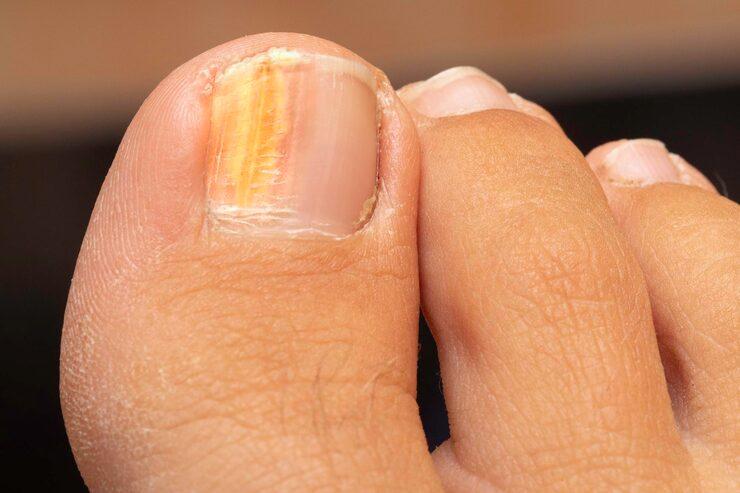
a foot with an ingrown toe nail
Foods that support skin health include:
Good:
Avoid for prolonged wear:
Diabetic patients need extra care because:
Specific recommendations:
"Cracked heels are just a cosmetic issue." Severe cracks cause real pain and can lead to infections.
"Lemon juice cures cracked heels overnight." Some moisturising effect, but no overnight cure exists.
"Walking barefoot strengthens feet." It often worsens heel cracks. Some controlled barefoot walking on grass may be fine; walking on hard floors regularly is not.
"You can scrape off thick skin with a blade." Dangerous and counterproductive. Use a pumice stone after soaking.
"Cracked heels only happen in winter." They happen year-round. Summer dryness, hot floors, and open footwear all contribute.
"Once you have cracked heels, you always will." Most cases respond well to consistent treatment and prevention.
"Drinking water alone fixes dry feet." Hydration helps but topical moisturisation is essential.
"Expensive creams are necessary." Many inexpensive options work well. The key ingredients matter more than the price.
A consultation makes sense when:
A dermatologist, general physician, or podiatrist can provide appropriate evaluation and treatment.
Mild surface cracks — improve within 1 to 2 weeks of consistent treatment.
Moderate cracks — 2 to 4 weeks of dedicated care.
Deep cracks — 4 to 8 weeks or longer.
Diabetic patients — often slower healing, sometimes much longer.
Prevention going forward — lifelong habit.
Patience matters. Skin healing is gradual.
Increased pressure on feet and hormonal changes can worsen cracks. Continue gentle foot care. Comfortable supportive footwear becomes important.

Pregnant woman showing early signs of pregnancy.
Skin naturally becomes drier with age. More frequent moisturising. Easier-to-use foot care products. Watch for any signs of infection or other problems.
Cracked heels in children are less common but happen. Usually respond well to simple measures. See pediatrician if persistent.
Reduced mobility, dehydration, and stress all affect foot skin. Resume foot care as soon as possible during recovery.
Climate variations in NCR — very dry winters, very hot summers, dusty conditions — all contribute to foot crack issues. Hard floors in most homes, frequent use of open chappals, and limited foot care awareness compound the problem.
Practical adaptations include making nightly foot care a routine habit, wearing closed-back footwear when possible, using cotton slippers indoors, addressing underlying conditions like diabetes, and consulting a dermatologist for stubborn cases.
At Prakash Hospital, Noida, experienced dermatologists offer evaluation of cracked heels including identification of underlying causes, prescription treatments when needed, and guidance on long-term foot care. Diabetic foot evaluation is part of the service for relevant patients.
Whether you are in Sector 18, Sector 62, Greater Noida West, or anywhere nearby, Prakash Hospital Noida is a trusted name for dermatology consultation.
To book a consultation, call the number.
Cracked heels are common, treatable, and largely preventable. The reliable approach combines a few simple habits — daily moisturisation, gentle exfoliation, appropriate footwear, addressing underlying conditions, and consistent daily attention.
The key ingredients in effective heel care are urea, lactic acid, glycerin, petroleum jelly, and shea butter. The key habits are daily moisturisation, weekly soaks with gentle exfoliation, limited barefoot walking, and closed-back footwear when possible.
For most people, dedicated foot care for 2 to 4 weeks produces noticeable improvement. Established cracks may take longer. Ongoing prevention keeps the problem from returning.
If your feet have been chronically cracked, do not assume this is your permanent state. Start with the simple routine. Be consistent for a few weeks. Notice the change. The investment is small, the results are real, and your feet will thank you.

This article covers skin and hair concerns. These Prakash Hospital doctors in Noida treat them.

Dr. Mohna Chauhan
Consultant Dermatologist & Cosmetic Surgeon
Dermatology · Cosmetic Surgery
Surgery, often with injections, to make wide, raised or tight scars flatter and less noticeable.
Gentle exfoliation that removes dead surface skin to brighten dull skin and soften light marks, with no downtime.
Microneedling, laser, peels and minor procedures matched to your scar type to smooth pitted acne scars.
Free tools to check your weight, plan a pregnancy, track calories and more.
We offer expert care across key specialties, including Medicine, Cardiology, Orthopaedics, ENT, Gynaecology, and more—delivering trusted treatment under one roof.
Struggling with hormonal acne? Prakash Hospital's skin and hormone specialists in Noida explain why it happens, what triggers it, and the treatments that actually work.
7 Apr 2026
by Prakash Hospital
Learn the truth behind common skincare myths with dermatologist-approved insights and practical advice from Prakash Hospital.
11 Aug 2025
by Prakash Hospital

Skin rash — understand the common causes, types, and when a rash needs medical attention. Visit Prakash Hospital Noida for dermatology consultation.
6 Jul 2026
by Prakash Hospital
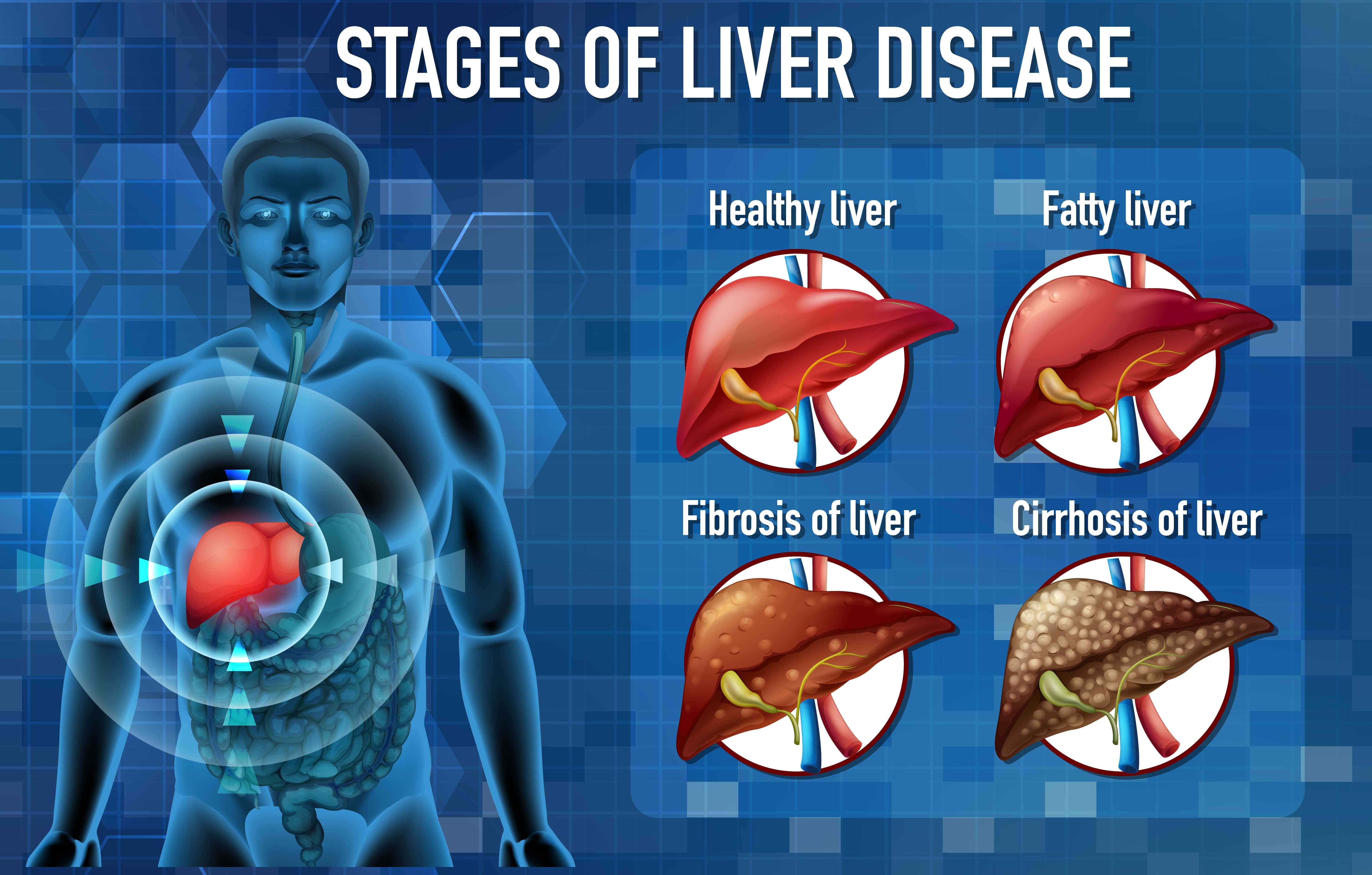
Home remedies to strengthen the liver — foods, lifestyle changes, and natural approaches that support liver health. Visit Prakash Hospital Noida for liver care.
11 Jun 2026
by Prakash Hospital

Hepatomegaly or enlarged liver — understand the causes, symptoms, and treatment options. Visit Prakash Hospital Noida for liver evaluation and care.
7 Jul 2026
by Prakash Hospital

लिवर खराब होने के शुरुआती लक्षण क्या हैं? थकान, पीलिया, पेट दर्द जैसे संकेतों को नज़रअंदाज़ न करें। कारण, जांच, इलाज और बचाव के तरीके जानें।
20 Feb 2026
by Prakash Hospital

How to stop hair fall — understand the real causes, effective treatments, and prevention strategies. Visit Prakash Hospital Noida for trichology consultation.
22 May 2026
by Prakash Hospital

जानिए डैंड्रफ बार-बार क्यों होता है, इसके कारण, लक्षण, इलाज और बचाव के तरीके। बालों की सही देखभाल कैसे करें, पूरी जानकारी हिंदी में।
21 Apr 2026
by Prakash Hospital

Detailed guide on Botox treatment including mechanism of action, medical and cosmetic uses, dosage considerations at Prakash Hospital.
18 Feb 2026
by Prakash Hospital


Book a consultation with Prakash Hospital's specialists — 24/7 emergency care, 100+ doctors, NABH accredited.
View All Departments