
Pregnant woman sitting by a chair, holding her stomach and covering her mouth, experiencing gas problem and bloating.
Gas and bloating are among the most common digestive complaints. You finish a meal and within an hour your stomach feels like it has inflated. Your trousers feel tighter. You experience cramping. You become aware of gurgling sounds. Eventually relief comes through burping or passing wind, but the cycle often repeats with the next meal.
While usually not dangerous, persistent gas and bloating affect quality of life significantly. They can be embarrassing socially, uncomfortable physically, and sometimes indicate underlying conditions that need attention.
The good news is that for most people, gas and bloating respond well to dietary changes and simple home remedies. Understanding what causes them and how to manage them allows you to enjoy meals without anticipating digestive distress.
This article walks through what causes gas and bloating, the foods most often involved, effective home remedies, and when to seek medical advice.
Gas in the digestive tract is normal. The body produces 1 to 4 litres of gas daily. Most is released as flatulence (passing wind) or burping. Some is absorbed into the bloodstream and exhaled through the lungs.
Bloating is the feeling of fullness or tightness in the abdomen. Distension is the visible enlargement of the abdomen. The two are related but not identical — you can feel bloated without visible distension and vice versa.
Excessive gas, slow gas movement through the gut, increased sensitivity to normal gas amounts, or fluid retention can all contribute to bloating.
You swallow small amounts of air with every breath and every swallow. Eating quickly, talking while eating, chewing gum, drinking carbonated beverages, and smoking all increase swallowed air.
Most swallowed air is released through burping. Some passes down to the intestine.
The colon contains trillions of bacteria. These bacteria ferment undigested food residues, producing gases including:
Different foods produce different amounts of gas based on how completely they are digested before reaching the colon.
Specific foods are common gas producers — discussed in detail below.
Lactose intolerance — inability to digest milk sugar. Very common.
Fructose malabsorption — issues with fruit and corn syrup sugars.
Sorbitol intolerance — in sugar-free products.
FODMAP sensitivity — fermentable carbohydrates that some people cannot digest well.
Slow stool movement allows more time for bacterial fermentation and gas production. Also physically obstructs gas passage.
Common functional disorder causing increased gas, bloating, and altered bowel habits. Often triggered by stress and certain foods.
Excess bacteria in the small intestine where there should normally be few. Causes increased gas production from foods that should have been digested in the small intestine.
Autoimmune reaction to gluten. Causes bloating, gas, diarrhea, weight loss.
Crohn's disease and ulcerative colitis can cause bloating.
In women, hormonal fluctuations during the menstrual cycle commonly cause bloating, particularly premenstrually.
The gut-brain connection means psychological stress affects digestion, including gas production and gut sensitivity.
Physical activity helps gas move through the digestive tract. Inactivity slows it.
Certain antibiotics, supplements, and medications can affect gut bacteria and gas production.
Beans and lentils — chickpeas, kidney beans, black gram, rajma, chole. The classic gas producers.
Cruciferous vegetables — cabbage, cauliflower, broccoli, Brussels sprouts.
Onions and garlic.
Whole grains — particularly when newly increased in the diet.
Bran and oats.
Carbonated beverages — directly add gas.
Sugar-free products with sorbitol or other sugar alcohols.
Very sweet items — concentrated sugars.
In lactose-intolerant individuals — milk, cheese, ice cream.
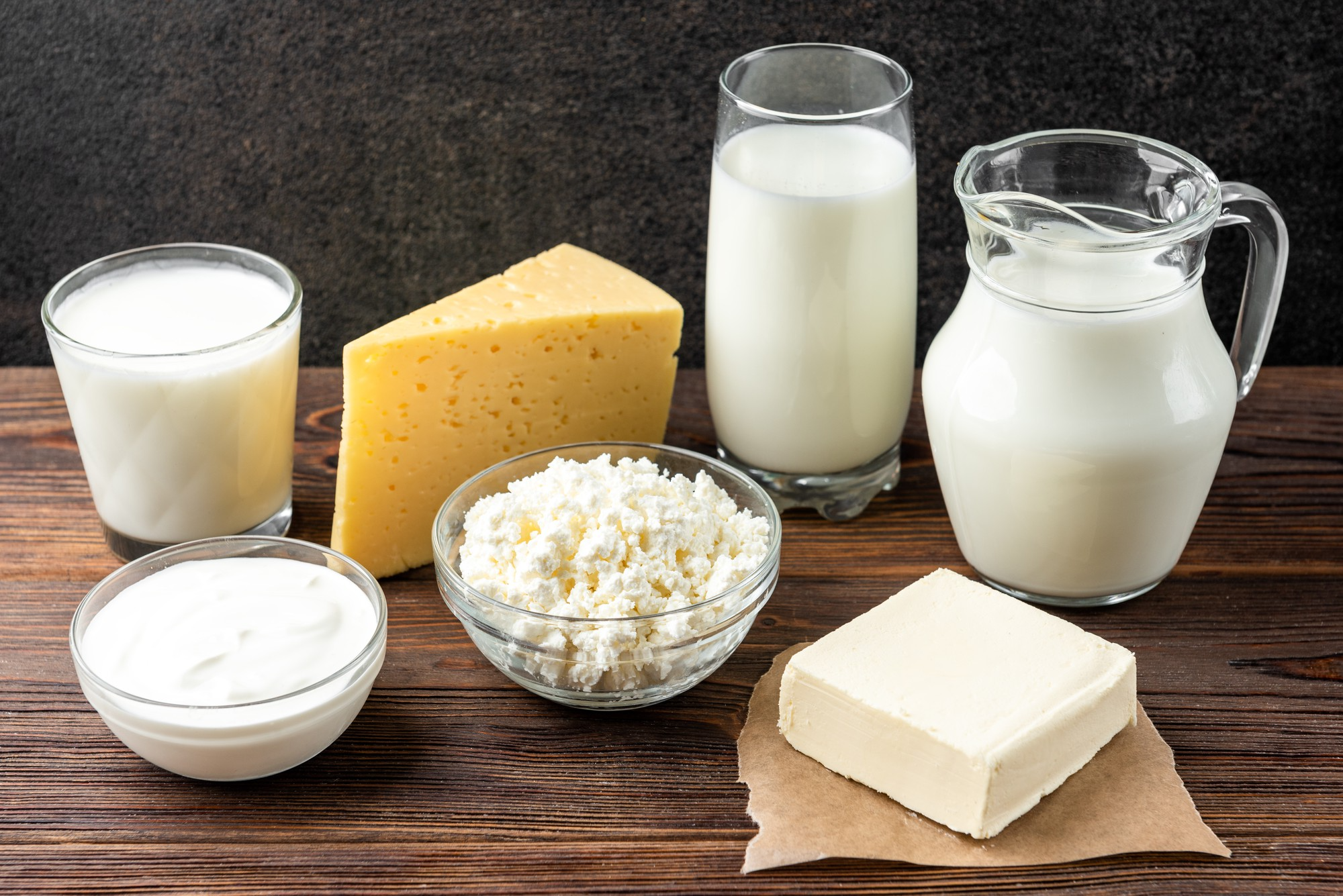
Sources of calcium including milk, cheese, yogurt, dairy products and fortified foods.
Raw foods sometimes cause more gas than cooked. Deep-fried foods can contribute. Heavy curries and rich sauces.
Ajwain (carom seeds) water — boil 1 teaspoon ajwain in 2 cups water, strain, drink warm. One of the most reliable Indian remedies for gas.
Hing (asafoetida) — pinch dissolved in warm water. Excellent for gas. Can be added to dal cooking.
Saunf (fennel seeds) — chew after meals. Or boil in water for fennel tea.
Jeera (cumin) water — boil 1 teaspoon cumin in 2 cups water. Helps digestion and reduces gas.
Black salt with hing — particularly effective. Half teaspoon mixed in warm water.
Adrak (ginger) — chewing fresh ginger or drinking ginger tea.
Lemon water with rock salt — supports digestion.
Pudina (mint) — fresh mint chutney or mint tea.
Buttermilk with roasted cumin and rock salt — after meals.
Triphala — Ayurvedic blend, taken at bedtime.
Warm water sipped throughout the day.
Herbal teas — chamomile, ginger, peppermint.
Apple cider vinegar — 1 teaspoon in warm water before meals (works for some, may worsen for others).
Probiotics — curd, yogurt, fermented foods, sometimes supplements.
Heat application — hot water bottle on the abdomen.
Gentle massage of the abdomen in a clockwise direction.
Vajrasana — sitting in this posture immediately after eating helps digestion.
Pawanmuktasana (wind-relieving pose) — lying on back, bringing knees to chest. Helps release trapped gas.
Walking — 10 to 15 minutes after meals significantly helps.
Twisting yoga poses — Ardha Matsyendrasana and similar.
Bhujangasana (cobra pose).
Pranayama (breathing exercises).
Anti-gas spices to include regularly:
For severe IBS or chronic bloating, restricting fermentable carbohydrates temporarily can help identify triggers. Should be done under dietary guidance — not as a permanent diet.
Lower FODMAP options:
Suspect foods are removed for 2 to 4 weeks, then reintroduced one at a time to identify triggers.
8 to 10 glasses daily supports digestion and prevents constipation.
Once identified, reduce or avoid personal trigger foods.
These features may indicate serious conditions needing investigation.
Timing, triggers, severity, associated symptoms, diet, medications, family history.
Physical examination including abdominal assessment.
Depending on suspected cause:
Sometimes dietary trials or medications help confirm diagnosis.
For specific conditions:
For general symptoms (under medical guidance):
"Gas is always a sign of something wrong." Gas production is normal. Only excessive amounts or accompanying symptoms warrant concern.
"Holding in gas is dangerous." It is uncomfortable but not dangerous. The gas eventually finds its way out.
"You can completely eliminate gas." Some gas production is inevitable. Reducing it to comfortable levels is realistic.
"Cutting out fibre is the solution." Adequate fibre is important for overall health. The right type and gradual increase work better than elimination.
"All beans are bad for everyone." Many people tolerate beans well, especially when prepared correctly.
"Bloating means you are gaining weight." Bloating is gas and fluid, not fat. It resolves.
"Children should not have gas problems." Children commonly have gas, particularly with certain foods or feeding practices.
"Burping in front of others is rude in all cultures." Cultural norms vary. Within Indian families, this is often less stigmatised.
"Constant gas means you must have a serious condition." Most chronic gas is benign and dietary.
Hormonal changes commonly increase bloating and gas. Slower digestion. Pressure from the growing uterus. Mostly manageable with dietary adjustments. Severe symptoms should be evaluated.
Eating habits, swallowed air, food intolerances. Lactose intolerance becomes common as children get older. Persistent symptoms need pediatric evaluation.
Many women experience bloating before menstruation. Usually resolves with the period. Reducing salt, staying hydrated, gentle exercise help.
Sometimes indicates more significant conditions. Lower threshold for medical evaluation.
Disturbed gut bacteria can cause increased gas. Probiotics help recovery.
Working professionals in Noida commonly have gas and bloating issues — sedentary work, irregular meal timing, frequent restaurant food, stress, and rich Indian cuisine all contribute.
Practical adaptations include regular meal timing, packed home-cooked lunches when possible, anti-gas spices in cooking (ajwain, hing, jeera), walking after meals, identifying and limiting personal trigger foods, adequate water, regular exercise, and stress management.
At Prakash Hospital, Noida, experienced gastroenterologists offer evaluation of persistent gas and bloating including identification of underlying causes like lactose intolerance, IBS, SIBO, and other conditions, alongside personalised treatment plans.
Whether you are in Sector 18, Sector 62, Greater Noida West, or anywhere nearby, Prakash Hospital Noida is a trusted name for gastroenterology consultation.
Gas and bloating, though usually not dangerous, affect daily life significantly. For most people, the solution lies in dietary adjustments, eating habits, and simple home remedies. Indian kitchen ingredients — ajwain, hing, jeera, saunf, ginger — handle the majority of cases effectively.
The reliable approach is identification of personal triggers (food and otherwise), mindful eating habits, anti-gas spices in cooking, adequate hydration, regular physical activity, and stress management.
When symptoms persist despite these measures or warning signs develop, medical evaluation identifies underlying conditions like lactose intolerance, IBS, SIBO, or celiac disease — all of which have specific effective treatments.
You do not have to live with constant bloating and discomfort. Start with the basics — anti-gas spices, eating slowly, smaller portions, walking after meals, avoiding obvious trigger foods. For most people, these simple changes substantially reduce symptoms.
If they do not, see a gastroenterologist. The investigation is straightforward and the answers usually allow specific effective management. Your digestive comfort is worth the small investment in proper care.
 Copy
CopyWe offer expert care across key specialties, including Medicine, Cardiology, Orthopaedics, ENT, Gynaecology, and more—delivering trusted treatment under one roof.


Book a consultation with Prakash Hospital's specialists — 24/7 emergency care, 100+ doctors, NABH accredited.

Prakash Hospital Pvt. Ltd. is a 100 bedded NABH NABL accredited multispecialty hospital along with a center of trauma and orthopedics. We are in the service of society since 2001.
OUR SPECIALITIES
Patient Services
PROCEDURES
Contact Us
D – 12A, 12B, Sector-33, G. B. Nagar, Noida, Uttar Pradesh 201301
+91-8826000033


© 2026 All rights reserved.
Designed and Developed by Zarle Infotech