


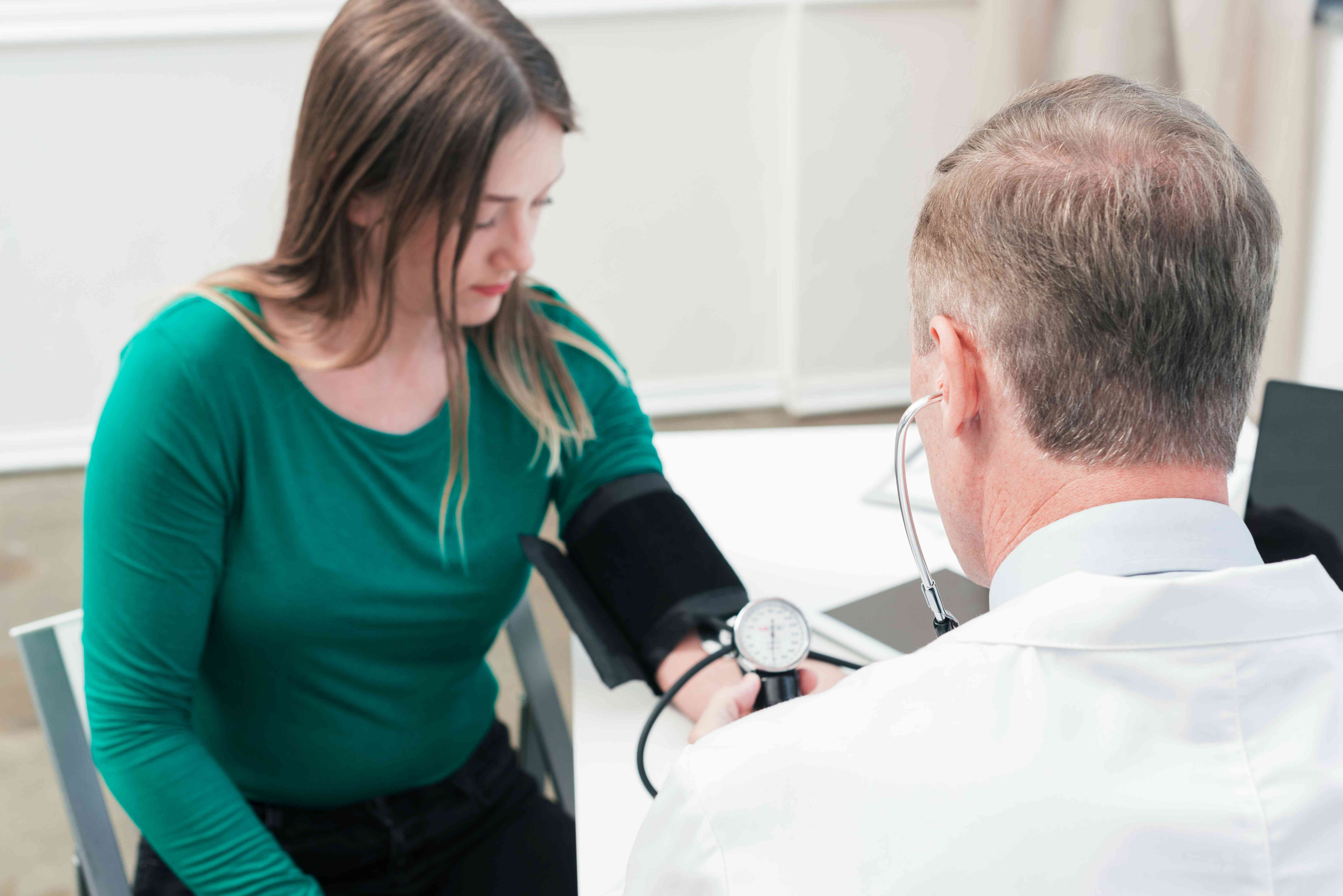
High Blood Pressure (Hypertension): The Silent Risk
High blood pressure affects millions silently. Know symptoms, treatment, and lifestyle changes. Visit Prakash Hospital Noida.
22 Jul 2026
by Prakash Hospital
by Prakash Hospital

How to Increase Hemoglobin in a Week: What Is Actually Possible
You search online for "how to increase hemoglobin in a week" because you need results quickly. Maybe you have an upcoming blood donation. Maybe a wedding where you want to feel energetic. Maybe a surgery is scheduled. Maybe you simply feel exhausted and want relief soon.
The honest answer that most articles avoid: raising hemoglobin meaningfully in just one week is difficult to achieve through diet alone. The body needs time to make new red blood cells and replenish iron stores. Most natural approaches take 4 to 8 weeks to produce measurable change.
However, certain strategies can produce noticeable improvement in energy and modest increases in hemoglobin within a week. Combined with medical treatment when appropriate, the timeline can be accelerated. This article walks through what is realistic, what works fastest, and how to think about hemoglobin in different timeframes.
Red blood cells live for about 120 days. The body continuously produces new ones to replace the old. When iron stores are depleted, new red blood cell production slows because hemoglobin cannot be made adequately.
When iron supply is restored, the bone marrow needs a few days to ramp up production. New red blood cells start appearing in the bloodstream within about a week. Significant hemoglobin rise typically takes 4 weeks or more.
A reasonable expectation is:
Within 1 week — improvement in energy and well-being, modest hemoglobin rise possibly 0.5 g/dL.
Within 2 to 4 weeks — noticeable hemoglobin rise of 1 to 2 g/dL with consistent treatment.
Within 4 to 8 weeks — substantial correction of mild to moderate anaemia.
3 to 6 months — full replenishment of iron stores, not just hemoglobin.
If you genuinely need higher hemoglobin within a week for medical reasons, medical intervention (intravenous iron or blood transfusion) is the only reliable approach.
Build every meal around iron-rich foods combined with vitamin C sources. Examples:
Breakfast — fortified cereal with milk and an orange. Or eggs with whole-grain toast and tomatoes. Or besan chilla with a glass of orange juice.
Mid-morning — sprouted moong with lemon, tomato, and a green chilli. Or a guava.
Lunch — chickpea curry with tomatoes, whole-wheat roti, spinach with lemon, salad with bell peppers.
Afternoon snack — pumpkin seeds with raisins. Roasted chana with lemon. Pomegranate.
Dinner — dal with lemon, mixed-grain roti (including bajra or ragi), vegetable curry, salad.
Including amla, guava, citrus fruits, bell peppers, and tomatoes at each meal multiplies iron absorption.
This single change can dramatically improve iron absorption within days. Tannins in tea and coffee can reduce non-heme iron absorption by 60 percent or more.
For one week:
This habit alone is one of the most effective short-term changes for Indians, where tea consumption with meals is common.
Dairy products reduce iron absorption when consumed together. For maximum absorption in the short term, eat dairy separately from iron-rich meals.
Cooking acidic foods (tomato curries, dals, sambhar) in cast iron pots adds meaningful amounts of iron to the food. This is a traditional Indian practice that genuinely works.
If your doctor has prescribed iron supplements, take them correctly:
If you do not have a prescription, do not self-medicate with high-dose iron. Over-the-counter iron can have side effects and can mask underlying causes of anaemia.
Focus on these for the week:
Pomegranate — daily glass of fresh juice on an empty stomach, or a bowl of seeds.
Beetroot — beetroot juice, beetroot in salads, beetroot curry.
Spinach with lemon — included at lunch or dinner.
Sprouts — sprouted moong, chana, or other legumes at breakfast or as a snack.
Pumpkin seeds and sesame seeds — added to salads, curries, or as snacks.
Dates and raisins — between meals as snacks.
Jaggery — small amount with meals or as a dessert.
Amla — fresh, juice, or as murabba.
Fortified breakfast cereals with fortified milk.
Hemoglobin production happens during rest. Adequate sleep and moderate activity both help. Avoid pushing too hard physically while anaemic — it stresses the cardiovascular system unnecessarily.
If you genuinely need hemoglobin raised quickly for medical reasons, dietary changes alone cannot deliver. The options are:
A direct infusion of iron into the bloodstream. Bypasses absorption issues entirely. Used when:
Effect on hemoglobin is faster than oral iron but still takes 1 to 3 weeks for significant rise.
The fastest way to raise hemoglobin. A unit of packed red blood cells typically raises hemoglobin by 1 g/dL within hours.
Reserved for:
Transfusion is not used for mild or moderate anaemia.
Stimulates the bone marrow to produce more red blood cells. Used in specific conditions like chronic kidney disease.
These interventions require medical supervision. Self-prescribed iron supplements alone cannot match the speed of medical treatment when truly needed.
Understanding the biology helps set realistic expectations.
When iron arrives in the bloodstream, it has to be taken up by the bone marrow, incorporated into developing red blood cells, and the new cells have to mature before being released. This whole process takes 5 to 7 days for the first new cells.
Even with optimal conditions, the bone marrow cannot triple or quadruple production overnight. There is a biological ceiling on how quickly new red blood cells can be made.
So when articles claim "increase hemoglobin in 3 days with this drink" — they are usually exaggerating. Modest improvements in energy and well-being are possible quickly, but actual hemoglobin numbers move on biological timeframes.
Some symptoms of low hemoglobin can improve faster than the number itself.
Energy levels often improve within a few days of starting iron supplementation, even before hemoglobin moves much.
Mood and concentration can improve within a week.
Hair, nail, and skin symptoms take longer — weeks to months.
Exercise tolerance improves gradually over weeks.
So the "feeling better" timeline can be much shorter than the "hemoglobin number rising" timeline.
If you want to do everything possible in a single week, here is a structured plan:

Patient visiting a doctor for consultation.
Breakfast: Fortified cereal or eggs with vitamin C source (orange juice, guava, lemon, kiwi). Iron supplement on empty stomach 30 minutes before if prescribed.
Mid-morning: Sprouts with lemon or a fresh fruit (pomegranate, guava, orange).
Lunch: Iron-rich legume (chickpeas, dal, rajma) with vitamin C source (tomatoes, lemon, bell peppers). Cook in iron cookware. Avoid dairy with this meal.
Afternoon: Snacks like roasted chana, pumpkin seeds, dates, dried apricots.
Dinner: Mixed-grain roti including bajra or ragi. Spinach or methi. Salad with lemon. Light dal.
Through the day: Plenty of water, no tea or coffee with meals.
Before bed: Soak nuts and legumes for tomorrow's cooking. This reduces phytates.
Just eating spinach — the iron is poorly absorbed because of oxalates.
Drinking pomegranate juice once — useful but not transformative in a single day.
Multivitamin pills — typically too low in iron to correct deficiency.
Iron-fortified biscuits — the amounts are small.
Beetroot juice as the sole intervention — supports red blood cell production but not as dramatic as marketed.
Herbal supplements claiming overnight results — typically not backed by evidence.
Many people search for fast hemoglobin tips before blood donation because of failed eligibility screening.
Donation centres typically require hemoglobin of at least 12.5 g/dL for women and 13 g/dL for men. If you have been deferred for low hemoglobin, the right response is not to try to raise it for a week but to address the underlying cause through proper medical evaluation and treatment.
Trying to "boost" hemoglobin briefly for donation when you are actually anaemic puts you at risk and is not the purpose of donation. Treat the deficiency, then donate when truly healthy.
"You can double your hemoglobin in a week." No. The biology of red blood cell production prevents this.
"Beetroot juice is a hemoglobin miracle drink." It helps but it is one component, not a magic solution.
"Iron supplements work overnight." Energy may improve in days. Hemoglobin number rises over weeks.
"Eating raw spinach is better than cooked." Both are useful. Cooking slightly reduces oxalates and improves iron availability.
"Anaemia is just dietary — no medical care needed." Anaemia often has underlying causes that need investigation, especially in men and postmenopausal women.
If you have severe symptoms — chest pain, significant breathing difficulty, fainting, very rapid heart rate, severe weakness — do not focus on dietary changes. Get to a doctor or emergency department immediately. Severe anaemia can be a medical emergency.
For less urgent low hemoglobin, a doctor consultation in the next few days establishes the cause and appropriate treatment.
Working professionals in Noida often try to address low hemoglobin in short bursts before specific events. The realistic approach is to get tested, identify the cause, start appropriate treatment, and give the body the weeks to months it needs to fully correct.
For immediate energy improvement before specific events, focusing on hydration, sleep, and nutrient-dense food helps even when hemoglobin itself has not moved much.
At Prakash Hospital, Noida, experienced doctors offer rapid blood testing, comprehensive evaluation including iron studies and B12, and appropriate treatment ranging from dietary guidance to oral supplements to intravenous iron to transfusion when needed. The approach is individualised based on the cause and urgency.
Whether you are in Sector 18, Sector 62, Greater Noida West, or anywhere nearby, Prakash Hospital Noida is a trusted name for blood tests and anaemia care.
To book a consultation, call the number.
Raising hemoglobin in a single week through diet alone has real limits. The body needs time to produce new red blood cells. What can be done quickly is to optimise the conditions for that production — through iron-rich foods, vitamin C pairing, avoiding tea and coffee at meals, iron cookware, and prescribed supplements when appropriate.
If you genuinely need rapid hemoglobin correction for medical reasons, intravenous iron or transfusion are the only reliable options, and they require medical supervision.
The smarter long-term approach is to test, identify the cause, treat it properly, and give the body the weeks to months it needs to fully recover. Energy improvements often come within days. Number changes come over weeks. Full correction takes months.
Set realistic expectations, start the right interventions, and stay consistent. Hemoglobin is one of those things where steady effort over time produces transformative results, but quick fixes rarely deliver what they promise.

Treats the uterine lining to make heavy periods lighter or stop them, with no cuts, for women who want no more children.
A thin needle sample of liver tissue to diagnose liver disease and measure scarring when other tests can't.
A camera test of the large bowel that investigates bleeding or bowel changes and removes polyps early.
Free tools to check your weight, plan a pregnancy, track calories and more.
We offer expert care across key specialties, including Medicine, Cardiology, Orthopaedics, ENT, Gynaecology, and more—delivering trusted treatment under one roof.
High blood pressure affects millions silently. Know symptoms, treatment, and lifestyle changes. Visit Prakash Hospital Noida.
22 Jul 2026
by Prakash Hospital

बिना डॉक्टर की सलाह दवा लेना सेहत के लिए क्यों खतरनाक है? जानिए self-medication के नुकसान, साइड इफेक्ट्स और सुरक्षित इलाज का सही तरीका।
5 Jan 2026
by Prakash Hospital
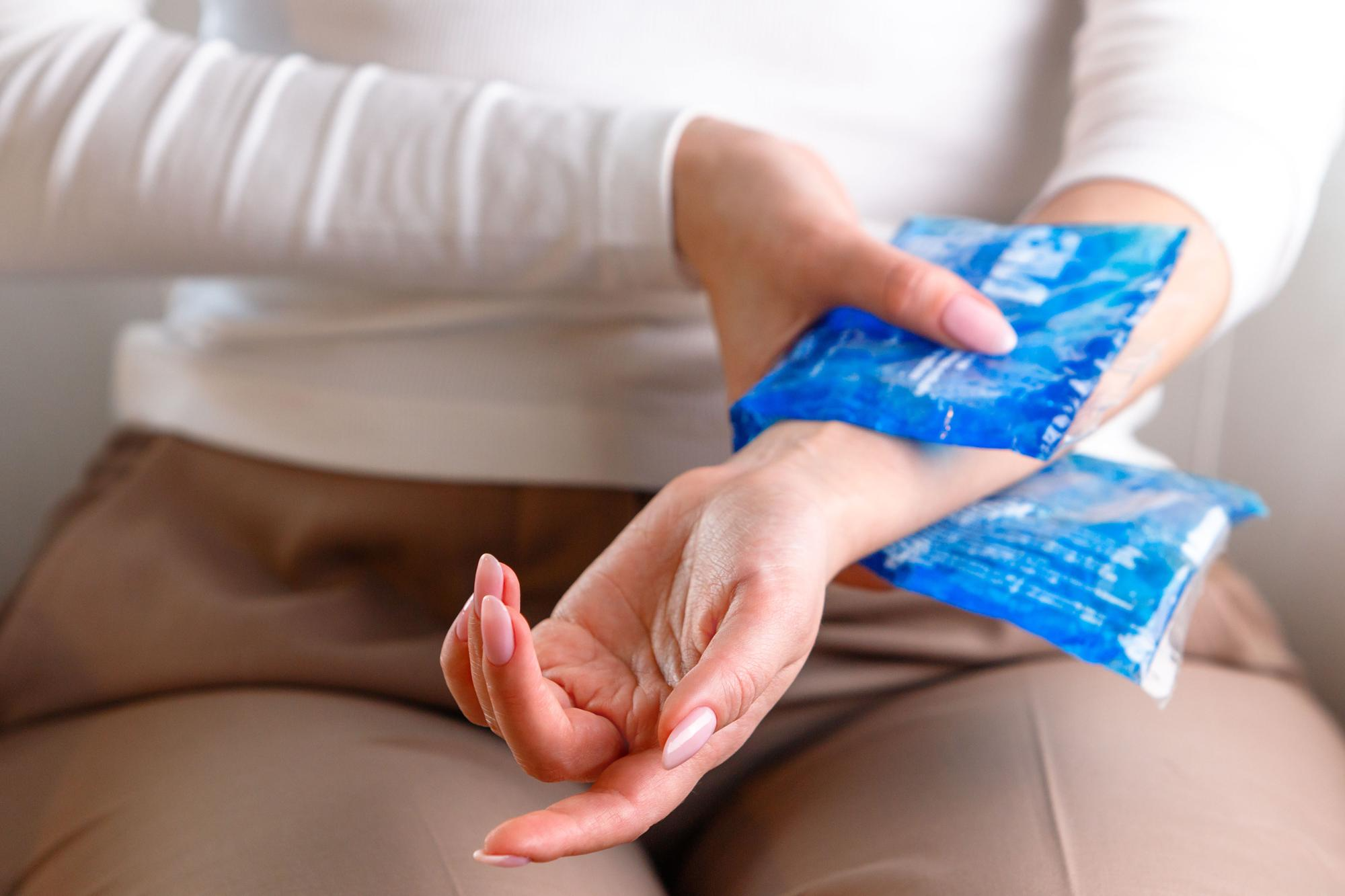
Not sure when to use ice or heat for pain relief? Learn how to treat injuries, muscle strains, and swelling with the right therapy for faster recovery.
18 Nov 2025
by Prakash Hospital

जानिए लो हीमोग्लोबिन का दिल की सेहत पर क्या प्रभाव पड़ता है। इसके कारण, लक्षण और समय पर इलाज व सही खानपान से कैसे बचाव किया जा सकता है, सरल भाषा में समझें।
6 May 2026
by Prakash Hospital

Learn symptoms, risk factors, prevention tips and when to seek expert cardiac care in Noida.
25 Mar 2026
by Prakash Hospital

सीने में जलन (एसिडिटी) और हार्ट प्रॉब्लम के लक्षणों में क्या फर्क है? कब यह गंभीर हो सकता है और डॉक्टर से कब मिलना चाहिए, पूरी जानकारी हिंदी में।
23 Apr 2026
by Prakash Hospital


Book a consultation with Prakash Hospital's specialists — 24/7 emergency care, 100+ doctors, NABH accredited.
View All Departments