


Vitamin B12 Deficiency: Symptoms, Risk Factors and What to Do
Vitamin B12 deficiency symptoms — tingling, fatigue, memory issues and more. Who's at risk in India and how to fix it. Prakash Hospital Noida.
30 Sept 2026
by Prakash Hospital
by Prakash Hospital
Vitamins are crucial micronutrients that are needed for enzymatic reactions, the regulation of immunity, the formation of red blood cells, the metabolism of bones and cellular repair. Unlike carbohydrates, proteins and fats, vitamins do not serve as sources of energy but are very important in transforming food into usable energy.
As most vitamins cannot be synthesized by the human body in sufficient amounts, they have to be taken in through nutrition.
Vitamins are divided into two major categories:
These are absorbed along with dietary fat and stored in liver and adipose tissue. Excess intake can accumulate and cause toxicity.
These are not stored to a great extent in the body and need to be supplied continuously.
However, some deficiencies occur more often because of specific food habits and lifestyles.
Common even in sunny regions due to:
Symptoms:
More Common In:
Symptoms:
Seen in:
May cause anemia and neural tube defects among pregnant women.
Function: Vision, immune function, skin health
Sources:
Function: Calcium absorption, Bone strength
Sources:
Mild exposure to the sun for 10-20 minutes, specifically to the face and arms, may facilitate the process, depending on the type of skin in different locations.
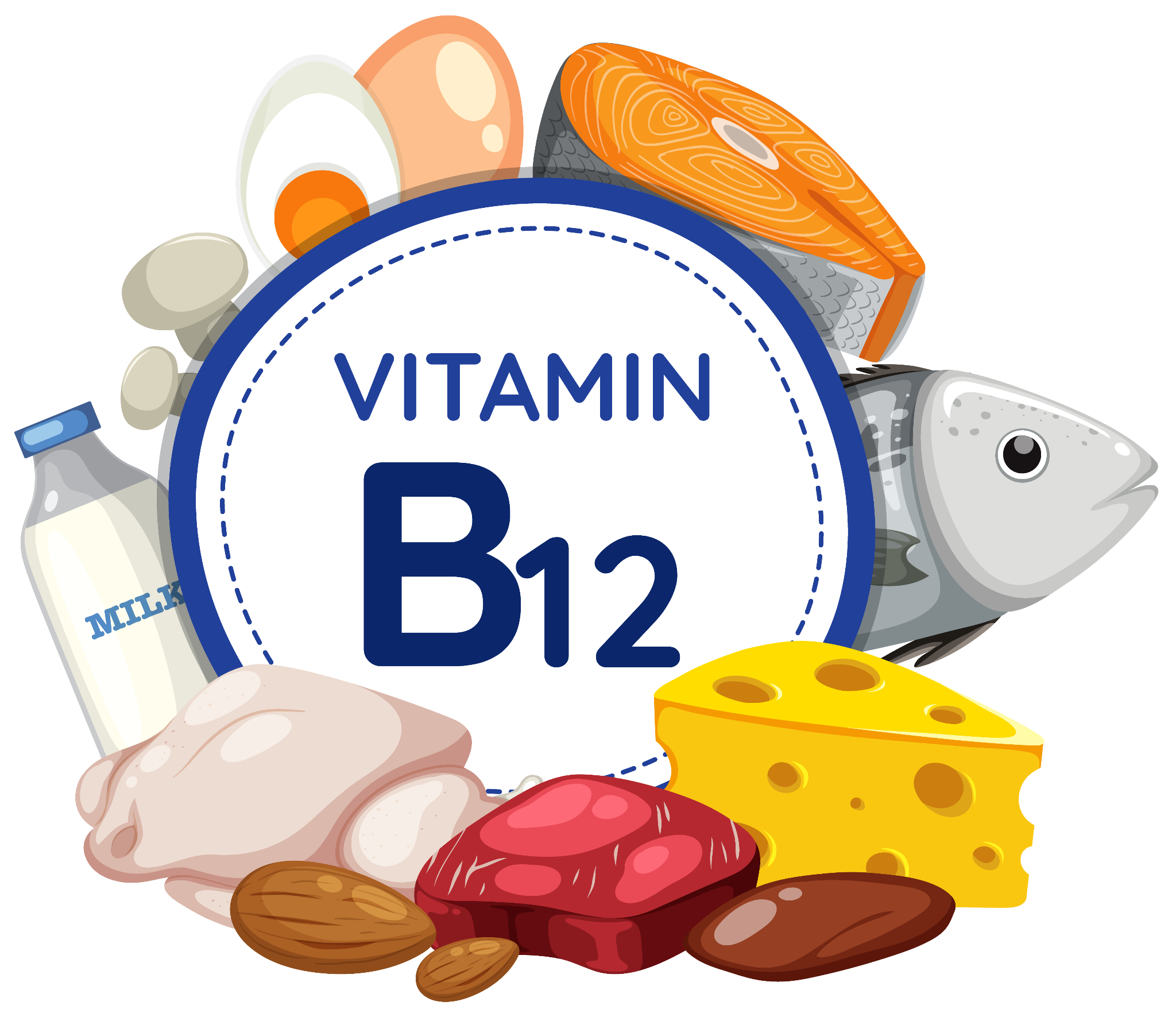
Function: Nerve function, red blood cell production
Sources:
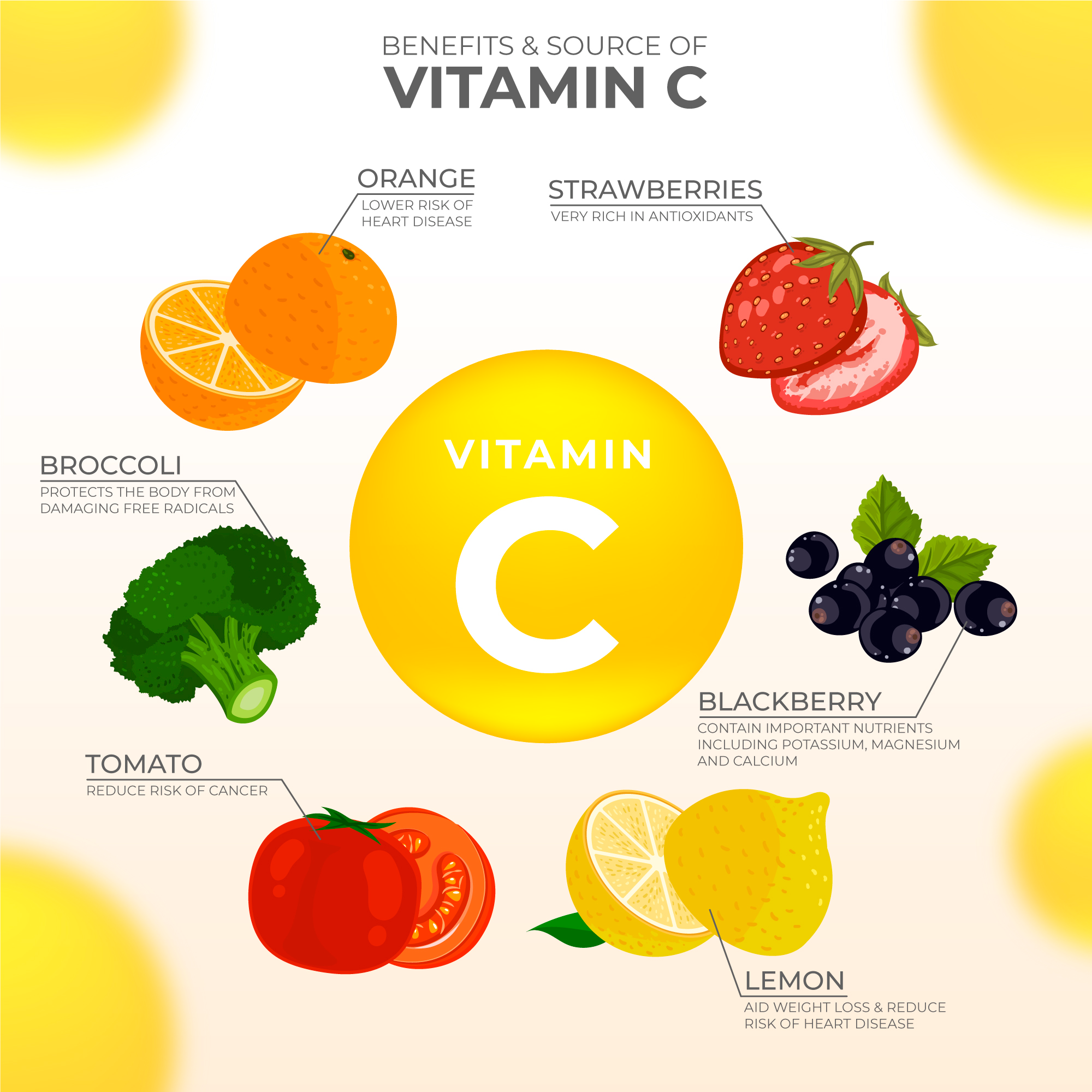
Function: Antioxidant, Collagen Synthesis
Sources:
Function: DNA Synthesis, Cell Division
Sources:
Function: Antioxidant Protection
Sources:
Function: Blood clotting, bone metabolism
Sources:
Vitamin consumption may not be the sole issue. The overall vitamin absorption rate is significant.
Vitamins A, D, E, and K require fat for absorption.
Example: The addition of oil to vegetables plays a role in the absorption of fat-soluble vitamins.
Malabsorption conditions such as:
Certain medicines influence certain vitamins:
Include:
Diet diversity leads to better coverage of micronutrients
Fruits and vegetables come in various colors, with each color offering different kinds of
For example:
Vitamins are usually lost in refined grains. Prefer
Supplementation is appropriate in the following situations
Taking excess supplements without proper medical guidance could result in toxicity, especially for fat-soluble vitamins.
Consult a doctor in the following cases:
It can be ascertained through blood tests.

Clear capsules containing natural elements displayed to symbolize vitamin supplementation.
The scientific evidence suggests that whole foods can improve nutrient synergy. While multivitamins should not be used in place of a balanced diet, they can be used as supplements to a diet if medically indicated
Maintaining adequate vitamin intake is essential for immunity, metabolism, bone health, and overall well-being. A balanced, diverse diet rich in whole foods remains the most effective and safest strategy for meeting daily vitamin requirements.
Routine health check-ups and laboratory testing can help identify deficiencies early and prevent long-term complications.
At Prakash Hospital, our clinical nutrition team offers comprehensive dietary assessment, deficiency screening, and personalized meal planning based on evidence-based guidelines.
Schedule a consultation today to optimize your nutritional health.

Removes enlarged adenoids that block a child's nose, disturb sleep or keep causing ear infections.
A camera test that looks inside the bladder and urethra to find the cause of bleeding, infections or blockage.
Opens a narrowed or blocked heart artery with a balloon and a stent, passed up from the wrist or groin.
Free tools to check your weight, plan a pregnancy, track calories and more.
We offer expert care across key specialties, including Medicine, Cardiology, Orthopaedics, ENT, Gynaecology, and more—delivering trusted treatment under one roof.
Vitamin B12 deficiency symptoms — tingling, fatigue, memory issues and more. Who's at risk in India and how to fix it. Prakash Hospital Noida.
30 Sept 2026
by Prakash Hospital

Vitamin D rich vegetables and fruits — what actually contains vitamin D and what is myth. Visit Prakash Hospital Noida for nutrition guidance.
30 Jun 2026
by Prakash Hospital
Vitamin C deficiency — recognise the signs, understand the causes, and learn the best food sources. Visit Prakash Hospital Noida for nutrition care.
26 Jun 2026
by Prakash Hospital

Early pregnancy signs — what to watch for in the first weeks, when to take a test, and what the symptoms mean. Prakash Hospital Noida.
23 Sept 2026
by Prakash Hospital

Indian pregnancy diet plan, foods to eat in each trimester, key nutrients, and what to avoid. Visit Prakash Hospital Noida for maternity care.
10 Jul 2026
by Prakash Hospital

White discharge during pregnancy — what's normal leucorrhoea and what signs need a doctor. Prakash Hospital Noida.
27 Sept 2026
by Prakash Hospital

Immunity-boosting foods — the best Indian foods to strengthen your immune system naturally. Visit Prakash Hospital Noida for nutrition consultation.
3 Jul 2026
by Prakash Hospital

Learn symptoms, risks, and treatment options for vitamin D deficiency with expert guidance from Prakash Hospital.
12 Nov 2025
by Prakash Hospital

Vitamin D deficiency — recognise the symptoms, understand the causes, and learn how to correct it. Visit Prakash Hospital Noida for testing and treatment.
29 May 2026
by Prakash Hospital


Book a consultation with Prakash Hospital's specialists — 24/7 emergency care, 100+ doctors, NABH accredited.
View All Departments