


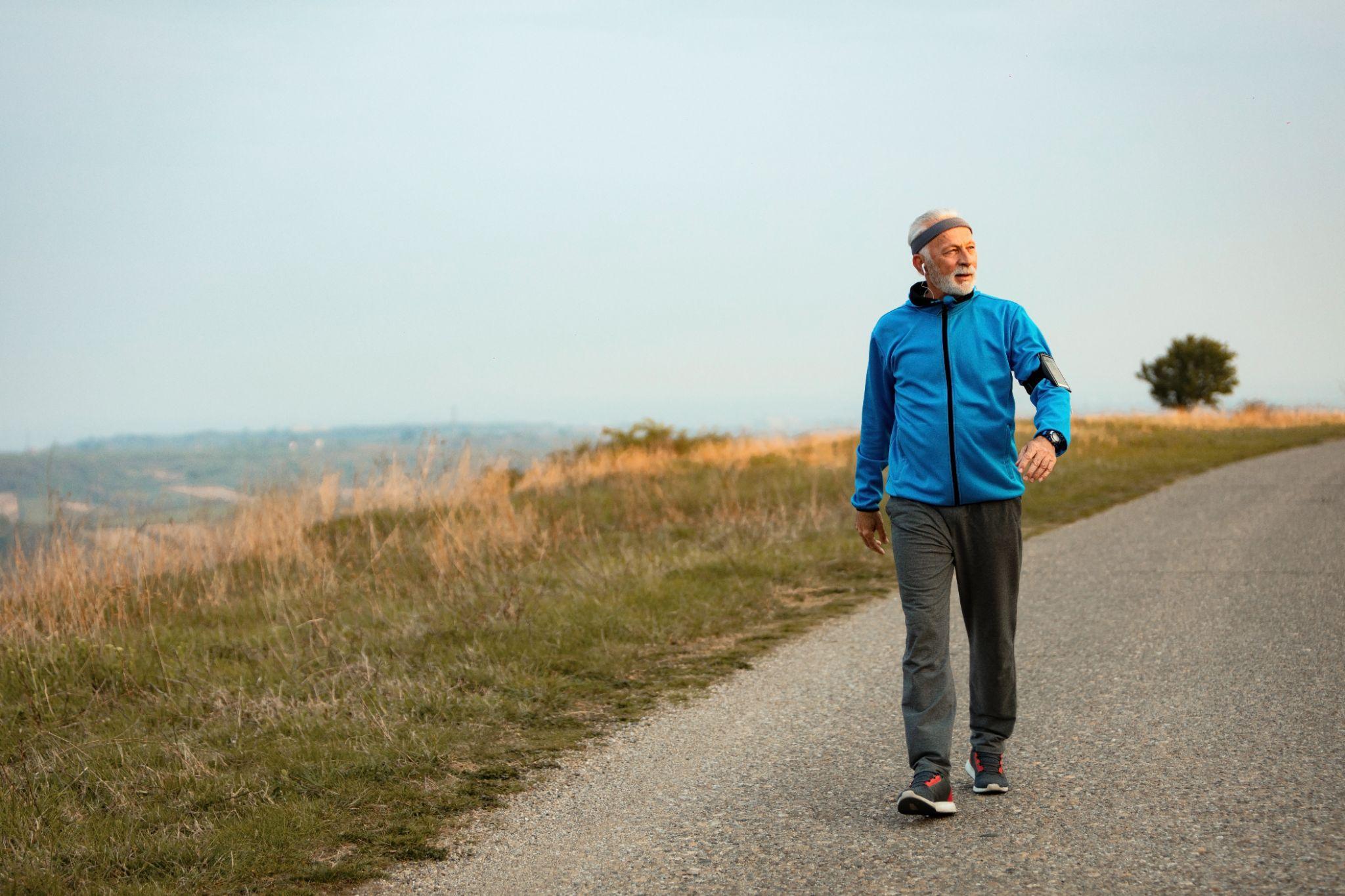
Benefits of Walking 30 Minutes Daily: More Than You Think
What 30 minutes of walking daily does for your heart, blood sugar, mood, and weight. Evidence-based guide from Prakash Hospital Noida.
28 Sept 2026
by Prakash Hospital
by Prakash Hospital

Man holding his stomach due to abdominal pain and digestive discomfort.
It usually starts unexpectedly. A churning in your stomach. An urgent trip to the bathroom. Then another. Within hours, you have lost count of how many times you have visited the toilet. Your stools have become watery. You feel weak. The thought of food turns your stomach. Your plans for the day collapse around the new reality of staying within sprinting distance of a bathroom.
Loose motions, also called diarrhoea, are one of the most common and disruptive everyday health problems. They affect almost everyone at some point — usually triggered by food, viruses, stress, medications, or simply a bad meal. Most cases resolve within a few days with basic care. Some need medical attention because of severity, persistence, or underlying causes.
This article walks through what causes loose motions, how to manage them at home, when to seek medical care, and how to prevent recurrence.
Medically, loose motion or diarrhoea is defined as passing watery or loose stools three or more times in a day, often with increased frequency.
The stools are typically:
Other symptoms commonly accompany loose motions:
Acute diarrhoea — lasts less than 2 weeks. Usually infectious or food-related. The most common type.
Persistent diarrhoea — lasts 2 to 4 weeks. Suggests an ongoing issue requiring investigation.
Chronic diarrhoea — lasts more than 4 weeks. Often indicates an underlying condition like IBS, IBD, malabsorption, or other GI disorders.
The most common cause of acute loose motions globally. Various viruses including rotavirus, norovirus, adenovirus, and others infect the intestinal lining, preventing normal water absorption.
Usually self-limiting in 2 to 3 days. Highly contagious — often spreads through families.
From contaminated food or water. Common culprits in India include:
Often more severe than viral diarrhoea. May include fever, blood in stools, severe cramps.
Giardia lamblia — common in India, often from contaminated water.
Entamoeba histolytica — amoebic dysentery, can cause bloody diarrhoea.
Cryptosporidium.
Often cause persistent diarrhoea that needs specific treatment.
Toxins produced by bacteria in contaminated food. Symptoms appear quickly (hours after eating), often with vomiting.
Lactose intolerance — inability to digest milk sugar. Common in adults.
Fructose malabsorption — issues with fruit sugars.
Gluten sensitivity in some people.
Specific food triggers — varies by individual.
Many medications cause loose motions as a side effect:
Antibiotics disturb normal gut bacteria. Can cause loose motions during or after antibiotic courses. Sometimes leads to C. difficile infection, which is more serious.
The gut-brain connection is real. Stress triggers loose motions in many people. Exam stress, work stress, or sudden emotional events commonly cause acute episodes.
Functional GI disorder with chronic intermittent loose motions, often alternating with constipation. Triggered by certain foods, stress, hormonal changes.
Crohn's disease and ulcerative colitis. Chronic conditions with diarrhoea often containing blood and mucus. Need specialist care.
Celiac disease — autoimmune reaction to gluten.
Lactose intolerance as noted above.
Pancreatic insufficiency.
Hyperthyroidism — increased metabolism can cause loose motions.
Diabetes — diabetic enteropathy in some cases.
Excessive alcohol consumption.
Excessive caffeine.
Artificial sweeteners — particularly sorbitol and mannitol in large amounts.
Spicy foods in sensitive individuals.
Travel-related ("traveller's diarrhoea") — exposure to unfamiliar microorganisms.
Fluid loss is the main concern. Dehydration can become serious quickly, especially in children and older adults.
Drink frequently in small amounts:

Fresh lemon, cucumber and mint slices floating in a glass jar of infused water, showing an easy and refreshing way to stay hydrated naturally.
Avoid:
Mix in 1 litre of clean water:
Drink small frequent sips throughout the day.
Bland easy-to-digest foods help during recovery:
Other useful foods:
Curd with rice — probiotic effects from curd help.
Banana — soft, easy to digest, potassium-replacing.
Pomegranate juice — astringent effect.
Ginger tea — soothes nausea.
Mint tea — calms intestinal cramping.
Cumin water (jeera pani) — soothes digestion.
Buttermilk with rock salt — replaces fluids and electrolytes.
Lemon juice with honey in warm water — gentle hydration.
Pomegranate peel powder — traditional astringent remedy. Mix half teaspoon with warm water.
Fenugreek (methi) seeds — soak overnight, drink water in morning.
Both physical and mental rest help recovery. Reduce work stress when possible.
Oral rehydration salts (ORS) — the most important. Available at any pharmacy.
Zinc supplements — particularly useful in children. Reduces severity and duration.
Loperamide (Imodium) — slows down bowel movements. Use only for non-infectious loose motions and not in children or with bloody stools or high fever. Generally limited to short-term use.
Probiotics — may help recovery and prevent antibiotic-associated diarrhoea.
Avoid:
A medical consultation is needed when:
Severe symptoms:
Specific situations:

Patient consulting a doctor
Duration, severity, accompanying symptoms, food history, travel, medications, contacts, family history.
For parasites, bacteria, occult blood, white blood cells, and other markers.
When severe — electrolytes, kidney function, infection markers.
For chronic or unexplained diarrhoea.
For suspected IBD, celiac disease, malabsorption, hormonal causes.
Children dehydrate quickly. Watch for:
Seek medical care promptly for any concerning signs.
Dehydration is more dangerous. Multiple medications complicate the picture. Lower threshold for medical evaluation.
Hydration is critical. Some medications need avoidance. Consult a doctor for any significant loose motions.
People with diabetes, kidney disease, or heart conditions may decompensate quickly with dehydration. Closer monitoring needed.
Rotavirus vaccine for infants. Hepatitis A vaccine. Typhoid vaccine for high-risk situations.
Extra care with food and water during high-transmission seasons.
For stress-related loose motions and IBS.
Identify and avoid personal triggers.
"You should not drink water during loose motions." Hydration is critical. Drink plenty.
"Stop eating completely." Easy bland foods help recovery. Complete fasting is counterproductive.
"Antibiotics cure all loose motions." Most are viral, where antibiotics do not help and may worsen things.
"Curd worsens loose motions." Plain curd usually helps through probiotic effects.
"Use loperamide for all cases." Avoid in serious infections, bloody stools, high fever.
"Children outgrow rotavirus naturally." Vaccination prevents serious disease and saves lives.
"Pomegranate cures all loose motions." Helps but is not a complete treatment.
"Loose motions in children are minor." Children can dehydrate dangerously fast.
Loose motions are common throughout the year in NCR, with seasonal peaks during monsoon when water contamination increases. Working professionals often have stress-related episodes alongside infection-related ones. Restaurant and street food in many areas pose risks.
Practical adaptations include using filtered or RO water at home, avoiding street food during monsoon, hand sanitisers when eating out, ORS at home as a standard medicine cabinet item, vaccination for children, and prompt medical consultation for severe or persistent cases.
At Prakash Hospital, Noida, experienced gastroenterologists offer evaluation of loose motions including stool analysis, blood tests, endoscopy when needed, and treatment of underlying causes ranging from infections to chronic conditions like IBS and IBD.
Whether you are in Sector 18, Sector 62, Greater Noida West, or anywhere nearby, Prakash Hospital Noida is a trusted name for gastroenterology consultation.
To book a consultation, call the number.
Loose motions are usually self-limiting and respond to basic home care — hydration, bland diet, rest, and oral rehydration salts. Most cases resolve within 2 to 3 days.
The key principles are hydration first, bland easy-to-digest food second, rest third, and prompt medical attention when warning signs develop.
Children, older adults, pregnant women, and those with chronic illnesses need closer attention. Bloody stools, high fever, severe pain, persistent symptoms, or signs of dehydration warrant medical care without delay.
Prevention through food and water safety, hand hygiene, and addressing personal triggers reduces frequency substantially. For chronic or recurrent loose motions, proper medical evaluation identifies the underlying cause and allows specific treatment.
Loose motions are one of those things almost everyone deals with occasionally. With sensible management at home for mild cases and prompt medical attention when needed, they are usually a brief inconvenience rather than a serious problem.

Realigns broken bones and holds them with plates, screws, rods or frames so they heal in the right position.
Opens a narrowed or blocked heart artery with a balloon and a stent, passed up from the wrist or groin.
Treats the uterine lining to make heavy periods lighter or stop them, with no cuts, for women who want no more children.
Free tools to check your weight, plan a pregnancy, track calories and more.
We offer expert care across key specialties, including Medicine, Cardiology, Orthopaedics, ENT, Gynaecology, and more—delivering trusted treatment under one roof.
What 30 minutes of walking daily does for your heart, blood sugar, mood, and weight. Evidence-based guide from Prakash Hospital Noida.
28 Sept 2026
by Prakash Hospital

How to increase stamina for daily life, work and sports — progressive exercise, diet, iron and B12, sleep and supplements that work. Prakash Hospital Noida.
6 Oct 2026
by Prakash Hospital

How to remove sun tan from face and body — what works at home and what professional treatments offer. Prakash Hospital Noida.
10 Sept 2026
by Prakash Hospital

Learn whether lipoma can be treated naturally, its causes, symptoms, and available medical and home management options for safe care.
20 Apr 2026
by Prakash Hospital

Discover the causes of facial hyperpigmentation, effective treatments, and skincare tips to reduce dark spots and achieve healthy-looking skin.
14 May 2026
by Prakash Hospital

How to stop hair fall — understand the real causes, effective treatments, and prevention strategies. Visit Prakash Hospital Noida for trichology consultation.
22 May 2026
by Prakash Hospital


Book a consultation with Prakash Hospital's specialists — 24/7 emergency care, 100+ doctors, NABH accredited.
View All Departments