


High Blood Pressure (Hypertension): The Silent Risk
High blood pressure affects millions silently. Know symptoms, treatment, and lifestyle changes. Visit Prakash Hospital Noida.
22 Jul 2026
by Prakash Hospital
by Prakash Hospital

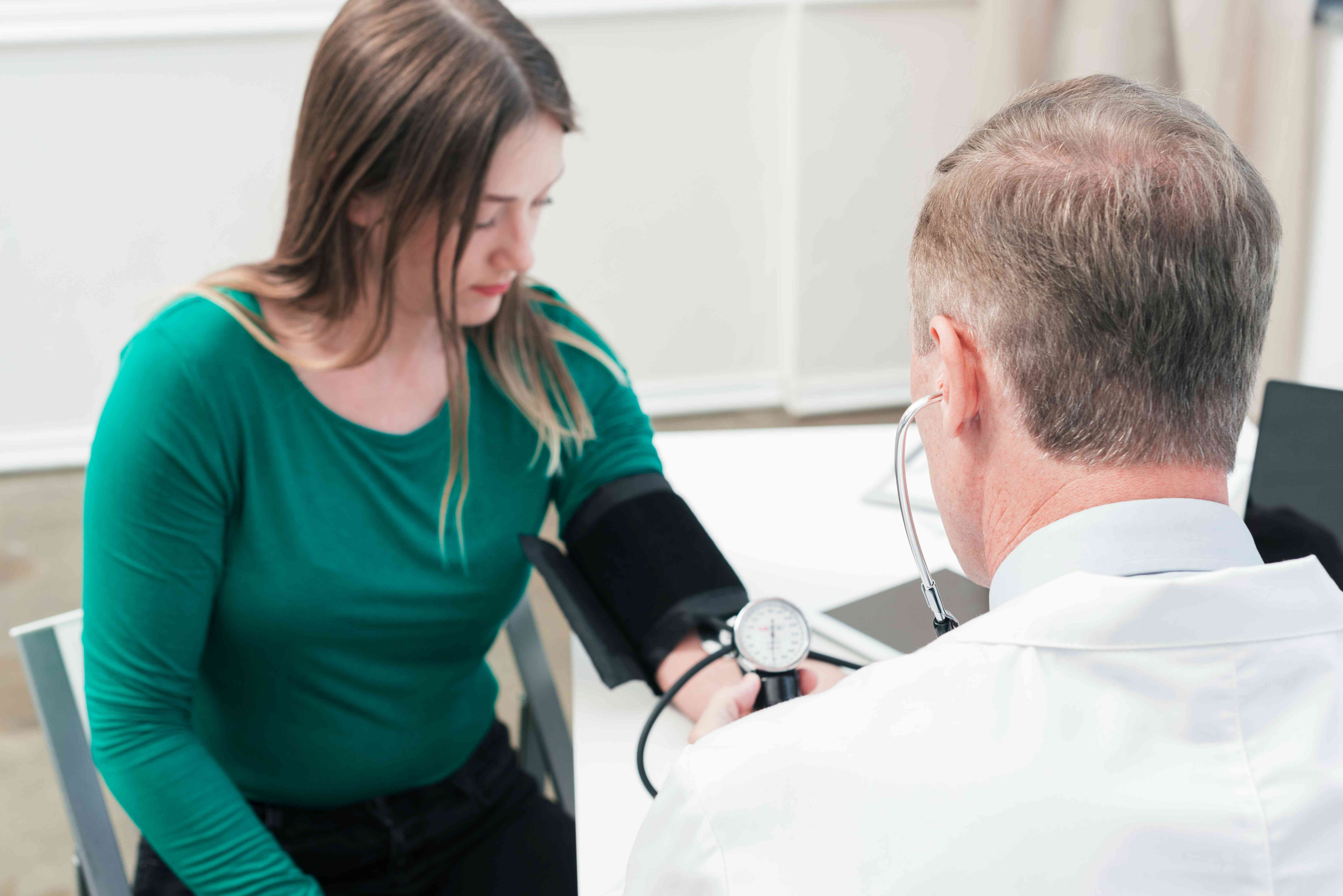
Individual measuring blood pressure to identify low blood pressure symptoms.
When blood pressure drops below the normal range it is referred to medically as hypotension. Low blood pressure can occasionally result in dizziness, fainting and major health issues though it may not always be problematic. Vital organs may not receive enough blood when blood pressure falls too low. Blood pressure is crucial for supplying oxygen and nutrients to organs.
Comprehending the signs and causes of low blood pressure facilitates prompt diagnosis, suitable treatment and avoidance of complications.
Systolic and diastolic pressure are the two numbers used to measure blood pressure. Readings that are less than 90/60 mmHg are typically regarded as low blood pressure. However, depending on factors like age, general fitness and health, what is deemed low may differ from person to person. While some people have naturally low blood pressure without any symptoms others may face serious discomfort and health risks.
Depending on the cause and severity of your low blood pressure symptoms may vary.
Low blood pressure can be caused by a variety of factors including lifestyle choices and medical conditions.

Individual appearing weak and dehydrated, highlighting a common cause of low blood pressure.
In order to diagnose low blood pressure doctors monitor your blood pressure over time and consider your symptoms. Additionally they may wish to conduct tests to determine the cause.
Your doctor can select the best course of action if you receive an accurate diagnosis.
The cause of your low blood pressure and the severity of your symptoms will determine the course of treatment.
Normalizing blood pressure can be achieved by treating the underlying cause such as anemia, hormone issues or heart disease.
If low blood pressure results in:
If you experience these symptoms seek medical attention immediately.
If you frequently feel lightheaded, faint or exhausted for no apparent reason, consult a physician. Early screening can help identify the cause and avert major issues. If you have low blood pressure or related conditions, the doctors at Prakash Hospital can examine you and design a personalized treatment plan.

Replaces a failed knee implant that is loose, worn, infected or unstable with new revision parts.
Targeted injections for chronic migraine, dystonia, eyelid spasm and muscle stiffness after a stroke.
A controlled acid solution lifts damaged surface skin to fade pigmentation, tanning and acne marks.
Free tools to check your weight, plan a pregnancy, track calories and more.
We offer expert care across key specialties, including Medicine, Cardiology, Orthopaedics, ENT, Gynaecology, and more—delivering trusted treatment under one roof.
High blood pressure affects millions silently. Know symptoms, treatment, and lifestyle changes. Visit Prakash Hospital Noida.
22 Jul 2026
by Prakash Hospital
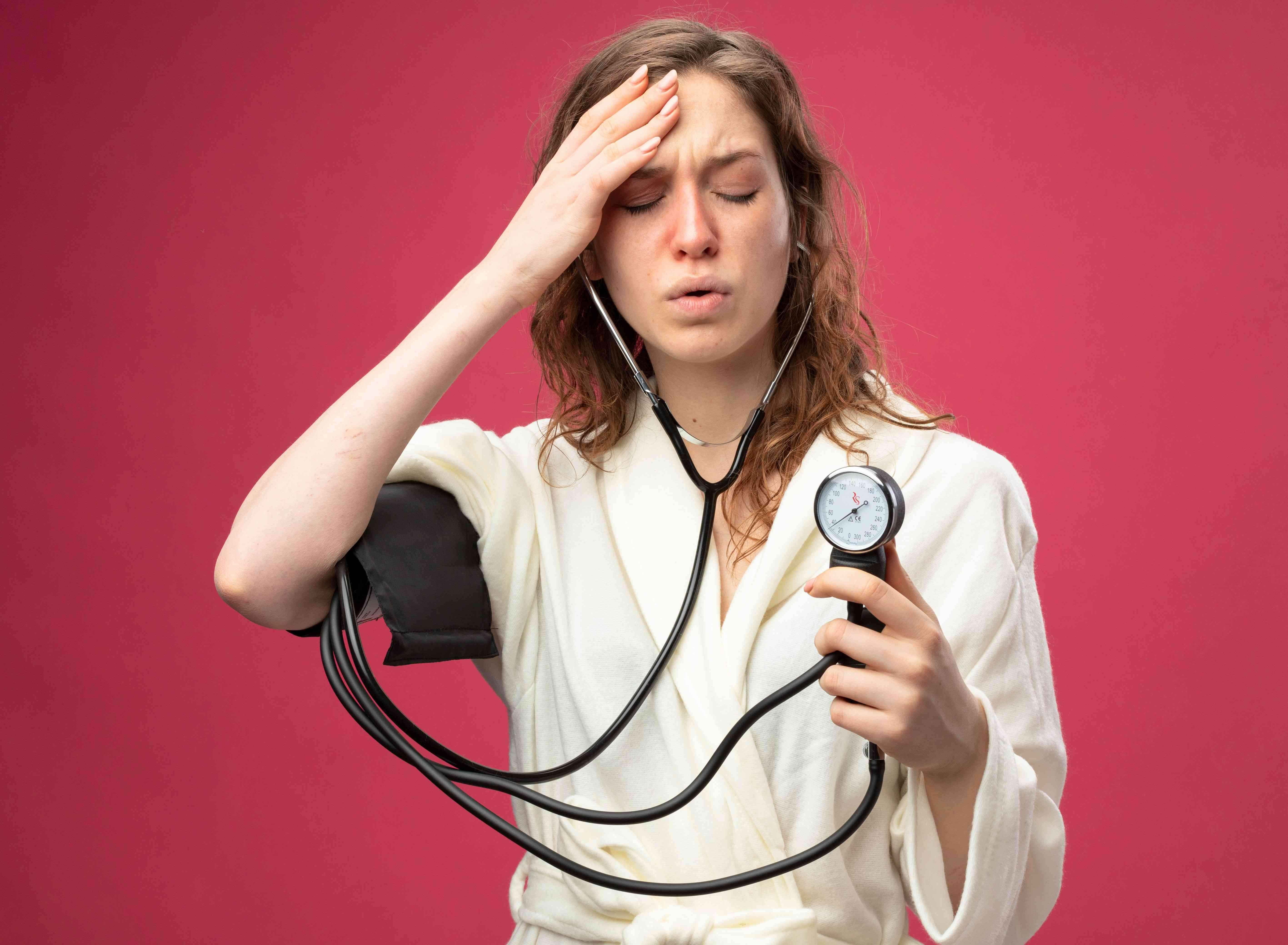
Understand hypertension causes, risks, and lifestyle changes to manage high blood pressure effectively.
5 Jun 2025
by Prakash Hospital
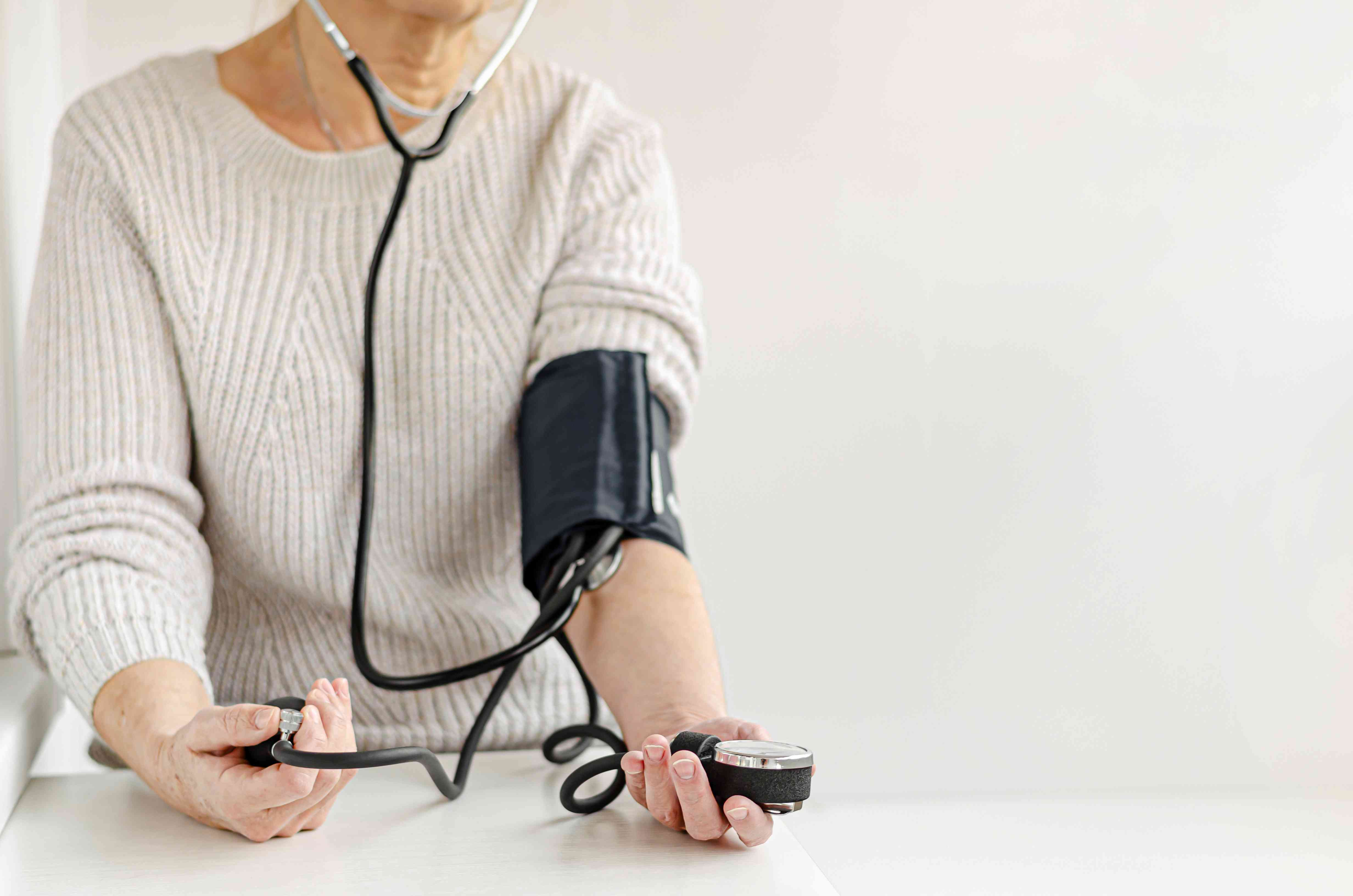
How to lower blood pressure naturally through diet, exercise, sleep and stress management. Evidence-based guide for Indians. Prakash Hospital Noida.
18 Aug 2026
by Prakash Hospital

How to improve egg quality for fertility — diet, supplements, and lifestyle changes backed by evidence. Prakash Hospital Noida.
23 Sept 2026
by Prakash Hospital

How to know when you are ovulating — signs, symptoms, and tracking methods. Useful guide for women trying to conceive. Prakash Hospital Noida.
24 Sept 2026
by Prakash Hospital

Indian pregnancy diet plan, foods to eat in each trimester, key nutrients, and what to avoid. Visit Prakash Hospital Noida for maternity care.
10 Jul 2026
by Prakash Hospital
Monsoon brings dengue, malaria, viral fever, and gut infections. Here's how to strengthen your immunity before and during the season. Prakash Hospital Noida.
18 Aug 2026
by Prakash Hospital
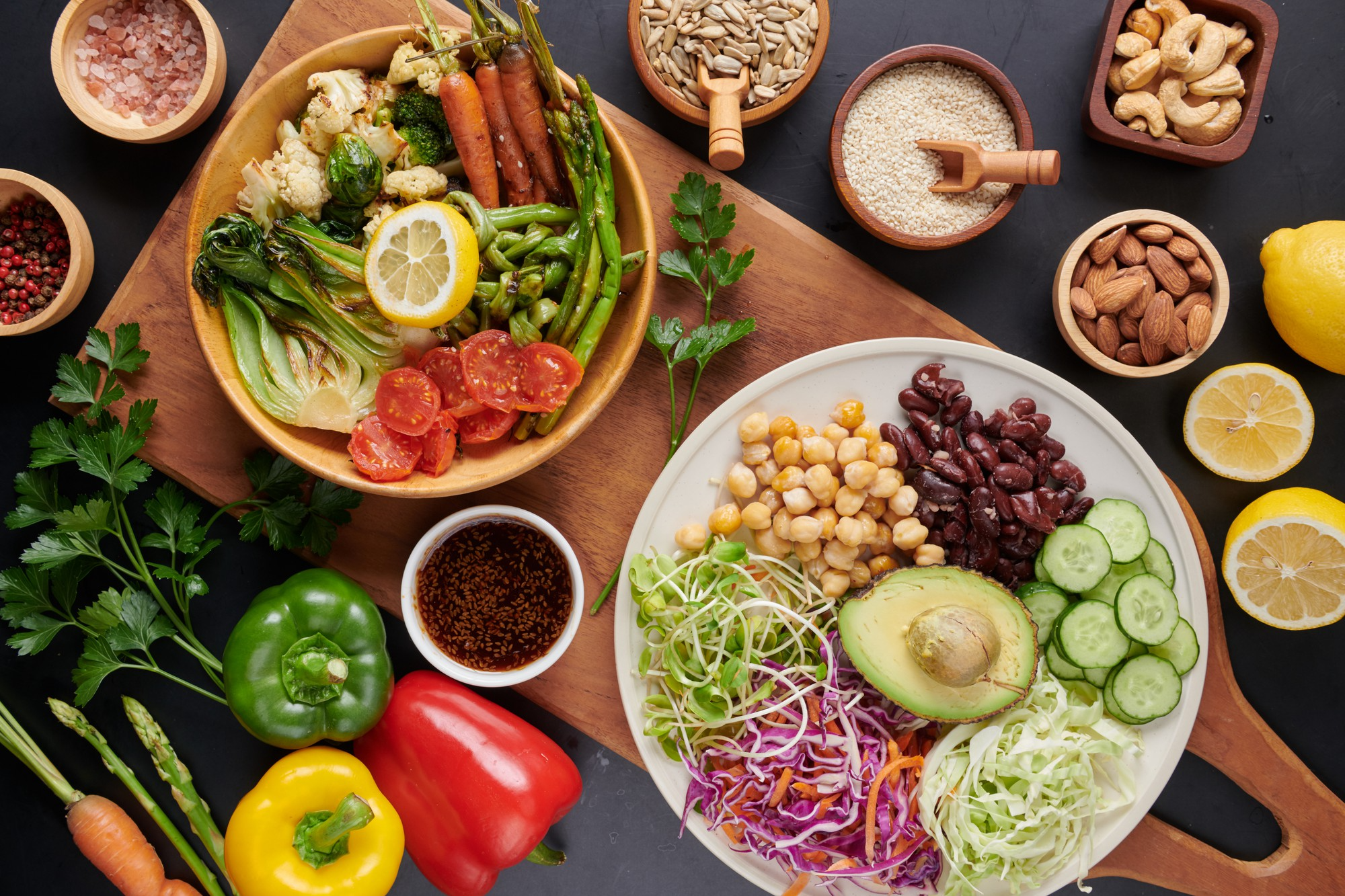
The best immunity boosting foods for Indians — from amla and turmeric to dal and garlic. Science-backed guide from Prakash Hospital Noida.
18 Aug 2026
by Prakash Hospital

Science-backed ways to strengthen your immune system naturally through diet, sleep, exercise, and lifestyle. Prakash Hospital Noida.
30 Jul 2026
by Prakash Hospital


Book a consultation with Prakash Hospital's specialists — 24/7 emergency care, 100+ doctors, NABH accredited.
View All Departments