



Peptic Ulcer Symptoms: Signs Your Stomach Lining Is Damaged
Peptic ulcer symptoms — how to recognise them, what causes ulcers, and effective treatment. Prakash Hospital Noida.
16 Sept 2026
by Prakash Hospital
by Prakash Hospital

Mouth Ulcer Home Remedies That Actually Work
Open the kitchen cupboard during a mouth ulcer flare-up, and most Indian households have what they need. Salt, honey, turmeric, coconut oil, cloves, ghee. These are the same remedies our grandparents used, and the surprising thing is that most of them have real evidence behind them.
This is a focused guide to the home remedies that work, how to use them properly, what to skip, and how to know when you need more than a kitchen fix.
A mouth ulcer is a small wound. It will heal by itself in one to two weeks. Home remedies cannot really speed up biology much, but they can:
Knowing what these remedies can and cannot do helps you set realistic expectations.
This is the oldest, simplest, and one of the most effective home treatments.
Mix half a teaspoon of salt in a glass of warm (not hot) water. Stir until dissolved. Take a mouthful, swish it around for about 30 seconds focusing on the ulcer, then spit out. Do not swallow. Repeat three or four times a day, especially after meals.
It hurts for a few seconds when the salt hits the ulcer, then settles. The rinse cleans the area, draws fluid out of the inflamed tissue, and creates conditions where bacteria struggle to multiply. It is unglamorous and it works.
Baking soda neutralises acidity in the mouth and reduces inflammation. Half a teaspoon of baking soda in a glass of warm water. Use the same way as the saltwater rinse, three to four times a day.
A thicker paste of baking soda and a few drops of water can be applied directly to the ulcer for a minute, then rinsed off. It stings briefly but provides good relief.
Honey is antimicrobial, anti-inflammatory, and forms a soothing layer over the ulcer that protects it while eating.
Use raw honey if possible. Manuka honey has the strongest evidence in research, but ordinary good-quality honey works too. Dab a small amount directly on the ulcer with a clean finger or a cotton bud. Leave it on as long as possible. Reapply two or three times a day.
Do not give honey to children under one year (botulism risk).
Turmeric paste is a traditional Indian remedy with anti-inflammatory and antimicrobial action.
Mix half a teaspoon of turmeric powder with a few drops of water to make a thick paste. Apply directly to the ulcer with a clean finger or cotton bud. Leave for a few minutes, then rinse the mouth.
Turmeric stains badly, so be careful. It can also taste strong. The relief is usually noticeable within minutes.
Some people prefer turmeric mixed with honey, which combines both effects.
Coconut oil has antimicrobial and anti-inflammatory properties. Oil pulling (swishing oil in the mouth) is a traditional practice that helps in mouth ulcers.
Take one to two teaspoons of cold-pressed coconut oil. Swish around the mouth for five to ten minutes. Spit out (do not swallow). Rinse the mouth with warm water.

A fresh coconut and a spoonful of coconut oil being presented as a natural treatment to alleviate intimate irritation and balance.
The first time can feel strange. Most people get used to it. Doing this once a day during an ulcer flare-up provides good relief.
Ice numbs the area and reduces swelling. Wrap an ice cube in a clean cloth or handkerchief and hold it against the ulcer for one to two minutes. Repeat as often as needed.
For a tongue ulcer, sucking on an ice cube or ice chip works well.
This is the fastest pain relief available at home and useful before meals.
The tannins in black tea reduce inflammation and have mild antibacterial action.
Brew a strong cup of black tea. Let the used tea bag cool completely. Place it directly on the ulcer for a few minutes. Or, use the cooled tea as a mouth rinse.
Effective and easy. The slight astringent feel is normal.
Chamomile has gentle anti-inflammatory and antiseptic properties. The taste is mild and pleasant.
Brew a cup of chamomile tea and let it cool. Use it as a mouth rinse, or apply a wet, cooled tea bag directly to the ulcer.
Less harsh than salt or baking soda, useful for very tender ulcers.
Clove oil contains eugenol, a natural anaesthetic that dentists have used for centuries.
Soak a small piece of cotton in a drop or two of clove oil. Hold it against the ulcer for a minute. The numbing effect kicks in within seconds.
The taste is strong. Do not use large amounts. Not for children or during pregnancy without medical advice.
A traditional Indian remedy: apply pure ghee directly to the ulcer at bedtime. It coats the sore and reduces pain during the night.
Coconut oil used the same way works similarly.
Aloe vera has anti-inflammatory and antimicrobial properties. Use food-grade pure aloe vera gel, not products meant for skin or hair (which may contain alcohol or fragrance).
Apply a small amount to the ulcer with a clean finger. Leave on for a few minutes, then either spit out or rinse.

Aloe vera gel used as a home remedy.
Break open a vitamin E capsule and apply the oil to the ulcer. Vitamin E supports skin healing and reduces local inflammation. Use two or three times a day.
Eating mashed banana with curd is gentle, cool, and probiotic. The lining of the ulcer is soothed rather than irritated.
This is more about meals you can actually eat during an ulcer flare-up rather than a topical treatment.
Sometimes ulcers point to a nutritional gap. Foods that support healing include:
If you get ulcers frequently, get blood tests done for iron, vitamin B12, and folate. Deficiencies in these are common in people with recurrent ulcers and easy to fix.
Skip these temporarily:
Eat on the side opposite to the ulcer when possible.
Some traditional or internet-popular remedies are not great:
Lemon juice directly on the ulcer. It burns badly and slows healing for most people.
Alcohol-based mouthwashes during a flare-up. They sting and dry the mouth out.
Very hot tea or coffee swished around. Heat irritates the ulcer.
Hard brushing of the area. Brush gently, use a soft-bristled brush, avoid the ulcer.
Crushed aspirin held on the ulcer. This was once popular but can damage the surrounding tissue.
Using the same cotton bud or finger repeatedly. Use a fresh one for each application to avoid contamination.
When you feel the tingling that warns an ulcer is coming, or when one has already formed:
Morning: rinse with saltwater after brushing. Apply honey or turmeric to the ulcer.
After breakfast: rinse with saltwater again.
Mid-day: oil pulling with coconut oil if convenient, or another saltwater rinse.
Before meals: apply ice for a minute or two to numb the area, especially before something you know will sting.
After lunch and dinner: saltwater rinse.
Before bed: apply ghee, honey, or coconut oil to the ulcer. Leave on overnight.
Throughout: avoid trigger foods, drink plenty of water, brush gently, get enough sleep.
This routine, kept up for a week, takes most ulcers through the worst of the pain and toward healing.
Home remedies are fine for ordinary minor ulcers. See a doctor if:
The ulcer has not healed in three weeks. Ulcers are unusually large or particularly painful. You keep getting ulcers, several at a time or back-to-back. There is fever, swollen lymph nodes, or feeling unwell. There is unexplained weight loss or fatigue. Ulcers are on the tongue or floor of the mouth and have not gone away. There are sores elsewhere on the body. You are on chemotherapy or have a weak immune system.
A doctor can prescribe stronger treatments including steroid gels, antiseptic mouthwashes, and medications for specific underlying conditions. A blood test can identify nutritional deficiencies that are driving recurrence.
At Prakash Hospital Noida, our physicians and dental specialists evaluate recurrent or persistent mouth ulcers, run tests for nutritional deficiencies and underlying causes, and provide prescription treatments when home remedies are not enough.
Whether you live in Sector 18, Sector 62, Greater Noida West, or anywhere nearby, Prakash Hospital Noida is a trusted name for medical consultation in the region.
To book a consultation, call the number.
For most mouth ulcers, simple kitchen remedies handle the pain and let the ulcer heal on its own time. Saltwater rinses, honey, turmeric, coconut oil, ice, and avoiding trigger foods cover most of what you need.
If ulcers keep coming back, get checked for nutritional deficiencies. If a single ulcer is not healing after three weeks, see a doctor. Otherwise, ride it out with the basics.

This article covers gastroenterology concerns. These Prakash Hospital doctors in Noida treat them.

Dr. Syed Uzair Yawar
Consultant Gastroenterologist
Gastroenterologist · Hepatologist · Therapeutic Endoscopist

Dr. Rohit Singh
Consultant GI/HPB surgery
GI/HPB Surgery · Liver Transplant · Gastrointestinal Surgery
A camera test of the food pipe, stomach and duodenum for acidity, ulcers, bleeding and swallowing problems.
A swallowed pill camera that photographs the small intestine to find hidden bleeding or Crohn's disease.
A camera test of the large bowel that investigates bleeding or bowel changes and removes polyps early.
Free tools to check your weight, plan a pregnancy, track calories and more.
We offer expert care across key specialties, including Medicine, Cardiology, Orthopaedics, ENT, Gynaecology, and more—delivering trusted treatment under one roof.
Peptic ulcer symptoms — how to recognise them, what causes ulcers, and effective treatment. Prakash Hospital Noida.
16 Sept 2026
by Prakash Hospital
Get expert diagnosis and treatment for stomach, mouth, skin, and eye ulcers at Prakash Hospital, Noida. Consult top gastroenterologists and specialists today!
15 Oct 2025
by Prakash Hospital

Mouth ulcers are painful, common, and usually heal on their own. Know the causes, treatments, and when to see a doctor. Prakash Hospital Noida.
29 Jun 2026
by Prakash Hospital

Learn about intestinal pain, its causes, warning signs, associated symptoms, and when to seek medical attention.
13 Feb 2026
by Prakash Hospital

IBS symptoms, causes, triggers, and management. What is irritable bowel syndrome and how to live with it. Prakash Hospital Noida.
15 Sept 2026
by Prakash Hospital

Why you feel bloated after eating — common Indian food triggers, medical causes, and what helps. Prakash Hospital Noida.
16 Sept 2026
by Prakash Hospital
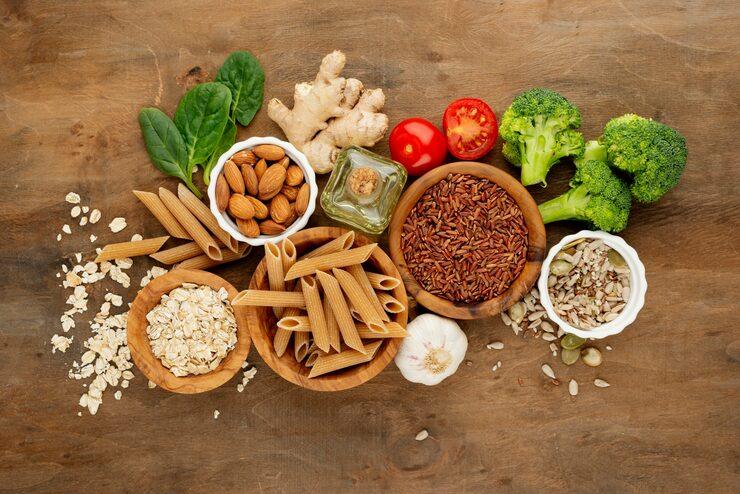
Learn the importance of dietary fiber for digestion, heart health, and immunity with expert-backed insights from Prakash Hospital, Noida.
15 Sept 2025
by Prakash Hospital

Discover early signs your liver may not be functioning properly, including fatigue, jaundice and digestive issues, expert liver care in Noida.
24 Mar 2026
by Prakash Hospital

Hepatomegaly or enlarged liver — understand the causes, symptoms, and treatment options. Visit Prakash Hospital Noida for liver evaluation and care.
7 Jul 2026
by Prakash Hospital


Book a consultation with Prakash Hospital's specialists — 24/7 emergency care, 100+ doctors, NABH accredited.
View All Departments