


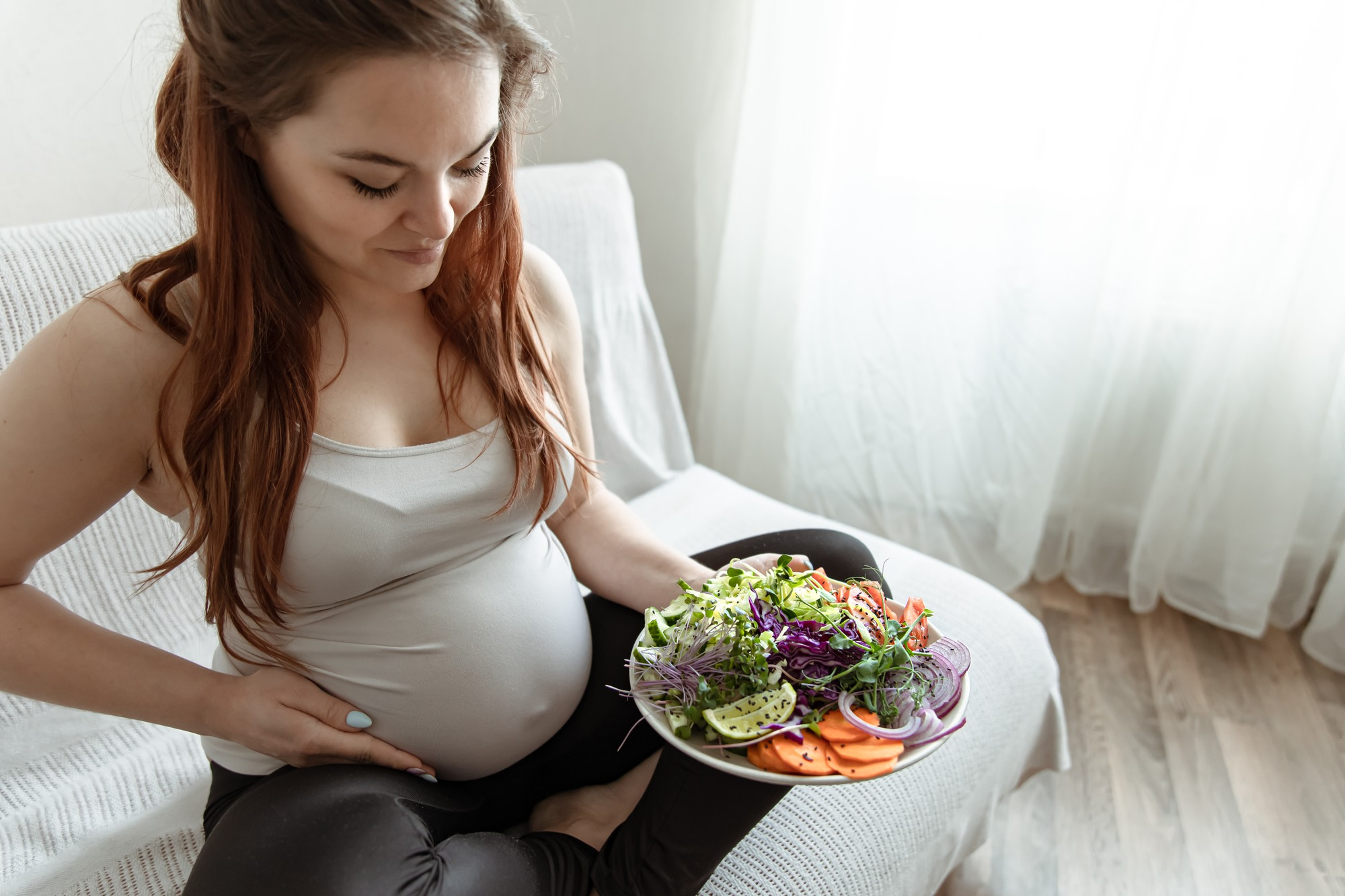
Nutrition During Pregnancy: Best Foods to Eat & Avoid for a Healthy Baby
Learn what to eat and avoid during pregnancy with expert-approved nutrition tips for a healthy mother and baby.
25 Nov 2025
by Prakash Hospital
by Prakash Hospital
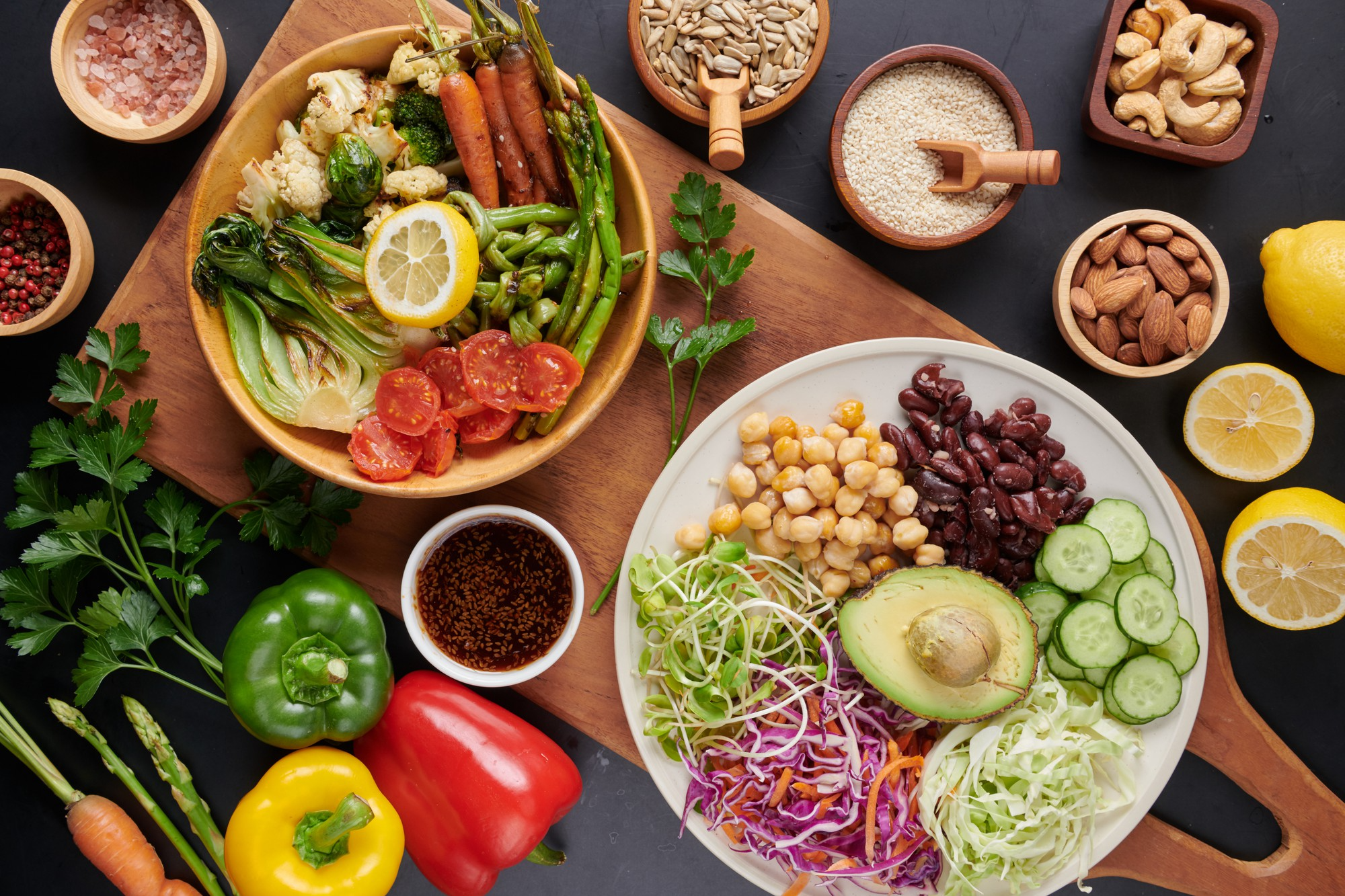
Protein-Rich Vegetarian Foods: The Complete Indian Guide.
One of the most persistent myths in nutrition is that vegetarians cannot get enough protein. The truth is that India has a remarkable tradition of protein-rich vegetarian foods — dals, paneer, soybeans, chickpeas, sprouts, dairy, nuts, and many others. Most vegetarian Indians who plan their meals thoughtfully can meet their protein needs without supplements or animal products.
The problem is that many vegetarian Indians do not plan their meals around protein. The typical pattern — heavy on grains, light on dals and dairy, minimal vegetables — leads to inadequate protein intake even when total calories are sufficient. The result is poor muscle health, slow recovery from exercise, weak nails, hair fall, and ongoing fatigue.
This article walks through the best vegetarian protein sources in India, how much protein they actually contain, how to combine them for complete amino acid profiles, and how to fit them practically into daily meals.
Daily requirements vary by age, sex, activity level, and goals.
Average sedentary adults — about 0.8 to 1.0 grams per kilogram of body weight. A 60 kg person needs 50 to 60 grams of protein daily.
Physically active adults — 1.2 to 1.6 grams per kilogram. The same person might need 70 to 100 grams.
Athletes and bodybuilders — 1.6 to 2.2 grams per kilogram. Sometimes higher.
Pregnant women — additional 15 to 25 grams above baseline.
Older adults — slightly higher than sedentary average, to preserve muscle.
Children and adolescents — higher per kg because of growth.
Most Indian vegetarians fall short of even the basic 50 to 60 grams. The fix is straightforward — include a protein source at every meal.
The foundation of Indian protein intake.
Toor dal (arhar) — about 22 grams of protein per 100 grams of dry dal.
Moong dal — about 24 grams per 100 grams dry. Easy to digest. Available split or whole.
Masoor dal — about 25 grams per 100 grams dry.
Urad dal — about 25 grams per 100 grams dry. Used in idli, dosa, vada.
Chana dal — about 25 grams per 100 grams dry.
Practical serving: A bowl of cooked dal provides 12 to 15 grams of protein. Two bowls of dal per day is a meaningful contribution.
Tip: Vary the dal across the week. Combining different dals improves the amino acid profile.
Both kabuli chana (white) and kala chana (black) are excellent sources.
Protein content: About 19 grams per 100 grams of dry chickpeas. A cooked bowl provides 15 grams.
Practical use: Chana masala, chana chaat, hummus, sprouted chana, roasted chana as a snack.
Note on sattu (roasted gram flour): A traditional north Indian protein source. Sattu drink with water, lemon, and a pinch of salt provides easy protein. About 20 grams of protein per 100 grams of sattu.
A staple in many parts of north India.
Protein content: About 24 grams per 100 grams of dry rajma. A cooked bowl provides 15 grams.
Practical use: Rajma chawal, rajma salad, rajma curry.
Lobia (black-eyed peas) — 24 grams per 100 grams.
Soybeans (whole) — 36 grams per 100 grams. The highest-protein legume.
Moth beans (matki) — 24 grams per 100 grams.
Lima beans, navy beans — 20 to 25 grams per 100 grams.
The single highest-protein vegetarian food widely available in India.
Protein content: About 50 to 52 grams per 100 grams of dry soya chunks.
A small bowl of cooked soya chunks (about 30 grams dry) provides 15 grams of protein.
Practical use: Soya chunk curry, soya pulao, soya bhurji (similar to paneer bhurji), soya tikka.
Tip: Soak in hot water for 10 minutes, squeeze out the water, then cook to remove the slightly off smell some people dislike.
The vegetarian protein powerhouse.
Protein content: 18 to 20 grams per 100 grams of regular paneer. Low-fat paneer has slightly higher protein (around 25 grams per 100 grams).
Practical use: Paneer bhurji, paneer tikka, palak paneer, matar paneer, raw paneer cubes as a snack.
Tip: Choose low-fat paneer for weight loss goals. Full-fat paneer is fine in moderation for general health.
Plant-based alternative to paneer, increasingly available.
Protein content: About 8 to 12 grams per 100 grams (firm tofu).
Practical use: Tofu bhurji, tofu stir-fry, tofu in curries.
Tip: Firm tofu provides more protein than soft varieties. Press to remove water before cooking for better texture.
Plant milk with significant protein.
Protein content: 7 to 8 grams per glass.
Practical use: As a milk substitute, in smoothies, with breakfast cereals.
Milk — about 8 grams per glass.
Curd/yogurt — about 8 grams per cup.
Hung curd (Greek-style) — about 17 grams per cup, much higher concentration.
Cheese — about 25 grams per 100 grams.
Buttermilk (chaas) — 3 to 4 grams per glass.
Practical use: A glass of milk at breakfast, curd at lunch, buttermilk after meals.
Among the most complete and bioavailable proteins.
Protein content: 6 to 7 grams per egg.
Practical use: Boiled, scrambled, omelette, in curries.
Moderate protein with healthy fats.
Almonds — 21 grams of protein per 100 grams.
Peanuts — 26 grams per 100 grams. Most affordable nut protein source in India.
Cashews — 18 grams per 100 grams.
Walnuts — 15 grams per 100 grams.
Pumpkin seeds — 19 grams per 100 grams.
Sunflower seeds — 21 grams per 100 grams.
Sesame seeds (til) — 18 grams per 100 grams.
Chia seeds — 17 grams per 100 grams. Plus omega-3.
Hemp seeds — 31 grams per 100 grams. Complete protein.
Practical use: Handful as snacks, in smoothies, on yogurt, in salads.
Note: Nuts are calorie-dense. Moderate portions for those watching weight.
Some protein, varied amino acids.
Quinoa — 14 grams per 100 grams of dry quinoa. Complete protein.
Oats — 13 grams per 100 grams of dry oats.
Bajra (pearl millet) — 11 grams per 100 grams.
Ragi (finger millet) — 7 grams per 100 grams.
Whole wheat — 12 grams per 100 grams.
Brown rice — 7 grams per 100 grams.
Practical use: Mixed-grain rotis, quinoa pulao, oats porridge, ragi balls or rotis.
Sprouting increases the protein quality and bioavailability of legumes.
Sprouted moong — about 24 grams per 100 grams dry, more bioavailable when sprouted.
Sprouted chana — similar.
Practical use: Sprouted salad with lemon, tomato, and chopped onion. Added to chaats and chillas.
Lotus seeds (makhana) — 9 grams per 100 grams. Low-calorie snack.
Pumpkin — moderate protein content for a vegetable.
Green peas — 5 grams per 100 grams.
Spinach and other leafy greens — small amounts but useful.
Mushrooms — 3 to 4 grams per 100 grams.
Whey protein powder — vegetarian-compatible (made from milk). 20 to 25 grams per scoop. Useful for hitting higher targets.
Some vegetarian foods provide "complete" protein with all essential amino acids — soy products, quinoa, dairy, eggs, hemp seeds, buckwheat.
Most plant-based proteins are technically "incomplete" — they lack one or more essential amino acids. But this is rarely a problem in practice. Eating a variety of plant proteins across the day provides all amino acids.
Classic complete combinations:
These combinations have evolved naturally in Indian cuisine. Eating them gives the body all the building blocks it needs.
The principle is simple — include a protein source at every meal.
Breakfast (target: 15 to 20 grams of protein):
Mid-morning snack (5 to 10 grams):
Lunch (20 to 25 grams):
Afternoon snack (5 to 10 grams):
Dinner (20 grams):
This kind of structure consistently delivers 80 to 100 grams of protein per day for a vegetarian, which covers most adults' needs comfortably.
Dal palak — toor or moong dal with spinach. Protein plus iron and folate.
Chana masala — pantry-friendly, satisfying, high protein.
Paneer bhurji — quick to make, 20 grams of protein per serving.
Soya keema — minced soya cooked like keema. Very high protein.
Sprouts chaat — quick high-protein snack.
Sattu drink — quick protein on the go.
Besan chilla — easy breakfast with 10 grams of protein per piece.
Hummus with vegetables — Mediterranean snack adapted easily to Indian context.
Khichdi with peanuts — comfort food with substantial protein.
Some "vegetarian protein" options are not as useful as they seem.
Vegetarian biryani without paneer or soya is mostly rice with little protein.
Plain dal with white rice in small amounts does not provide enough protein. Increase the dal portion.
Vegetable cutlets are mostly potato and breadcrumbs. Limited protein.
Fruit-only meals are low in protein.
Sugary "protein bars" often have less protein and more sugar than the marketing suggests.
"Vegetarians cannot get enough protein." With planning, they can comfortably meet needs.
"Plant proteins are inferior." They are different but adequate when varied.
"You must combine proteins at each meal." Combining across the day is sufficient.
"More protein is always better." Excess gets converted to calories or stresses the kidneys in some conditions.
"Whey protein is non-vegetarian." Whey is from milk and is vegetarian.
"Bodybuilders cannot succeed on vegetarian diets." Many do, including elite athletes.
"Protein only matters for the gym." Protein matters for everyone — muscle preservation, immune function, recovery, hair, nails, hormones.
Higher protein at every meal supports satiety and muscle preservation. Choose lower-fat options — low-fat paneer, hung curd, soya chunks, sprouts, eggs (if eaten).

Weight loss and fat reduction by intermittent fasting.
Higher overall protein intake — 1.4 to 2.0 grams per kg. Strategic timing around workouts. Include more paneer, soya, eggs, and dairy. Consider whey protein supplementation.
Focus on low-glycaemic protein sources like sprouts, paneer, tofu, eggs. Combine with vegetables. Limit carbohydrate-heavy "protein" preparations.
Additional 15 to 25 grams above baseline. Smaller frequent meals. Include dairy, dals, paneer, and eggs (if eaten) consistently.
Maintaining muscle is the priority. 1.0 to 1.2 grams per kg, spread across meals. Easily digestible options like dal, curd, paneer, sprouts.
A consultation makes sense when you have specific goals (muscle building, weight loss, recovery from illness), when blood tests show issues, when you have medical conditions affecting protein needs, or when previous attempts to increase protein have not worked.
A dietician can build a personalised plan that fits your taste, schedule, and goals.
Working vegetarians in Noida often eat protein-light meals — toast at breakfast, rice and dal at lunch, parathas at dinner. The pattern looks reasonable but typically provides only 40 to 50 grams of protein when 60 to 80 is needed.
Practical adaptations include adding paneer or soya to lunch, including eggs (for lacto-ovo) at breakfast, packing sprouts as office snacks, drinking buttermilk after meals, and keeping nuts at the desk.
At Prakash Hospital, Noida, experienced doctors and dieticians offer personalised nutrition planning including protein assessment, body composition analysis, and individualised meal planning. The approach accommodates your food preferences, lifestyle, and any medical conditions.
Whether you are in Sector 18, Sector 62, Greater Noida West, or anywhere nearby, Prakash Hospital Noida is a trusted name for nutrition consultation.
To book a consultation, call the number.
Vegetarian Indians have access to a remarkable range of protein-rich foods — dals, chickpeas, rajma, soya products, paneer, tofu, dairy, nuts, seeds, sprouts, eggs (for lacto-ovo), and many others. The myth of "vegetarian protein deficiency" stems from poor planning, not from any genuine limitation of vegetarian food.
The fix is simple — include a protein source at every meal. Eat dal at lunch and dinner. Add paneer, soya chunks, or eggs to one meal daily. Include nuts and seeds as snacks. Drink milk or buttermilk regularly. Combine grains with legumes for complete amino acid profiles.
A well-planned vegetarian Indian diet provides 80 to 100 grams of protein daily without much effort. The benefits show up in better energy, faster recovery, stronger muscles, better hair and nails, and improved overall health.
Start with one or two changes. Make sure breakfast includes protein. Add dal at every main meal. Keep nuts handy. Drink buttermilk daily. Over weeks, these small habits transform protein intake substantially.
You do not need supplements, fancy products, or animal foods to meet your protein needs as a vegetarian. You need the foods Indian kitchens have always known about — combined intentionally and eaten consistently.

Hearing tests, scans and counselling to decide whether a cochlear implant can help where hearing aids no longer do.
Laser light damages hair roots to reduce unwanted hair over 6 to 8 sessions, with settings matched to your skin.
Records the brain's electrical activity through scalp electrodes to help diagnose epilepsy and seizures.
Free tools to check your weight, plan a pregnancy, track calories and more.
We offer expert care across key specialties, including Medicine, Cardiology, Orthopaedics, ENT, Gynaecology, and more—delivering trusted treatment under one roof.
Learn what to eat and avoid during pregnancy with expert-approved nutrition tips for a healthy mother and baby.
25 Nov 2025
by Prakash Hospital
Support fracture recovery with essential nutrients like calcium, vitamin D, and protein for faster bone healing.
19 Nov 2025
by Prakash Hospital
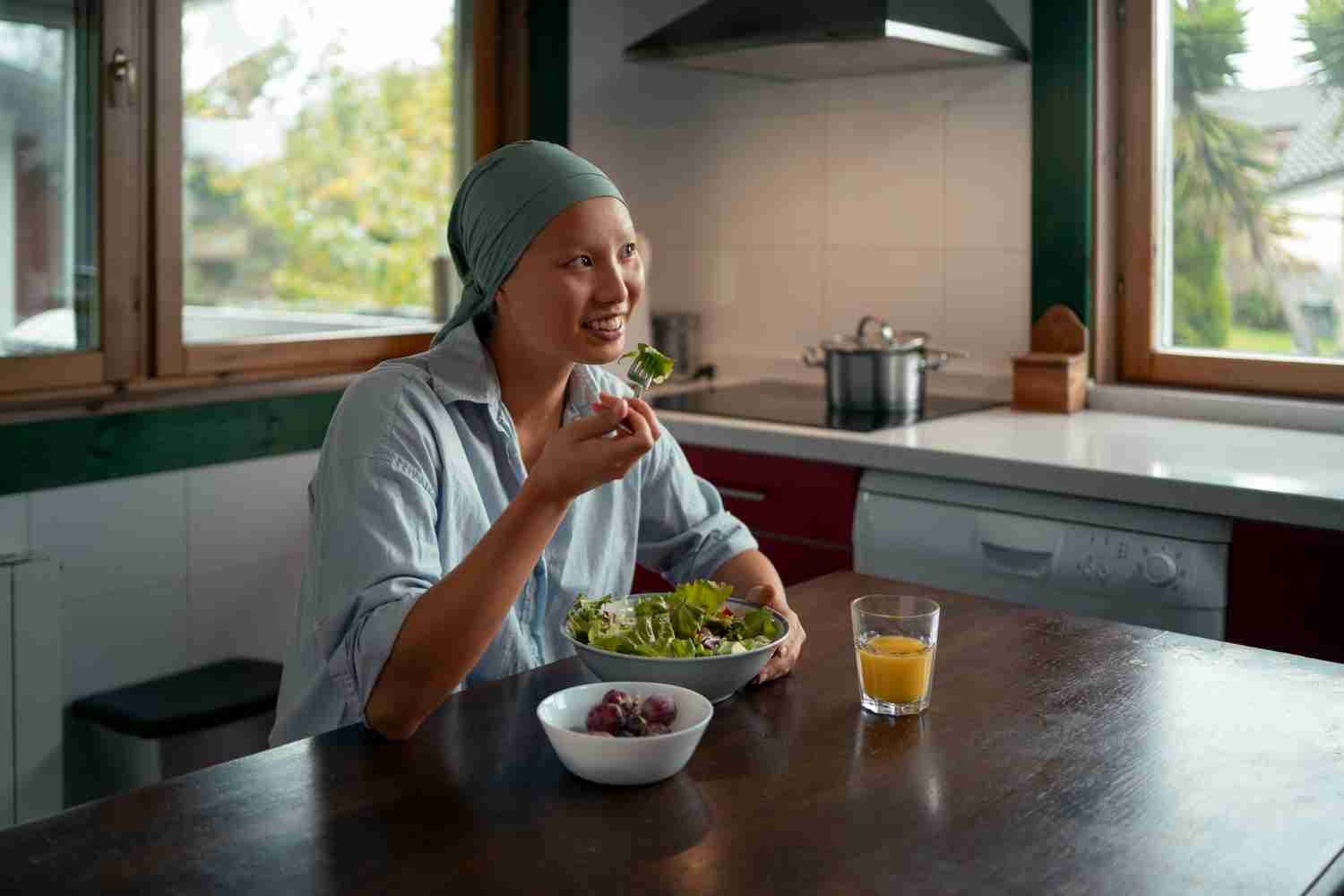
Discover expert-backed nutrition tips for cancer patients. Learn how to manage treatment side effects, stay hydrated, and eat for strength and recovery.
27 May 2025
by Prakash Hospital

Discover effective home remedies for dry and wet cough. Know when to seek medical care and get expert respiratory treatment at Prakash Hospital.
5 Feb 2026
by Prakash Hospital

ब्लड क्लॉट (खून का थक्का) क्या है, क्यों बनता है, इसके लक्षण क्या हैं और यह कितना खतरनाक हो सकता है, पूरी जानकारी आसान हिंदी में।
27 Apr 2026
by Prakash Hospital

COPD क्या है, इसके शुरुआती लक्षण क्या हैं और इसका इलाज कैसे होता है? जानिए क्रॉनिक ऑब्सट्रक्टिव पल्मोनरी डिजीज के बारे में पूरी जानकारी।
11 Mar 2026
by Prakash Hospital

Best fruits to gain weight — bananas, mangoes, avocados, dates, and more calorie-dense fruit options. Visit Prakash Hospital Noida for nutrition consultation.
9 Jul 2026
by Prakash Hospital

Iron-rich foods — the best sources to boost hemoglobin, prevent anaemia, and stay energetic. Visit Prakash Hospital Noida for blood tests and nutrition care.
29 Jun 2026
by Prakash Hospital
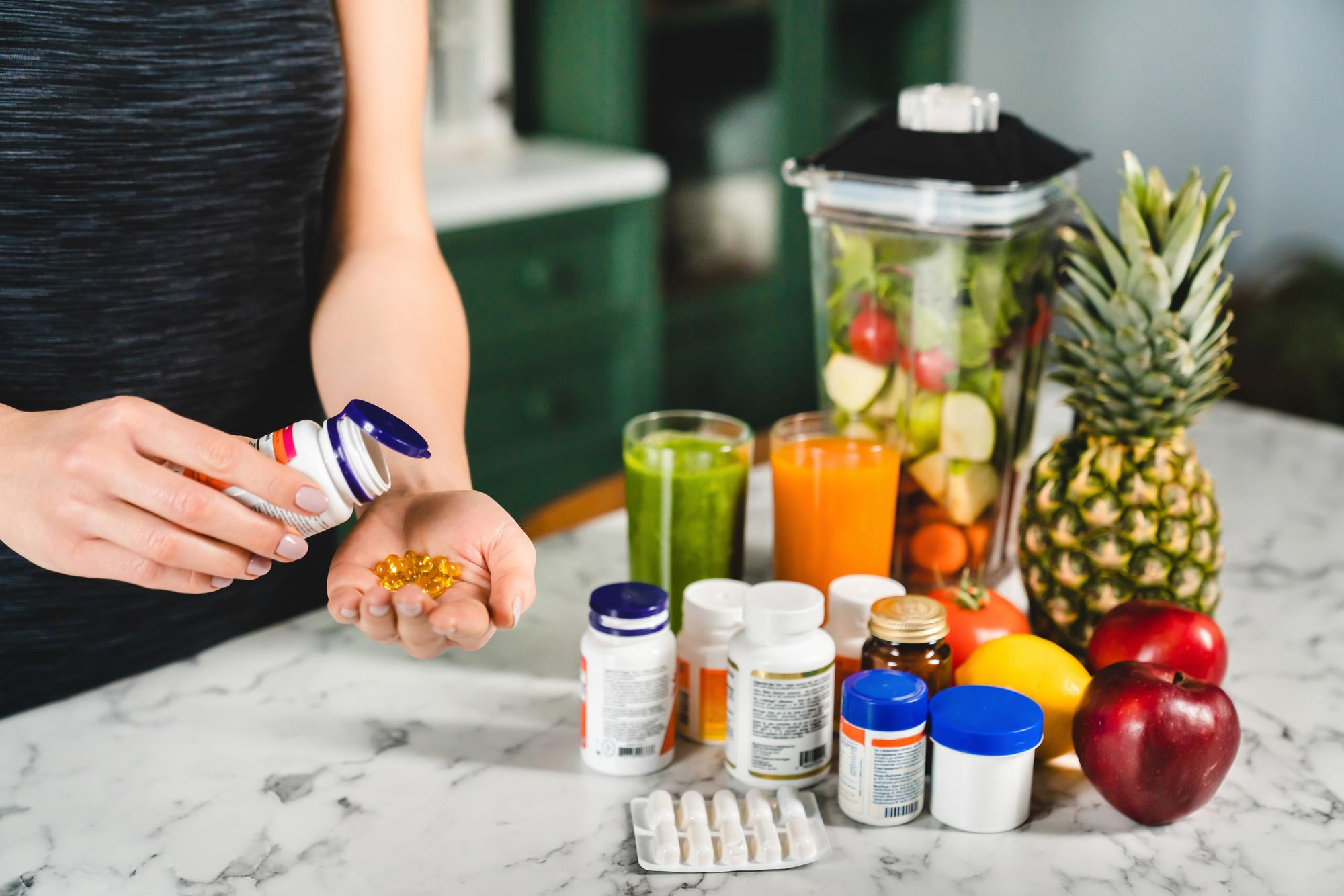
Vitamin D3 foods — understand the difference between D2 and D3, top sources, and how to meet your needs. Visit Prakash Hospital Noida for nutrition consultation.
24 Jun 2026
by Prakash Hospital


Book a consultation with Prakash Hospital's specialists — 24/7 emergency care, 100+ doctors, NABH accredited.
View All Departments