A person holds their stomach area, indicating discomfort or pain that may be related to liver issues.
Among various organs present in the human body, probably one of the most indispensable organs we possess is our livers. In addition to detoxifying foreign or harmful substances, producing bile for the digestion of fats, storing nutrients, and regulating metabolism, it is estimated that there are as many as 500 or more essential functions performed by our liver.
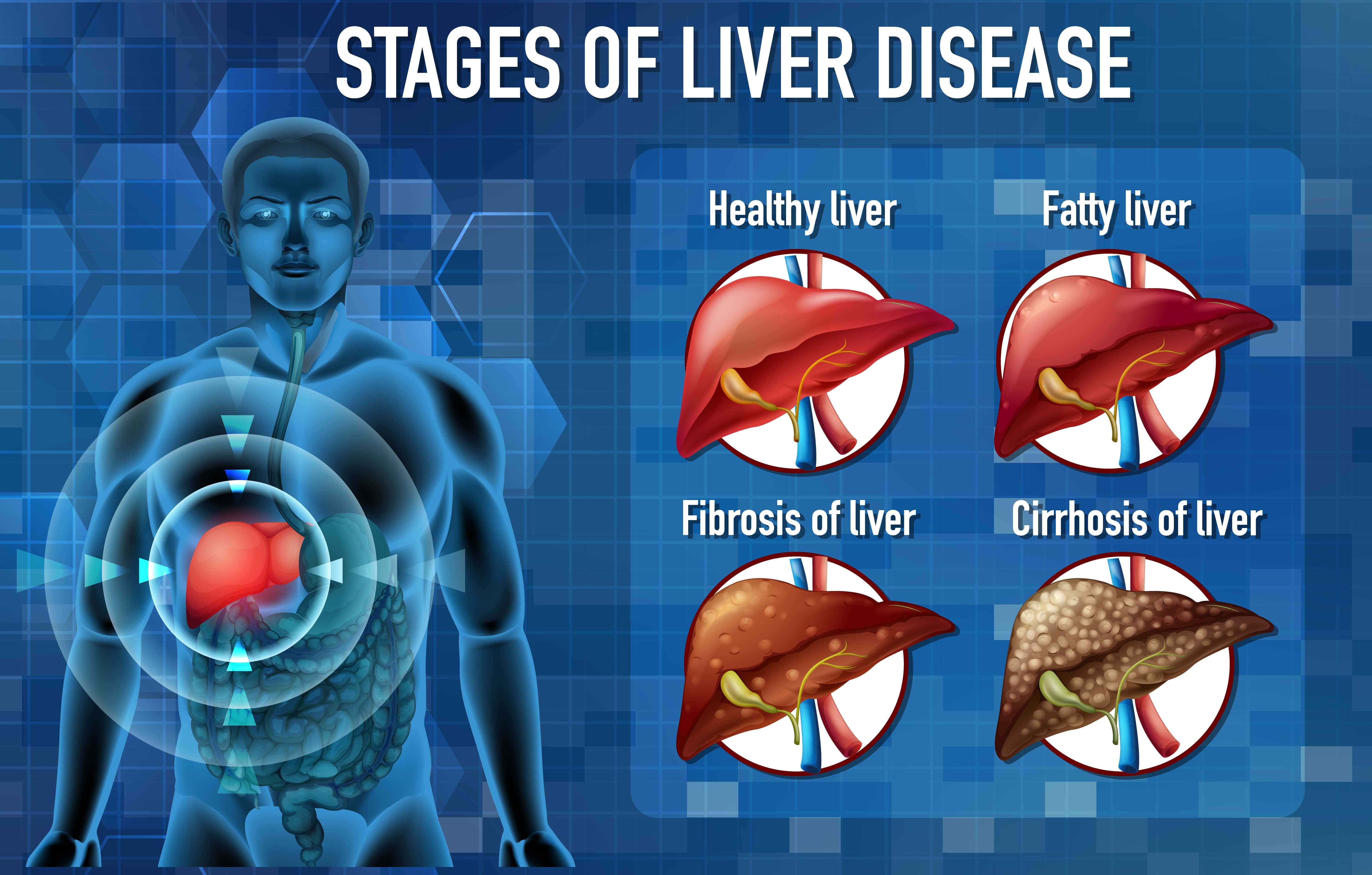
The liver has an extraordinary ability to recover from injury and disease. Unfortunately, this means that problems developing within our livers in their early stages often go undetected. Symptoms experienced by people with early liver disease are usually very mild and can sometimes be mistaken for common issues such as fatigue, indigestion, etc. If, however, the signs and symptoms of liver disease are recognised early enough, serious complications like liver failure or cirrhosis can be avoided.
Knowing what to look for to determine whether your liver is not working properly may assist you in obtaining appropriate medical attention in a timely fashion and help preserve your long-term health.
As an integral part of maintaining a healthy body, the major functions of the liver include:
When the liver is functioning at lower than normal levels, multiple body systems can be adversely affected.
Liver disease often develops gradually. In the early stages, symptoms may be subtle.
Unexplained tiredness is one of the earliest signs of liver problems.
You may experience:
Fatigue occurs because the liver struggles to process toxins efficiently, leading to systemic inflammation and metabolic imbalance.
If your liver is not functioning properly, digestion may be affected.
Common symptoms include:
These symptoms occur due to impaired bile production and toxin buildup.
Liver-related discomfort typically occurs in the upper right side of the abdomen.
You may notice:
Swelling in the abdomen may indicate fluid accumulation, a condition known as ascites, seen in advanced liver disease.
The visible signs of liver disease become increasingly apparent as the liver continues to be non-functional.
Jaundice is one of the most known signs of liver disease. Jaundice is when bilirubin builds up in the bloodstream due to the liver's reduced ability to process bilirubin, causing:
Persistent itching without a rash may indicate liver disease as well. This is due to the accumulation of bile salts under your skin caused by impaired bile flow.
Swelling of the legs and ankles occurs when the liver cannot produce enough blood proteins, such as albumin, resulting in:
This condition is referred to as edema.
Liver disease patients will bruise easily and bleed due to the fact that the liver is no longer able to form clotting factors in order for blood to clot. As such, if the liver is not able to function properly, you will experience:
These symptoms may indicate that your liver function needs urgent attention.
The liver plays an important role in digestion and metabolism. Some symptoms you might experience include the following:
Some people, who are overweight, have type II diabetes, and/or have high cholesterol may have fatty liver disease.
In advanced cases of liver failure, accumulating toxins may affect the brain (known as hepatic encephalopathy), resulting in confusion, problems with memory, changes in personality, sleep disturbances, and difficulty with concentration. In severe cases, drowsiness and/or coma may occur.

A woman holds her head, showing signs of mental stress and discomfort.
There are many conditions that may cause dysfunction of the liver, including:
In metropolitan areas such as Noida, there is a growing incidence of lifestyle-induced liver disease, including non-alcoholic fatty liver disease, largely because of sedentary lifestyles and dietary choices.
You should be aware that you may be at an increased risk for liver disease if you:
Regular check-ups can detect liver disease changes before they become severe enough to produce symptoms.
If you have any of these 6 signs you should talk to your doctor immediately:
Blood work and imaging (scan) for early diagnosis will stop any serious liver disease from happening to you.
Your physician may recommend the following tests:
The sooner your liver is diagnosed, the sooner treatment can begin and changes to your lifestyle can occur.
There are ways to protect your liver by using simple preventive measures.

A person engages in regular exercise, promoting overall health and well-being.
Ignore your liver and you may eventually have:
If you are diagnosed and treated early, you can drastically reduce your risk of developing these diseases.
In early stages, conditions like fatty liver can often be reversed with lifestyle changes. Advanced damage such as cirrhosis may not be fully reversible.
No. Non-alcoholic fatty liver disease is increasingly common and is linked to obesity and metabolic disorders.
High-risk individuals should get liver function tests annually or as advised by their doctor.
Not always. Many liver conditions are painless in early stages.
Yes. Certain medications, if taken improperly or long term without monitoring, can affect liver function.
At our Noida Prakash Hospital, you will find experienced physicians and gastroenterology specialists that provide comprehensive evaluations and treatments for all types of liver disorders.
You should not hesitate to seek medical care if you suspect any early sign of liver dysfunction. Early diagnosis can help avoid serious complications and allow you to maintain good health over time.
For professional evaluation of your liver and a tailored treatment plan to help with your recovery and ultimately your overall health visit us at Prakash Hospital in Noida.
 Copy
CopyWe offer expert care across key specialties, including Medicine, Cardiology, Orthopaedics, ENT, Gynaecology, and more—delivering trusted treatment under one roof.


Book a consultation with Prakash Hospital's specialists — 24/7 emergency care, 100+ doctors, NABH accredited.

Prakash Hospital Pvt. Ltd. is a 100 bedded NABH NABL accredited multispecialty hospital along with a center of trauma and orthopedics. We are in the service of society since 2001.
OUR SPECIALITIES
Patient Services
PROCEDURES
Contact Us
D – 12A, 12B, Sector-33, G. B. Nagar, Noida, Uttar Pradesh 201301
+91-8826000033


© 2026 All rights reserved.
Designed and Developed by Zarle Infotech