


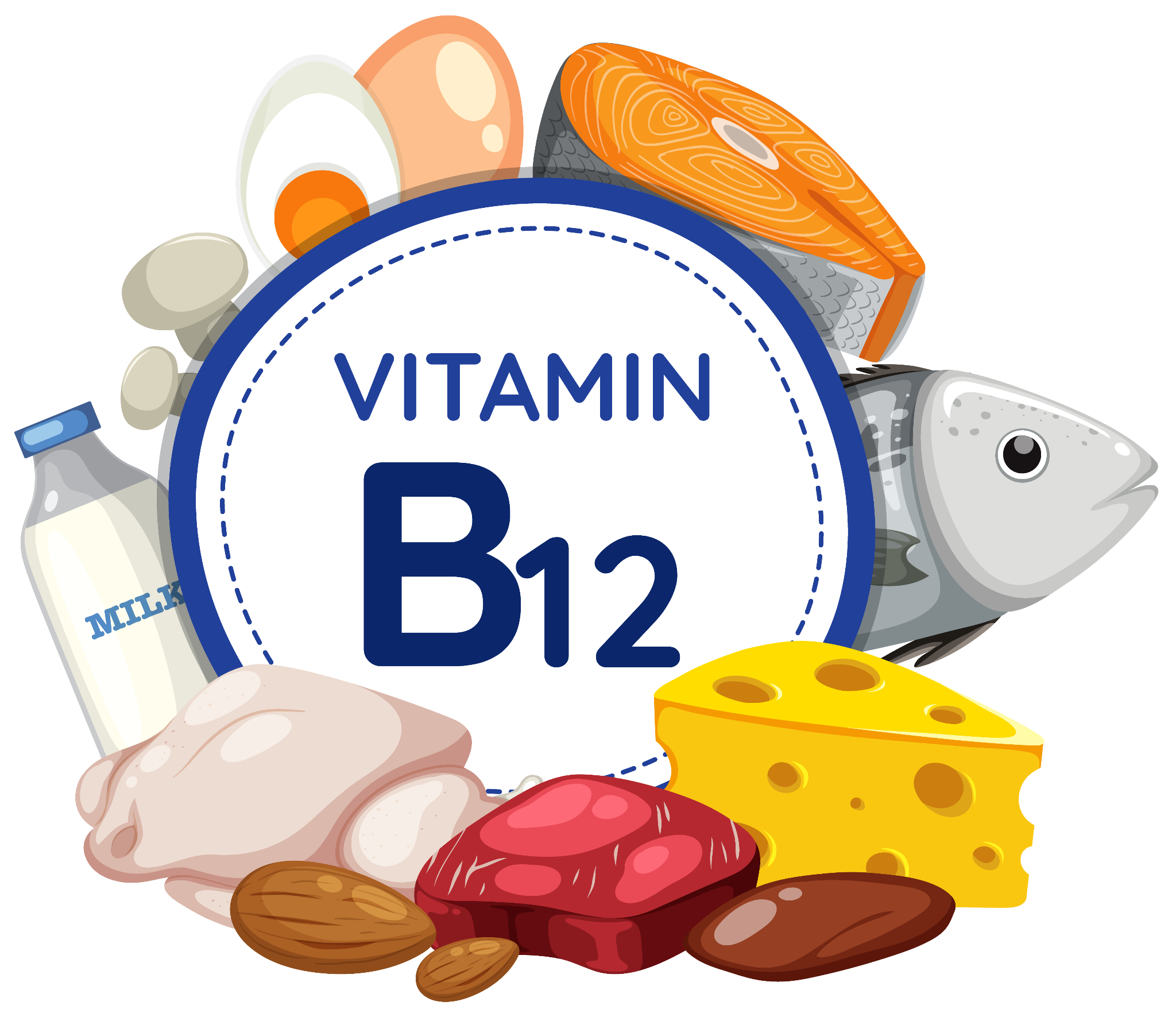
Vitamin B12 Deficiency: Symptoms, Risk Factors and What to Do
Vitamin B12 deficiency symptoms — tingling, fatigue, memory issues and more. Who's at risk in India and how to fix it. Prakash Hospital Noida.
30 Sept 2026
by Prakash Hospital
by Prakash Hospital

Top 10 Vitamin D Foods You Should Be Eating Regularly.
If you only want one thing from this article, here it is — a clear ranking of the ten best food sources of vitamin D, with practical amounts and useful tips for each. No long lists of borderline-irrelevant foods. No misleading claims about fruits and vegetables that do not actually contain vitamin D. Just the ten foods that genuinely help.
Vitamin D deficiency is a quiet epidemic in India. Studies place the deficiency rate between 70 and 90 percent of the population. The symptoms — fatigue, body aches, low immunity, mood changes, poor bone health — often get blamed on other things. The simple step of including vitamin D-rich foods in daily eating, combined with sunlight when possible, can make a real difference.
Here are the ten that matter most.
Salmon sits at the top of any honest vitamin D list. A 100-gram serving of wild salmon provides 600 to 1000 IU of vitamin D3 — more than the daily requirement for most adults in a single portion. Farmed salmon has less but is still a strong source, typically providing 200 to 300 IU per 100-gram serving.
Salmon also delivers high-quality protein, omega-3 fatty acids that support heart and brain health, and a range of B vitamins. The fat in salmon helps the vitamin D absorb efficiently since vitamin D is fat-soluble.
Practical tip: bake, grill, or pan-fry salmon. Two servings per week meets a substantial portion of weekly vitamin D needs.
For Indian shoppers, fresh or frozen salmon is available in most large supermarkets. Tinned salmon is an affordable alternative and retains most of its vitamin D content.
The most concentrated dietary source available. One tablespoon of cod liver oil provides about 1360 IU of vitamin D3 — well over twice the daily requirement.
Cod liver oil also contains vitamin A and omega-3 fatty acids. The taste is strong, which is why most people take it as capsules rather than liquid.
A note of caution. Cod liver oil contains significant vitamin A, and excessive vitamin A can be harmful. Stick to recommended doses, and avoid combining cod liver oil with high-dose vitamin A supplements.
This is a useful option for people who do not eat fish regularly but want a reliable dietary source.
Another fatty fish high in vitamin D3. A 100-gram serving provides 300 to 500 IU.
Mackerel is more affordable than salmon and widely available across India. It is also nutrient-dense — high in protein, omega-3 fatty acids, vitamin B12, and selenium.
Practical tip: mackerel grills and bakes well. It has a stronger flavour than salmon, which works well with Indian spices.
Small fatty fish often available canned. A 100-gram serving provides about 200 IU of vitamin D3.
Sardines are inexpensive, shelf-stable when canned, and very nutrient-dense. Beyond vitamin D, they provide protein, omega-3 fatty acids, calcium (because the small bones are usually eaten), and vitamin B12.
Practical tip: tinned sardines on whole-grain toast, sardine curry, or sardines added to salads all work. The canned versions in oil typically retain more vitamin D than those in water.
The best plant-based source of vitamin D and a crucial option for vegetarians. The vitamin D content depends entirely on whether the mushrooms have been exposed to ultraviolet light.
Indoor-grown mushrooms contain very little vitamin D, typically 10 to 50 IU per 100 grams.
Sun-exposed mushrooms can contain 400 to 2000 IU per 100-gram serving. The single most useful tip in this article — place mushrooms gills-up in direct sunlight for 15 to 30 minutes before cooking. The vitamin D content rises dramatically.
Maitake, portobello, shiitake, and button mushrooms all respond well to sun exposure. The vitamin D content survives normal cooking.
Mushrooms produce vitamin D2 rather than D3. Both are useful, though the body uses D3 slightly more efficiently.
Practical tip: get into the habit of sun-exposing mushrooms whenever weather permits. Even 30 minutes makes a real difference.
Two large eggs provide about 80 to 100 IU of vitamin D3. The vitamin D sits in the yolk, so eating only egg whites discards it.
Eggs are one of the most versatile vitamin D sources. Boiled, scrambled, poached, omelette, curry, parantha — there are countless ways to include them.
Free-range eggs from chickens raised outdoors tend to have higher vitamin D content than caged-chicken eggs because the chickens get more sun exposure. Where the option exists and budget allows, free-range or pastured eggs are worth choosing.
Practical tip: aim for one to two eggs per day if you eat them. The combination of vitamin D, protein, and healthy fats makes them an excellent daily addition.
Many milk brands in India now add vitamin D during processing. A 250 ml glass of fortified milk typically provides 100 to 120 IU.
Read the label to confirm fortification. The words "Fortified with Vitamin D" should appear on the packaging.
Fortified milk is a convenient option, particularly for children and elderly individuals who may have difficulty with other vitamin D sources. The calcium in milk also pairs well with the vitamin D for bone health.
Plant-based milks — soy, almond, oat — are often fortified too. A glass typically provides 100 to 140 IU. Check the brand and label.
Many breakfast cereals are fortified with multiple vitamins including vitamin D. A typical serving provides 40 to 100 IU.
Choose whole-grain varieties with low added sugar to get the vitamin D benefit without the downsides of refined cereals. Pair with fortified milk for a vitamin D-rich breakfast that delivers 150 to 200 IU in a single meal.
This is a practical option for working families with limited cooking time in the morning.
A useful source for those who include juice in their diet. A glass of fortified orange juice provides around 100 IU.
Only fortified juice contains added vitamin D. Fresh-squeezed orange juice has essentially none. Read the label to confirm.
Orange juice also provides vitamin C, folate, and potassium, all of which support overall health.
Practical tip: choose fortified juice with no added sugar where possible. A glass with breakfast adds vitamin D without much effort.
Tuna provides 200 to 300 IU of vitamin D3 per 100-gram serving. Canned tuna is widely available and affordable.
Tuna also delivers protein, omega-3 fatty acids, and selenium. It is easier to find consistently than salmon or mackerel and works well in sandwiches, salads, and pasta.
A note on mercury — large fish like tuna can contain mercury. The general recommendation is to eat tuna in moderation rather than as the dominant fish in your diet, particularly during pregnancy.
Practical tip: tinned tuna in oil retains more vitamin D than tuna in water.
A few foods worth knowing about even though they did not make the top ten.
Beef liver provides about 42 IU per 100-gram serving. Cultural and preference factors limit how often most Indians eat liver, but it remains a useful inclusion for those who enjoy it.
Herring provides about 200 IU per 100-gram serving but is less common in Indian markets.
Caviar and fish roe are concentrated sources for those who eat them.
Fortified yogurt provides modest amounts depending on the brand.
Fortified tofu provides up to 140 IU per serving, making it a useful vegetarian protein-and-vitamin-D combination.
Some foods often described as vitamin D rich do not actually contain meaningful amounts. Bananas, oranges, spinach, broccoli, kale, and most other fruits and vegetables fall into this category. They contain useful nutrients that support vitamin D function — calcium, magnesium, vitamin K, antioxidants, healthy fats — but not vitamin D itself.
Eating these foods is great for overall health. Expecting them to fix a vitamin D deficiency is unrealistic.
For non-vegetarians, a realistic weekly pattern might include:
This combination delivers a substantial amount of vitamin D from food without effort.
For vegetarians who eat eggs and dairy:
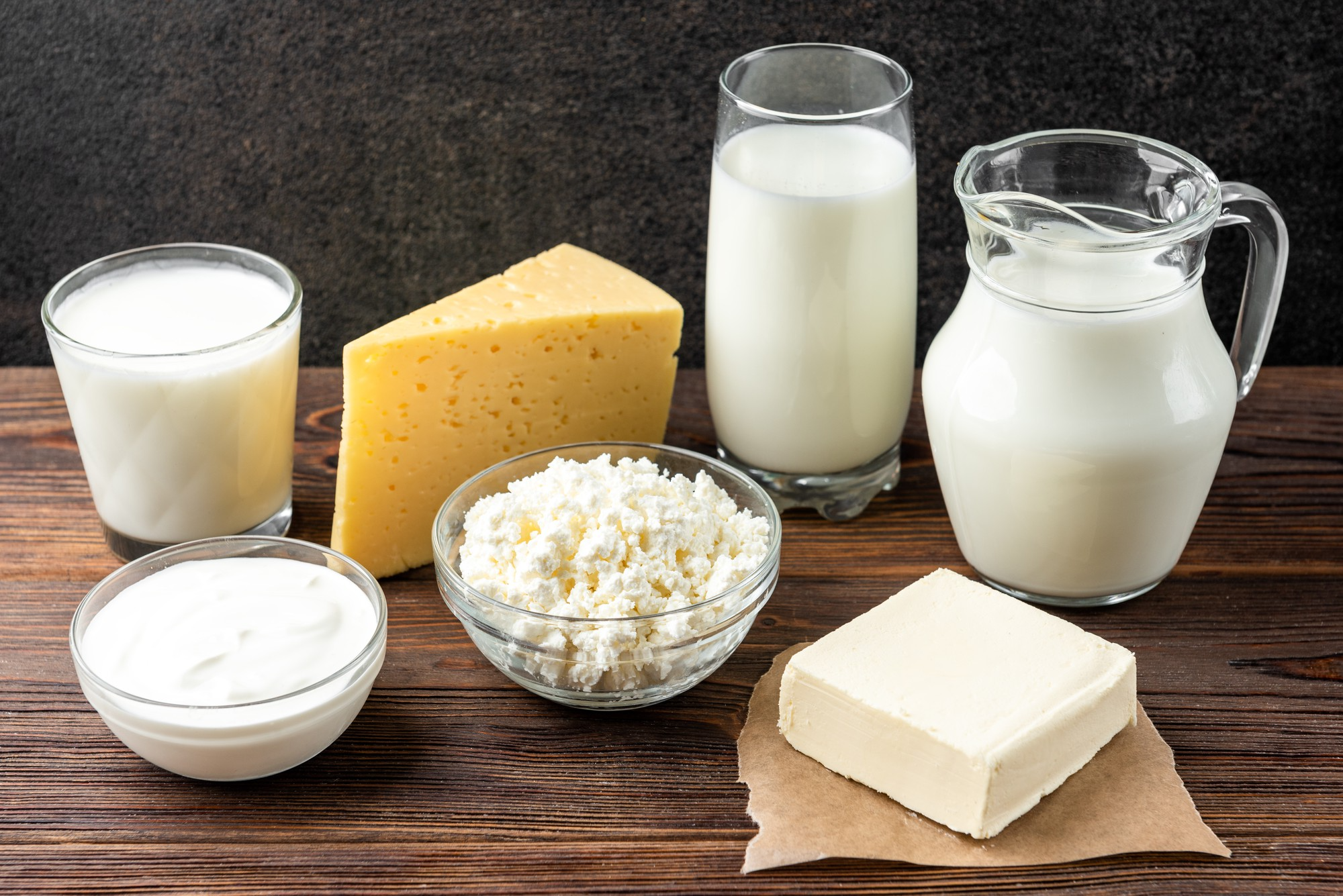
Sources of calcium including milk, cheese, yogurt, dairy products and fortified foods.
The intake will be lower than for non-vegetarians, but consistent inclusion of these foods can meet a meaningful portion of daily needs.
For strict vegans:
Most strict vegans will still need a vitamin D3 supplement derived from lichen to meet needs, especially without regular sun exposure.
Even the best dietary sources cannot fully replace sunlight for vitamin D production. Twenty minutes of direct midday sun on uncovered skin can produce 10,000 IU or more. The richest single food source — salmon — provides 600 to 1000 IU per serving.
This is why a combination approach matters. Sunlight as primary, food as consistent backup, supplements when blood tests show deficiency.
If you have persistent fatigue, body aches, frequent infections, low mood, or other suspected deficiency symptoms, a blood test for 25-hydroxyvitamin D is the next step. Optimal levels are 30 to 100 ng/mL, with many doctors preferring 50 to 80.
If your level is below 30, your doctor will likely recommend supplementation alongside dietary and lifestyle changes. The standard supplement is vitamin D3, typically in doses of 1000 to 2000 IU daily for maintenance or higher doses for treating deficiency.
Skipping the egg yolk — discards most of the vitamin D in eggs.
Choosing unfortified milk thinking all milk contains vitamin D — read the label.
Eating mushrooms without UV exposure — misses the main reason mushrooms are valuable.
Relying only on fruits and vegetables for vitamin D — they support function but do not provide the vitamin.
Avoiding fat when eating vitamin D foods — vitamin D is fat-soluble, so some fat in the meal improves absorption.
Ignoring sun exposure entirely — food rarely covers needs by itself.
In Noida and Greater Noida, the heavy pollution that blocks UV light for much of the year, combined with indoor lifestyles, makes dietary vitamin D more important than it would otherwise be. Working professionals here particularly benefit from building these foods into daily routines and getting annual blood tests to know where they stand.
At Prakash Hospital, Noida, experienced doctors and dieticians offer vitamin D testing, personalised dietary planning, and supplement guidance when needed. The approach is individualised based on your blood levels, dietary preferences, and lifestyle.
Whether you are in Sector 18, Sector 62, Greater Noida West, or anywhere nearby, Prakash Hospital Noida is a trusted name for nutrition consultation and health checkups.
The top ten vitamin D foods worth including in your daily eating are salmon, cod liver oil, mackerel, sardines, UV-exposed mushrooms, egg yolks, fortified milk, fortified cereals, fortified orange juice, and tuna.
For most Indians, the practical strategy combines a few servings of fatty fish weekly (for non-vegetarians), daily eggs and fortified milk, regular sun-exposed mushrooms, and other fortified products as available. Sun exposure remains the primary source for those who can get it. Supplements address the remaining gap when blood tests show deficiency.
Build these foods into your routine. The benefits show up in energy, mood, immunity, bone health, and many other quiet aspects of wellbeing. Vitamin D is one of the most influential nutrients in the modern Indian diet — worth taking seriously and addressing systematically.

Microneedling, laser, peels and minor procedures matched to your scar type to smooth pitted acne scars.
Measures pressure and oxygen inside the heart and lungs through a thin tube, to guide valve and heart failure care.
Replaces a failed knee implant that is loose, worn, infected or unstable with new revision parts.
Free tools to check your weight, plan a pregnancy, track calories and more.
We offer expert care across key specialties, including Medicine, Cardiology, Orthopaedics, ENT, Gynaecology, and more—delivering trusted treatment under one roof.
Vitamin B12 deficiency symptoms — tingling, fatigue, memory issues and more. Who's at risk in India and how to fix it. Prakash Hospital Noida.
30 Sept 2026
by Prakash Hospital

Vitamin D rich vegetables and fruits — what actually contains vitamin D and what is myth. Visit Prakash Hospital Noida for nutrition guidance.
30 Jun 2026
by Prakash Hospital
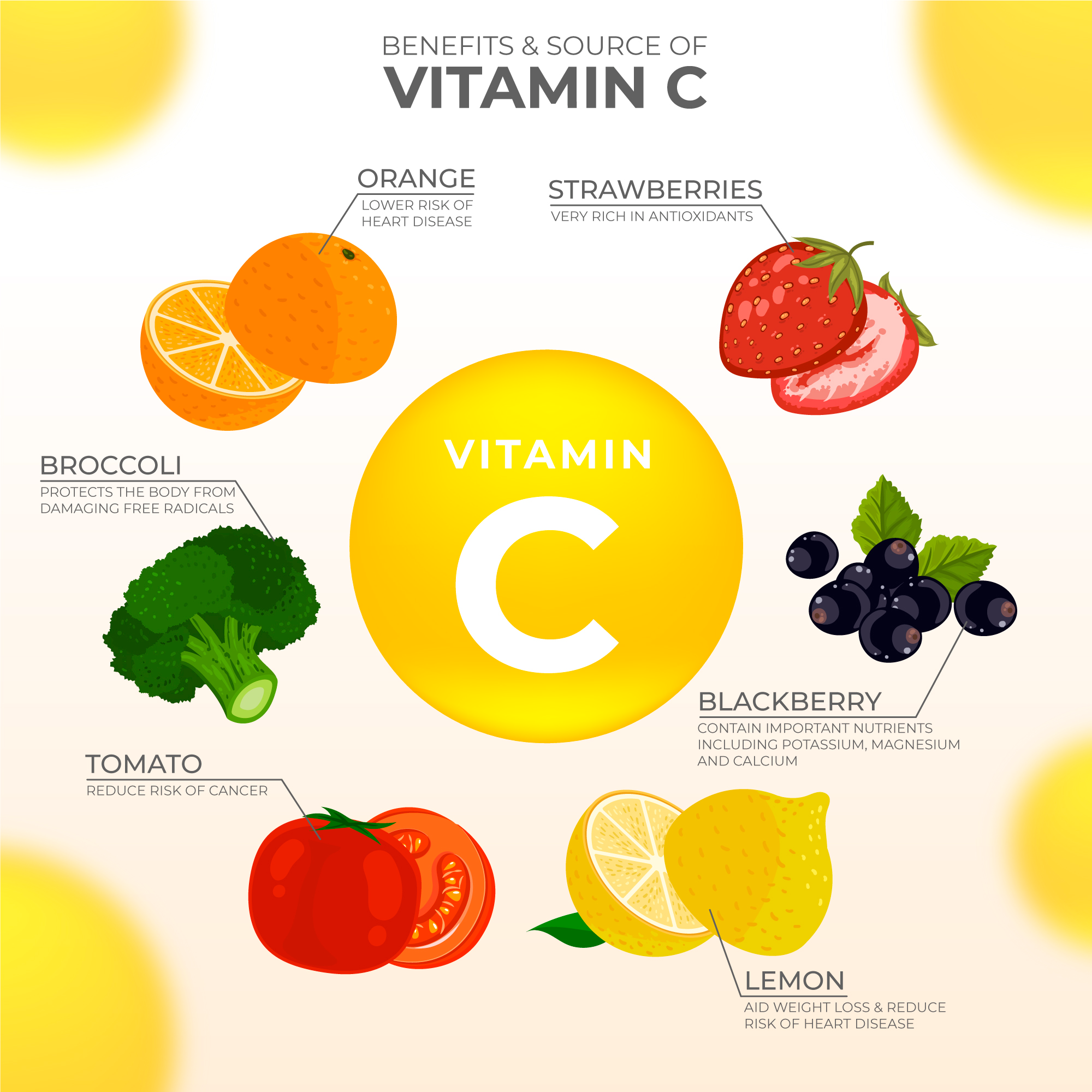
Vitamin C deficiency — recognise the signs, understand the causes, and learn the best food sources. Visit Prakash Hospital Noida for nutrition care.
26 Jun 2026
by Prakash Hospital

Low AMH and ovarian reserve — what the test means, what affects it, and how to improve fertility outcomes. Prakash Hospital Noida.
31 Jul 2026
by Prakash Hospital

बार-बार गर्भपात क्यों होता है? जानिए recurrent miscarriage के कारण, जरूरी जांच, इलाज और स्वस्थ प्रेगनेंसी के लिए महत्वपूर्ण सलाह।
19 Mar 2026
by Prakash Hospital

Perimenopause in Indian women — age of onset, common symptoms, what's normal, and when to see a doctor. Prakash Hospital Noida.
30 Jul 2026
by Prakash Hospital
Vitamin D rich foods — a complete list of the best dietary sources, from fish and eggs to fortified foods and mushrooms. Visit Prakash Hospital Noida for health checkups.
21 May 2026
by Prakash Hospital

Explore vitamin B12 rich foods, benefits of vitamin B12, deficiency symptoms, sources, and dietary tips for maintaining healthy levels.
10 Feb 2026
by Prakash Hospital

Detailed guide on essential vitamins, daily requirements, deficiency risks and how to increase vitamin intake naturally through a balanced diet.
20 Feb 2026
by Prakash Hospital


Book a consultation with Prakash Hospital's specialists — 24/7 emergency care, 100+ doctors, NABH accredited.
View All Departments