

Arthroscopy (Knee and Shoulder)
Keyhole surgery through two or three small cuts to find and fix torn cartilage, tendons or loose fragments inside the knee or shoulder.

- Surgery duration
- 30 minutes to 2 hours
- Anaesthesia
- Spinal or general
- Hospital stay
- Same day or overnight
- Recovery
- 1 to 6 weeks, longer after repairs
On this page
Overview
Some joint problems are mechanical. The knee locks halfway through standing up or catches on the stairs. The shoulder aches every time you reach for the seat belt and hasn't had its old strength since a fall. X-rays often look normal, because the damage is in soft tissue.
Arthroscopy is keyhole surgery on a joint. The surgeon makes two or three cuts of about 1 cm and passes in a thin camera (the arthroscope), which shows the inside of the joint on a screen. The joint is filled with sterile fluid for a clear view, and slim instruments passed through the other cuts trim, stitch or remove damaged tissue. In the knee that is usually the meniscus (the C-shaped cartilage cushions); in the shoulder, the rotator cuff tendons or the labrum (the rim of cartilage around the socket).
It works well for clearly mechanical problems: a meniscus flap that catches, a loose fragment, a cuff tear after an injury, or a shoulder that keeps dislocating. It doesn't help worn-out arthritis. Trials have shown that washing out or trimming an arthritic knee works no better than physiotherapy.
Our operation theatres have arthroscopy towers, and our orthopaedics team does meniscus repair and rotator cuff surgery this way. Where physiotherapy and medicines are likely to work, we try them first.
Why it's done
Arthroscopy is mostly used on the knee and shoulder, and occasionally the ankle, hip, wrist or elbow. An MRI usually shows the problem first; the camera confirms it, and it's treated in the same sitting.
- A torn meniscus that catches, locks or keeps the knee swollen
- Loose pieces of bone or cartilage floating in the joint
- A torn ACL or other knee ligament, rebuilt through the arthroscope
- A rotator cuff tear causing weakness and night pain
- A shoulder that has dislocated more than once because of a torn labrum
- A frozen shoulder that hasn't loosened after months of physiotherapy
Is it right for you?
Usually a good fit
- Mechanical symptoms such as locking, catching or giving way that match the MRI
- A recent injury that has torn a tendon or cartilage that can be repaired
- Six to twelve weeks of physiotherapy hasn't helped a problem that isn't urgent
May not be suitable
- Knee pain mainly from osteoarthritis, where a washout or trim won't help
- A worn, degenerative meniscus tear in an older knee without locking, which often settles with physiotherapy
- Infected skin over the joint or an active infection elsewhere, until treated
- Very high blood sugar, until it's under control
Types and techniques
Knee: trimming or repairing the meniscus
The meniscus has a blood supply only at its outer edge. Tears there, especially in younger people, can often be stitched and usually heal. Tears in the inner part, or old frayed ones, are trimmed back to a stable edge. A repair saves more cartilage but means 4 to 6 weeks of protected walking, and the surgeon may only decide which to do once they see the tear.
Shoulder: repairing tendons and the labrum
A torn rotator cuff is reattached to the bone with small anchors carrying stitches, and a torn labrum is stitched back to the rim of the socket to stop repeat dislocations. Either way, the arm stays in a sling for about 4 to 6 weeks.
Removing or releasing tissue
Some operations remove rather than repair, such as taking out loose bodies or releasing a tight capsule in a frozen shoulder. Shaving a bone spur for impingement pain alone has shown little benefit over physiotherapy in trials, so it's done less often now.
Preparing for surgery
- Bring your MRI films and report. If you don't have one, it can be done at our diagnostic department
- Mention any blood thinners or diabetes medicines at your first visit, and keep taking them unless your doctor tells you otherwise
- No food for about 6 hours before, and clear fluids only up to 2 hours before, unless the anaesthetist says otherwise
- Before knee surgery, practise with crutches and start the thigh exercises you're shown
- Before shoulder surgery, keep loose, front-opening clothes ready and practise one-handed tasks
- Arrange for someone to take you home, as you can't drive after an anaesthetic
- Many policies cover arthroscopy as a day-care procedure. Check yours against our insurance and TPA panels
The procedure, step by step
- 01
Anaesthesia
Knee arthroscopy is usually done under spinal anaesthesia, and shoulder arthroscopy under general anaesthesia with a nerve block that numbs the arm for some hours afterwards.
- 02
First cut and fluid
A cut of about 1 cm (a portal) is made and the joint is filled with sterile saline to open up the space. The arthroscope goes in through this portal.
- 03
Inspecting the joint
Cartilage, meniscus or labrum, ligaments and tendons are all checked on the screen, and photos may be taken for your records.
- 04
Treatment
Through one or two more portals, shavers, graspers and suture passers trim, remove or repair the damaged tissue.
- 05
Closing
The fluid is drained and the portals are closed with a stitch or adhesive strips under a padded bandage. It takes 30 minutes to 2 hours, depending on the repair.
Benefits and risks
Benefits
- Cuts of about 1 cm that leave small scars
- Less pain than open surgery, and often going home the same day
- Diagnosis and treatment in one sitting
- Repairs of the meniscus, cuff or labrum that can protect the joint from further damage
- Desk workers are often back within 1 to 2 weeks after simple procedures
Possible risks
- Swelling and fluid in the joint for a few weeks, which usually settles with ice and elevation
- Infection, well under 1 in 100 for most arthroscopies
- Blood clots in the leg after knee arthroscopy, uncommon and more likely if you're older or less mobile
- Stiffness, especially after shoulder repairs, needing extra physiotherapy
- A small numb patch near one of the cuts, or rarely injury to a larger nerve or blood vessel
- A repair that doesn't heal, such as a large rotator cuff tear in an older patient tearing again
Recovery timeline
Recovery depends far more on what was done inside the joint than on the size of the cuts. Trimming a meniscus and stitching one are very different recoveries.
- 01
Day 0
You go home the same day or next morning with crutches or a sling. Keep the joint raised and ice it, wrapped in a cloth, for 15 to 20 minutes several times a day.
- 02
Days 2 to 14
Start your exercises and keep the wounds dry until the stitches come out or the strips fall off at 10 to 14 days. After a simple trim, most people walk normally within a week or two.
- 03
Weeks 2 to 6
Most desk workers have returned by now. After a meniscus repair you're still on crutches or in a brace with limited bending, and after a shoulder repair the sling stays on while the physiotherapist moves the arm for you.
- 04
Months 2 to 6
Strengthening after repairs. Sport after a meniscus repair usually resumes at 4 to 6 months, and a rotator cuff repair can take 6 months or more to regain useful strength.
When to call your doctor
- Fever of 100.4°F (38°C) or more, or a joint that turns hot, red and more swollen after the first few days
- Discharge from a cut after the first 48 hours, when a little oozing is normal
- Calf pain, tenderness or swelling
- Sudden shortness of breath or chest pain. This needs an ambulance
- Numbness or tingling in the hand or foot that lasts after the nerve block has worn off
Call us on +91-8826000033 or come straight to our 24/7 emergency department.
Alternatives to surgery
Physiotherapy first
Many shoulder problems, including impingement and partial cuff tears, and many degenerative meniscus tears in people over 40 improve with 6 to 12 weeks of structured exercise. It's often the right first step.
Joint replacement for arthritis
If the pain comes from worn cartilage across the joint, keyhole surgery won't fix it. Once other treatment has failed, a partial knee replacement or a shoulder replacement may be the option to discuss.
Talk to our Orthopedics & Joint Replacement team
Ask about your options, the cost and your insurance before you decide. See the insurance and TPA panels we work with.
This page explains Arthroscopy (Knee and Shoulder) in general terms. Your own plan depends on your health, your test results and your doctor's advice. Please read our medical disclaimer.
Your care team
Arthroscopy (Knee and Shoulder) is led by our Orthopedics & Joint Replacement team, with other departments stepping in at each stage of your care.
Orthopedics and Traumatology Department
At Prakash Hospital, our Orthopedics and Traumatology Department offers expert diagnosis, surgical and non-surgical treatments, and rehabilitation for bone, joint, and musculoskeletal injuries.
What the department treats
Total Knee Replacement
Total Hip Replacement
Arthroscopic Surgery
Spine Surgery
Trauma and Fracture Care
Sports Medicine

Related procedures
Procedures often considered alongside Arthroscopy (Knee and Shoulder), or that treat related conditions.
ACL Reconstruction
Rebuilds a torn ACL with a tendon graft through keyhole surgery to stop the knee giving way.
Learn moreLigament Repair Surgery
Reattaches or rebuilds torn ligaments in the knee, ankle, elbow or thumb to steady an unstable joint.
Learn moreShoulder Replacement
Replaces a damaged shoulder ball and socket to relieve arthritis pain and help you use your arm again.
Learn morePartial Knee Replacement
Replaces only the worn part of an arthritic knee, keeping the healthy cartilage and ligaments.
Learn moreTotal Knee Replacement
Replaces a knee worn out by arthritis with a metal and plastic joint to relieve pain and get you walking again.
Learn moreMore in Orthopedics & Joint Replacement
Other procedures our Orthopedics & Joint Replacement team performs.
Total Hip Replacement
Replaces a worn or collapsed hip ball and socket with an artificial joint to end groin pain and restore walking.
Learn moreFracture Fixation Surgery
Realigns broken bones and holds them with plates, screws, rods or frames so they heal in the right position.
Learn moreSpine Surgery (Discectomy)
Frees a trapped spinal nerve by removing slipped disc or bone, easing sciatica and leg pain.
Learn moreJoint Reconstruction
Realigns and rebuilds a joint damaged by injury, deformity or earlier surgery, keeping your own joint.
Learn moreRevision Knee Replacement
Replaces a failed knee implant that is loose, worn, infected or unstable with new revision parts.
Learn moreRelated articles
Guides from our doctors on Arthroscopy (Knee and Shoulder) and the conditions it treats.
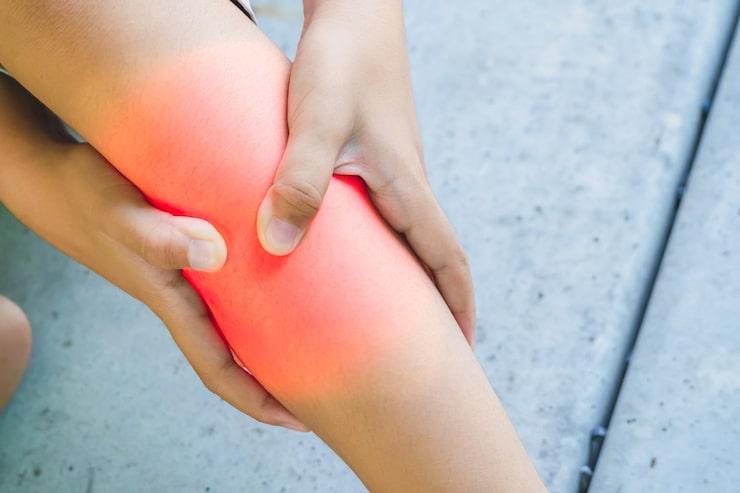
Meniscus Tears: Symptoms, Treatment and more
Learn all about Meniscus tears and their treatment from advise by the seasoned professionals at Prakash Hospital, Noida.
23 Sept 2025
by Prakash Hospital
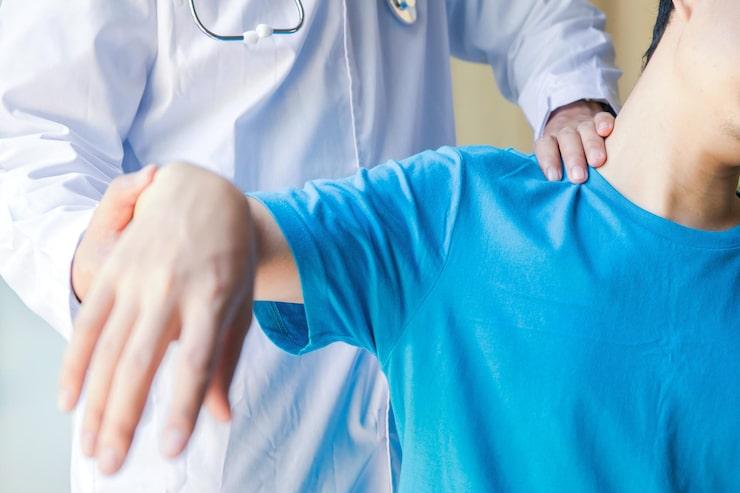
रोटेटर कफ इंजरी (Shoulder Injury) क्या है?
रोटेटर कफ इंजरी के लक्षण, कारण और इलाज जानें। कंधे में दर्द और कमजोरी को नजरअंदाज न करें। Prakash Hospital में पाएं एडवांस ऑर्थोपेडिक और फिजियोथेरेपी उपचार।
15 Jun 2026
by Prakash Hospital
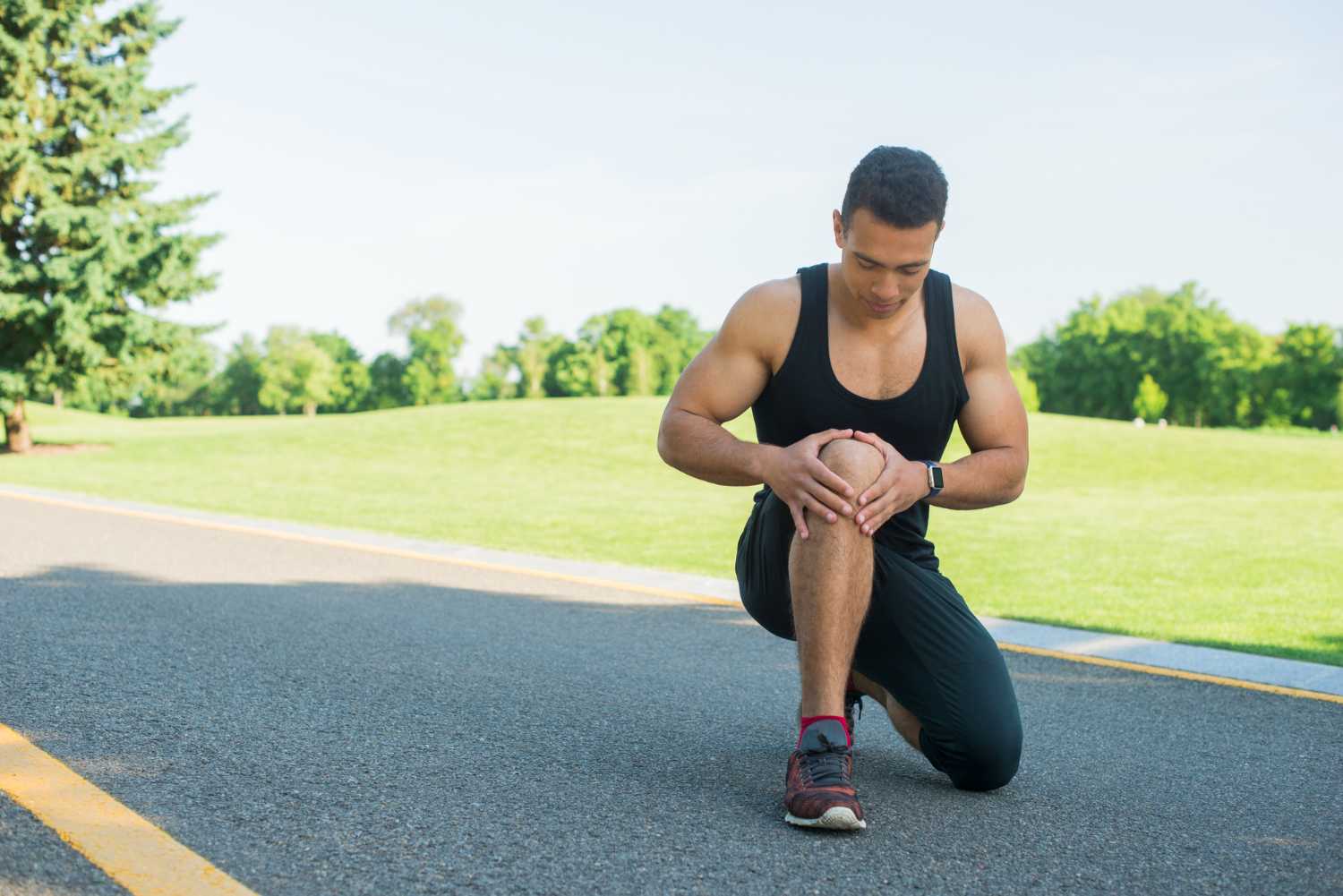
Common Knee Injuries in Sports: Warning Signs and Recovery Tips
Learn about the most common knee injuries in sports, their symptoms, and effective treatment methods to ensure a safe return to activity.
5 May 2025
by Prakash Hospital

स्पोर्ट्स इंजरी से कैसे बचें?
जानिए स्पोर्ट्स इंजरी क्यों होती है, इससे कैसे बचा जा सकता है और चोट लगने पर क्या करना चाहिए।
6 Apr 2026
by Prakash Hospital
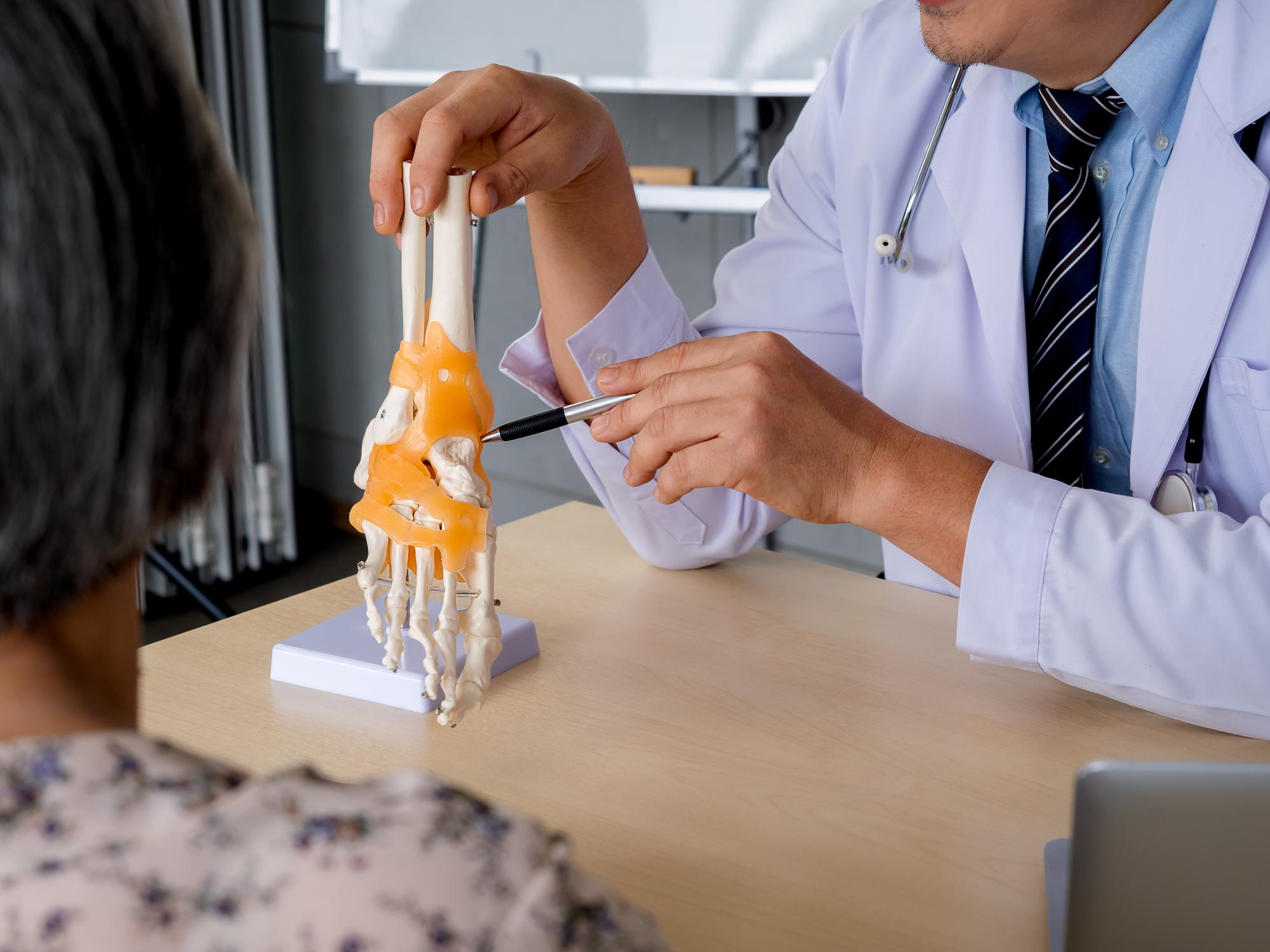
हड्डियों में सूजन (Bone Inflammation) क्यों होती है?
हड्डियों में सूजन के कारण, लक्षण और इलाज जानें। ऑस्टियोमाइलाइटिस, आर्थराइटिस और हड्डी के दर्द को नजरअंदाज न करें। Prakash Hospital में पाएं एडवांस ऑर्थोपेडिक उपचार।
9 Jun 2026
by Prakash Hospital
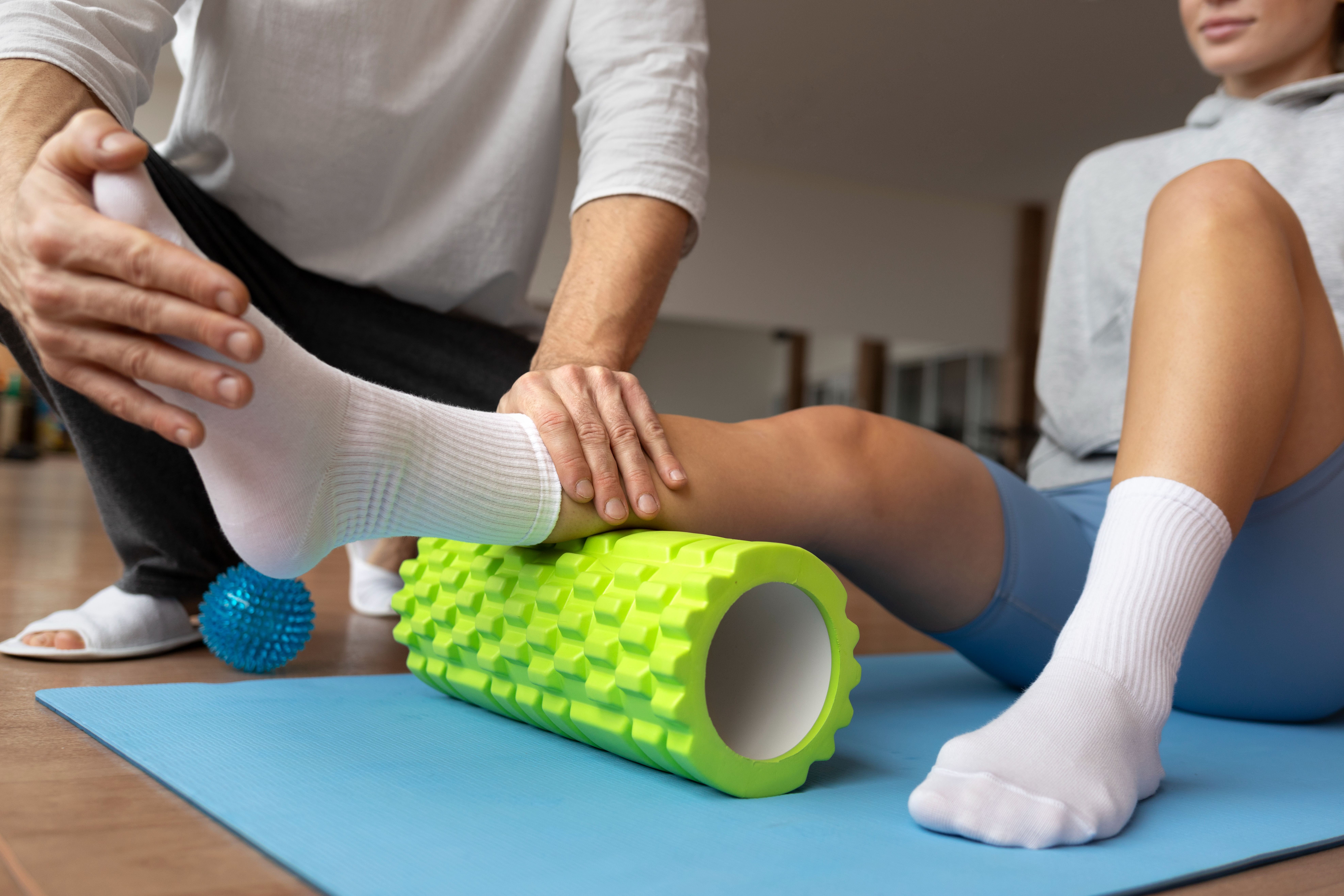
Orthopedic Fitness: Safe Exercise Tips for Joint Support
Discover expert-approved orthopedic fitness strategies with safe exercises to support your joints, reduce pain, and improve mobility. Ideal for all age groups.
25 Jun 2025
by Prakash Hospital
Frequently Asked Questions
Answers to common questions about Arthroscopy (Knee and Shoulder) at Prakash Hospital, Noida.
Will I need to stay overnight?
Will I have big scars?
My X-ray shows knee arthritis. Can a keyhole clean-up help?
When can I go back to work and ride my scooter?
Can I squat or sit on the floor after knee arthroscopy?
How painful is it afterwards?


Looking for the Best Hospital in Noida? Talk to Our Experts
Book a consultation with Prakash Hospital's specialists — 24/7 emergency care, 100+ doctors, NABH accredited.

Prakash Hospital Pvt. Ltd. is a 100 bedded NABH NABL accredited multispecialty hospital along with a center of trauma and orthopedics. We are in the service of society since 2001.
OUR SPECIALITIES
Patient Services
PROCEDURES
Contact Us
D – 12A, 12B, Sector-33, G. B. Nagar, Noida, Uttar Pradesh 201301
+91-8826000033


© 2026 All rights reserved.
Designed and Developed by Zarle Infotech


