


Pelvic Laparoscopy: A New Way to Find and Fix Issues
Discover the key benefits of advanced pelvic laparoscopy and how it improves recovery and outcomes with care from Prakash Hospital.
16 Sept 2025
by Prakash Hospital
Keyhole surgery to remove the uterus when fibroids, heavy bleeding or adenomyosis haven't settled with other treatment, with a shorter stay than open surgery.

For some women, periods end up running the calendar. You pack spare clothes for work, and the tiredness never lifts because the bleeding keeps pulling your haemoglobin down. For others it's a dragging pelvic ache from fibroids or adenomyosis that tablets only dull.
A laparoscopic hysterectomy removes the uterus (womb) through three or four cuts of about 0.5 to 1 cm in the abdomen. The surgeon works with a thin camera called a laparoscope and long, fine instruments, watching a magnified picture on a screen. The uterus is freed from its ligaments and blood supply and usually taken out through the vagina, along with the cervix. The ovaries can be kept or removed, depending on your age and the reason for surgery.
Afterwards you won't have periods and can't become pregnant, so it's an operation for women who have finished their family or have no safer option. For most, the bleeding stops for good and much of the pain goes with it. Compared with open surgery, the keyhole route usually hurts less and means a stay of a day or two, and most women are back to normal weeks sooner.
In our gynaecology department, fibroids, ovarian cysts and other uterine problems are treated by keyhole surgery in dedicated laparoscopy suites. We'll talk through smaller options with you first, such as myomectomy or a hormonal coil, and suggest a hysterectomy only when it's the right answer for you.
It's usually offered once medicines or smaller procedures have failed or aren't suitable. The common reasons are benign (non-cancerous).
In a total laparoscopic hysterectomy the whole operation is done through the keyhole cuts, and the uterus and cervix are lifted out through the vagina. In a laparoscopically assisted vaginal hysterectomy, the last part is finished from below, which can suit a uterus that has already dropped a little.
Before menopause, healthy ovaries are usually kept because they go on making hormones. Removing them brings on menopause straight away, as our menopause page explains. The tubes are often removed, which may lower the future risk of ovarian cancer.
In a subtotal hysterectomy the cervix is kept. You'll still need regular Pap smears, and a few women have light monthly spotting afterwards.
You're asleep under general anaesthesia. A catheter drains your bladder, and a small instrument in the vagina lets the surgeon move the uterus.
A small cut near the belly button takes the camera, and the abdomen is filled with carbon dioxide gas to make space. Two or three more small cuts take the instruments.
The surgeon seals and divides the ligaments and blood vessels holding the uterus, taking care around the bladder and the ureters (the tubes that carry urine from the kidneys).
It's usually drawn out through the vagina. A large uterus may be cut into pieces first, inside a protective bag. All the tissue goes to the lab.
The top of the vagina is stitched, bleeding is checked and the gas is let out. The small cuts are closed with dissolving stitches or skin glue. In all, it takes 1.5 to 3 hours.
The outside scars are small, but there's a proper wound inside, at the top of the vagina, so pace yourself even when you feel well.
The catheter usually comes out the next morning. Soreness and shoulder-tip pain from leftover gas are common, and walking on the first day eases both.
Most women go home after 1 to 2 days. Light bleeding or brownish discharge for a few weeks is normal. Eat enough fibre and drink enough water that you don't strain on the toilet.
Desk work is usually fine from 2 to 4 weeks. Don't lift more than about 5 kg, which rules out a full bucket of water or a toddler on your hip, and leave floor mopping and squatting chores to someone else for now.
At follow-up your gynaecologist checks the top of the vagina. Once it has healed, usually by 6 weeks, you can go back to sex, swimming and exercise. Tiredness can linger, especially if you were anaemic before.
Call us on +91-8826000033 or come straight to our 24/7 emergency department.
Tranexamic acid, anti-inflammatory painkillers, hormone tablets or a hormone-releasing coil (levonorgestrel intrauterine system) reduce heavy bleeding for many women and keep the uterus.
Fibroids can be removed on their own, and those bulging into the cavity can be taken out through the cervix by hysteroscopy. For heavy periods with a normal-shaped uterus, endometrial ablation treats the lining as a day-care procedure.
Fibroids shrink and periods stop at menopause. If you're in your late 40s and your symptoms are manageable, bridging the gap with medicines can be reasonable.
Talk to our Gynecology & Obstetrics team
Ask about your options, the cost and your insurance before you decide. See the insurance and TPA panels we work with.
This page explains Laparoscopic Hysterectomy (Keyhole Uterus Removal) in general terms. Your own plan depends on your health, your test results and your doctor's advice. Please read our medical disclaimer.
Laparoscopic Hysterectomy (Keyhole Uterus Removal) is led by our Gynecology & Obstetrics team, with other departments stepping in at each stage of your care.
At Prakash Hospital, our Obstetrics and Gynecology Department provides expert care for women at every life stage — from prenatal care and childbirth to gynecological health and menopause management.
What the department treats
High-Risk Pregnancy Care
Laparoscopic Surgery
PCOS Management
Infertility Treatment
Prenatal and Postnatal Care
Menopause Management
Does your blood tests and scans before surgery and examines the removed uterus under the microscope.
Gets diabetes, blood pressure and thyroid problems under control so you're safe for anaesthesia.
Checks and repairs the bladder or ureters in the rare event that they're injured.
Procedures often considered alongside Laparoscopic Hysterectomy (Keyhole Uterus Removal), or that treat related conditions.
Removes uterine fibroids and repairs the womb, easing heavy bleeding and pressure while keeping pregnancy possible.
Treats the uterine lining to make heavy periods lighter or stop them, with no cuts, for women who want no more children.
A camera through the cervix to see inside the uterus and remove polyps, small fibroids or scar tissue, with no cuts.
Keyhole removal of an ovarian cyst that keeps the healthy ovary, usually with a stay of one night or less.
A camera test that looks inside the bladder and urethra to find the cause of bleeding, infections or blockage.
Other procedures our Gynecology & Obstetrics team performs.
Care through labour and vaginal birth, including VBAC for suitable women who have had one caesarean before.
Delivers the baby through a low cut in the abdomen and uterus, planned or in labour, usually under spinal anaesthesia.
A magnified check of the cervix after an abnormal Pap or HPV test, with a small biopsy if needed.
Blocks or removes the fallopian tubes for permanent contraception, usually as day-care keyhole surgery.
Keyhole surgery on the ovaries to restart ovulation in PCOS when tablets haven't worked, without raising the twin risk.
We offer expert care across key specialties, including Medicine, Cardiology, Orthopaedics, ENT, Gynaecology, and more—delivering trusted treatment under one roof.
Free tools to check your weight, plan a pregnancy, track calories and more.
Discover the key benefits of advanced pelvic laparoscopy and how it improves recovery and outcomes with care from Prakash Hospital.
16 Sept 2025
by Prakash Hospital

Heavy periods can affect quality of life and cause anemia. Know the causes, treatments, and when to see a doctor. Visit Prakash Hospital Noida.
8 Jul 2026
by Prakash Hospital

Discover effective natural remedies for period pain relief, including lifestyle tips, home treatments, and ways to ease menstrual cramps safely.
28 Apr 2026
by Prakash Hospital

Immunity-boosting foods — the best Indian foods to strengthen your immune system naturally. Visit Prakash Hospital Noida for nutrition consultation.
3 Jul 2026
by Prakash Hospital
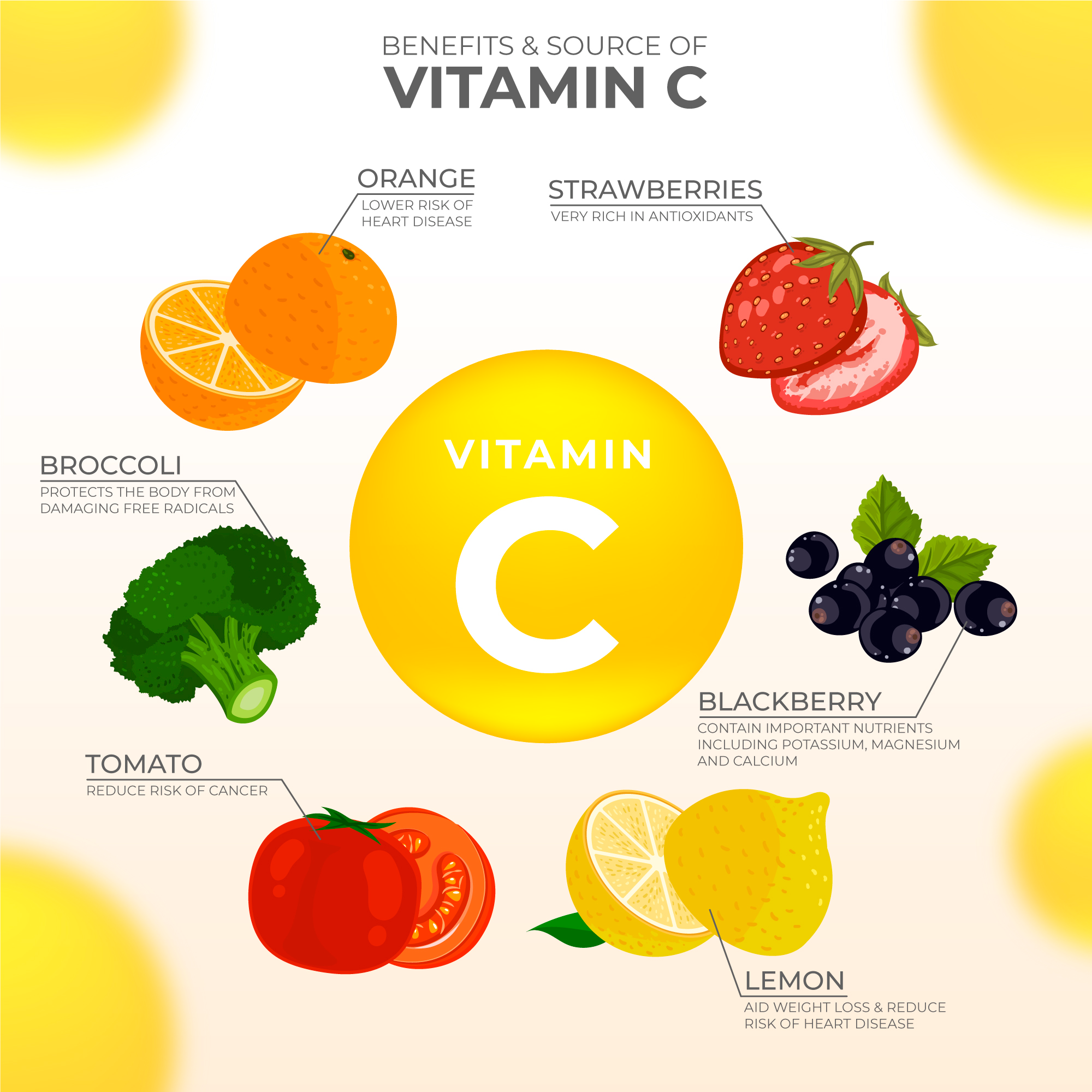
Vitamin C deficiency — recognise the signs, understand the causes, and learn the best food sources. Visit Prakash Hospital Noida for nutrition care.
26 Jun 2026
by Prakash Hospital
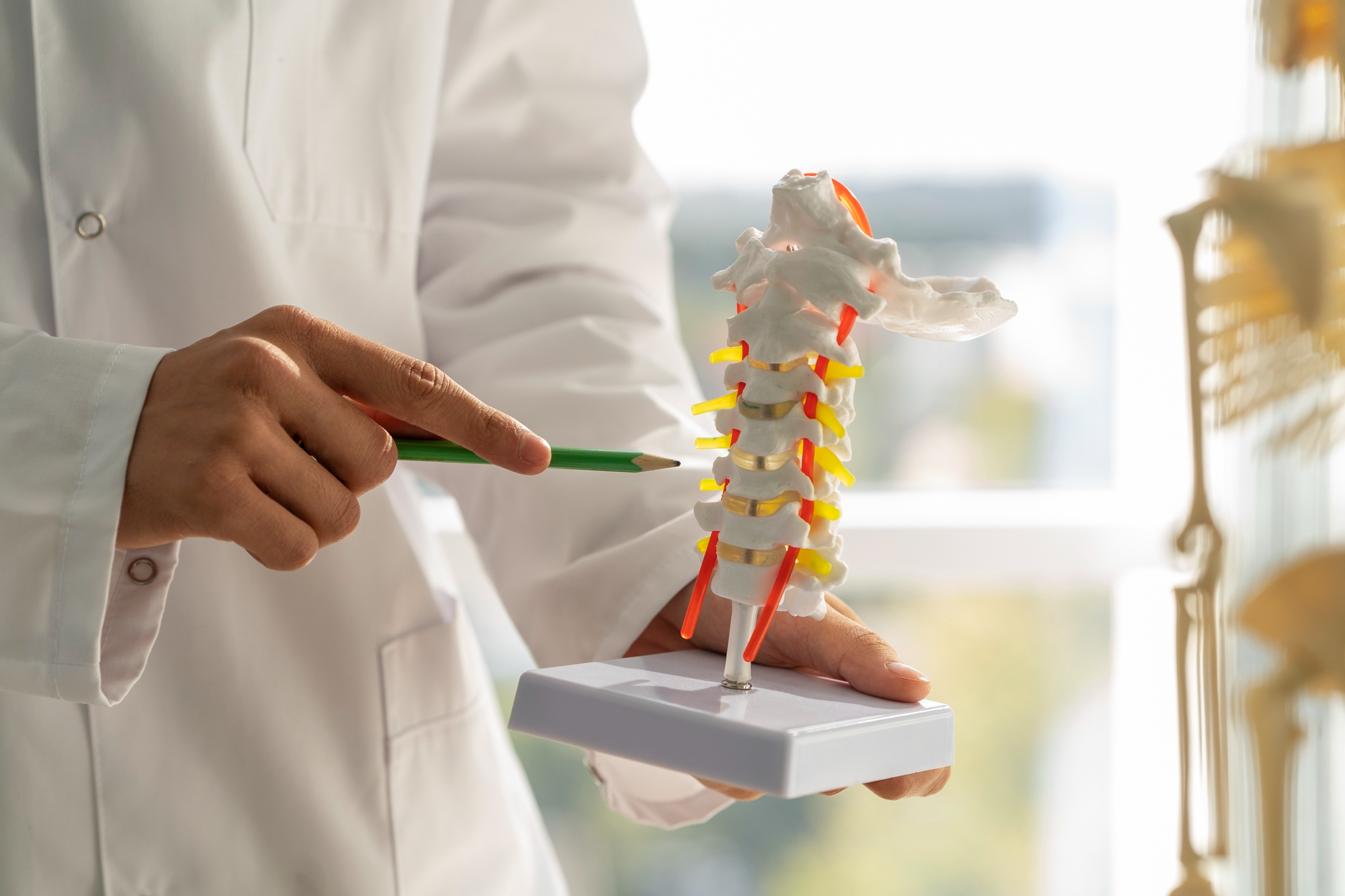
Support fracture recovery with essential nutrients like calcium, vitamin D, and protein for faster bone healing.
19 Nov 2025
by Prakash Hospital

What is PCOD — a complete guide to causes, symptoms, hormones, and how the condition develops. Visit Prakash Hospital Noida for expert women's health care.
20 May 2026
by Prakash Hospital
Irregular periods can have many causes including PCOD, stress, and thyroid issues. Know when to see a doctor. Visit Prakash Hospital Noida.
1 Jul 2026
by Prakash Hospital
Period pain relief tips, home remedies, and treatment options. Know when severe period pain needs medical care. Visit Prakash Hospital Noida.
15 Jul 2026
by Prakash Hospital
Answers to common questions about Laparoscopic Hysterectomy (Keyhole Uterus Removal) at Prakash Hospital, Noida.


Book a consultation with Prakash Hospital's specialists — 24/7 emergency care, 100+ doctors, NABH accredited.
View All Departments