


लिगामेंट इंजरी क्या है? (Ligament Tear): कारण, लक्षण और इलाज
जानिए लिगामेंट टियर के कारण, लक्षण और इलाज के तरीके। सही देखभाल, फिजियोथेरेपी और आराम से रिकवरी कैसे तेजी से हो सकती है, समझें।
14 May 2026
by Prakash Hospital
Replaces a torn anterior cruciate ligament with a tendon graft so your knee stops giving way when you turn, twist or land.

An ACL tear usually happens in a moment you remember: landing from a jump, stopping hard on a football pitch, turning sharply on a badminton court. Many people feel a pop, and the knee swells within hours. Once the swelling settles, the knee may be fine for walking but gives way when you change direction, and each of those episodes can damage the meniscus and cartilage.
The anterior cruciate ligament (ACL) runs through the middle of the knee and stops the shin bone sliding forward and twisting under the thigh bone. A completely torn ACL doesn't heal back together, so it isn't stitched. In ACL reconstruction, the surgeon replaces it with a graft, usually a piece of your own tendon, passed through tunnels in the thigh and shin bones and fixed at both ends, all through small keyhole cuts.
The operation gives you a stable knee, but the graft takes months to grow into the bone, and it's the rehab that gets you back on the field. Most people return to pivoting sports at 9 to 12 months. Going back earlier raises the chance of a re-tear.
ACL reconstruction is done by our orthopaedics team, and our physiotherapy department runs the structured rehab afterwards.
Not every torn ACL needs surgery. It depends on how unstable the knee is, what you want to get back to, and whether other parts of the knee are damaged. An MRI confirms the tear and shows the meniscus and cartilage.
The hamstring tendons from the back of the thigh are the most common choice. A strip of the patellar tendon, with a piece of bone at each end, heals firmly into the bone tunnels but can leave pain when kneeling, which matters if you pray, work or sit on your knees. The quadriceps tendon above the kneecap is another option, and donor tissue is occasionally used for repeat surgery.
The graft is held in the tunnels with screws, small buttons that sit on the outside of the bone, or both. They hold it while it grows into the bone over the next few months, and are usually left in for life.
Roughly half of ACL tears come with a meniscus tear. A repairable tear is stitched in the same operation, which protects the knee in the long run but slows early rehab, with limits on bending and weight for about 4 to 6 weeks.
Under spinal or general anaesthesia, with a nerve block, the surgeon first tests how loose the knee is while your muscles are fully relaxed.
The chosen tendon is taken through a small cut, trimmed to the right thickness and prepared with strong stitches.
The arthroscope goes in at the front. The torn ACL stump is cleared, and the meniscus and cartilage are checked and treated if needed.
Tunnels are drilled in the thigh and shin bones where the original ACL attached. Their exact position has a big effect on how well the new ligament works.
The graft is pulled through, tensioned and fixed at both ends, and the knee is checked for stability and free movement.
The small cuts are stitched and the knee is bandaged, sometimes in a brace. The operation usually takes 1 to 2 hours.
ACL rehab goes in stages. Each has goals to meet, such as a fully straight knee or a passed hop test, before you move on to the next.
Get the knee fully straight, control swelling with ice and elevation, and wake up the thigh muscle. You walk with crutches, taking weight as comfort allows unless a meniscus was repaired.
You come off crutches once you can walk without a limp. Bending improves towards 120 degrees, and you start a stationary cycle, step-ups and balance work. Desk workers are usually back at work.
Strength training takes over. Straight-line jogging usually starts at around 3 months, once your physiotherapist is happy with your strength and the knee isn't swelling.
Running, hopping, landing and change-of-direction drills, building up to training for your own sport.
Return to competitive pivoting sport, once you pass strength and hop tests that compare the operated leg with the other one.
Call us on +91-8826000033 or come straight to our 24/7 emergency department.
Three to six months of strength, balance and agility work lets many people with a torn ACL live normally and do straight-line sports such as running or cycling. In a trial of young active adults, many who tried rehab first never needed surgery, and those who had it later did about as well. If the knee keeps giving way, surgery is still possible.
Some people give up pivoting sports and wear a brace for occasional activity. This avoids an operation, but each time the knee gives way, the meniscus is at risk.
Talk to our Orthopedics & Joint Replacement team
Ask about your options, the cost and your insurance before you decide. See the insurance and TPA panels we work with.
This page explains ACL Reconstruction Surgery in general terms. Your own plan depends on your health, your test results and your doctor's advice. Please read our medical disclaimer.
ACL Reconstruction Surgery is led by our Orthopedics & Joint Replacement team, with other departments stepping in at each stage of your care.
At Prakash Hospital, our Orthopedics and Traumatology Department offers expert diagnosis, surgical and non-surgical treatments, and rehabilitation for bone, joint, and musculoskeletal injuries.
What the department treats
Total Knee Replacement
Total Hip Replacement
Arthroscopic Surgery
Spine Surgery
Trauma and Fracture Care
Sports Medicine
Prepares the knee before surgery and runs the staged rehab afterwards, including the tests before you return to sport.
Does the MRI that confirms the tear and checks the meniscus and cartilage.
Sees you on the day of the injury, splints the knee and rules out a fracture with X-rays.
Procedures often considered alongside ACL Reconstruction Surgery, or that treat related conditions.
Reattaches or rebuilds torn ligaments in the knee, ankle, elbow or thumb to steady an unstable joint.
Keyhole surgery using a thin camera to diagnose and repair problems inside the knee or shoulder.
Realigns broken bones and holds them with plates, screws, rods or frames so they heal in the right position.
Other procedures our Orthopedics & Joint Replacement team performs.
Replaces a knee worn out by arthritis with a metal and plastic joint to relieve pain and get you walking again.
Replaces a worn or collapsed hip ball and socket with an artificial joint to end groin pain and restore walking.
Replaces a damaged shoulder ball and socket to relieve arthritis pain and help you use your arm again.
Frees a trapped spinal nerve by removing slipped disc or bone, easing sciatica and leg pain.
Realigns and rebuilds a joint damaged by injury, deformity or earlier surgery, keeping your own joint.
Replaces a failed knee implant that is loose, worn, infected or unstable with new revision parts.
Replaces only the worn part of an arthritic knee, keeping the healthy cartilage and ligaments.
We offer expert care across key specialties, including Medicine, Cardiology, Orthopaedics, ENT, Gynaecology, and more—delivering trusted treatment under one roof.
Free tools to check your weight, plan a pregnancy, track calories and more.
जानिए लिगामेंट टियर के कारण, लक्षण और इलाज के तरीके। सही देखभाल, फिजियोथेरेपी और आराम से रिकवरी कैसे तेजी से हो सकती है, समझें।
14 May 2026
by Prakash Hospital
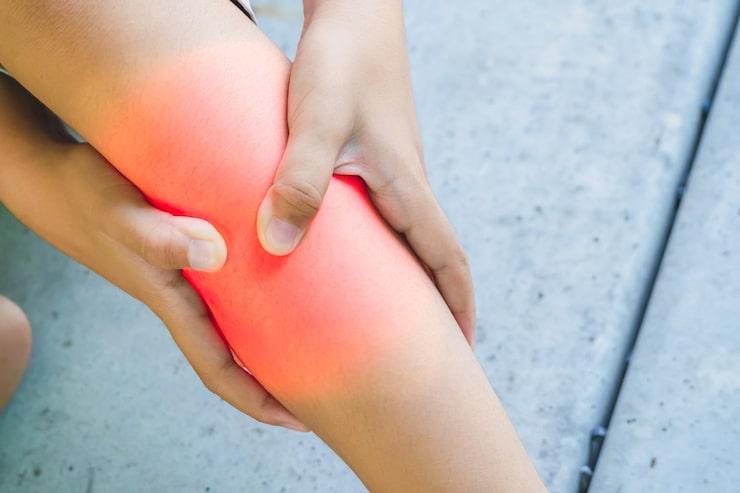
Learn all about Meniscus tears and their treatment from advise by the seasoned professionals at Prakash Hospital, Noida.
23 Sept 2025
by Prakash Hospital
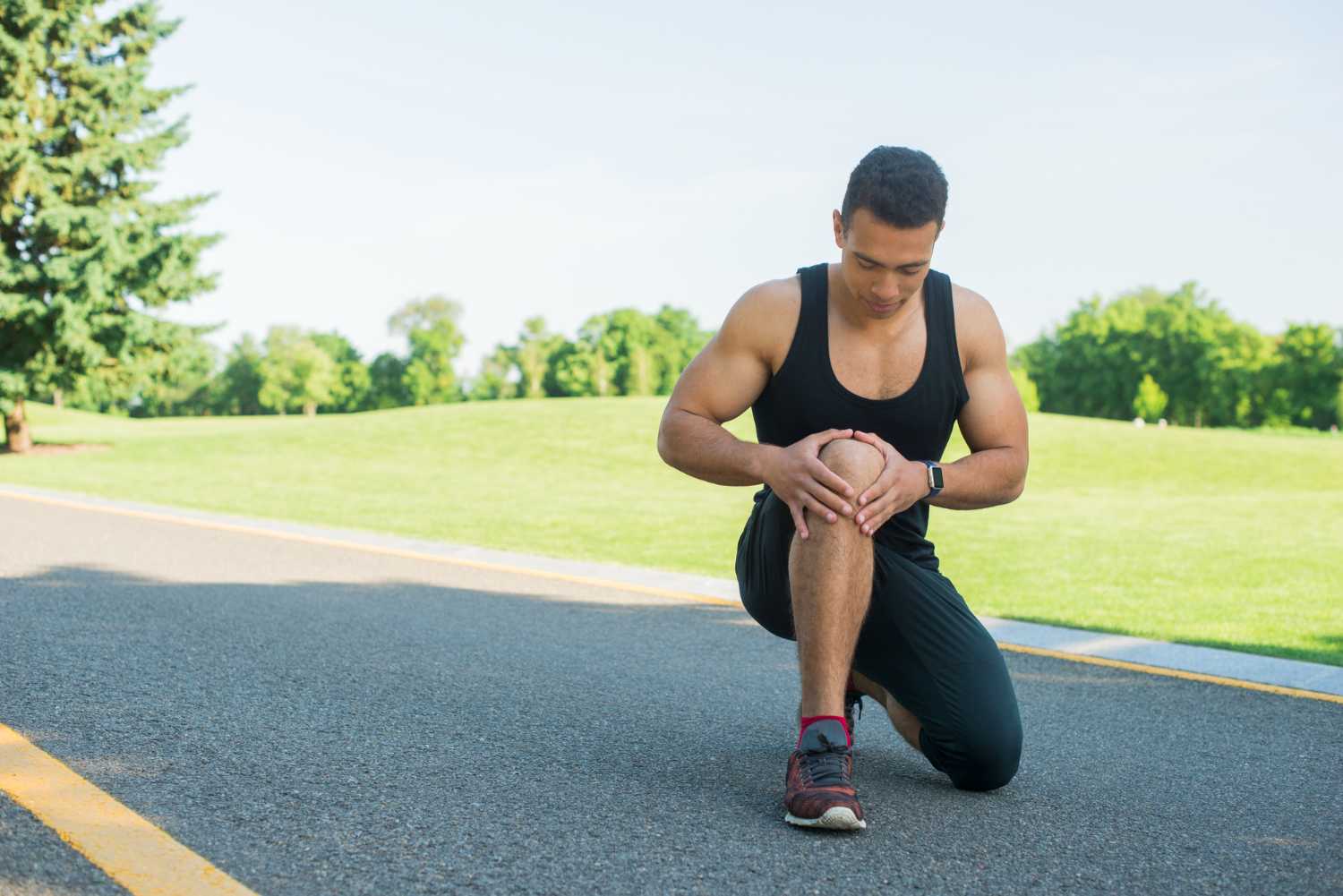
Learn about the most common knee injuries in sports, their symptoms, and effective treatment methods to ensure a safe return to activity.
5 May 2025
by Prakash Hospital

Discover early signs your liver may not be functioning properly, including fatigue, jaundice and digestive issues, expert liver care in Noida.
24 Mar 2026
by Prakash Hospital

लिवर खराब होने के शुरुआती लक्षण क्या हैं? थकान, पीलिया, पेट दर्द जैसे संकेतों को नज़रअंदाज़ न करें। कारण, जांच, इलाज और बचाव के तरीके जानें।
20 Feb 2026
by Prakash Hospital
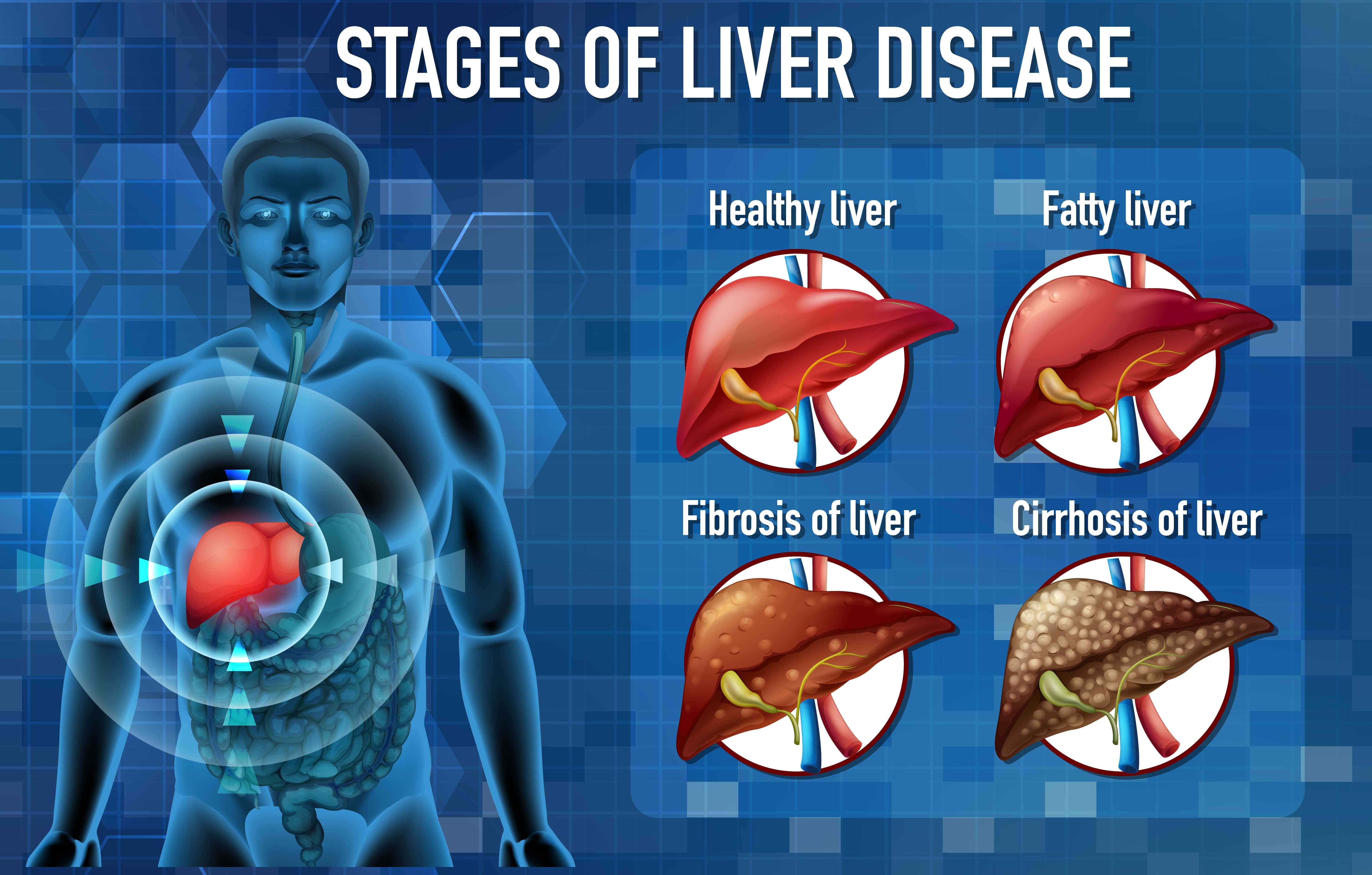
Home remedies to strengthen the liver — foods, lifestyle changes, and natural approaches that support liver health. Visit Prakash Hospital Noida for liver care.
11 Jun 2026
by Prakash Hospital

जानिए स्पोर्ट्स इंजरी क्यों होती है, इससे कैसे बचा जा सकता है और चोट लगने पर क्या करना चाहिए।
6 Apr 2026
by Prakash Hospital

Discover the best calcium-rich foods to strengthen bones, improve bone density, and support overall health with simple dietary choices.
23 Apr 2026
by Prakash Hospital

Discover calcium rich foods for strong bones, daily calcium needs, deficiency signs, absorption tips, and how to maintain lifelong bone health.
6 Jan 2026
by Prakash Hospital
Answers to common questions about ACL Reconstruction Surgery at Prakash Hospital, Noida.


Book a consultation with Prakash Hospital's specialists — 24/7 emergency care, 100+ doctors, NABH accredited.
View All Departments