


Why Kidney Health Needs Your Attention in 2025
Learn why kidney disease early detection matters in 2025. Discover signs, causes, treatment options, and how screening can protect your health.
6 May 2025
by Prakash Hospital
by Prakash Hospital
by Prakash Hospital
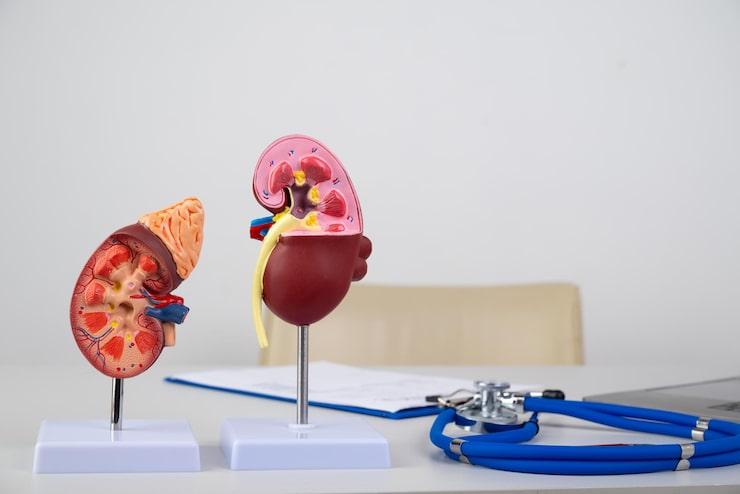
Anatomical Models of Kidneys
When there is too much waste and not enough liquid in the urine, kidney stones—small, hard deposits—form in the kidneys. Larger stones might need medical attention, but smaller stones usually go away on their own. We'll provide a clear and understandable explanation of the typical kidney stone removal techniques in this blog.
Kidney stones don't always need to be removed. Nonetheless, the following circumstances usually suggest that removal is required:
To facilitate the kidney stone's easier passage through the urine, ESWL uses sound waves to break it up into smaller pieces.
The method used:
Recovery**:** Stone fragments may be passed over several days, but most people return home the same day.
Used when the kidney itself or the ureter—the tube that connects the kidney and bladder—has a stone.
The method used:
Recuperation: On the day of the procedure, patients typically return home. Urine flow may be aided by the placement of a temporary stent, which is a tiny tube.
For large or complicated stones, surgery
Used for bigger stones that are resistant to other treatments.
The method used:
Recovery: Usually calls for a hospital stay of one to two days.
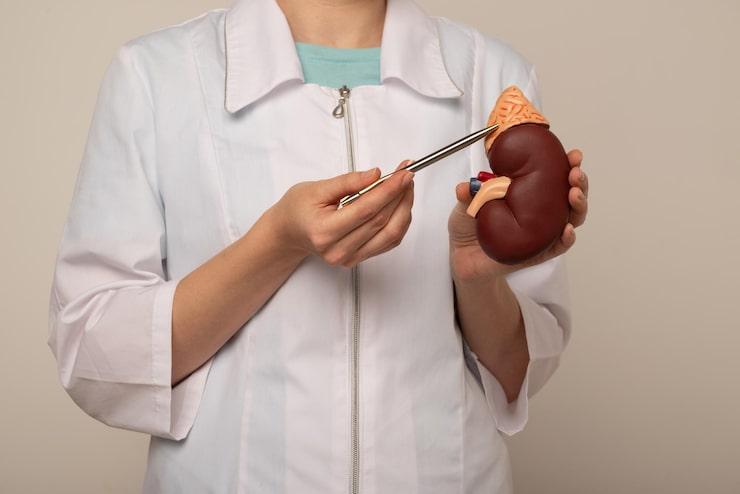
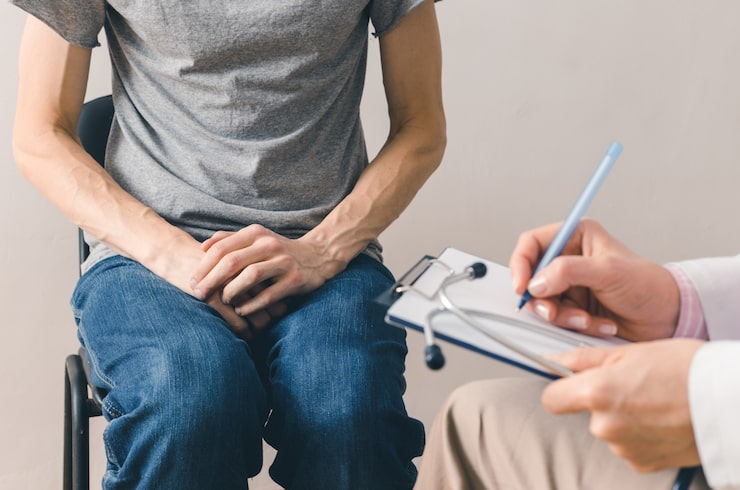
Doctor discussing kidney health
You are more likely to get another stone after you've already had one.
Here's how to reduce the risk:
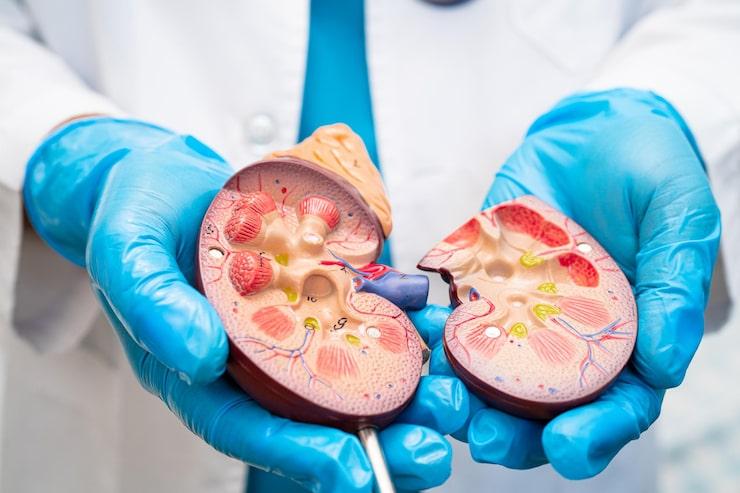
Model of an open kidney
Kidney stone removal has advanced significantly and is now less invasive and safer than before. Doctors can efficiently treat kidney stones and hasten your recovery using sound waves, tiny scopes, or surgery. See your doctor to find out the best course of action if you suspect kidney stones.

This article covers urology concerns. These Prakash Hospital doctors in Noida treat them.

Dr. Prabhat Ranjan
Consultant Urologist, Andrologist & Laparoscopic Surgeon
Uro Surgeon
Medicines, shock waves, laser ureteroscopy or PCNL, chosen by the size and position of your stone.
Permanent male contraception: the sperm tubes are cut and sealed under local anaesthetic in about 30 minutes.
Removes the foreskin, usually as day care, for phimosis, repeated infection or religious reasons.
Free tools to check your weight, plan a pregnancy, track calories and more.
We offer expert care across key specialties, including Medicine, Cardiology, Orthopaedics, ENT, Gynaecology, and more—delivering trusted treatment under one roof.
Learn why kidney disease early detection matters in 2025. Discover signs, causes, treatment options, and how screening can protect your health.
6 May 2025
by Prakash Hospital

High uric acid causes gout and kidney stones. Learn how to reduce it naturally through diet and lifestyle. Prakash Hospital Noida.
18 Aug 2026
by Prakash Hospital

Prostate problems — symptoms of BPH, prostatitis and prostate cancer, the tests used to diagnose them, and when to see a doctor. Prakash Hospital Noida.
5 Oct 2026
by Prakash Hospital
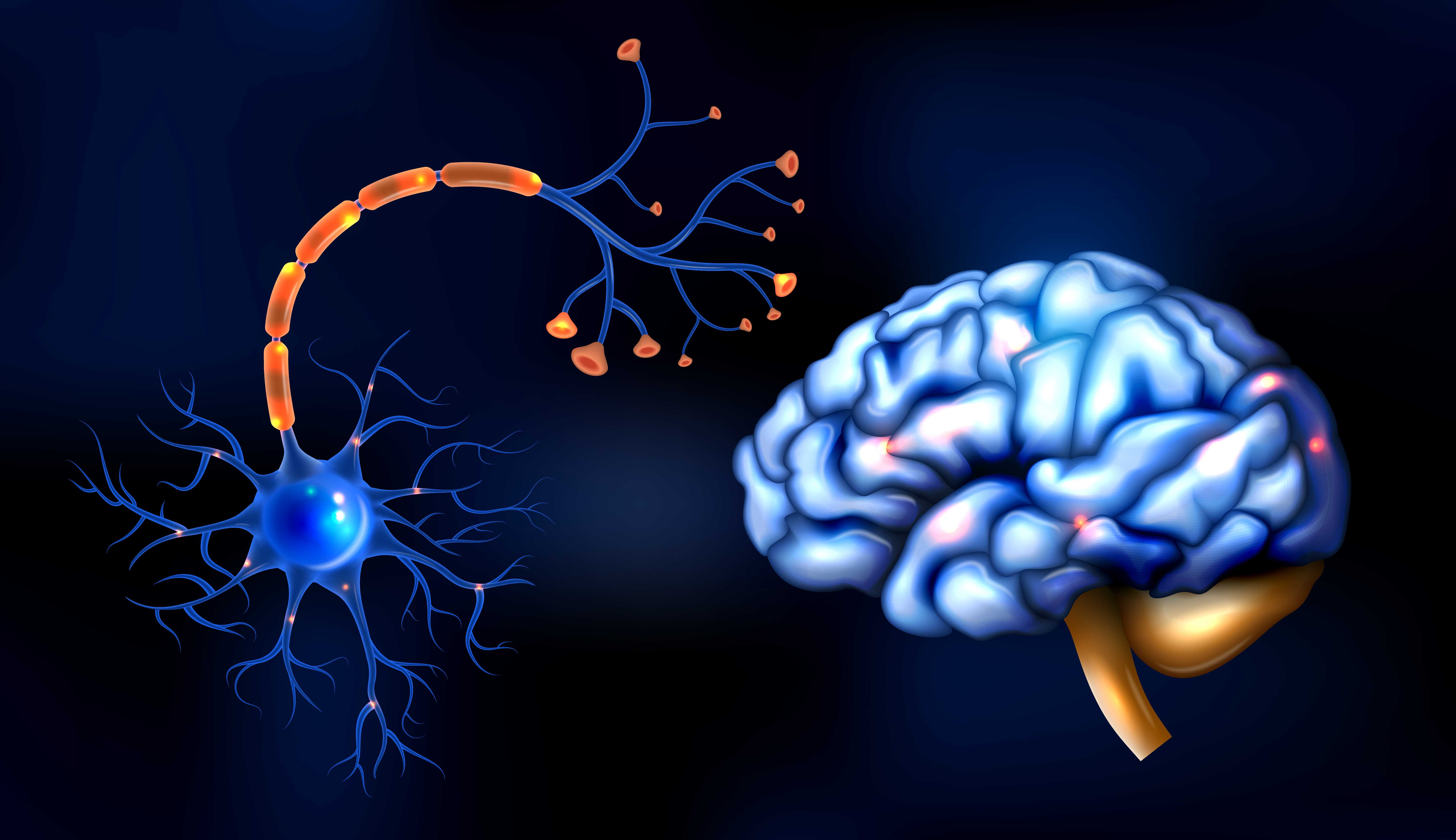
Learn the warning signs of brain hemorrhage, possible causes, emergency treatment options, and why immediate medical attention is critical.
19 May 2026
by Prakash Hospital

Learn about different types of headaches, their causes, warning signs, diagnosis, and treatment options.
26 Feb 2026
by Prakash Hospital

बार-बार भूलना कब सामान्य है और कब यह गंभीर बीमारी का संकेत हो सकता है? मेमोरी लॉस के कारण, चेतावनी संकेत, जांच और इलाज के बारे में विस्तार से जानें।
25 Feb 2026
by Prakash Hospital
Learn key insights into prostate health, symptoms, and treatment options with expert urology care from Prakash Hospital, Noida.
23 Oct 2025
by Prakash Hospital

Learn about urinary tract infection (UTI), including symptoms, causes, diagnosis, treatment options, and prevention tips at Prakash Hospital.
17 Feb 2026
by Prakash Hospital


Book a consultation with Prakash Hospital's specialists — 24/7 emergency care, 100+ doctors, NABH accredited.
View All Departments