

Emergency Stroke Management and Care
Fast scans and treatment for stroke, round the clock, followed by rehabilitation. If you see a drooping face, a weak arm or slurred speech, call for help now.

- Anaesthesia
- None for clot-busting treatment
- Hospital stay
- Usually 3 to 10 days
- Recovery
- Most gains in the first 3 to 6 months
- Results
- Better the sooner treatment starts
On this page
Overview
One side of the face drops. An arm goes weak, or speech comes out slurred. A stroke usually strikes without warning, and the person may not realise anything is wrong. If you see these signs, call an ambulance or get to the nearest emergency department at once. Don't wait to see if it passes.
A stroke happens when the blood supply to part of the brain is cut off, most often by a clot (ischaemic stroke) and less often by an artery bursting and bleeding into the brain (haemorrhagic stroke). Brain cells start dying within minutes. The two types need opposite treatment, so a brain scan comes first. A clot can be dissolved with medicine through a drip (thrombolysis), but only within about 4.5 hours of the first symptom.
Many people regain a lot of what they lost, mostly in the first 3 to 6 months. Some are left with lasting weakness or speech problems, and preventing a second stroke becomes part of daily life.
At Prakash Hospital, suspected strokes go straight to the resuscitation bay of our 24/7 emergency department. Our neurology team follows a dedicated stroke protocol with the emergency, radiology and critical care teams to cut the time to treatment, and rehabilitation starts early.
Signs of a stroke
Remember FAST. Any one of these signs, even briefly, is an emergency.
- Face: one side droops. Ask the person to smile and see if it's uneven
- Arms: one arm or leg is weak or numb. Ask them to raise both arms and watch for one drifting down
- Speech: slurred or muddled words, or trouble understanding you
- Time: call an ambulance at once and note when the symptoms started
- Sudden loss of vision in one eye, or double vision
- Sudden loss of balance or trouble walking
- A sudden, severe headache unlike any before
Treatment options
Clot-busting medicine (thrombolysis)
A medicine such as alteplase or tenecteplase, given into a vein, can dissolve the clot if it's started within about 4.5 hours, and the earlier the better. The scan must show no bleeding, and the team checks for reasons it would be unsafe, such as recent surgery or blood thinners.
Clot removal (thrombectomy)
When a large brain artery is blocked, a specialist neuro-interventional team can pull the clot out through a catheter, in selected people up to 24 hours after onset. The first scans show whether you might benefit, and your neurologist will explain the options straight away.
Care for a bleeding stroke
Blood pressure is lowered carefully and blood thinners are reversed. Some bleeds, and some large strokes with dangerous swelling, need surgery by the neurosurgery team.
If you think someone is having a stroke
- Call an ambulance or go to the nearest emergency department straight away. Our ambulance service runs round the clock
- Note the time the symptoms began, or when the person was last seen normal
- Don't give food, water or tablets, including aspirin. Swallowing may be affected, and if the stroke is a bleed, aspirin can make it worse
- If the person is drowsy or vomiting, lay them on their side
- Skip home remedies such as pricking the fingertips. They don't help and they waste time
- Bring their medicine list, especially blood thinners, and a relative who knows their history
What happens in the emergency department
- 01
Straight to the resuscitation bay
Suspected strokes skip the queue. Breathing, pulse, blood pressure and blood sugar are checked at once, since low sugar can mimic a stroke.
- 02
Rapid assessment and scan
A doctor checks speech, vision and strength and confirms when the symptoms began, and a CT scan shows whether there's bleeding.
- 03
Treatment decision
If there's no bleed, you're within the time window and it's safe, clot-busting medicine starts. For a bleed, blood pressure is lowered and the neurosurgery team reviews you.
- 04
Close monitoring
You're admitted to intensive care, where blood pressure, heartbeat, sugar and brain function are watched closely. A swallow check comes before any food or drink.
- 05
Finding the cause
Over the next few days, an MRI, blood tests, an echocardiogram and heart rhythm monitoring look for why the stroke happened.
Benefits and risks
Benefits
- Early clot-busting treatment raises the chance of recovering with little or no disability
- Quick scanning separates clot from bleed, so the right treatment starts without delay
- Close monitoring catches swelling or a second stroke early
- Finding the cause, such as atrial fibrillation, helps prevent another stroke
Possible risks
- Bleeding into the brain after clot-busting treatment, in roughly 2 to 6 in 100 people treated, which can be serious
- A chest infection if food or drink goes into the lungs
- Blood clots in the legs from lying still
- A second stroke, most likely in the first days and weeks
- Depression, which affects around 1 in 3 people after a stroke and can be treated
Recovery and rehabilitation
The brain can rewire itself to a surprising degree, especially in the first few months. Progress is often slower than families hope, but regular therapy makes a real difference.
- 01
First days in hospital
Once you're stable, physiotherapists help you sit and move, and speech therapists check swallowing and speech. Family members start learning how to help.
- 02
Weeks 1 to 4
Most people go home within 1 to 2 weeks. A commode chair or raised seat is safer than squatting on an Indian toilet while balance is poor. Ask about our home care plan for nursing or physiotherapy at home.
- 03
Months 1 to 6
Most recovery happens now, so keep up physiotherapy every day. Don't drive or ride a two-wheeler until your neurologist says it's safe, usually at least a month.
- 04
Long term
Take your prevention medicines daily, usually a blood thinner, a statin and blood pressure tablets. Cut down on salt, pickles and papad, keep diabetes on target and stop smoking.
When to call your doctor
- Any new or worsening weakness, numbness, speech or vision problem. Call an ambulance, even if it passes
- A sudden severe headache, repeated vomiting or increasing drowsiness
- Coughing or choking at meals, fever or breathlessness
- Pain or swelling in one calf
- A seizure (fit)
- Low mood lasting more than two weeks
Call us on +91-8826000033 or come straight to our 24/7 emergency department.
Talk to our Neurosciences / Neurology team
Ask about your options, the cost and your insurance before you decide. See the insurance and TPA panels we work with.
This page explains Emergency Stroke Management and Care in general terms. Your own plan depends on your health, your test results and your doctor's advice. Please read our medical disclaimer.
Your care team
Emergency Stroke Management and Care is led by our Neurosciences / Neurology team, with other departments stepping in at each stage of your care.
Neurology Department
At Prakash Hospital, our Neurology Department provides expert care for brain and nervous system disorders, offering accurate diagnoses and effective treatments to improve your neurological health.
What the department treats
Stroke Management
Epilepsy Care
Movement Disorder Treatment
Headache and Migraine Clinic
Nerve Conduction Studies
Dementia Care
Other departments involved
Emergency
Takes you straight into the resuscitation bay and starts the stroke protocol the moment you arrive.
Visit departmentNeurosciences
Reviews bleeding strokes and large strokes with brain swelling, and operates when surgery is needed.
Visit departmentPhysiotherapy
Starts rehabilitation early to rebuild walking and balance, and carries it on after you go home.
Visit departmentRelated procedures
Procedures often considered alongside Emergency Stroke Management and Care, or that treat related conditions.
Echocardiography
An ultrasound of the heart that shows how well it pumps and how the valves work. Painless and radiation-free.
Learn moreCardiologyHolter Monitoring
A portable ECG worn for 24 to 48 hours to catch irregular heartbeats that come and go.
Learn moreBotox for Neurology
Targeted injections for chronic migraine, dystonia, eyelid spasm and muscle stiffness after a stroke.
Learn moreLumbar Puncture
Collects spinal fluid from the lower back to diagnose meningitis, bleeding around the brain and nerve inflammation.
Learn moreEEG (Electroencephalogram)
Records the brain's electrical activity through scalp electrodes to help diagnose epilepsy and seizures.
Learn moreMore in Neurosciences / Neurology
Other procedures our Neurosciences / Neurology team performs.
Related articles
Guides from our doctors on Emergency Stroke Management and Care and the conditions it treats.

स्ट्रोक के शुरुआती लक्षण कैसे पहचानें?
जानिए स्ट्रोक के शुरुआती लक्षण जैसे चेहरे का टेढ़ा होना, बोलने में दिक्कत और अचानक कमजोरी। समय पर पहचान और तुरंत इलाज से गंभीर नुकसान से कैसे बचा जा सकता है, आसान भाषा में समझें।
11 May 2026
by Prakash Hospital
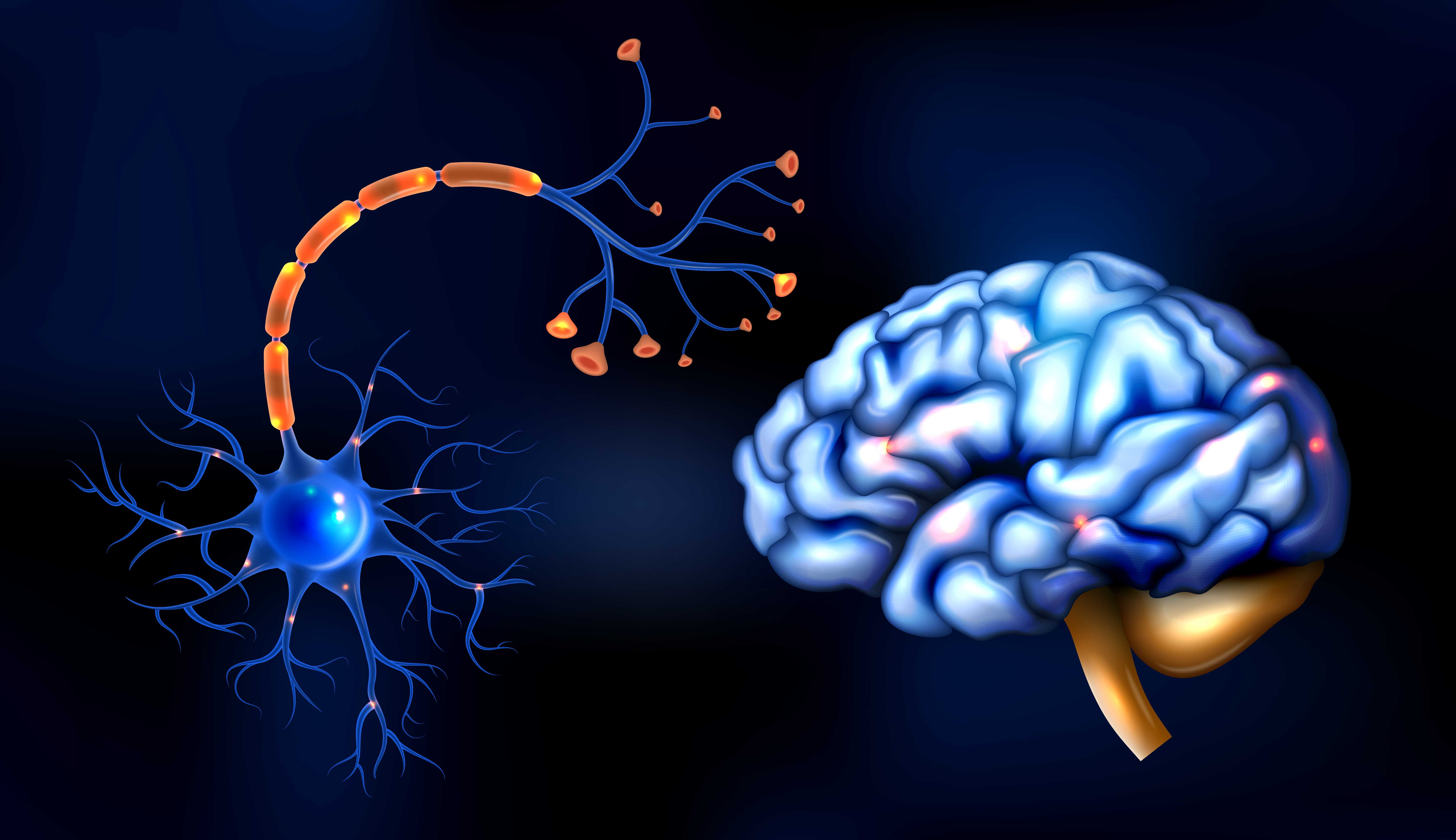
Brain Hemorrhage: Warning Signs, Causes and Emergency Treatment
Learn the warning signs of brain hemorrhage, possible causes, emergency treatment options, and why immediate medical attention is critical.
19 May 2026
by Prakash Hospital
How to Control High Blood Pressure: What Works at Home and When You Need More
Practical ways to lower blood pressure naturally through diet, exercise, and lifestyle — plus when medication is needed. Prakash Hospital Noida.
5 Aug 2026
by Prakash Hospital

Foods That Improve Brain Power and Memory
Best Indian foods for brain power, memory, and focus. What to eat to sharpen your mind naturally. From Prakash Hospital Noida.
27 Jul 2026
by Prakash Hospital

How to Increase Brain Power Naturally
Natural, science-backed ways to increase brain power, sharpen thinking, and improve mental performance. From Prakash Hospital Noida.
24 Jul 2026
by Prakash Hospital
High Blood Pressure (Hypertension): The Silent Risk
High blood pressure affects millions silently. Know symptoms, treatment, and lifestyle changes. Visit Prakash Hospital Noida.
22 Jul 2026
by Prakash Hospital
Frequently Asked Questions
Answers to common questions about Emergency Stroke Management and Care at Prakash Hospital, Noida.
How much time do we have to get treatment?
The symptoms went away in 10 minutes. Do we still need to go?
Can paralysis after a stroke be cured?
Can young people have a stroke?
Will it happen again?
Is stroke treatment covered by insurance?


Looking for the Best Hospital in Noida? Talk to Our Experts
Book a consultation with Prakash Hospital's specialists — 24/7 emergency care, 100+ doctors, NABH accredited.

Prakash Hospital Pvt. Ltd. is a 100 bedded NABH NABL accredited multispecialty hospital along with a center of trauma and orthopedics. We are in the service of society since 2001.
OUR SPECIALITIES
Patient Services
PROCEDURES
Contact Us
D – 12A, 12B, Sector-33, G. B. Nagar, Noida, Uttar Pradesh 201301
+91-8826000033


© 2026 All rights reserved.
Designed and Developed by Zarle Infotech


