


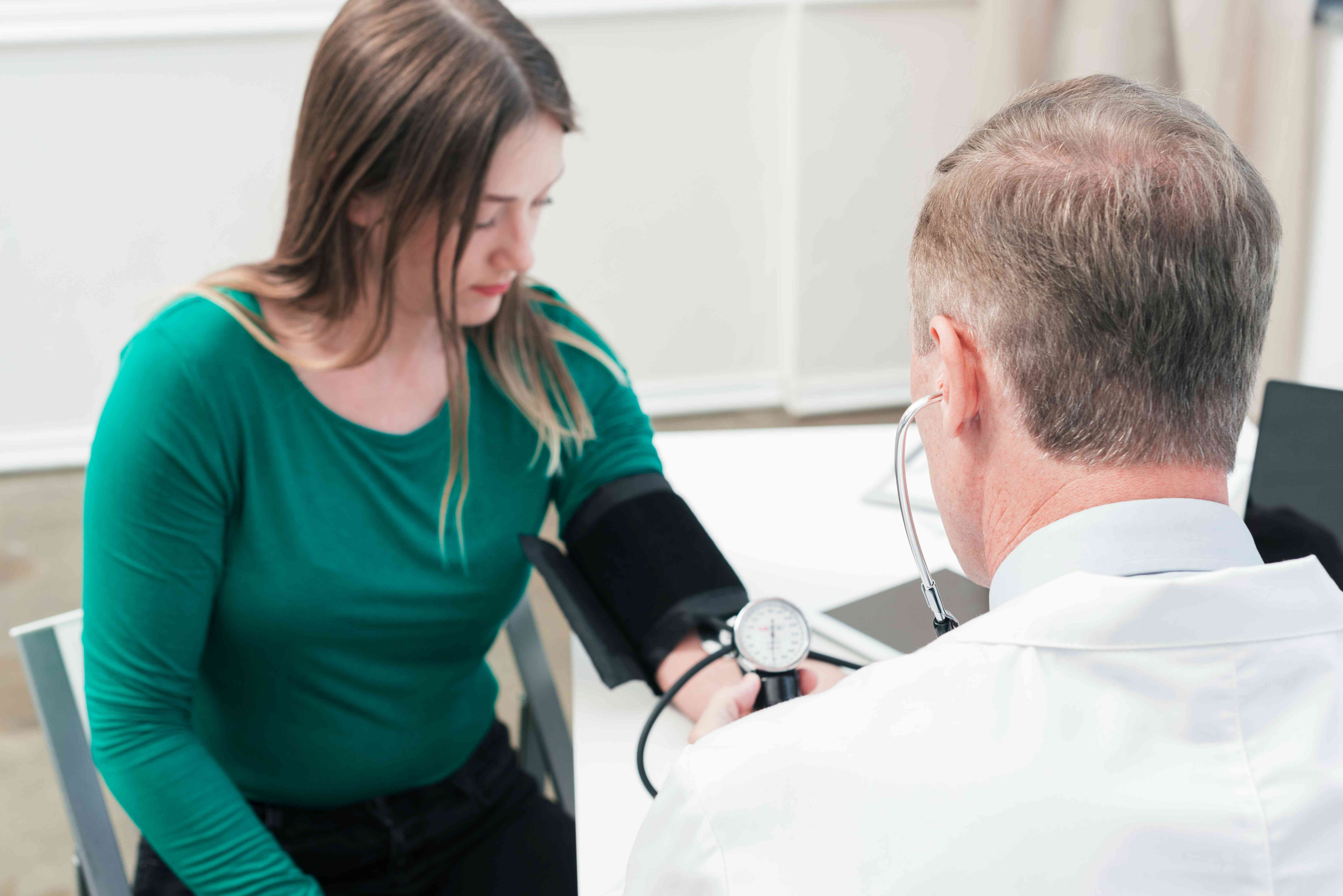
High Blood Pressure (Hypertension): The Silent Risk
High blood pressure affects millions silently. Know symptoms, treatment, and lifestyle changes. Visit Prakash Hospital Noida.
22 Jul 2026
by Prakash Hospital
by Prakash Hospital

High blood pressure, or hypertension, is often referred to as a “silent killer.” Unlike many other conditions, it may not cause any noticeable symptoms in its early stages. Many people live with high blood pressure for years without knowing it, during which time the condition steadily damages critical organs such as the heart, brain, kidneys, and eyes.
Understanding how high blood pressure silently affects the body is essential. This article breaks down the organ systems most commonly impacted and explains why regular monitoring and early management are crucial, even if you feel perfectly fine.
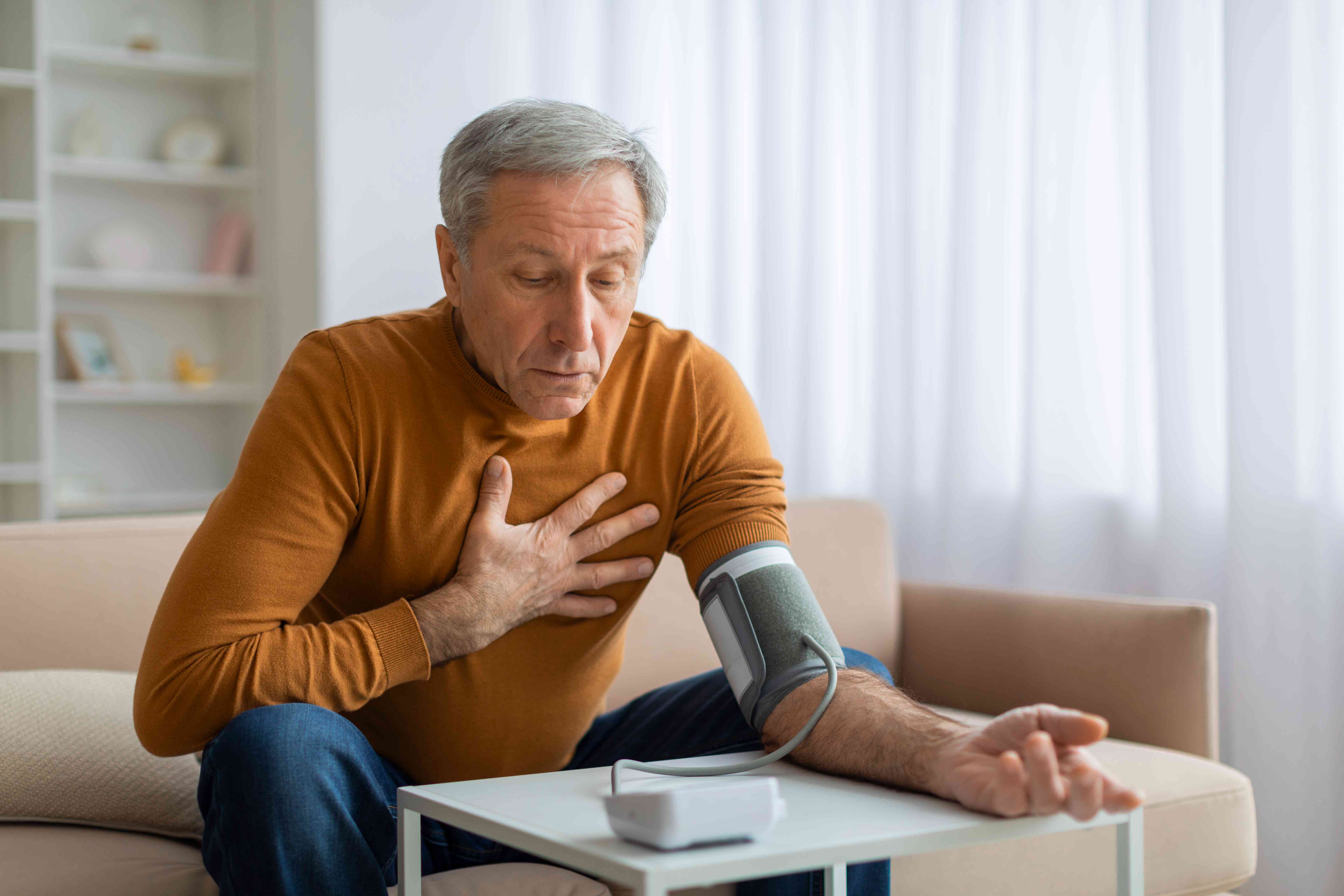
An elderly man monitors his blood pressure at home and feels discomfort in his chest.
Blood pressure is the force of blood pushing against the walls of your arteries as your heart pumps. A reading above 140/90 mmHg is considered high, though the exact thresholds can vary slightly based on age, medical history, and new research guidelines.
Hypertension can be categorized as:
Primary (Essential) Hypertension: Develops gradually with no identifiable cause.
Secondary Hypertension: Caused by an underlying condition such as kidney disease, hormonal disorders, or the use of certain medications.
Regardless of the type, uncontrolled high blood pressure has the potential to inflict widespread and lasting harm.
How it happens:
High blood pressure forces the heart to work harder to pump blood. Over time, this extra effort can lead to thickening of the heart muscle, especially the left ventricle. The condition may eventually weaken the heart, increasing the risk of heart failure, coronary artery disease, and arrhythmias.
Possible outcomes:
Left ventricular hypertrophy (LVH)
Heart failure
Increased risk of heart attack
Irregular heartbeats
Even in the absence of symptoms, elevated blood pressure puts constant strain on the heart’s structure and function.
How it happens:
Uncontrolled blood pressure can cause arteries in the brain to weaken or rupture. It also contributes to the formation of clots that can block blood flow to parts of the brain.
Possible outcomes:
Stroke (ischemic or hemorrhagic)
Transient ischemic attacks (mini-strokes)
Cognitive decline or vascular dementia
The risk of stroke doubles with every 20-point increase in systolic blood pressure (the top number). Early and consistent control can drastically reduce these risks.
How it happens:
The kidneys filter waste from the blood through a dense network of vessels. High blood pressure can damage these vessels, reducing the kidneys’ filtering capacity. Over time, this can lead to chronic kidney disease or even kidney failure, requiring dialysis.
Possible outcomes:
Proteinuria (protein leakage in urine)
Decreased glomerular filtration rate (GFR)
Chronic kidney disease
End-stage renal disease
Because kidney damage is often irreversible, prevention and early detection are critical.
How it happens:
The tiny blood vessels in the eyes are sensitive to elevated blood pressure. Chronic hypertension can cause narrowing, thickening, or bursting of these vessels, affecting vision.
Possible outcomes:
Hypertensive retinopathy
Vision impairment or blindness
Retinal vein occlusion
Optic nerve damage
Eye damage from hypertension is often detected during a routine eye exam. In some cases, it may be the first visible sign of the condition.
How it happens:
High pressure in the arteries can cause them to become stiff and narrow, limiting blood flow to organs and tissues. In some cases, it can also lead to aneurysms, where weakened artery walls bulge and may rupture.
Possible outcomes:
Peripheral artery disease
Aortic aneurysms
Organ ischemia
Increased risk of heart attack and stroke
Vascular damage often progresses silently and is discovered only when complications arise.
How it happens:
Reduced blood flow caused by narrowed arteries can affect sexual function in both men and women. In men, this may result in erectile dysfunction, while women may experience reduced arousal or discomfort.
Possible outcomes:
Erectile dysfunction
Decreased libido
Pain during intercourse
Though rarely discussed, these symptoms may signal underlying vascular issues related to blood pressure.
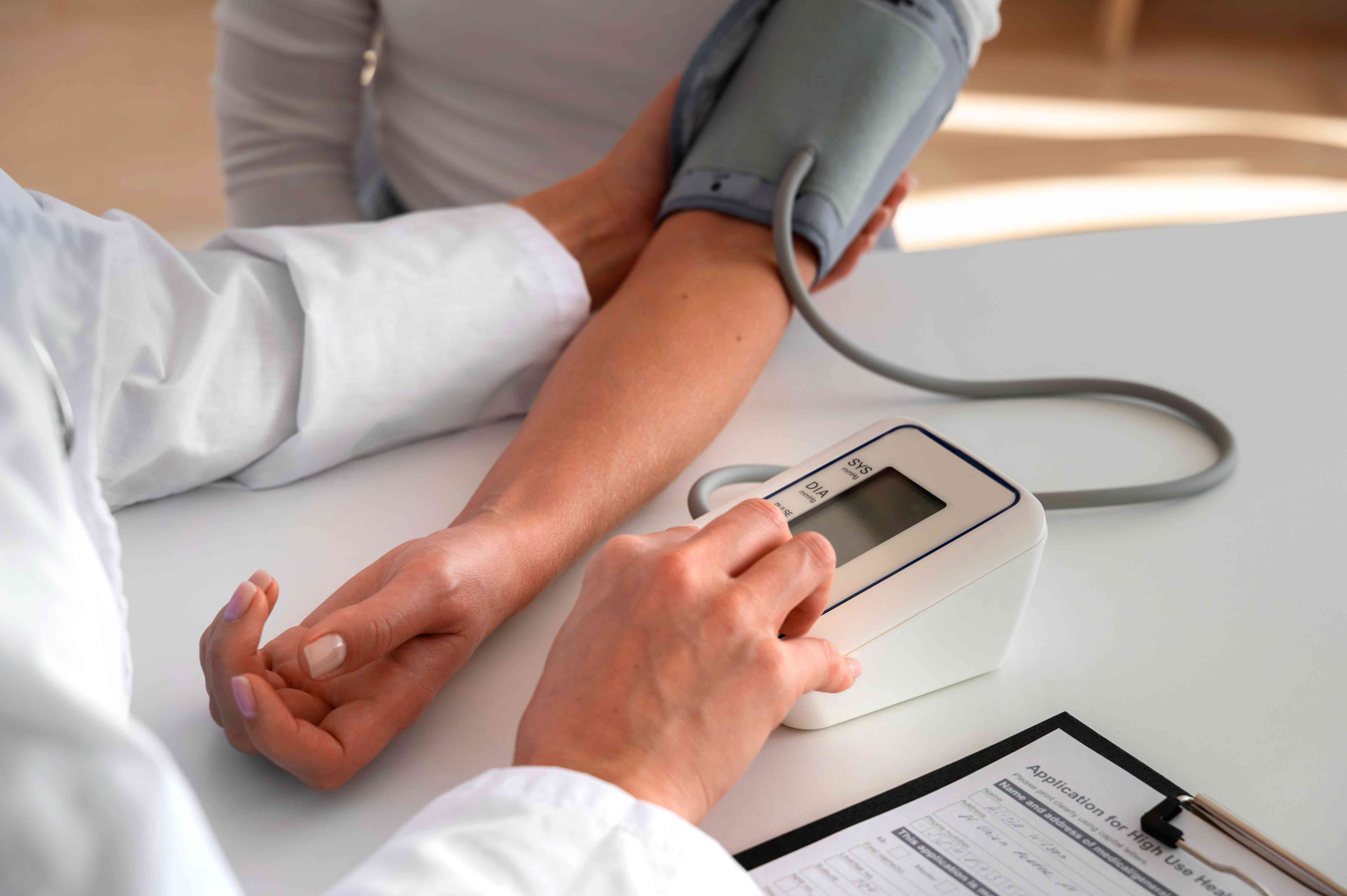
A doctor uses a digital device to measure a patient's blood pressure accurately.
High blood pressure typically develops over time and doesn’t produce obvious warning signs until serious complications arise. That’s why it’s often called the silent killer. In most cases:
There is no pain or discomfort.
Individuals feel energetic and normal.
Symptoms (if any) like headaches, nosebleeds, or dizziness, occur only in extremely high readings.
Routine screening is the only reliable way to know your blood pressure status and take action before damage occurs.
Certain individuals are more prone to developing high blood pressure. Risk factors include:
Family history of hypertension
High-salt diet
Obesity or overweight
Sedentary lifestyle
Smoking and alcohol use
Chronic stress
Diabetes or kidney disease
Age (risk increases with age)
Even young adults are not immune; lifestyle-related hypertension is becoming more common in those under 40.
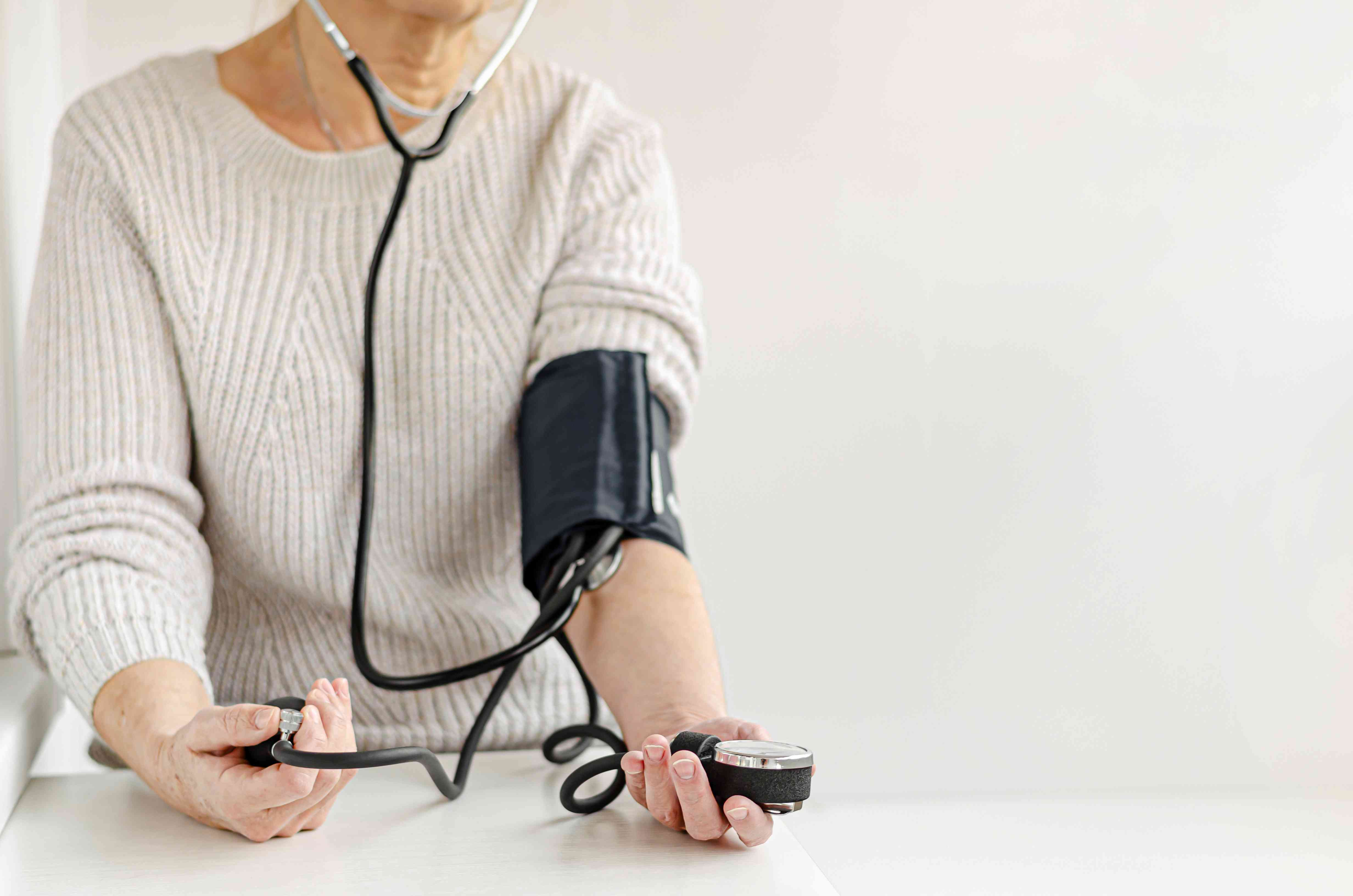
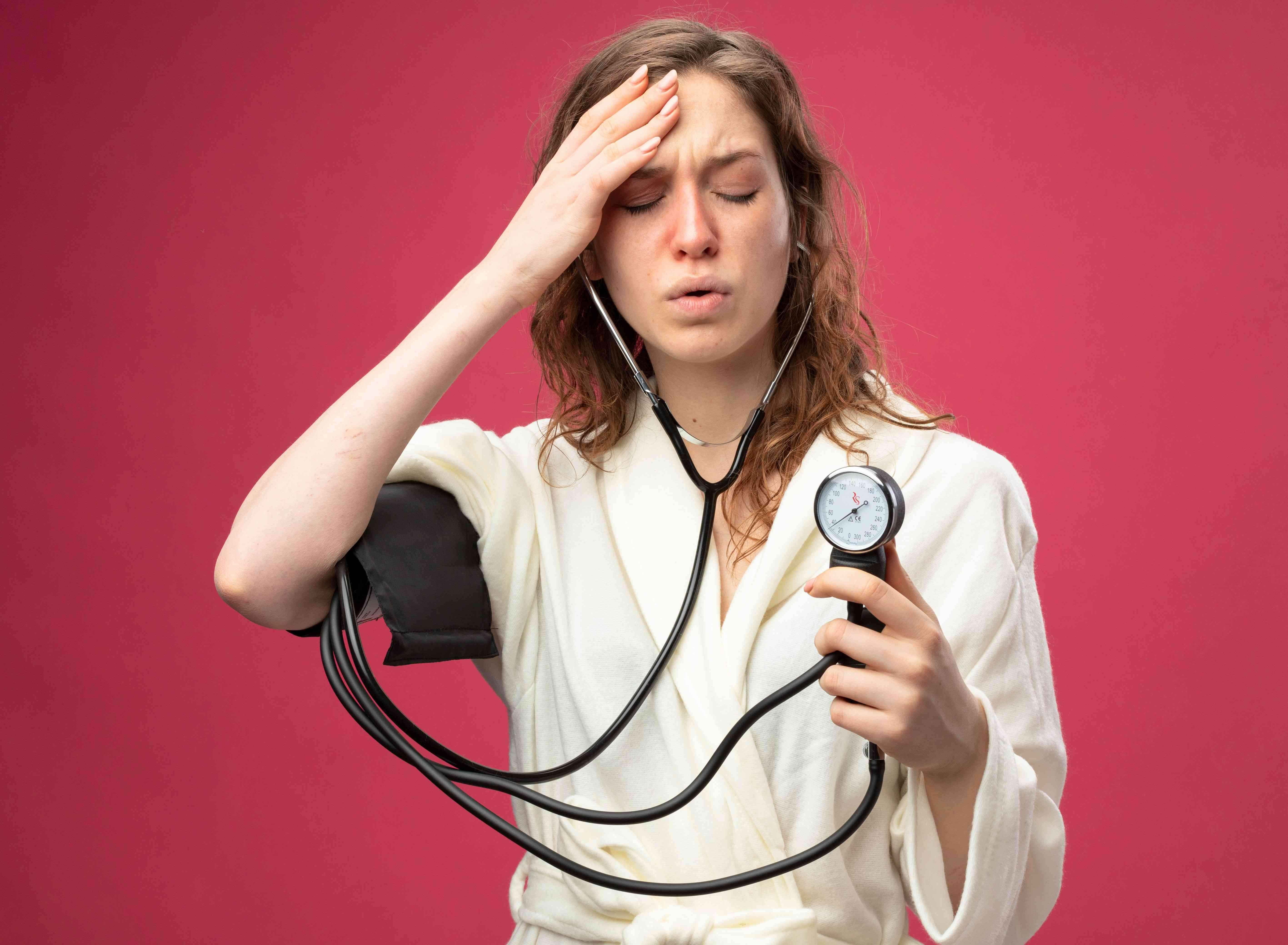
A woman checks her blood pressure at home using a manual blood pressure cuff.
Management typically includes:
Regular monitoring: Home-based digital monitors can help track your readings.
Lifestyle changes: A low-sodium diet, regular physical activity, weight loss, and reduced alcohol consumption.
Medication: Prescribed antihypertensives help keep blood pressure within target ranges.
Regular follow-ups: Ongoing medical checkups help adjust treatment as needed and detect early organ damage.
Controlling blood pressure reduces the risk of heart attack, stroke, kidney failure, and vision loss, even in people with no symptoms.
Q1: Can high blood pressure cause symptoms like headaches or dizziness?
In most people, high blood pressure does not cause noticeable symptoms. Headaches and dizziness may occur in cases of very high or dangerously elevated blood pressure.
Q2: How often should I check my blood pressure?
Adults should check their blood pressure at least once a year. Those with risk factors or previous elevated readings may need more frequent monitoring.
Q3: Is it possible to lower blood pressure without medication?
Yes, in early or borderline cases, lifestyle changes such as diet modification, exercise, weight loss, and stress reduction can help reduce blood pressure. However, medication may be necessary if readings remain high.
Q4: What’s considered a normal blood pressure reading?
A typical normal reading is around 120/80 mmHg. Readings between 130–139/80–89 mmHg are considered elevated, while anything over 140/90 mmHg is high.
Q5: Can young people have high blood pressure?
Yes. Poor lifestyle habits, stress, obesity, and family history can lead to hypertension even in people in their 20s and 30s.
High blood pressure rarely announces itself, but it steadily impacts nearly every major organ system. Damage can begin early, long before any obvious signs develop. Recognizing the hidden dangers of hypertension and taking steps to monitor and manage it can prevent severe complications down the line. Understanding how this silent condition affects your body is the first step toward long-term well-being.

Removes tonsils that cause repeated throat infections or block a child's breathing during sleep.
A magnified check of the cervix after an abnormal Pap or HPV test, with a small biopsy if needed.
Keyhole surgery on the ovaries to restart ovulation in PCOS when tablets haven't worked, without raising the twin risk.
Free tools to check your weight, plan a pregnancy, track calories and more.
We offer expert care across key specialties, including Medicine, Cardiology, Orthopaedics, ENT, Gynaecology, and more—delivering trusted treatment under one roof.
High blood pressure affects millions silently. Know symptoms, treatment, and lifestyle changes. Visit Prakash Hospital Noida.
22 Jul 2026
by Prakash Hospital
Understand hypertension causes, risks, and lifestyle changes to manage high blood pressure effectively.
5 Jun 2025
by Prakash Hospital
How to lower blood pressure naturally through diet, exercise, sleep and stress management. Evidence-based guide for Indians. Prakash Hospital Noida.
18 Aug 2026
by Prakash Hospital

Understand the importance of a balanced diet, its key benefits, essential nutrients, and how healthy eating supports overall well-being.
22 Jan 2026
by Prakash Hospital

Vitamin D rich foods — a complete list of the best dietary sources, from fish and eggs to fortified foods and mushrooms. Visit Prakash Hospital Noida for health checkups.
21 May 2026
by Prakash Hospital

Iron-rich foods — the best sources to boost hemoglobin, prevent anaemia, and stay energetic. Visit Prakash Hospital Noida for blood tests and nutrition care.
29 Jun 2026
by Prakash Hospital

Learn the early symptoms of thyroid problems in women, common causes, and when to seek medical advice for timely diagnosis and treatment.
13 May 2026
by Prakash Hospital

The best immunity boosting foods for Indians — from amla and turmeric to dal and garlic. Science-backed guide from Prakash Hospital Noida.
18 Aug 2026
by Prakash Hospital
Discover proven, everyday habits that can help reduce high blood pressure—naturally. Includes tips on food, stress, exercise, and hydration.
26 May 2025
by Prakash Hospital


Book a consultation with Prakash Hospital's specialists — 24/7 emergency care, 100+ doctors, NABH accredited.
View All Departments