


Heavy Periods (Menorrhagia): Causes, Symptoms, and Treatment
Heavy periods can affect quality of life and cause anemia. Know the causes, treatments, and when to see a doctor. Visit Prakash Hospital Noida.
8 Jul 2026
by Prakash Hospital
Surgery that removes fibroids and repairs the uterus, for women with heavy bleeding or pressure symptoms who want to keep their womb or plan a pregnancy.

Many women in their 30s and 40s have a fibroid and never know it. The trouble starts when fibroids grow. Periods flood through clothes, haemoglobin won't stay up, the belly looks pregnant, or the bladder sends you to the toilet every hour. For women hoping to conceive, a fibroid in the wrong place can get in the way too.
A myomectomy removes the fibroids and leaves the uterus in place. The surgeon cuts into the uterine wall over each fibroid, shells it out and stitches the muscle back together in layers, so it's strong enough to carry a pregnancy later. It can be done through keyhole cuts, through a bikini-line cut, or, for fibroids inside the cavity, through the cervix with a hysteroscope.
For most women, heavy bleeding and pressure symptoms improve markedly. Be aware of the limits, though. Myomectomy doesn't stop new fibroids growing, and some women need further treatment years later. Bleeding during the operation can be heavy, because the uterus has a rich blood supply.
We treat fibroids with medicines as well as laparoscopic and hysteroscopic surgery in our gynaecology department. Your surgeon chooses the approach from the number, size and position of your fibroids, which we map with ultrasound before the operation.
Myomectomy is for women whose fibroids cause symptoms and who want to keep the uterus, usually for a future pregnancy but sometimes simply by choice.
Done through 3 or 4 small cuts, and suited to a limited number of fibroids of moderate size. The fibroids are cut into smaller pieces to come out through the small cuts, ideally inside a bag. You usually stay 1 to 2 days and are back to normal in 2 to 4 weeks.
Done through a horizontal bikini-line cut, or occasionally an up-and-down one for a very large uterus. It's used for large, deep or numerous fibroids, often more than 4 or 5, because the surgeon can feel for small ones and repair the wall in layers. Expect 2 to 4 days in hospital and 4 to 6 weeks of recovery.
For fibroids bulging into the cavity (submucosal fibroids). They're shaved away through the cervix with a resectoscope, with no cuts on the abdomen, as a day-care procedure. Large ones may need two sittings.
You're given a general anaesthetic, and a catheter drains your bladder during the operation.
The surgeon may inject a medicine into the uterine wall that narrows its blood vessels, or place a temporary band around the lower uterus in open surgery.
A cut is made over each fibroid, which is grasped and shelled out of its capsule. The surgeon tries to remove as many as possible through as few cuts in the uterus as possible.
The muscle is stitched in one or more layers to close the space each fibroid left. This repair is what lets the uterus carry a pregnancy later.
In keyhole surgery, fibroids are cut into pieces inside a bag and taken out through a small cut. All the tissue goes to the lab, and the skin is closed with dissolving stitches.
How quickly you recover depends on the approach, so ask your surgeon which timeline applies to you.
Regular painkillers keep you comfortable, the catheter comes out early and you're up and walking within a day. After keyhole surgery most women go home in 1 to 2 days.
After open surgery you usually go home on day 3 or 4. Eat fibre and drink plenty of water so you don't strain, and include protein with every meal to help the wounds heal. Our post-surgery diet chart can help you plan meals.
After keyhole surgery, most women are back at work in 2 to 4 weeks. After open surgery, allow 4 to 6 weeks. Don't lift buckets of water or gas cylinders until your surgeon says the wound has healed.
The scar in the uterus firms up over these months. Most women are advised to wait 3 to 6 months before trying to conceive, and your surgeon will confirm the timing based on how deep the repairs were.
Call us on +91-8826000033 or come straight to our 24/7 emergency department.
Tranexamic acid and anti-inflammatory medicines reduce bleeding, and a hormonal coil helps when fibroids are small and the cavity isn't distorted. GnRH injections shrink fibroids for a few months, but none of these removes them.
If your family is complete, a laparoscopic hysterectomy removes the fibroids for good, and they can't come back.
An interventional radiologist blocks the blood supply to the fibroids through a thin tube passed into an artery in the groin, and some patients are referred elsewhere for it. It's less suited to women planning a pregnancy.
Fibroids that cause no symptoms don't need treatment, and they usually shrink after menopause.
Talk to our Gynecology & Obstetrics team
Ask about your options, the cost and your insurance before you decide. See the insurance and TPA panels we work with.
This page explains Fibroid Removal Surgery (Myomectomy) in general terms. Your own plan depends on your health, your test results and your doctor's advice. Please read our medical disclaimer.
Fibroid Removal Surgery (Myomectomy) is led by our Gynecology & Obstetrics team, with other departments stepping in at each stage of your care.
At Prakash Hospital, our Obstetrics and Gynecology Department provides expert care for women at every life stage — from prenatal care and childbirth to gynecological health and menopause management.
What the department treats
High-Risk Pregnancy Care
Laparoscopic Surgery
PCOS Management
Infertility Treatment
Prenatal and Postnatal Care
Menopause Management
Procedures often considered alongside Fibroid Removal Surgery (Myomectomy), or that treat related conditions.
Removes the uterus through keyhole cuts, for fibroids, heavy periods or adenomyosis that other treatment hasn't fixed.
A camera through the cervix to see inside the uterus and remove polyps, small fibroids or scar tissue, with no cuts.
Treats the uterine lining to make heavy periods lighter or stop them, with no cuts, for women who want no more children.
Delivers the baby through a low cut in the abdomen and uterus, planned or in labour, usually under spinal anaesthesia.
Keyhole removal of an ovarian cyst that keeps the healthy ovary, usually with a stay of one night or less.
Other procedures our Gynecology & Obstetrics team performs.
Care through labour and vaginal birth, including VBAC for suitable women who have had one caesarean before.
A magnified check of the cervix after an abnormal Pap or HPV test, with a small biopsy if needed.
Blocks or removes the fallopian tubes for permanent contraception, usually as day-care keyhole surgery.
Keyhole surgery on the ovaries to restart ovulation in PCOS when tablets haven't worked, without raising the twin risk.
We offer expert care across key specialties, including Medicine, Cardiology, Orthopaedics, ENT, Gynaecology, and more—delivering trusted treatment under one roof.
Free tools to check your weight, plan a pregnancy, track calories and more.
Heavy periods can affect quality of life and cause anemia. Know the causes, treatments, and when to see a doctor. Visit Prakash Hospital Noida.
8 Jul 2026
by Prakash Hospital
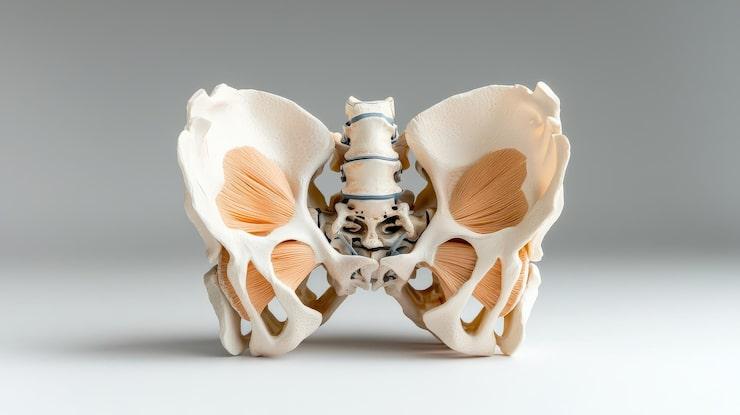
Discover the key benefits of advanced pelvic laparoscopy and how it improves recovery and outcomes with care from Prakash Hospital.
16 Sept 2025
by Prakash Hospital

Discover effective natural remedies for period pain relief, including lifestyle tips, home treatments, and ways to ease menstrual cramps safely.
28 Apr 2026
by Prakash Hospital

जानिए थायरॉइड टेस्ट कब करवाना चाहिए, किन लक्षणों में जांच जरूरी है, और कौन-कौन से टेस्ट होते हैं। सही समय पर Prakash Hospital से संपर्क करें।
2 Mar 2026
by Prakash Hospital

Discover what causes insulin resistance and how diet, exercise, sleep, and lifestyle changes can help you take control of your health
9 Apr 2026
by Prakash Hospital

Low testosterone symptoms — fatigue, low libido, mood changes and more. Causes, when to get a morning blood test, and treatment. Prakash Hospital Noida.
6 Oct 2026
by Prakash Hospital

पीरियड्स के दौरान होने वाले पेट और कमर दर्द से राहत पाने के आसान घरेलू, मेडिकल और लाइफस्टाइल उपाय जानें।
4 Feb 2026
by Prakash Hospital

Understand period pain, its causes, types, underlying medical conditions, and effective relief options including lifestyle changes and medical treatment.
16 Jan 2026
by Prakash Hospital
How to relieve period pain — from NSAIDs and heat packs to yoga and diet changes. When severe pain needs investigation. Prakash Hospital Noida.
21 Sept 2026
by Prakash Hospital
Answers to common questions about Fibroid Removal Surgery (Myomectomy) at Prakash Hospital, Noida.


Book a consultation with Prakash Hospital's specialists — 24/7 emergency care, 100+ doctors, NABH accredited.
View All Departments