


What Are Keloids? Causes, Symptoms & Treatment
Learn what keloids are, why they form, their symptoms, treatment options, and prevention tips at Prakash Hospital.
5 Jan 2026
by Prakash Hospital
A plan of procedures matched to your type of acne scar, to make pitted, uneven skin smoother and less noticeable over a few months.

The pimples stopped years ago, but the marks didn't. You might avoid bright bathroom lights or photos in daylight, or notice make-up settling into the dents on your cheeks. Acne scars are one of the commonest reasons people see a dermatologist, and they can be improved, though rarely erased.
True acne scars form when deep inflammation damages the collagen under the skin. Most are sunken. Ice pick scars are narrow and deep, boxcar scars have sharp edges, and rolling scars are broad dips where bands of scar tissue tether the skin down. Some people, especially on the jaw, chest and back, get raised or keloid scars instead. Acne scar treatment combines procedures, each suited to a scar type, that loosen scar tissue and trigger new collagen underneath.
It helps to tell scars and marks apart. Flat brown or red spots left after a pimple are pigment, not scarring, and usually fade over months with sunscreen and creams. Pitted scars don't fade on their own. After a course of treatment most people see their scars become shallower and less obvious in normal light. Aim for clear improvement rather than perfect skin, and expect deep scars to need more than one method.
Acne and acne scarring are among the commonest concerns our skin and hair department treats. Our dermatologists use chemical peels, microneedling and laser resurfacing, and plan them around your skin type, since brown skin needs settings that limit the risk of dark marks. Active acne is controlled first, because treating scars while new pimples keep forming wastes time and money.
Treatment is worth considering once active acne is under control and the scars bother you.
A pen with fine needles makes thousands of tiny punctures, which prompts the skin to lay down new collagen. It suits rolling and shallow boxcar scars and is generally safe in brown skin, because it doesn't heat the surface.
The laser makes columns of microscopic injury with healthy skin left between them, which speeds healing. It works on boxcar and rolling scars and on texture. In brown skin, gentler settings and more sessions lower the risk of dark patches.
For rolling scars, subcision uses a needle under the skin to cut the fibrous bands pulling it down. For ice pick scars, a drop of strong trichloroacetic acid (TCA) pressed into each scar makes it contract and fill in over time. Very deep single scars can be cut out with a small punch and stitched.
These need a different approach: steroid injections into the scar, silicone gel and sometimes surgery. Scar revision covers keloids in more detail.
The dermatologist examines your skin in angled light, identifies each scar type and photographs the area. This decides which methods go into your plan.
A numbing cream goes on for 30 to 60 minutes before microneedling or laser. Subcision is done after a local anaesthetic injection.
Depending on your plan, one session may combine subcision of rolling scars, TCA on ice pick scars, and microneedling or laser over the whole area.
Cool compresses, a soothing cream and sunscreen are applied. You leave with written aftercare and a date for the next session, usually 4 to 6 weeks later.
Photos are compared at each visit and the plan adjusted. Scars that respond well need fewer passes, and stubborn ones may need a different technique.
Downtime depends on the method, so plan the first few days after each session around it.
Skin looks red and feels sunburnt, with pinpoint marks after microneedling. Wash gently, use only the creams you were given and avoid make-up for 24 hours. Many people take a day or two off or work from home.
Redness fades to pink, and some flaking or small scabs appear. Leave them alone, because picking is the main cause of dark marks and new scars.
Wear sunscreen daily, reapply it outdoors and cover your face on a two-wheeler. Restart your acne creams when your dermatologist says, so new pimples don't add new scars.
Collagen keeps remodelling for months, so scars go on improving after the course ends. How your skin looks at 6 months is a fair picture of what you've gained.
Call us on +91-8826000033 or come straight to our 24/7 emergency department.
A hyaluronic acid filler lifts broad rolling scars straight away and lasts about 6 to 18 months. It is useful before an event but temporary. See Botox and fillers.
Superficial peels help texture and marks but do little for pitted scars on their own. Read about the chemical peel.
Mild scars that only you notice may not be worth months of treatment and some risk of pigment change. That's a fair decision.
Talk to our Dermatology & Cosmetic Surgery team
Ask about your options, the cost and your insurance before you decide. See the insurance and TPA panels we work with.
This page explains Acne Scar Treatment in general terms. Your own plan depends on your health, your test results and your doctor's advice. Please read our medical disclaimer.
Acne Scar Treatment is led by our Dermatology & Cosmetic Surgery team, with other departments stepping in at each stage of your care.
At Prakash Hospital, our Skin and Hair Department offers personalized dermatology and cosmetic care, delivering advanced treatments for healthier skin and stronger hair.
What the department treats
Acne Management
Hair Restoration (PRP)
Laser Therapy
Chemical Peels
Anti-Aging Treatments
Vitiligo Treatment
Procedures often considered alongside Acne Scar Treatment, or that treat related conditions.
A controlled acid solution lifts damaged surface skin to fade pigmentation, tanning and acne marks.
Gentle exfoliation that removes dead surface skin to brighten dull skin and soften light marks, with no downtime.
Anti-wrinkle injections and hyaluronic acid fillers that soften lines and restore facial volume, with no downtime.
Surgery, often with injections, to make wide, raised or tight scars flatter and less noticeable.
Other procedures our Dermatology & Cosmetic Surgery team performs.
We offer expert care across key specialties, including Medicine, Cardiology, Orthopaedics, ENT, Gynaecology, and more—delivering trusted treatment under one roof.
Free tools to check your weight, plan a pregnancy, track calories and more.
Learn what keloids are, why they form, their symptoms, treatment options, and prevention tips at Prakash Hospital.
5 Jan 2026
by Prakash Hospital

How to remove pimples — what causes acne, what works fast, and how to prevent pimples from returning. Guide from Prakash Hospital Noida.
8 Sept 2026
by Prakash Hospital

Struggling with hormonal acne? Prakash Hospital's skin and hormone specialists in Noida explain why it happens, what triggers it, and the treatments that actually work.
7 Apr 2026
by Prakash Hospital

एसिडिटी और गैस क्यों होती है, इसके लक्षण क्या हैं और इससे राहत पाने के घरेलू व मेडिकल उपाय हिंदी में जानें।
21 Jan 2026
by Prakash Hospital
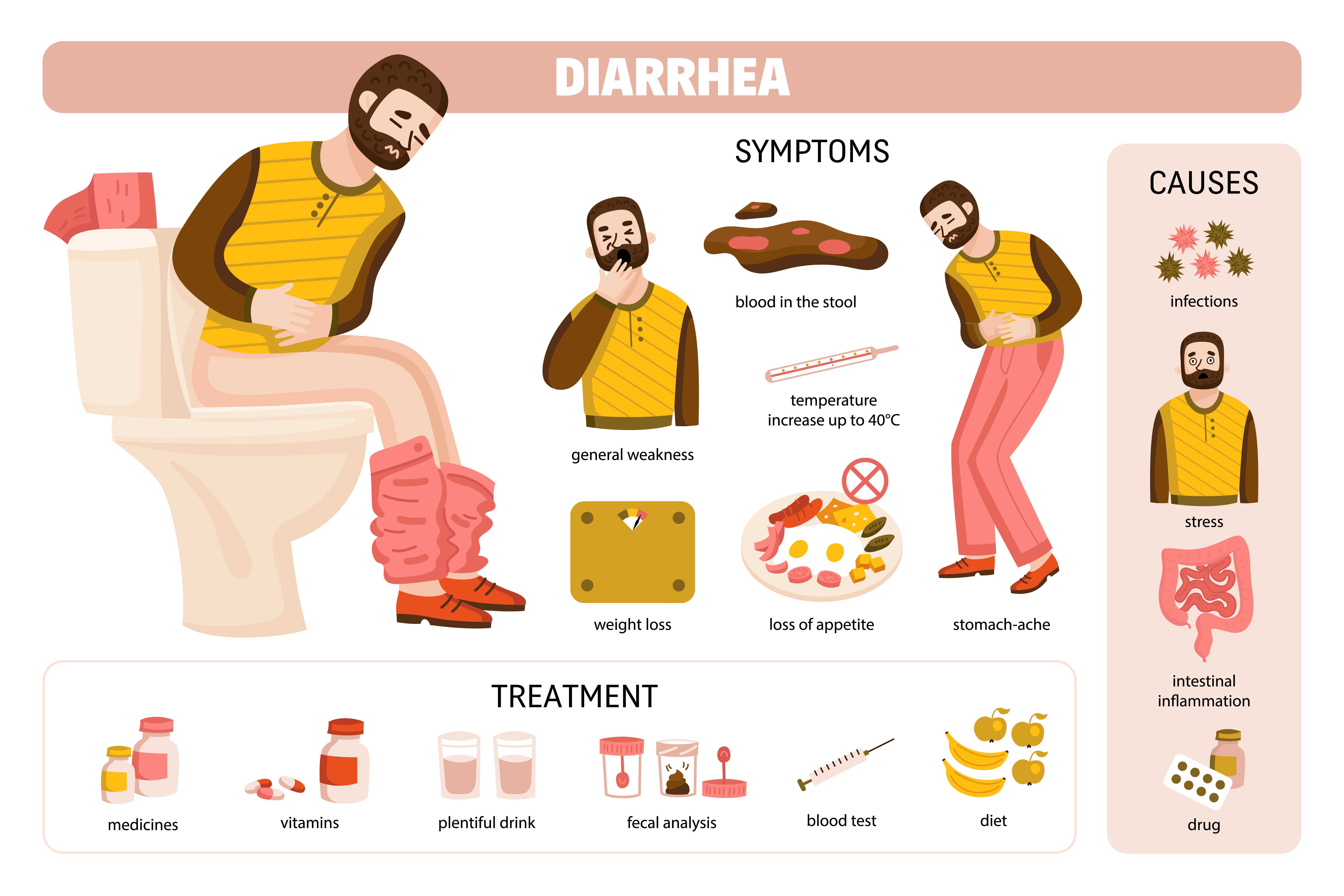
How to relieve constipation with Indian diet, home remedies, and when to see a doctor. Practical guide from Prakash Hospital Noida.
15 Sept 2026
by Prakash Hospital

Why you feel bloated after eating — common Indian food triggers, medical causes, and what helps. Prakash Hospital Noida.
16 Sept 2026
by Prakash Hospital
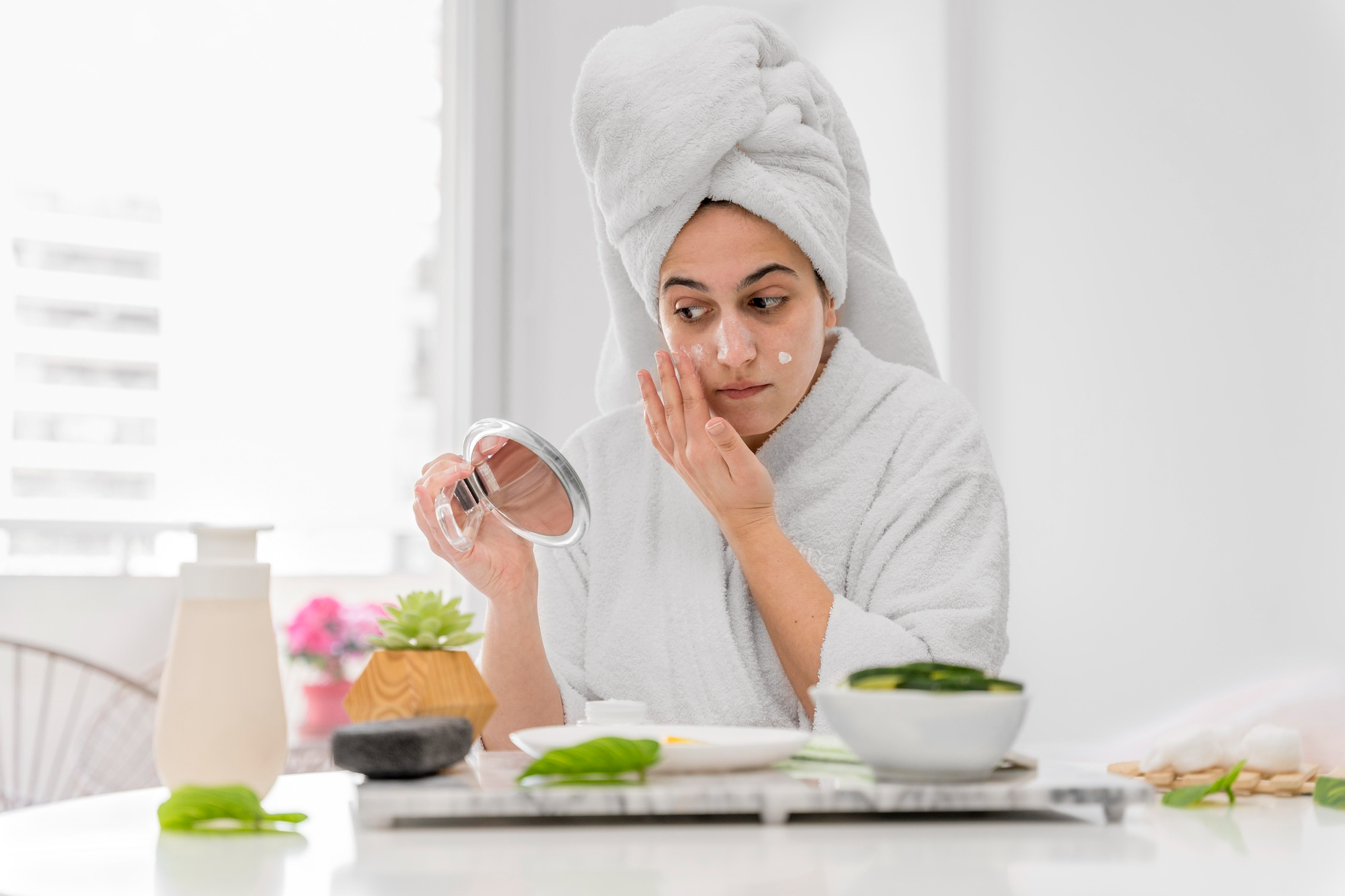
Skin pigmentation — understand the causes of dark patches, types of pigmentation, and effective treatments. Visit Prakash Hospital Noida for dermatology care.
24 Jun 2026
by Prakash Hospital

Which vitamin deficiencies cause hair fall — iron, vitamin D, B12, and zinc. How to test and fix them. Prakash Hospital Noida.
4 Sept 2026
by Prakash Hospital

Noticing unusual hair fall after your pregnancy? Prakash Hospital's experts in Noida explain the real causes, timeline, and treatments for postpartum hair loss.
31 Mar 2026
by Prakash Hospital
Answers to common questions about Acne Scar Treatment at Prakash Hospital, Noida.


Book a consultation with Prakash Hospital's specialists — 24/7 emergency care, 100+ doctors, NABH accredited.
View All Departments