


जॉइंट रिप्लेसमेंट कब जरूरी होता है?
जानिए जॉइंट रिप्लेसमेंट सर्जरी कब जरूरी होती है, इसके लक्षण क्या हैं, और किन मरीजों को इसकी जरूरत पड़ सकती है।
25 Mar 2026
by Prakash Hospital
Replaces a knee implant that has loosened, worn out, become infected or feels unstable, after tests to find out exactly why it failed.

Most knee replacements work for 15 to 20 years or more, so a replaced knee that starts to ache, swell or give way is worrying, and so is one that never settled after surgery. The first question is always why. Pain can come from the implant loosening, a hidden infection, a worn plastic insert or ligaments that no longer hold the knee steady. It can also come from the hip, the spine or a nerve, which a second knee operation won't fix.
Revision knee replacement takes out some or all of the old implant and puts in parts designed for this job. Removing the old parts usually costs some bone and the ligaments may be weaker, so revision implants often have longer stems that anchor deeper in the thigh and shin bones. Metal blocks (augments) or bone graft fill gaps where bone is missing, and a more linked, constrained design can stand in for ligaments that no longer work.
It's a bigger operation than your first knee replacement, and recovery is slower. Most people get good pain relief and a stable knee, though movement is often a little less than after the first surgery. Results are much better when tests find a definite cause the operation can correct.
Your surgeon starts with the detective work: X-rays, blood tests for infection, fluid drawn from the knee where needed, and CT scans at our diagnostic department to map bone loss. Our blood bank cross-matches blood in advance for major surgery, and physiotherapy starts early.
Revision is recommended when tests point to a specific problem with the implant or the tissues around it.
If only one part has failed, such as a worn plastic insert with well-fixed metal parts, just that part may be changed. More often, loosening or infection means replacing all the components.
Metal augments, cones or sleeves and bone graft rebuild missing bone, and stems running down inside the bone share the load so the new parts hold firmly.
When the side ligaments are stretched or damaged, a more constrained implant with a central post, or in severe cases a hinged knee, gives the stability the ligaments can't.
An infection caught within a few weeks can sometimes be cleared with a thorough washout and a new plastic insert, keeping the metal parts. Long-standing infections are usually treated in two stages: the implant comes out and an antibiotic-loaded cement spacer goes in, you have about 6 weeks of antibiotics, and the new knee is fitted once tests show the infection has cleared.
The anaesthetic is spinal or general, with a nerve block for pain. Antibiotics go in at the start, unless samples need to be taken first.
The surgeon usually uses your previous scar, lengthening it if needed, and releases thick scar tissue so the kneecap can move aside safely.
Several tissue samples go for culture. The old components and cement are removed carefully, saving as much bone as possible.
Bone defects are measured and filled with augments, cones, sleeves or graft.
Trial parts are placed and the knee's stability and movement are checked before the final stemmed components are fixed.
The wound is closed in layers, sometimes over a drain. The operation usually takes 2 to 4 hours.
Expect a slower recovery than last time. How much bone was rebuilt decides how soon you can put full weight on the leg.
You're up with the physiotherapist within a day or two, using a walker. Pain relief is stronger than after a first replacement for the first few days.
Walking practice, bending exercises and safe transfers. If bone graft was used, you may be told to put only partial weight on the leg for several weeks.
Stitches come out at 2 to 3 weeks and you move from walker to stick. Exercises focus on straightening and bending the knee, as scar tissue forms quickly after revision.
Strength and walking distance keep improving, and it can take 6 to 12 months to feel the full benefit. Follow-up X-rays check that the new parts are fixed well.
Call us on +91-8826000033 or come straight to our 24/7 emergency department.
If tests don't point to the implant, your surgeon will look for other causes, such as hip arthritis, a trapped nerve in the back or a nerve pain condition around the knee, and treat those instead.
For people too unwell for major surgery, antibiotic tablets taken long term can sometimes keep an infection in check. This controls it rather than curing it.
Slight wear or looseness that isn't getting worse on X-ray may be watched with regular check-ups, as long as the knee is usable and bone isn't being lost.
Talk to our Orthopedics & Joint Replacement team
Ask about your options, the cost and your insurance before you decide. See the insurance and TPA panels we work with.
This page explains Revision Knee Replacement Surgery in general terms. Your own plan depends on your health, your test results and your doctor's advice. Please read our medical disclaimer.
Revision Knee Replacement Surgery is led by our Orthopedics & Joint Replacement team, with other departments stepping in at each stage of your care.
At Prakash Hospital, our Orthopedics and Traumatology Department offers expert diagnosis, surgical and non-surgical treatments, and rehabilitation for bone, joint, and musculoskeletal injuries.
What the department treats
Total Knee Replacement
Total Hip Replacement
Arthroscopic Surgery
Spine Surgery
Trauma and Fracture Care
Sports Medicine
Controls diabetes, anaemia and heart conditions before surgery and helps manage antibiotics if the knee was infected.
Cross-matches blood before surgery, since revisions more often need a transfusion.
Starts walking and knee-bending exercises early and fits the programme to your weight-bearing limits.
Procedures often considered alongside Revision Knee Replacement Surgery, or that treat related conditions.
Replaces a knee worn out by arthritis with a metal and plastic joint to relieve pain and get you walking again.
Replaces only the worn part of an arthritic knee, keeping the healthy cartilage and ligaments.
Realigns and rebuilds a joint damaged by injury, deformity or earlier surgery, keeping your own joint.
Realigns broken bones and holds them with plates, screws, rods or frames so they heal in the right position.
Other procedures our Orthopedics & Joint Replacement team performs.
Replaces a worn or collapsed hip ball and socket with an artificial joint to end groin pain and restore walking.
Replaces a damaged shoulder ball and socket to relieve arthritis pain and help you use your arm again.
Keyhole surgery using a thin camera to diagnose and repair problems inside the knee or shoulder.
Rebuilds a torn ACL with a tendon graft through keyhole surgery to stop the knee giving way.
Reattaches or rebuilds torn ligaments in the knee, ankle, elbow or thumb to steady an unstable joint.
Frees a trapped spinal nerve by removing slipped disc or bone, easing sciatica and leg pain.
We offer expert care across key specialties, including Medicine, Cardiology, Orthopaedics, ENT, Gynaecology, and more—delivering trusted treatment under one roof.
Free tools to check your weight, plan a pregnancy, track calories and more.
जानिए जॉइंट रिप्लेसमेंट सर्जरी कब जरूरी होती है, इसके लक्षण क्या हैं, और किन मरीजों को इसकी जरूरत पड़ सकती है।
25 Mar 2026
by Prakash Hospital
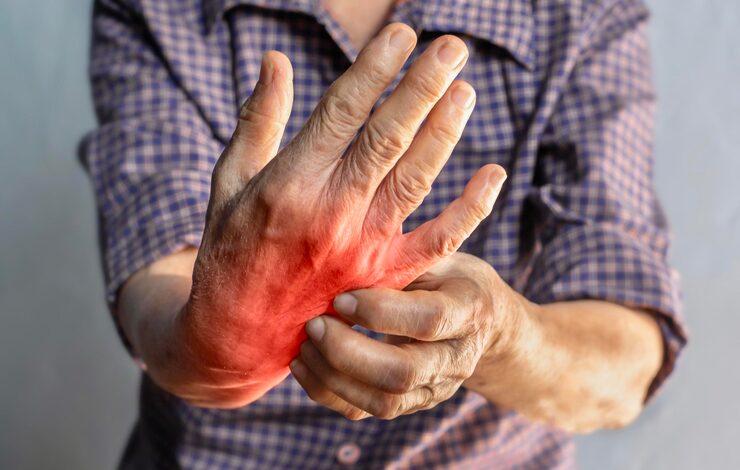
Learn about septic arthritis, including its symptoms, causes, and treatment options with advice from Prakash Hospital, Noida.
13 Oct 2025
by Prakash Hospital

Knee pain causes, home exercises, and when to get a medical opinion. A practical guide from Prakash Hospital Noida, Noida.
26 Aug 2026
by Prakash Hospital

Best Indian foods for healthy, glowing skin — what to eat for skin hydration, collagen, and protection from UV damage. Prakash Hospital Noida.
14 Sept 2026
by Prakash Hospital

Learn effective techniques to manage panic attacks, understand triggers, and take control of anxiety with expert-backed strategies.
3 May 2025
by Prakash Hospital
How to get glowing skin naturally — Indian diet, hydration, sleep, and skincare tips that actually work. Prakash Hospital Noida.
9 Sept 2026
by Prakash Hospital
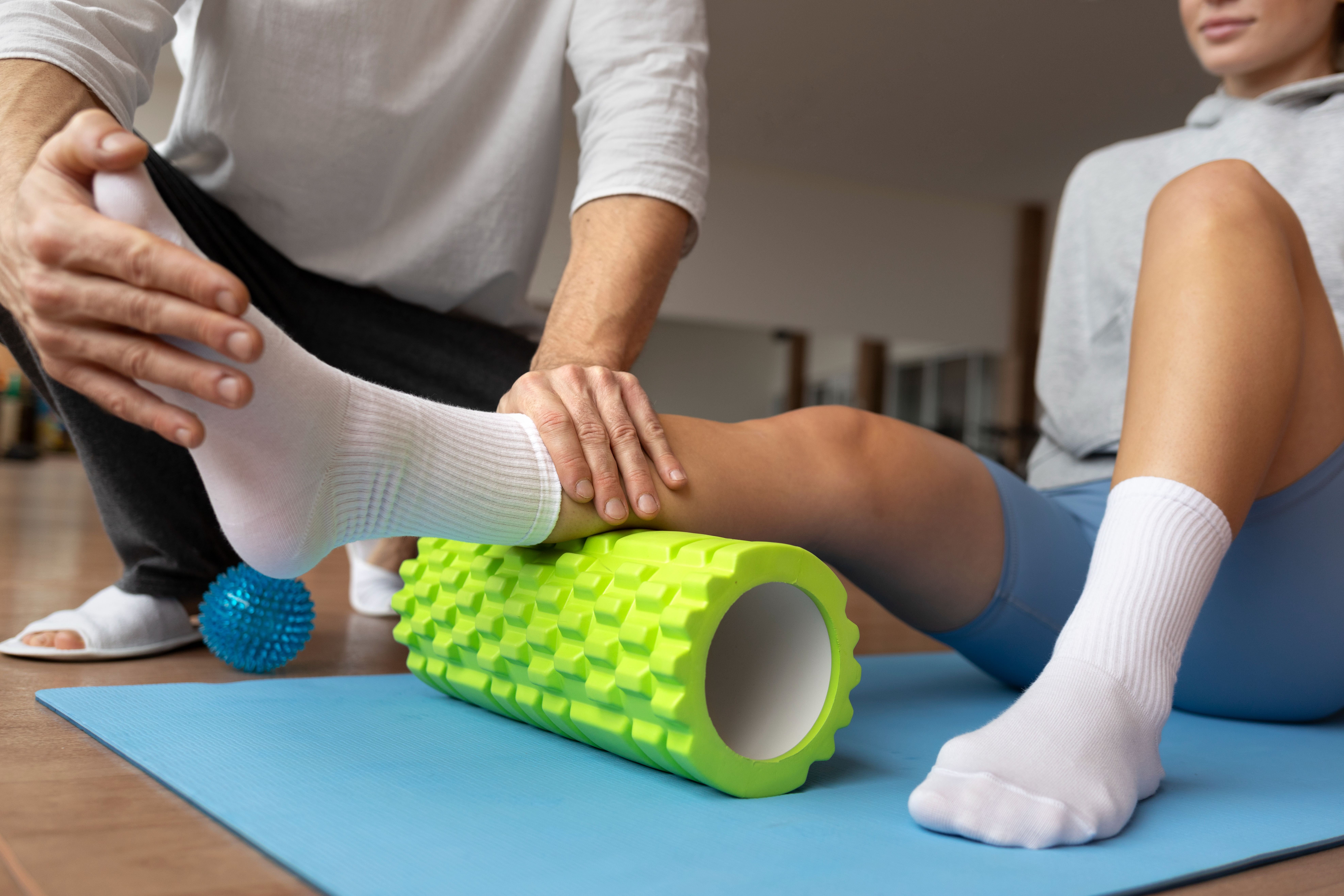
Discover expert-approved orthopedic fitness strategies with safe exercises to support your joints, reduce pain, and improve mobility. Ideal for all age groups.
25 Jun 2025
by Prakash Hospital
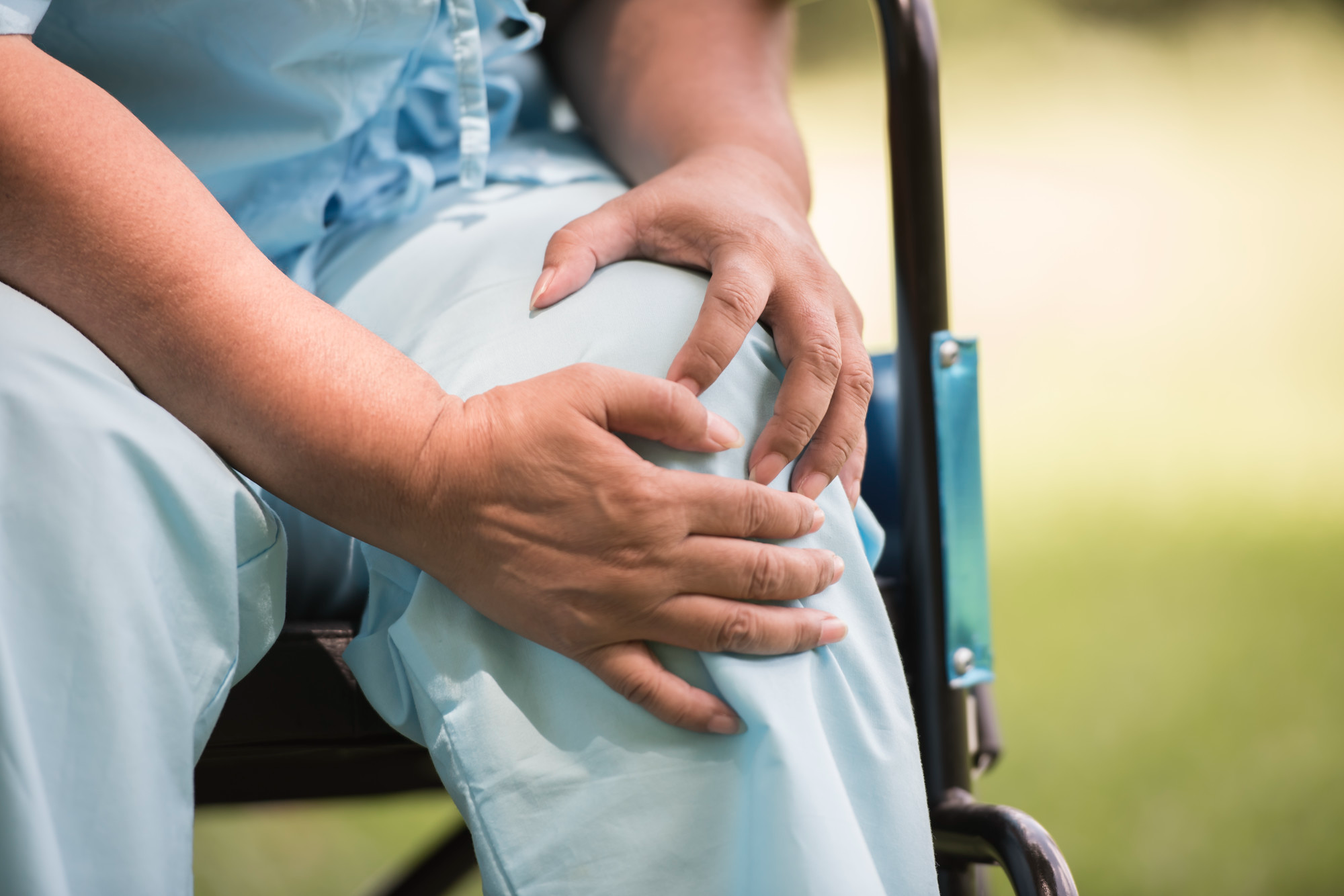
घुटनों के दर्द के कारण, क्या करें और क्या न करें, सही देखभाल और इलाज की पूरी जानकारी पाएं। Knee Pain से राहत के लिए विशेषज्ञ सलाह | Prakash Hospital
16 Dec 2025
by Prakash Hospital
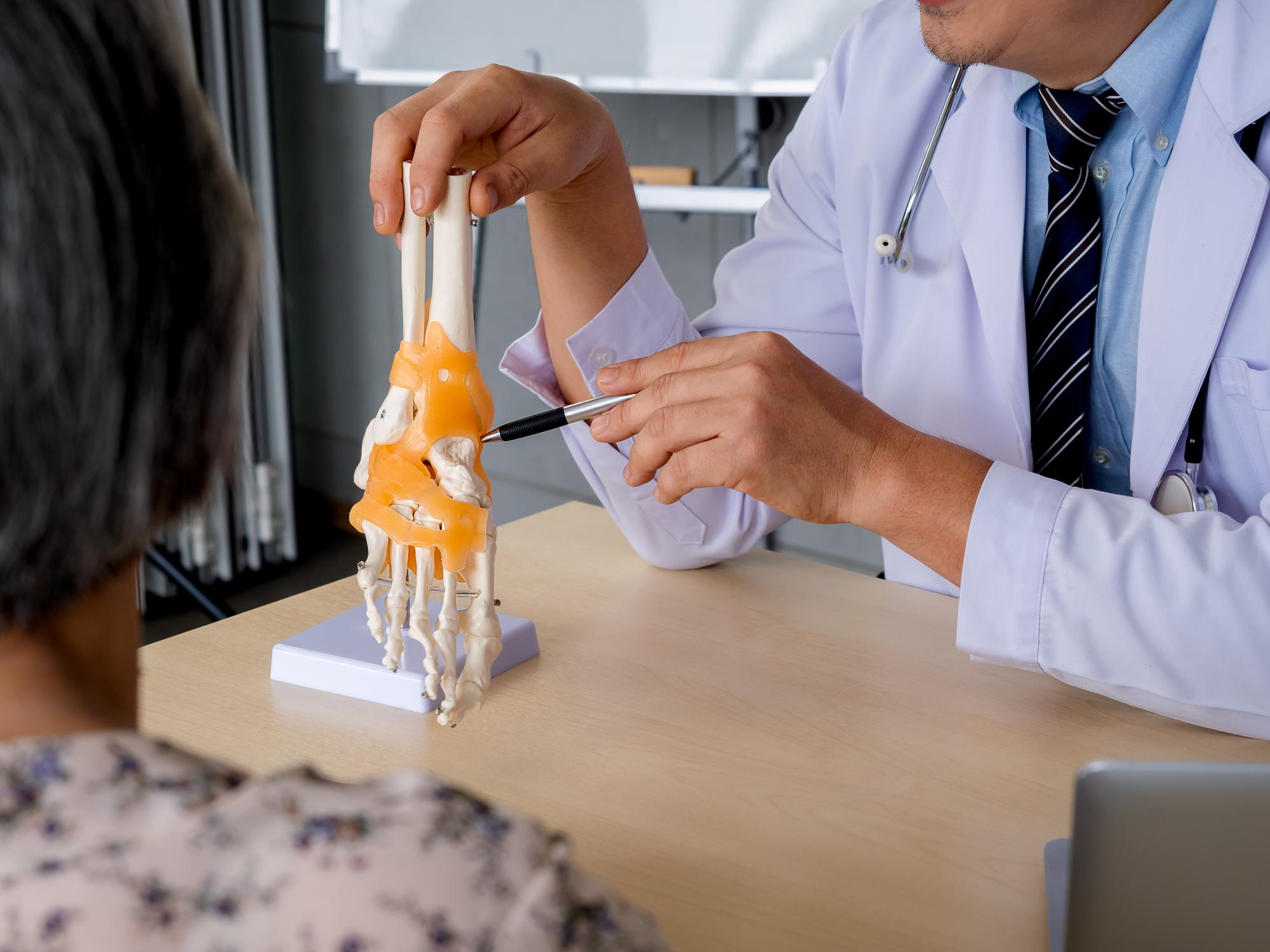
हड्डियों में सूजन के कारण, लक्षण और इलाज जानें। ऑस्टियोमाइलाइटिस, आर्थराइटिस और हड्डी के दर्द को नजरअंदाज न करें। Prakash Hospital में पाएं एडवांस ऑर्थोपेडिक उपचार।
9 Jun 2026
by Prakash Hospital
Answers to common questions about Revision Knee Replacement Surgery at Prakash Hospital, Noida.


Book a consultation with Prakash Hospital's specialists — 24/7 emergency care, 100+ doctors, NABH accredited.
View All Departments