

Normal Delivery and VBAC (Vaginal Birth After Caesarean)
Care through labour and a vaginal birth, including after a previous caesarean, with close monitoring and an epidural for pain relief if you want one.

- Procedure duration
- Active labour often 5 to 12 hours
- Anaesthesia
- Optional epidural (painless delivery)
- Hospital stay
- 1 to 2 days
- Recovery
- About 6 weeks for the body to heal
On this page
Overview
First baby or third, most women ask us the same thing: can I have a normal delivery? For most healthy pregnancies the answer is yes, and that includes many women with one caesarean behind them.
A normal delivery is a vaginal birth, where contractions open the cervix and push the baby down through the birth canal. VBAC (vaginal birth after caesarean) is the same thing for a woman whose earlier baby was born by caesarean. Labour after a caesarean is sometimes called a trial of labour.
Recovery is usually quicker than after surgery, and you avoid the extra risks each caesarean adds to later pregnancies. Labour can't be fully predicted, though, and some labours end in forceps, a vacuum cup or a caesarean. After one caesarean, roughly 3 in 4 women who try for a VBAC give birth vaginally.
Our gynaecology and obstetrics team runs a fully staffed labour and delivery ward for normal and high-risk pregnancies. Anaesthesiologists provide painless delivery (epidural analgesia) if you want it, and neonatologists attend high-risk deliveries. If you're considering a VBAC, we'll go through your previous operation notes with you first.
Who can plan a vaginal birth
Most women with a healthy pregnancy and a head-down baby can plan a vaginal birth. For a VBAC, the type of cut made on your uterus last time matters most.
- A healthy single pregnancy with the baby head-down at full term
- One previous caesarean for a reason that needn't repeat, such as a breech baby
- A past vaginal birth, which raises VBAC success to about 85 to 90 in 100
- Well-controlled gestational diabetes or thyroid disease
Is it right for you?
Usually a good fit
- One previous caesarean with a low transverse (side-to-side) cut on the uterus, confirmed from your notes
- About 18 months or more between that caesarean and this birth
- A single head-down baby, with the placenta clear of the cervix
May not be suitable
- A previous classical (up-and-down) or T-shaped cut on the uterus, which carries a much higher risk of rupture
- A uterine rupture in an earlier pregnancy
- Placenta praevia (a placenta covering the cervix)
- Two or more previous caesareans, where a planned repeat caesarean is usually advised, though some women are offered VBAC after detailed counselling
Pain relief and VBAC
Epidural and other pain relief
Walking, changing position, massage and slow breathing help in early labour. For stronger relief, an anaesthesiologist places a fine tube in your lower back and runs a low dose of local anaesthetic through it. You can usually still push. It may lengthen the pushing stage and make forceps slightly more likely, but it doesn't raise the chance of a caesarean, and it's fine during a VBAC.
Labour after a caesarean
A CTG machine records your baby's heartbeat continuously and a drip line goes in. The main risk is uterine rupture, where the old scar tears open. It happens in about 1 in 200 VBAC labours after one low transverse caesarean and is serious for mother and baby, so a VBAC should only happen where an emergency caesarean can be done straight away.
If labour needs to be started
Induction after a caesarean is possible, but it raises the risk of rupture 2 to 3 times and lowers the chance of success. If you go past your due date, your obstetrician will weigh inducing, waiting a little or planning a caesarean with you.
Preparing for labour
- Keep all antenatal visits, scans and sugar tests
- After a caesarean, bring your old operation notes or discharge summary, since the type of cut decides whether VBAC is safe
- Settle your birth plan with your obstetrician by about 36 weeks
- Mention any spine problem, bleeding disorder or blood thinner early, as these affect whether an epidural is safe
- Track your weight gain with our pregnancy weight gain calculator and eat well using our pregnancy diet chart
- Pack your bag by 36 weeks: antenatal file, ID and insurance card, loose nighties, maternity pads and baby clothes
- Keep transport ready day and night. After a caesarean, come in as soon as contractions are regular or your waters break
Labour and birth, stage by stage
- 01
Early labour
Contractions start mild and irregular while the cervix softens. With a first baby this can last many hours, often at home.
- 02
Active labour
From about 4 to 5 cm, with strong regular contractions, you're in established labour. It averages around 8 hours for a first baby and 5 for later ones, with the baby's heartbeat checked throughout.
- 03
Pushing and birth
Once the cervix is fully open (10 cm), you push with each contraction, for a few minutes up to about 3 hours with a first baby. Forceps or a vacuum cup may help at the end, sometimes with a small cut (episiotomy).
- 04
The placenta and the first hour
An injection in your thigh helps the placenta come away and lowers the risk of heavy bleeding. Your baby goes skin-to-skin on your chest and can usually breastfeed within the hour, while any tear is stitched.
- 05
If the plan changes
If the baby shows distress, labour stalls or a VBAC scar shows signs of strain, the team will recommend a caesarean and explain why.
Benefits and risks
Benefits
- A shorter hospital stay and a quicker return to lifting and caring for your baby
- No abdominal wound, so less risk of infection and blood clots than after a caesarean
- Babies are less likely to need breathing support in the first hours than after a planned caesarean
- A successful VBAC avoids another scar, and each repeat caesarean raises the risk of placenta problems later
Possible risks
- Tears of the perineum (the skin between vagina and anus). Most are small, but about 3 in 100 involve the anal muscle, more often with a first baby
- Needing forceps or a vacuum cup
- An unplanned caesarean, for about 1 in 4 women trying for a VBAC
- Uterine rupture during a VBAC, about 1 in 200, which needs an immediate caesarean
- Heavy bleeding after the birth, treated with medicines and sometimes a transfusion
- Leaking urine on coughing or sneezing for some months, usually helped by pelvic floor exercises
After the birth
- 01
The first 24 hours
Nurses check your bleeding, blood pressure and stitches. Most mothers are up and walking the same day, and your baby is examined before you go home.
- 02
Days 2 to 14
Bleeding (lochia) is red at first, then pink and brown. Stitches dissolve on their own. Change pads often, and use ice packs or warm sitz baths for soreness.
- 03
Weeks 2 to 6
Lochia fades over 4 to 6 weeks. Start gentle walks and pelvic floor exercises. Eat dal, eggs or paneer, curd, greens and fruit, and keep taking any prescribed iron. Our iron guide lists vegetarian sources.
- 04
The 6-week check
Your postnatal visit covers blood pressure, healing, feeding, mood and contraception. It's wise to wait at least 18 months before the next pregnancy.
When to call your doctor
- Your waters break, especially if the fluid is green or brown, or you bleed before labour
- Your baby is moving less than usual
- Constant pain between contractions, or pain over your old caesarean scar
- After the birth, soaking a pad in an hour or passing large clots
- Fever, a severe headache, blurred vision or sudden swelling of the face
- Feeling hopeless, being unable to sleep even when the baby sleeps, or thoughts of self-harm
Call us on +91-8826000033 or come straight to our 24/7 emergency department.
Other birth options
Planned caesarean
If you'd rather not labour after a caesarean, or VBAC isn't advised, a caesarean is usually planned for about 39 weeks. A breech baby that can't be turned or placenta praevia also make it the safer route.
Turning a breech baby
If your baby is bottom-down at about 36 weeks, an obstetrician can try to turn it by pressing on your abdomen (external cephalic version). It works for about half of women.
Talk to our Gynecology & Obstetrics team
Ask about your options, the cost and your insurance before you decide. See the insurance and TPA panels we work with.
This page explains Normal Delivery and VBAC (Vaginal Birth After Caesarean) in general terms. Your own plan depends on your health, your test results and your doctor's advice. Please read our medical disclaimer.
Your care team
Normal Delivery and VBAC (Vaginal Birth After Caesarean) is led by our Gynecology & Obstetrics team, with other departments stepping in at each stage of your care.
Gynecology Department
At Prakash Hospital, our Obstetrics and Gynecology Department provides expert care for women at every life stage — from prenatal care and childbirth to gynecological health and menopause management.
What the department treats
High-Risk Pregnancy Care
Laparoscopic Surgery
PCOS Management
Infertility Treatment
Prenatal and Postnatal Care
Menopause Management
Other departments involved
Pediatric
Examines your newborn, supports the first feeds and cares for babies who need the NICU.
Visit departmentBlood Bank
Keeps blood available around the clock in case of heavy bleeding after the birth.
Visit departmentPsychiatry
Helps if you feel persistently low or anxious in the weeks after the birth.
Visit department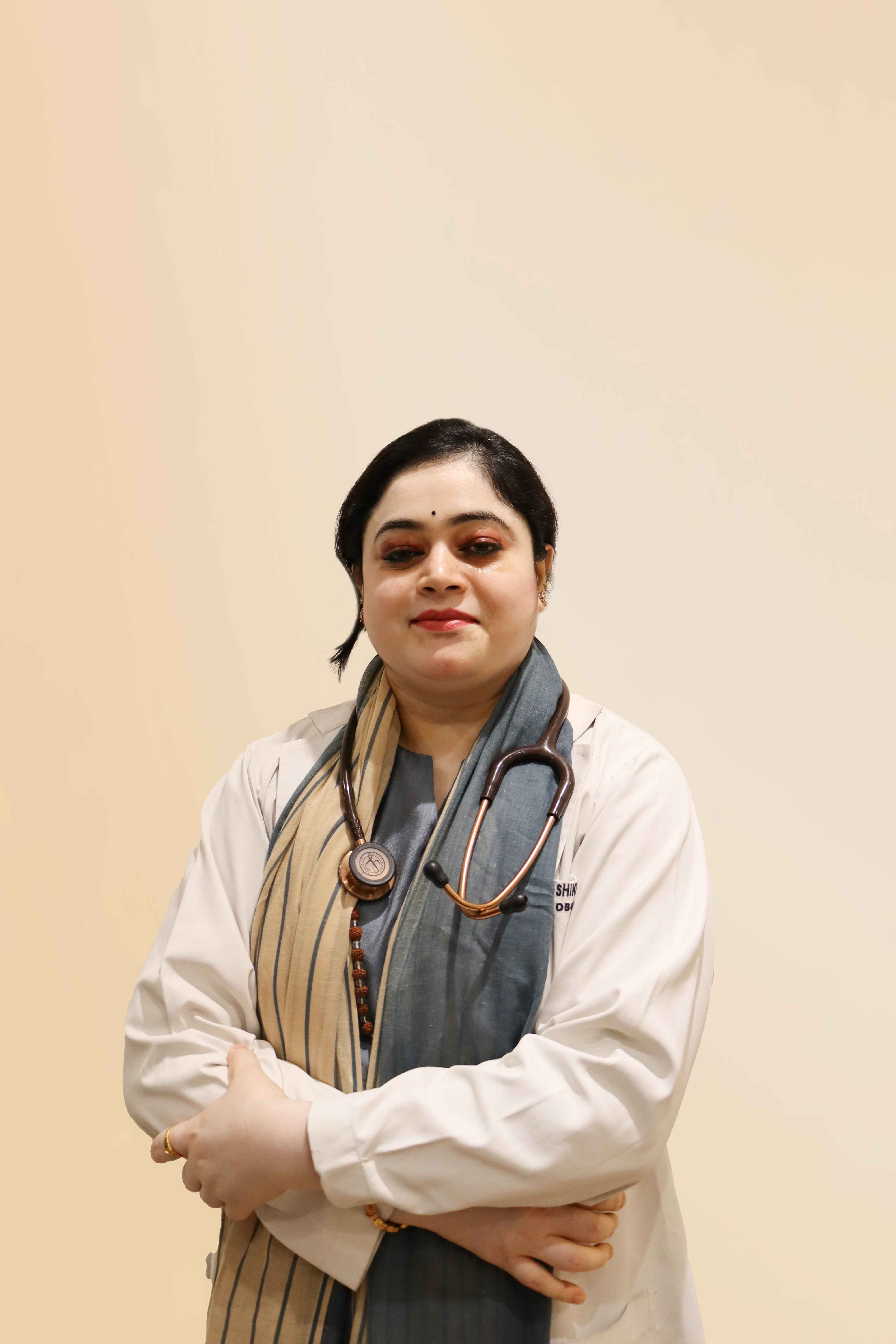

Related procedures
Procedures often considered alongside Normal Delivery and VBAC (Vaginal Birth After Caesarean), or that treat related conditions.
C-Section Delivery
Delivers the baby through a low cut in the abdomen and uterus, planned or in labour, usually under spinal anaesthesia.
Learn moreTubal Ligation
Blocks or removes the fallopian tubes for permanent contraception, usually as day-care keyhole surgery.
Learn moreFibroid Removal (Myomectomy)
Removes uterine fibroids and repairs the womb, easing heavy bleeding and pressure while keeping pregnancy possible.
Learn moreMore in Gynecology & Obstetrics
Other procedures our Gynecology & Obstetrics team performs.
Laparoscopic Hysterectomy
Removes the uterus through keyhole cuts, for fibroids, heavy periods or adenomyosis that other treatment hasn't fixed.
Learn moreLaparoscopic Ovarian Cystectomy
Keyhole removal of an ovarian cyst that keeps the healthy ovary, usually with a stay of one night or less.
Learn moreHysteroscopy
A camera through the cervix to see inside the uterus and remove polyps, small fibroids or scar tissue, with no cuts.
Learn moreColposcopy
A magnified check of the cervix after an abnormal Pap or HPV test, with a small biopsy if needed.
Learn moreEndometrial Ablation
Treats the uterine lining to make heavy periods lighter or stop them, with no cuts, for women who want no more children.
Learn morePCOS Ovarian Drilling
Keyhole surgery on the ovaries to restart ovulation in PCOS when tablets haven't worked, without raising the twin risk.
Learn moreRelated articles
Guides from our doctors on Normal Delivery and VBAC (Vaginal Birth After Caesarean) and the conditions it treats.

Labour and Childbirth: Signs, Stages, and What to Expect
Labour pain signs, the three stages of childbirth, and what to expect during delivery. Visit Prakash Hospital Noida for maternity care.
16 Jul 2026
by Prakash Hospital

What to Expect in the First Six Weeks After Giving birth
Learn all about what you need to know after giving birth with the expert insight of doctors from Prakash Hospital, Noida.
19 Sept 2025
by Prakash Hospital

Postpartum Hair Loss Explained
Noticing unusual hair fall after your pregnancy? Prakash Hospital's experts in Noida explain the real causes, timeline, and treatments for postpartum hair loss.
31 Mar 2026
by Prakash Hospital

A Complete Guide for New Moms on How to Breastfeed
Get a complete breastfeeding guide for new mothers with expert advice from doctors at Prakash Hospital, Noida.
28 Oct 2025
by Prakash Hospital

हाई-रिस्क प्रेगनेंसी क्या है?
हाई-रिस्क प्रेगनेंसी क्या होती है, इसके कारण, खतरे, जांच और सुरक्षित डिलीवरी के उपाय हिंदी में जानें।
27 Jan 2026
by Prakash Hospital

Period Pain Relief: Natural Remedies for Menstrual Cramps
Discover effective natural remedies for period pain relief, including lifestyle tips, home treatments, and ways to ease menstrual cramps safely.
28 Apr 2026
by Prakash Hospital
Frequently Asked Questions
Answers to common questions about Normal Delivery and VBAC (Vaginal Birth After Caesarean) at Prakash Hospital, Noida.
Is painless delivery (an epidural) safe for my baby?
I had a caesarean last time. Can I have a normal delivery now?
I have gestational diabetes. Can I still have a normal delivery?
What can I eat during labour and after the birth?
Is a normal delivery covered by insurance?


Looking for the Best Hospital in Noida? Talk to Our Experts
Book a consultation with Prakash Hospital's specialists — 24/7 emergency care, 100+ doctors, NABH accredited.

Prakash Hospital Pvt. Ltd. is a 100 bedded NABH NABL accredited multispecialty hospital along with a center of trauma and orthopedics. We are in the service of society since 2001.
OUR SPECIALITIES
Patient Services
PROCEDURES
Contact Us
D – 12A, 12B, Sector-33, G. B. Nagar, Noida, Uttar Pradesh 201301
+91-8826000033


© 2026 All rights reserved.
Designed and Developed by Zarle Infotech


