

Partial Knee Replacement Surgery
Resurfaces only the worn part of an arthritic knee and keeps your own ligaments, for a knee that often bends further and recovers faster than a total replacement.

- Surgery duration
- 1 to 1.5 hours
- Anaesthesia
- Spinal, with a nerve block or local
- Hospital stay
- 1 to 3 days
- Recovery
- 3 to 6 weeks for daily activities
On this page
Overview
Knee arthritis doesn't always wear the whole knee evenly. In many people, especially those who are slightly bow-legged, it starts on the inner side, where most of the body's weight passes. The pain sits on that inner side, the outer side feels fine, and the knee still feels stable. X-rays show bone on bone in one part and a healthy gap in the rest.
The knee has three compartments: inner (medial), outer (lateral) and behind the kneecap (patellofemoral). A partial knee replacement (unicompartmental knee arthroplasty) resurfaces only the damaged one, with a metal cap on the thigh bone, a metal tray on the shin bone and a plastic bearing between them. The other compartments and the cruciate ligaments, including the ACL, are left alone. The cut is smaller and less bone is removed than in a total knee replacement.
Because your own ligaments stay, many people say the knee feels more natural, and it usually bends further. Recovery often takes about half as long as after a total knee. The catch is that arthritis can later develop in the parts that weren't replaced, so partial knees are more likely than total knees to need another operation over the years.
Our orthopaedics team offers both total and partial knee replacement, and your surgeon will recommend the one that suits the pattern of your arthritis. Physiotherapy usually starts within 24 hours.
Why it's done
Only some people with knee arthritis have the pattern that suits a partial replacement. Surgery is considered when pain limits daily life, other treatment hasn't worked and the damage is confined to one compartment.
- Pain mainly on one side of the knee, usually the inner side, that you can point to with a finger
- Bone-on-bone arthritis in that compartment on standing X-rays, with the rest of the knee preserved
- An intact ACL and a knee that is stable from side to side
- A bow-leg or knock-knee that straightens when the surgeon moves the leg
- Spontaneous osteonecrosis, where a patch of bone under the cartilage on one side collapses
- No lasting relief from medicines, physiotherapy, weight loss and injections
Is it right for you?
Usually a good fit
- Arthritis confined to one compartment, most often the inner side
- Only a mild, correctable deformity, and a knee that straightens nearly fully and bends past about 90 degrees
- Any age, from a younger active adult to an older person who would benefit from a quicker recovery
May not be suitable
- Arthritis in two or three compartments, where a total knee replacement is the better choice
- Rheumatoid or other inflammatory arthritis, which affects the whole joint
- A torn or absent ACL, or a knee that gives way
- An active infection or uncontrolled diabetes, until treated
Types and techniques
Inner, outer or kneecap compartment
Inner (medial) partial replacements are by far the most common. The outer side is replaced less often and needs slightly different implants. Patellofemoral replacement resurfaces the groove behind the kneecap, for the less common arthritis limited to that area.
Fixed or mobile plastic bearing
In some designs the plastic bearing is locked to the shin tray; in others it glides between the metal parts. Both work well in the right knee. A mobile bearing can occasionally slip out of place and need a short operation to replace it.
The final decision in theatre
Scans show which part is worn, but the surgeon confirms it by looking at the other compartments and the ACL during surgery. If they turn out to be damaged, a total knee is the better operation, so you'll be asked to consent to that possibility beforehand.
Preparing for surgery
- Standing X-rays of both knees, and sometimes stress X-rays or an MRI, to confirm the arthritis is limited to one area
- HbA1c and other blood tests, an ECG and a chest X-ray, as your age and health require
- Aspirin, clopidogrel, apixaban and diabetes medicines may need adjusting before surgery. Your doctor will tell you which
- Treat any tooth, urine or skin infection before surgery
- Start thigh-strengthening exercises. People who go in stronger usually recover faster
- Keep a walker or crutches, ice packs and a firm chair with armrests ready at home, and a family member to help for the first week
- Check insurance cover and waiting periods early. See our insurance and TPA panels
The procedure, step by step
- 01
Anaesthesia
Spinal anaesthesia with sedation, plus a nerve block or local anaesthetic around the knee so you can walk early.
- 02
A smaller opening
A cut of about 8 to 10 cm is made beside the kneecap, usually without turning the kneecap over.
- 03
Checking the whole knee
The other compartments and the ACL are inspected to confirm a partial replacement is right.
- 04
Resurfacing the worn compartment
Only the damaged side is resurfaced, removing just enough bone to seat the implant. Cutting guides set the implant so the leg isn't over-straightened, which would overload the healthy side.
- 05
Fitting the implant and closing
After trial parts are checked, the metal components are fixed, usually with cement, and the plastic bearing is fitted. The operation typically takes 1 to 1.5 hours.
Benefits and risks
Benefits
- A faster recovery than a total knee, with many people walking without aids in 2 to 3 weeks
- A knee that often feels more natural, because the ACL and other ligaments are kept
- Usually better bending, which helps with stairs, low chairs and getting in and out of cars
- Fewer serious complications, such as clots, infection and heart problems, than after a total knee
- Bone and ligaments are preserved, so a total knee remains an option later
Possible risks
- Arthritis developing in another part of the knee over the years, the most common reason for a later operation
- A higher chance of revision than with a total knee, roughly 1 in 10 at 10 years
- Loosening of the implant or wear of the plastic bearing
- Bearing dislocation in mobile-bearing designs, uncommon
- Infection or blood clots, both less common than after a total knee
- Ongoing pain in a minority, sometimes needing conversion to a total knee
Recovery timeline
Most people find this recovery quicker and less painful than after a total knee, but daily exercises still decide how well the knee bends and how strong it gets.
- 01
Days 0 to 2
You walk with a walker or crutches the same day or next morning and start bending exercises straight away. Most people go home within 1 to 3 days, once they can manage stairs and the bathroom.
- 02
Weeks 1 to 4
You move to a stick and then no support, often by 2 to 3 weeks. Stitches come out at about 2 weeks. Swelling and warmth are normal and settle gradually.
- 03
Weeks 4 to 12
Most people are back to daily activities and desk work within 3 to 6 weeks, and driving from 3 to 4 weeks. Walking, cycling and swimming build strength.
- 04
3 months onwards
Comfort and strength keep improving for several months, and X-rays at your check-ups look at both the implant and the rest of the knee.
When to call your doctor
- Feeling feverish (38°C or 100.4°F and above) or shivery
- Redness, spreading warmth or oozing from the wound
- Calf pain or swelling in either leg
- Breathing difficulty or chest pain, which needs urgent help
- Sudden pain with the knee locking or feeling unstable, which can happen if a mobile bearing slips
Call us on +91-8826000033 or come straight to our 24/7 emergency department.
Alternatives to surgery
Total knee replacement
If arthritis affects more than one compartment or the ACL is torn, a total knee is the more reliable operation.
High tibial osteotomy
For younger, active people with inner-side arthritis and bow legs, realigning the shin bone can shift load to the healthy side and delay any replacement. See joint reconstruction.
Non-surgical care
Weight loss, strengthening exercises, a walking stick, painkillers and injections can control milder arthritis for years. Our ideal body weight calculator is a starting point.
Talk to our Orthopedics & Joint Replacement team
Ask about your options, the cost and your insurance before you decide. See the insurance and TPA panels we work with.
This page explains Partial Knee Replacement Surgery in general terms. Your own plan depends on your health, your test results and your doctor's advice. Please read our medical disclaimer.
Your care team
Partial Knee Replacement Surgery is led by our Orthopedics & Joint Replacement team, with other departments stepping in at each stage of your care.
Orthopedics and Traumatology Department
At Prakash Hospital, our Orthopedics and Traumatology Department offers expert diagnosis, surgical and non-surgical treatments, and rehabilitation for bone, joint, and musculoskeletal injuries.
What the department treats
Total Knee Replacement
Total Hip Replacement
Arthroscopic Surgery
Spine Surgery
Trauma and Fracture Care
Sports Medicine
Other departments involved
Physiotherapy
Gets you walking on the day of surgery or the next morning and sets a home exercise plan for the first six weeks.
Visit departmentDiagnostic
Standing and stress X-rays, and MRI when needed, to confirm only one compartment is worn.
Visit departmentGeneral Medicine
Controls blood sugar, blood pressure and heart conditions so you're ready for surgery.
Visit department
Related procedures
Procedures often considered alongside Partial Knee Replacement Surgery, or that treat related conditions.
Total Knee Replacement
Replaces a knee worn out by arthritis with a metal and plastic joint to relieve pain and get you walking again.
Learn moreJoint Reconstruction
Realigns and rebuilds a joint damaged by injury, deformity or earlier surgery, keeping your own joint.
Learn moreRevision Knee Replacement
Replaces a failed knee implant that is loose, worn, infected or unstable with new revision parts.
Learn moreArthroscopy (Knee/Shoulder)
Keyhole surgery using a thin camera to diagnose and repair problems inside the knee or shoulder.
Learn moreMore in Orthopedics & Joint Replacement
Other procedures our Orthopedics & Joint Replacement team performs.
Total Hip Replacement
Replaces a worn or collapsed hip ball and socket with an artificial joint to end groin pain and restore walking.
Learn moreShoulder Replacement
Replaces a damaged shoulder ball and socket to relieve arthritis pain and help you use your arm again.
Learn moreACL Reconstruction
Rebuilds a torn ACL with a tendon graft through keyhole surgery to stop the knee giving way.
Learn moreLigament Repair Surgery
Reattaches or rebuilds torn ligaments in the knee, ankle, elbow or thumb to steady an unstable joint.
Learn moreFracture Fixation Surgery
Realigns broken bones and holds them with plates, screws, rods or frames so they heal in the right position.
Learn moreSpine Surgery (Discectomy)
Frees a trapped spinal nerve by removing slipped disc or bone, easing sciatica and leg pain.
Learn moreRelated articles
Guides from our doctors on Partial Knee Replacement Surgery and the conditions it treats.

Knee Pain: What's Causing It and What Helps
Knee pain causes, home exercises, and when to get a medical opinion. A practical guide from Prakash Hospital Noida, Noida.
26 Aug 2026
by Prakash Hospital
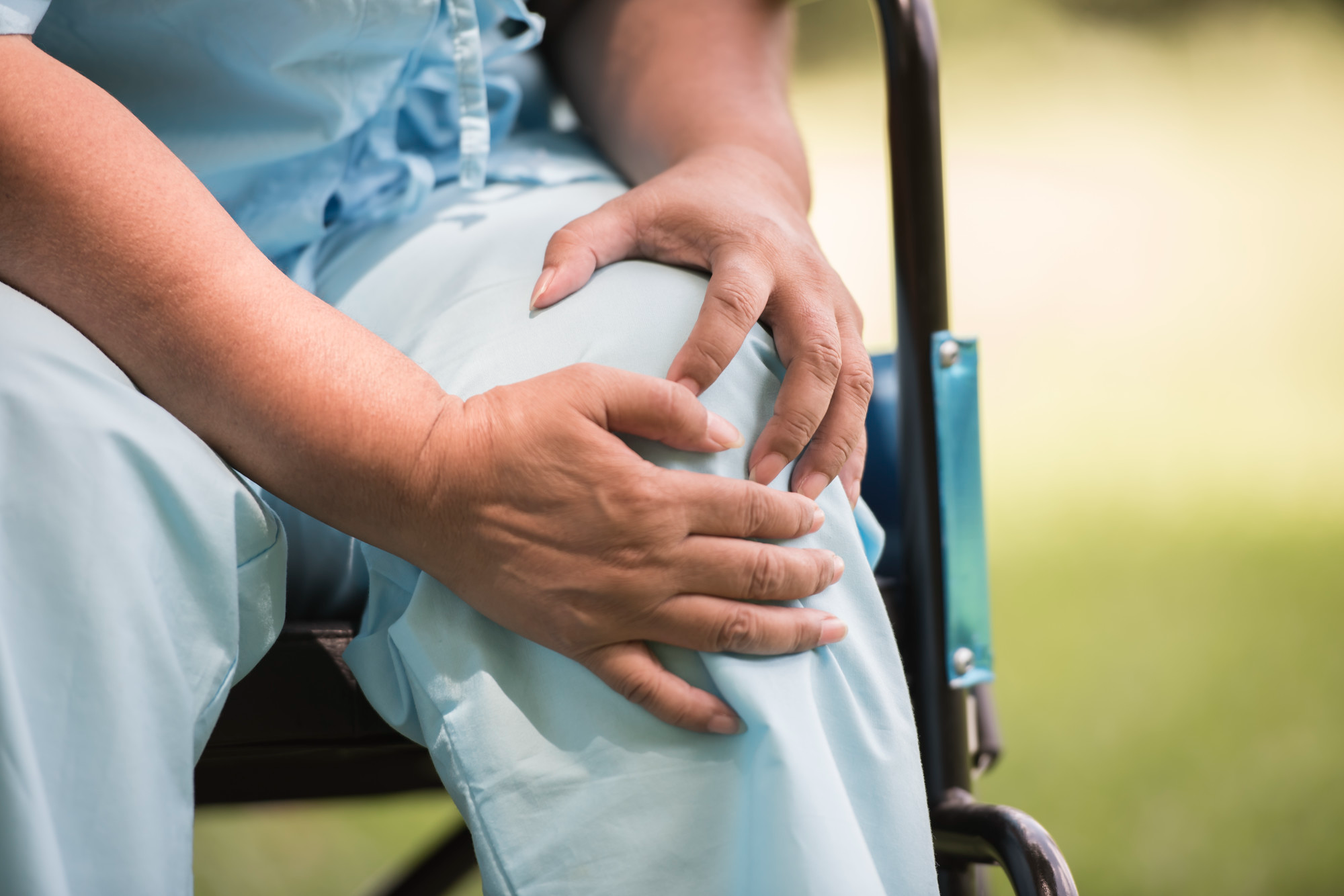
घुटनों के दर्द में क्या करें और क्या न करें?
घुटनों के दर्द के कारण, क्या करें और क्या न करें, सही देखभाल और इलाज की पूरी जानकारी पाएं। Knee Pain से राहत के लिए विशेषज्ञ सलाह | Prakash Hospital
16 Dec 2025
by Prakash Hospital

जॉइंट रिप्लेसमेंट कब जरूरी होता है?
जानिए जॉइंट रिप्लेसमेंट सर्जरी कब जरूरी होती है, इसके लक्षण क्या हैं, और किन मरीजों को इसकी जरूरत पड़ सकती है।
25 Mar 2026
by Prakash Hospital

गठिया (Arthritis) क्या है? कारण, लक्षण और बचाव
गठिया (Arthritis) क्या है? जानिए इसके प्रकार, कारण, लक्षण, इलाज और बचाव के उपाय। जोड़ों के दर्द से राहत और सही उपचार | Prakash Hospital
18 Dec 2025
by Prakash Hospital

Arthritis Symptoms: Types, Causes, and What Helps
Arthritis types — osteoarthritis, rheumatoid arthritis, gout — symptoms, causes and how to manage them. Prakash Hospital Noida.
31 Aug 2026
by Prakash Hospital
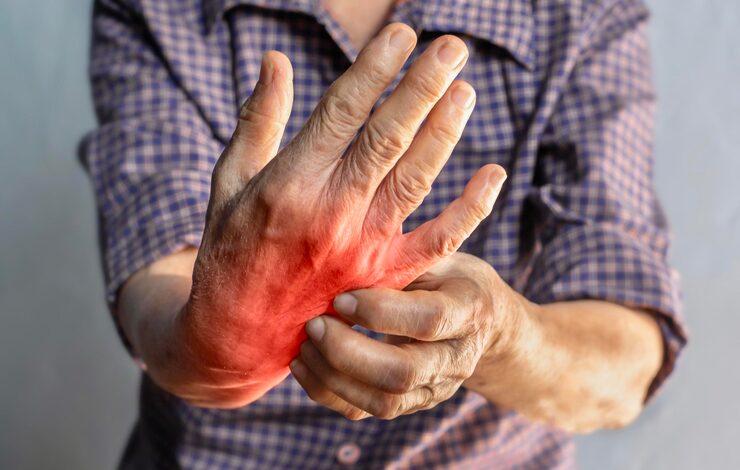
Understanding Septic Arthritis: Symptoms, Causes, and Treatment Options
Learn about septic arthritis, including its symptoms, causes, and treatment options with advice from Prakash Hospital, Noida.
13 Oct 2025
by Prakash Hospital
Frequently Asked Questions
Answers to common questions about Partial Knee Replacement Surgery at Prakash Hospital, Noida.
Am I too old for a partial knee replacement?
Does a partial knee last as long as a total?
Can I sit cross-legged or squat after a partial knee?
What if arthritis spreads to the rest of my knee later?
How soon can I drive or get back on my scooter?
I have diabetes. Can I have a partial knee replacement?


Looking for the Best Hospital in Noida? Talk to Our Experts
Book a consultation with Prakash Hospital's specialists — 24/7 emergency care, 100+ doctors, NABH accredited.

Prakash Hospital Pvt. Ltd. is a 100 bedded NABH NABL accredited multispecialty hospital along with a center of trauma and orthopedics. We are in the service of society since 2001.
OUR SPECIALITIES
Patient Services
PROCEDURES
Contact Us
D – 12A, 12B, Sector-33, G. B. Nagar, Noida, Uttar Pradesh 201301
+91-8826000033


© 2026 All rights reserved.
Designed and Developed by Zarle Infotech


