


Bone Fractures in Adults
Learn about bone fractures in adults including types of fractures, causes, symptoms, diagnosis, treatment options at Prakash Hospital.
23 Feb 2026
by Prakash Hospital
by Prakash Hospital
by Prakash Hospital
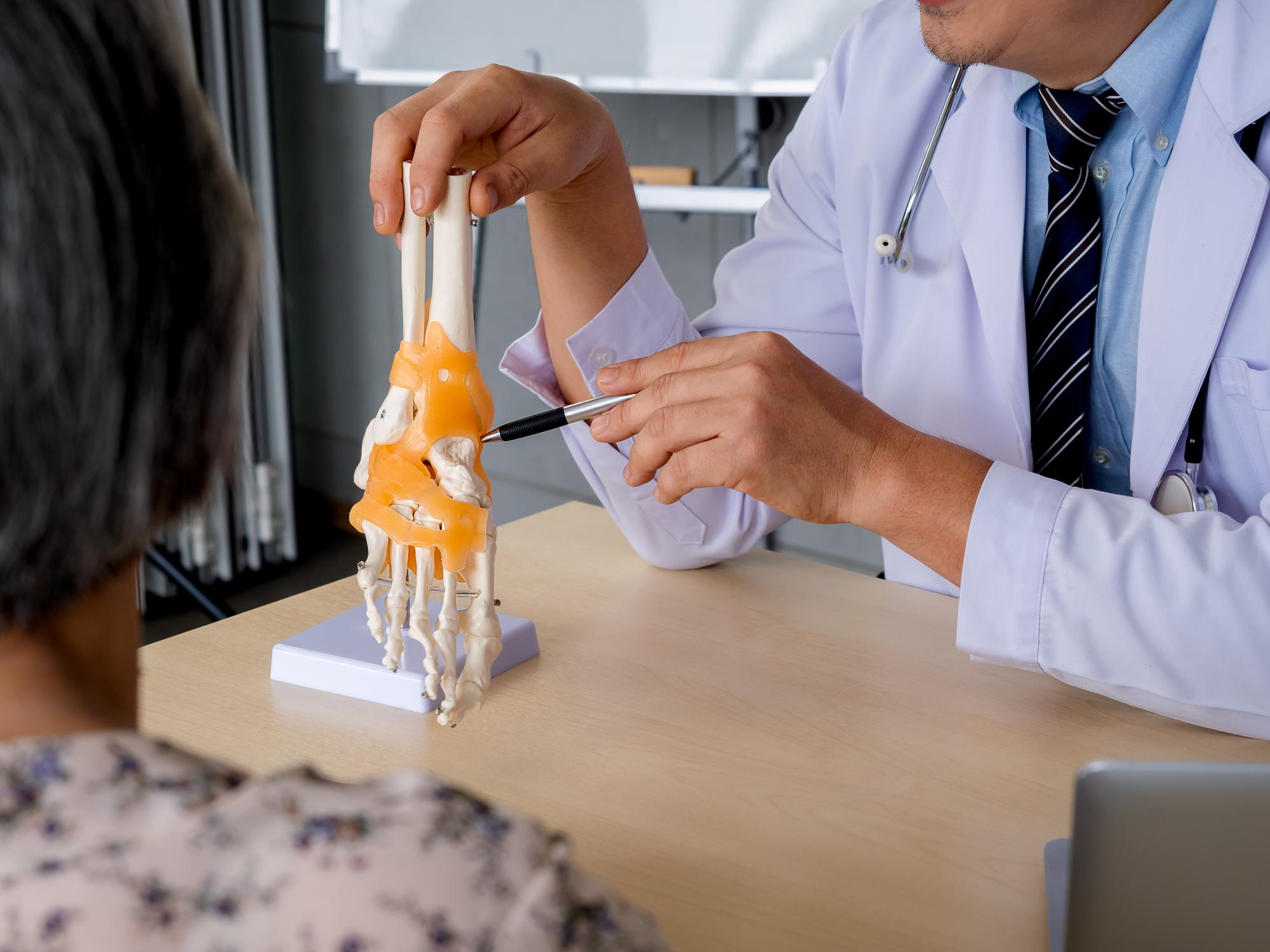
Doctor holding a bone model and explaining the bone healing process.
A bone fracture can be scary, painful and physically limiting but the human body has an extraordinary ability to repair itself. From the moment a bone breaks, your system activates a natural healing process that works 24/7 to rebuild strength and restore normal function. Understanding how bones heal after a fracture can help you recover with realistic expectations, follow your treatment plan more confidently and avoid complications.
In this guide, we break down the science of bone healing, the stages involved, the average recovery timeline and the steps you can take to support faster healing.
Bones are living tissues rich in blood vessels, minerals, collagen and specialized cells. When a fracture occurs, the body immediately begins repairing the damage. Unlike skin, bones heal by forming new bone tissue, not just scar tissue. This is why, in many cases, a healed bone can become even stronger than before.
Bone healing takes place in three major stages:
Let's delve into each stage in depth.
Timeline: First 1-7 days following the fracture
Right after a fracture, the body goes into emergency mode. Blood rushes to the injury site, forming a clot around the broken ends of the bone. This clot contains essential cells like macrophages, inflammatory mediators and fibroblasts that clear damaged tissue and prepare the area for healing.
What happens during this stage:
This phase is crucial because it sets the entire healing process in motion. Proper immobilisation using a cast, splint or brace is essential to prevent further injury.
Timeline: 2-6 weeks
During this stage, the body starts creating a soft callus, a flexible tissue made of collagen. This callus bridges the gap between broken bone edges. Next, the soft callus slowly transforms into a hard callus, made of new bone (woven bone). This is the phase when the fracture becomes more stable.
What's happening inside your bone:
Patients generally feel:
However, the new bone is still weak and can break again if overloaded so following the doctor’s weight-bearing instructions is extremely important.
Timeline: 3 months to 2 years
This is the longest and most fascinating stage. The newly formed bone, which is rough and uneven, slowly reshapes itself into a strong structure similar to the original.
Remodelling ensures:
Even though the bone may feel “normal” after a few weeks, internal remodelling continues silently for many months.
The healing timeline depends on factors like age, bone involved, fracture type and overall health.
Average healing times:
Certain bones heal slower:
Complicated or unstable fractures may require:
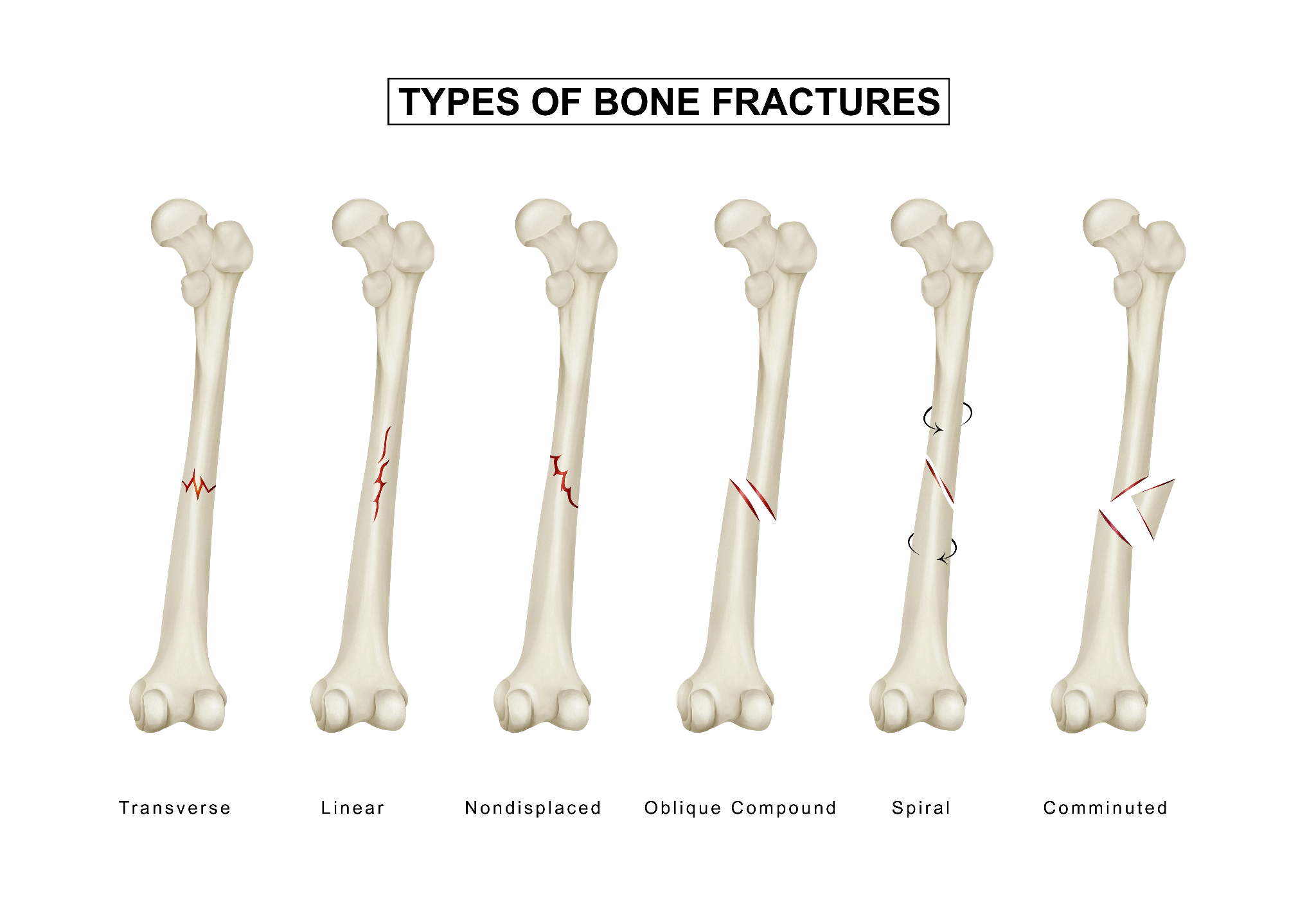
Types of bone fractures infographic showing common fracture patterns.
Understanding what supports or delays bone recovery can help you heal faster.
Helps to Heal:
Delays Healing:
Your body needs the right nutrients to rebuild bone.
Include:
These support collagen and mineral formation.
Vitamin D allows your body to absorb calcium. Safe sun exposure + supplements (only if prescribed) can help maintain levels.
Never take off or adjust your cast yourself.
Poor support may impede the healing process or cause deformity.
Smoking and alcohol significantly reduce blood flow, thus slowing down the bone regeneration process.
Physiotherapy helps with:
Your orthopaedic physician will advise when it is safe to begin exercises.

Patient doing physiotherapy exercises after a leg fracture.
Regular X-rays make sure the bone is healing properly. Physicians may recommend the following if recuperation is to be slow:
Call your doctor if you have:
These may indicate complications that require urgent treatment.
At Prakash Hospital, Noida, our expert orthopaedic team specialises in advanced fracture treatment, personalised care plans and faster recovery protocols. With state-of-the-art digital X-rays, modern operation theatres, dedicated physiotherapy support and highly experienced surgeons, we ensure your bones heal safely and naturally.
If you need conservative treatment, plastering, surgical fixation or rehabilitation, Prakash Hospital provides end-to-end care so you can return to daily life with confidence.
Choose Prakash Hospital for trusted, compassionate and world-class bone and joint care.

This article covers orthopaedic concerns. These Prakash Hospital doctors in Noida treat them.

Dr. Mayank Chauhan
Consultant Orthopaedics & Joint Replacement Surgeon
Orthopaedics · Joint Replacement

Dr. Manoj Mehra
Consultant Orthopaedics Surgeon
Orthopaedic Surgeon · Joint Replacement Surgeries
Realigns broken bones and holds them with plates, screws, rods or frames so they heal in the right position.
Reattaches or rebuilds torn ligaments in the knee, ankle, elbow or thumb to steady an unstable joint.
Frees a trapped spinal nerve by removing slipped disc or bone, easing sciatica and leg pain.
Free tools to check your weight, plan a pregnancy, track calories and more.
We offer expert care across key specialties, including Medicine, Cardiology, Orthopaedics, ENT, Gynaecology, and more—delivering trusted treatment under one roof.
Learn about bone fractures in adults including types of fractures, causes, symptoms, diagnosis, treatment options at Prakash Hospital.
23 Feb 2026
by Prakash Hospital

Compound Bone Fracture क्या है, इसके लक्षण, इलाज के तरीके, सर्जरी, सावधानियां और पूरी रिकवरी प्रक्रिया जानें इस विस्तृत हिंदी गाइड में।
30 Dec 2025
by Prakash Hospital
Learn about stress fractures, including causes, symptoms, treatment options, and recovery tips for faster healing and injury prevention.
18 May 2026
by Prakash Hospital

शुगर कंट्रोल कैसे रखें? जानिए डायबिटीज को नियंत्रित रखने के आसान घरेलू उपाय, सही खानपान, दिनचर्या और ज़रूरी सावधानियाँ।
13 Feb 2026
by Prakash Hospital

Healthy diet chart — a practical daily meal plan for Indian families with portions, timing, and food choices. Visit Prakash Hospital Noida for nutrition consultation.
30 Jun 2026
by Prakash Hospital

जानिए फूड पॉइजनिंग क्या है, इसके लक्षण क्या होते हैं, इलाज कैसे किया जाता है और इससे बचने के आसान तरीके।
26 Mar 2026
by Prakash Hospital

Identify warning signs of orthopedic problems early and learn when to consult a specialist for joint and bone care.
6 Jun 2025
by Prakash Hospital

Learn how to make your bones grow stronger naturally with expert advise from the doctors at Prakash Hospital.
1 Oct 2025
by Prakash Hospital
Support fracture recovery with essential nutrients like calcium, vitamin D, and protein for faster bone healing.
19 Nov 2025
by Prakash Hospital


Book a consultation with Prakash Hospital's specialists — 24/7 emergency care, 100+ doctors, NABH accredited.
View All Departments