

Colonoscopy
A camera test of the large bowel that finds the cause of bleeding or changed bowel habits, and removes polyps before they can turn into cancer.

- Test duration
- 20 to 45 minutes
- Anaesthesia
- Sedation through a vein
- Hospital stay
- None, home the same day
- Results
- Seen on screen; biopsies in days
On this page
Overview
Blood on the toilet paper that you've been blaming on piles. Loose motions that have gone on for a month, or constipation that's new at 50. A low haemoglobin nobody can explain. Or no symptoms at all, just a parent who had bowel cancer. Any one of them is a good reason to look inside the large bowel.
In colonoscopy, a gastroenterologist passes a long, flexible tube with a camera at its tip through the back passage and steers it around the whole of the large bowel (colon). You're usually sedated. Through the tube, the doctor can take biopsies and remove polyps, small growths on the lining that can slowly turn into cancer over years.
The test itself is usually the easy part. The bowel preparation the day before is what most people remember, and it matters: the lining can only be checked properly if the bowel is completely clean. Get the prep right, and a normal colonoscopy in someone at average risk usually means no repeat for about 10 years.
Our gastroenterology team uses high-definition video endoscopes and removes polyps during the same colonoscopy, so most people need only one test. We recommend screening for colon polyps and bowel cancer from age 45 for people at average risk, and earlier if cancer or polyps run in your family.
Why the test is done
Colonoscopy is used both to find the cause of symptoms and to screen people who have none.
- Blood in the stool, or dark red blood mixed in with it
- A change in bowel habit lasting more than a few weeks, such as new constipation or loose stools
- Anaemia from iron deficiency without a clear cause
- Suspected or known inflammatory bowel disease (ulcerative colitis or Crohn's disease)
- Screening from age 45, or earlier with a family history of bowel cancer or polyps
- Follow-up after polyps have been removed or after bowel cancer surgery
Preparing for the test
- About 5 to 7 days before, stop iron tablets, which make the stool black and sticky. Tell us if you take blood thinners such as aspirin, clopidogrel, warfarin or newer anticoagulants, and change them only on your doctor's advice
- Two to three days before, switch to low-fibre food: white rice, plain khichdi with yellow moong dal, white bread, idli, suji upma, poha without peanuts, curd, paneer, eggs, and potato without the skin
- In those days, avoid seeds, skins and roughage: whole grains, sprouts, salads, leafy sabzi, rajma, chana, nuts, and fruit such as guava, grapes, tomato and cucumber, whose seeds cling to the bowel wall
- The day before, have a light low-fibre breakfast, then clear liquids only from about lunchtime: water, coconut water, clear strained soup, ORS, lemon water, black tea or coffee, and pulp-free apple juice. Skip milk, lassi and anything red or purple
- Take the prep as a split dose. Drink the first half of the solution the evening before, and the second half 4 to 6 hours before your test, finishing at least 2 hours before it. Splitting it cleans the bowel far better than taking it all the night before
- Chill the solution, sip it through a straw, and follow each glass with a clear drink you like. Loose motions start within 1 to 3 hours, so stay near a toilet and keep drinking
- You're ready when what you pass is clear or pale yellow liquid with no bits. If it's still brown and thick, call us, because you may need extra prep
- With diabetes, your tablets or insulin will be reduced on the clear-liquid day, and some tablets, such as SGLT2 inhibitors, may be stopped a few days before. Check your sugar often and use sugary clear drinks if it runs low
- Tell us about kidney or heart disease, since the type of prep may need changing, and arrange for someone to take you home after sedation
What happens during the test
- 01
Checking in
A nurse confirms your prep has worked, checks your medicines and places a cannula.
- 02
Sedation
You lie on your left side with your knees bent. Sedation goes into the vein, and your breathing, oxygen and pulse are monitored throughout.
- 03
Passing the colonoscope
The doctor passes the lubricated scope into the back passage and steers it around the colon. Air or carbon dioxide opens up the bowel, which can cause cramping and a need to pass wind.
- 04
Examining on the way out
Once the scope reaches the start of the colon, it's withdrawn slowly while the doctor inspects every fold of the lining. This is when polyps are removed and biopsies taken, neither of which you'll feel.
- 05
Finishing
The test takes 20 to 45 minutes, longer if several polyps are removed.
Understanding your results
Your gastroenterologist usually tells you what was seen before you go home. Sedation blurs memory, so bring someone to listen with you. The report describes how clean the bowel was, whether the whole colon was seen, and anything found, often with photographs.
Polyps become more common with age, and most are harmless or slow-growing. Removed polyps go to the laboratory, and their type, size and number decide when your next colonoscopy should be, often after 3, 5 or 10 years.
Biopsies may confirm inflammatory bowel disease, an infection or, less often, cancer. Results take several days to about a week. If the prep wasn't good enough to see the whole lining, you may need to repeat the test sooner.
Benefits and risks
Benefits
- Examines the whole large bowel in one test
- Polyps can be removed in the same sitting, lowering the chance of bowel cancer later
- Biopsies confirm conditions such as colitis or cancer
- Finds the source of bleeding, and can sometimes treat it
Possible risks
- Bloating and cramping for a few hours from the air used
- Dehydration or light-headedness from the bowel prep, especially in older people and those with kidney disease
- Bleeding after polyp removal, in roughly 1 in 100 to 1 in 200, sometimes up to 2 weeks later
- A tear in the bowel wall (perforation), around 1 in 1,000, more likely when large polyps are removed
- Missed polyps, which are uncommon when the bowel is clean
After the test
- 01
The first hour
You rest while the sedation wears off. Passing wind is normal and helps the cramps settle.
- 02
Eating and drinking
You can usually eat straight away. Start with something light such as dal-chawal, khichdi, curd rice or toast, and drink plenty to replace what the prep took out.
- 03
The rest of the day
Don't drive, ride a two-wheeler or sign important documents until the next day. Most people are back to normal activity and work the next morning.
- 04
After polyp removal
If a large polyp was removed, avoid heavy lifting and long trips for a few days, and ask when to restart blood thinners. A streak of blood in the first stool is common.
When to call your doctor
- Severe or worsening abdominal pain, or a hard, swollen tummy
- Passing more than a few spoonfuls of blood, or clots, from the back passage
- Fever or shivering
- Dizziness, fainting or repeated vomiting
- Passing very little urine after the prep, which can mean dehydration
Call us on +91-8826000033 or come straight to our 24/7 emergency department.
Other tests
Stool test for hidden blood (FIT)
A simple home stool test used for screening in many countries. A positive result still needs a colonoscopy, and the test can miss polyps.
Flexible sigmoidoscopy
A shorter scope that examines only the last part of the bowel, after a simple enema. It suits some younger people with fresh bleeding, but misses the rest of the colon.
CT colonography
A CT scan after bowel prep that builds 3D pictures of the colon. It needs the same clean-out, can't take biopsies, and anything it finds still needs a colonoscopy.
Talk to our Gastroenterology team
Ask about your options, the cost and your insurance before you decide. See the insurance and TPA panels we work with.
This page explains Colonoscopy in general terms. Your own plan depends on your health, your test results and your doctor's advice. Please read our medical disclaimer.
Your care team
Colonoscopy is led by our Gastroenterology team, with other departments stepping in at each stage of your care.
Gastroenterology Department
At Prakash Hospital, our Gastroenterology Department offers specialized care for digestive system disorders, ensuring accurate diagnosis, advanced treatments, and compassionate support for your gastrointestinal health.
What the department treats
Diagnostic and Therapeutic Endoscopy
Colonoscopy
ERCP
Liver Disease Management
IBD Management
GI Cancer Screening
Other departments involved
General Surgery
Treats piles and fissures found during the test, and operates when a tumour or large polyp can't be removed through the scope.
Visit departmentDiagnostic
Runs blood tests such as haemoglobin and kidney function, and examines removed polyps and biopsies.
Visit departmentGeneral Medicine
Helps adjust diabetes, heart and kidney medicines around the bowel prep.
Visit departmentMeet the specialists

Related procedures
Procedures often considered alongside Colonoscopy, or that treat related conditions.
Upper GI Endoscopy
A camera test of the food pipe, stomach and duodenum for acidity, ulcers, bleeding and swallowing problems.
Learn moreCapsule Endoscopy
A swallowed pill camera that photographs the small intestine to find hidden bleeding or Crohn's disease.
Learn moreGeneral & Laparoscopic SurgeryHaemorrhoidectomy
Removes large or prolapsing piles that haven't settled with diet, medicines or banding.
Learn moreERCP
Endoscopic treatment through the mouth that removes bile duct stones and opens blockages causing jaundice.
Learn moreMore in Gastroenterology
Other procedures our Gastroenterology team performs.
Related articles
Guides from our doctors on Colonoscopy and the conditions it treats.
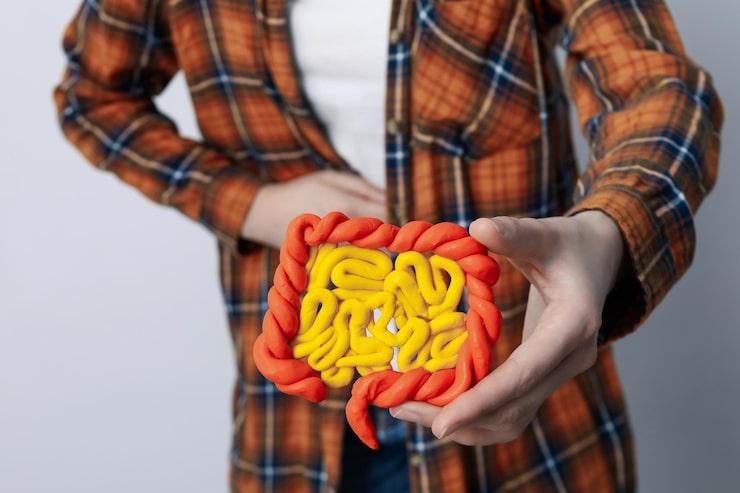
Colon Polyps and How They Can Lead to Colon Cancer
Learn all you need to know about colon polyps and the risk they carry with advise from the best doctors at Prakash Hospital, Noida.
22 Sept 2025
by Prakash Hospital
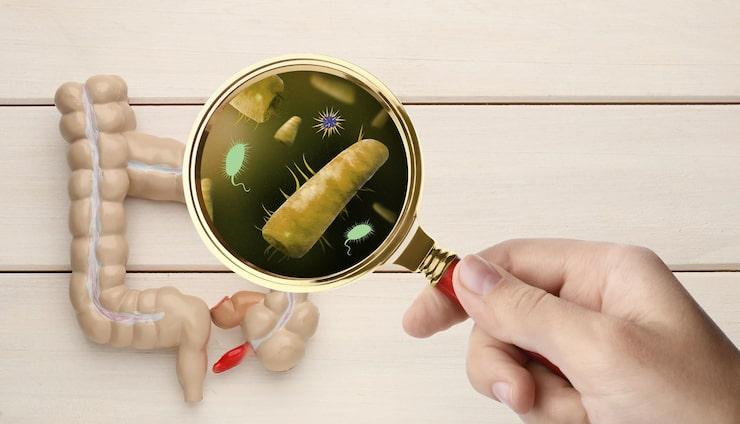
Understanding Crohn’s Disease and Its Treatment
Learn more about Crohn's disease with the help of the expert knowledge of the doctors in Prakash Hospital, Noida.
26 Aug 2025
by Prakash Hospital

Piles (Hemorrhoids) Causes, Symptoms and Treatment
Understand piles or hemorrhoids, their causes, symptoms, types, diagnosis, treatment options, lifestyle changes, and when to seek medical care.
14 Jan 2026
by Prakash Hospital

IBS Symptoms: What Is Irritable Bowel Syndrome and How to Manage It
IBS symptoms, causes, triggers, and management. What is irritable bowel syndrome and how to live with it. Prakash Hospital Noida.
17 Sept 2026
by Prakash Hospital
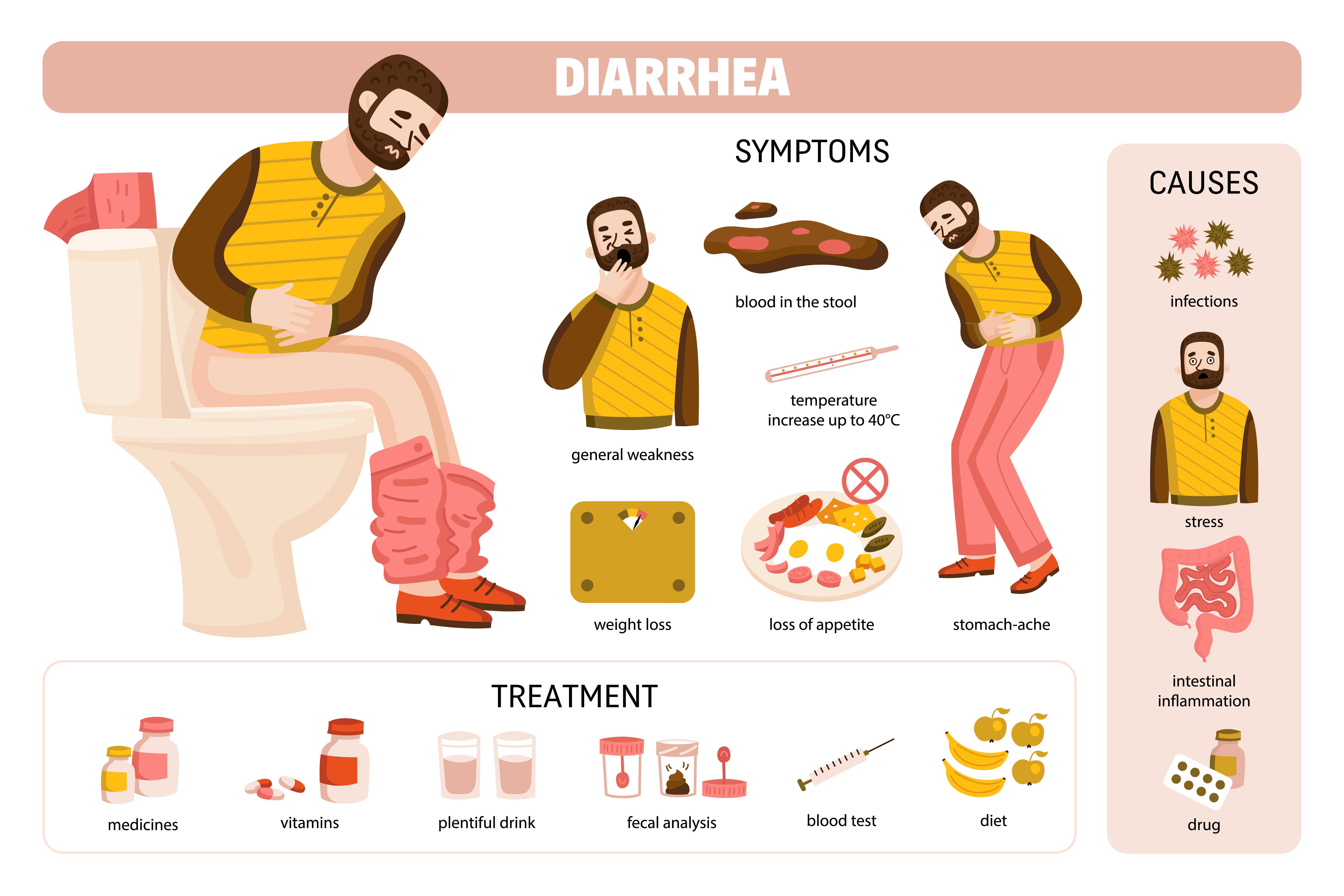
How to Relieve Constipation: What Works and Why
How to relieve constipation with Indian diet, home remedies, and when to see a doctor. Practical guide from Prakash Hospital Noida.
17 Sept 2026
by Prakash Hospital

High Fibre Foods and How They Improve Digestion
Learn about high fibre foods, types of dietary fibre, digestive benefits, recommended intake, and how fibre prevents constipation and heart disease.
27 Feb 2026
by Prakash Hospital
Frequently Asked Questions
Answers to common questions about Colonoscopy at Prakash Hospital, Noida.
Is colonoscopy painful?
What if I feel sick and can't finish the prep?
When should I start colonoscopy screening?
Is colonoscopy safe for elderly parents?
Can I have a colonoscopy during my period or pregnancy?
Does insurance cover colonoscopy?


Looking for the Best Hospital in Noida? Talk to Our Experts
Book a consultation with Prakash Hospital's specialists — 24/7 emergency care, 100+ doctors, NABH accredited.

Prakash Hospital Pvt. Ltd. is a 100 bedded NABH NABL accredited multispecialty hospital along with a center of trauma and orthopedics. We are in the service of society since 2001.
OUR SPECIALITIES
Patient Services
PROCEDURES
Contact Us
D – 12A, 12B, Sector-33, G. B. Nagar, Noida, Uttar Pradesh 201301
+91-8826000033


© 2026 All rights reserved.
Designed and Developed by Zarle Infotech


