


High Fibre Foods and How They Improve Digestion
Learn about high fibre foods, types of dietary fibre, digestive benefits, recommended intake, and how fibre prevents constipation and heart disease.
27 Feb 2026
by Prakash Hospital
by Prakash Hospital
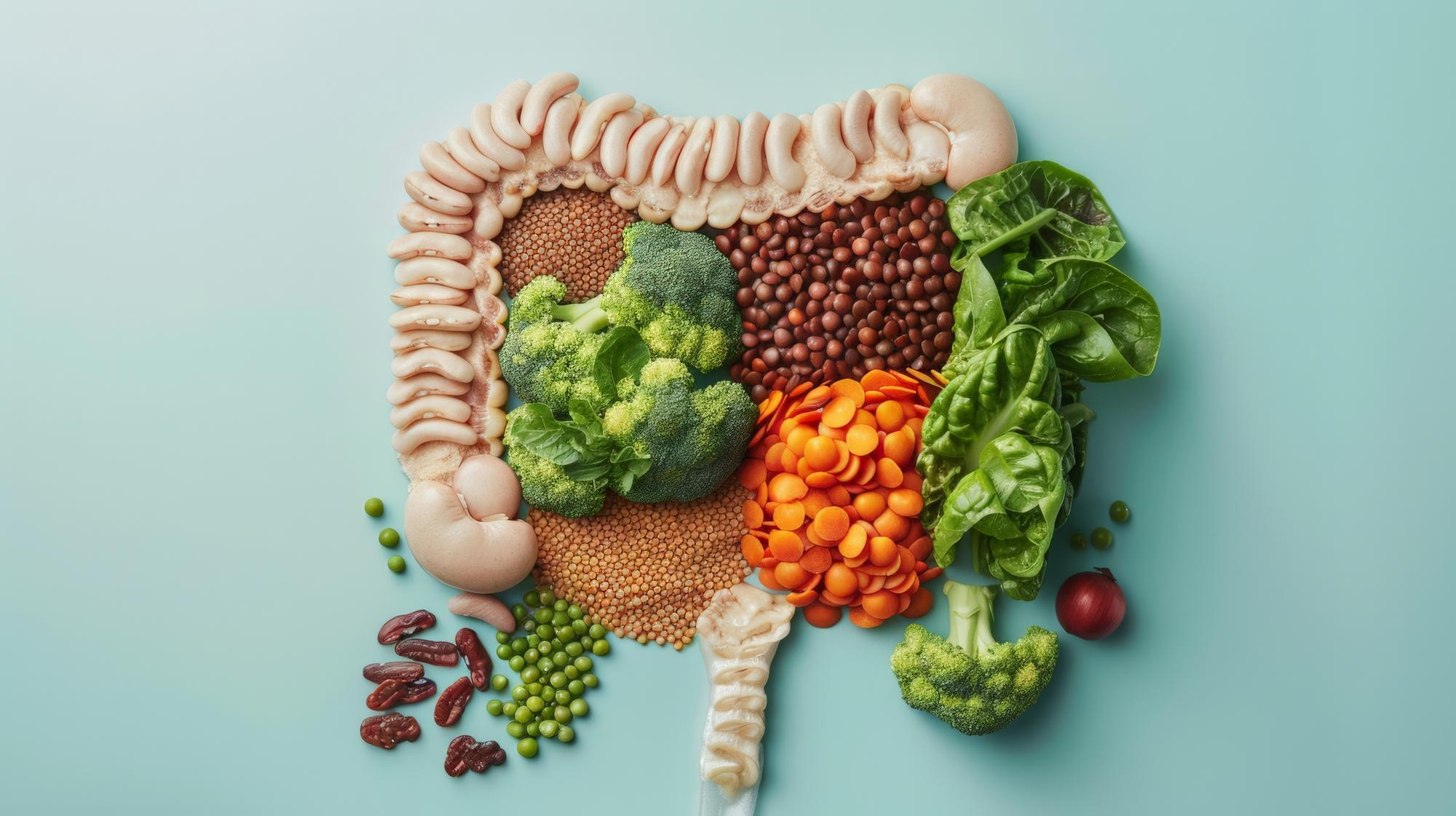
An assortment of gut-friendly foods such as vegetables and whole grains arranged creatively in the shape of human intestines.
Poor digestion is one of the most universal health complaints in India. Bloating after meals. Acidity that flares up without warning. Irregular bowel habits that swing between constipation and loose stools. A persistent heaviness after eating that lasts hours. Gas that's embarrassing and uncomfortable.
Many people accept these as facts of life — side effects of Indian food, their constitution, or aging. Most of the time, they're not. They're symptoms of a digestive system that's under some form of stress, whether from diet, lifestyle, the gut microbiome, or an underlying condition that hasn't been identified.
Understanding how digestion actually works, and what disrupts it, makes fixing it much more direct than years of antacid dependence.
Digestion is not just stomach acid breaking down food. It's a coordinated process involving the brain, the mouth, the oesophagus, the stomach, the small intestine, the large intestine, the pancreas, the liver, and billions of gut bacteria.
Mouth: chewing breaks food into smaller particles and mixes it with saliva, which contains amylase — an enzyme that begins carbohydrate digestion. Inadequate chewing means larger food particles arrive in the stomach less prepared for digestion.
Stomach: churns food with hydrochloric acid and pepsin, breaking down protein and killing most ingested pathogens. Food typically stays in the stomach for 1–4 hours depending on its composition (fat slows emptying; simple carbohydrates exit fastest).
Small intestine: where most nutrient absorption happens. Pancreatic enzymes (lipase, protease, amylase) and bile from the liver break down fats, proteins, and carbohydrates into absorbable units. Specialised cells in the intestinal wall absorb nutrients into the bloodstream.
Large intestine (colon): absorbs water and electrolytes. Gut bacteria ferment fibre here, producing short-chain fatty acids beneficial for colon health. The remaining material becomes stool.
Disruption at any stage produces symptoms — bloating from fermentation in the wrong place, slow transit producing constipation, rapid transit producing diarrhoea, inadequate enzyme production producing malabsorption.
Eating too fast: the stomach and small intestine work best when food arrives in a partially processed state. Rapid eating bypasses adequate chewing, arrives in large particles, and overwhelms the stomach's capacity.
Large, unbalanced meals: the digestive system handles moderate, balanced meals better than very large ones high in refined carbohydrate or fat. The Indian habit of two large meals rather than three moderate ones, or eating very little all day and then a huge dinner, strains digestive function.
Stress and anxiety: the gut-brain connection is direct and significant. The enteric nervous system (often called the "second brain") in the gut is connected to the central nervous system via the vagus nerve. Stress suppresses digestive secretions, alters motility, increases gut permeability, and is one of the most common causes of IBS, acidity, and functional digestive complaints.
Low fibre intake: the large intestine depends on dietary fibre for proper function. Fibre provides bulk to stool, feeds beneficial bacteria, and maintains transit time. Low fibre produces constipation and dysbiosis (imbalanced gut bacteria).
Insufficient water: the colon absorbs water from stool. Chronic mild dehydration produces harder stools and slower transit.
Excessive spice and oil: very hot chilli irritates the gut lining. Large amounts of oil slow gastric emptying. The problem isn't Indian spices per se — it's excessive quantities of both together.
Irregular meal timing: the digestive system has circadian rhythms. Eating at irregular times disrupts the coordinated hormonal and enzymatic responses that optimise digestion.
Sedentary lifestyle: physical activity stimulates gut motility. Sedentary people have consistently slower gut transit times.
Antibiotic use: disrupts the gut microbiome, often causing diarrhoea, bloating, and digestive irregularity for weeks after a course.
Lactose intolerance: the majority of adult Indians are lactose intolerant to varying degrees (the enzyme lactase declines after childhood in many people). Bloating, gas, and loose stools after dairy — particularly milk — are classic symptoms. Many people with lactose intolerance tolerate curd (the lactose is partially broken down by bacteria during fermentation) even when they can't tolerate milk.
H. pylori infection: very common in India. Causes gastritis, bloating, nausea, and upper abdominal discomfort. Treatable with antibiotics.
The single most impactful and undervalued change. Chewing each mouthful 20–30 times significantly:
Putting the phone or screen away during meals is necessary — eating while distracted reliably produces faster eating and worse digestion.
The digestive system prepares itself for meals through anticipatory secretion of stomach acid and digestive enzymes — called the cephalic phase response. This happens when you smell, see, or even think about food at the usual mealtime. Irregular meal timing disrupts this preparation, reducing digestive efficiency.
Aim for meals at roughly the same time each day: a substantial breakfast, a moderate lunch, and a moderate dinner — the three-meal structure that matches circadian digestive capacity.
This one is counterintuitive given the advice to stay hydrated. Small amounts of water with meals are fine. Large amounts of water (several glasses) dilute stomach acid and digestive enzymes, potentially impairing digestion. Drink most of your daily water between meals, and have a small glass if thirsty during a meal.
Warm water or warm herbal tea before meals (5–10 minutes prior) actually helps — it stimulates digestive secretions. This is the rationale behind the traditional practice of warm water before meals.
Indian cooking has incorporated digestive spices for millennia — not for taste alone, but for their genuine effects on digestion:
Jeera (cumin): stimulates secretion of digestive enzymes from the pancreas. Reduces bloating and flatulence. Jeera water (roasted jeera in warm water) is a traditional and effective post-meal digestive aid.
Ajwain (carom seeds): contains thymol, which stimulates gastric acid secretion and has potent antispasmodic effects on the gut. Particularly effective for bloating, gas, and spasms. A pinch of ajwain in dal or taken with warm water after meals is a practical digestive.
Hing (asafoetida): reduces flatulence by inhibiting the fermentation that produces intestinal gas. Crucial in dal cooking for a reason — the carbohydrates in dal ferment easily, and hing counteracts this.
Ginger: reduces nausea, stimulates digestive motility, reduces gut inflammation. Fresh ginger in cooking or ginger tea after meals.
Saunf (fennel seeds): antispasmodic, reduces gas and bloating. The traditional post-meal saunf eating habit is genuinely functional — not just a breath freshener.
Turmeric: anti-inflammatory in the gut lining. Supports bile production (important for fat digestion).
Methi seeds (fenugreek): the soluble fibre in methi helps regulate gut transit and reduce constipation.
Fibre is the most important dietary factor for healthy gut transit and colon health.
Insoluble fibre (adds bulk, speeds transit):
Soluble fibre (ferments to produce beneficial short-chain fatty acids, feeds gut bacteria):
For constipation specifically: starting isabgol (one teaspoon in a glass of water before bed) alongside adequate water intake resolves most functional constipation within days.
Increase fibre gradually — adding a lot at once causes gas and bloating as the gut bacteria adjust. Increase over 2–4 weeks.
Hydration supports every part of digestion — saliva, gastric mucus, intestinal secretions, and colon water absorption. Chronic mild dehydration is a very common cause of constipation in India, particularly in summer.
Warm water specifically helps gut motility — traditional advice to drink warm water in the morning on an empty stomach is supported by evidence that warm fluids stimulate peristalsis more effectively than cold.
Physical activity stimulates intestinal motility. Even a 15-minute walk after meals significantly speeds gastric emptying and reduces bloating. Regular aerobic exercise reduces transit time and improves the diversity of gut bacteria.
Post-meal walking is the single easiest digestive improvement available — it requires no equipment, costs nothing, and produces measurable results within days.
Stress is arguably the most common underlying cause of functional digestive complaints in urban Indians. Cortisol and adrenaline suppress digestive secretions, alter motility (producing either constipation or diarrhoea), and increase gut permeability.

A person sitting with a doctor, appearing worried and tense, indicating stress and anxiety.
Yoga, pranayama, slow breathing before meals, and addressing chronic stressors are digestive interventions as much as they are mental health ones.
Eating while stressed produces measurably worse digestion. If possible, take three deep breaths before starting a meal to shift from sympathetic ("fight or flight") to parasympathetic ("rest and digest") dominance.
Curd, chaas, and fermented foods maintain the gut microbiome that is central to healthy digestion. Beneficial bacteria produce enzymes that assist digestion, produce short-chain fatty acids that support the colon lining, and compete with gas-producing and harmful bacteria.
A bowl of curd at both lunch and dinner is a practical and effective gut health strategy.
Warm lemon water in the morning: stimulates bile production and gut motility. Vitamin C in lemon supports immune function. Effective and inexpensive.
Saunf after meals: fennel seeds are antispasmodic and reduce flatulence. The traditional post-meal ritual has genuine digestive merit.
Warm water with ajwain or jeera after meals: effective for bloating and gas.
Triphala: a traditional Ayurvedic preparation of three fruits (amla, bibhitaki, haritaki) — used for constipation and digestive support. Has evidence for mild laxative effects and antioxidant properties. One teaspoon of triphala powder in warm water before bed.
Refined flour (maida) products: slow gastric transit, ferment readily in the colon producing gas.
Very large portions of dal: dal is nutritious, but very large quantities of legumes produce gas (from fermentation of resistant starch and oligosaccharides). Moderate portions with digestive spices (hing, jeera) are better tolerated.
Excessive spice and oil: more than the gut can comfortably handle accelerates motility toward diarrhoea or causes reflux.
Milk (for the lactose intolerant): often unrecognised — many people attribute their bloating to "Indian food" when it's specifically dairy milk.
Packaged and processed foods: contain additives and emulsifiers that damage the gut lining and disrupt microbiome.
Eating stale or reheated food: bacterial and mould growth in improperly stored food causes digestive upset — more common in hot Indian summers.
Most digestive complaints are functional — without structural disease — and respond to lifestyle changes. But see a doctor if:
These may indicate conditions requiring investigation — colonoscopy, endoscopy, stool tests, or blood work.
At Prakash Hospital Noida, our physicians and gastroenterologists evaluate digestive complaints — from functional conditions like IBS and acidity to structural conditions requiring endoscopy or colonoscopy. H. pylori testing, lactose intolerance evaluation, and stool testing for infections are available.
Whether you live in Sector 18, Sector 62, Greater Noida West, or anywhere in the NCR, Prakash Hospital Noida is a trusted name for gastroenterology, digestive health, and general medicine in Noida.

Endoscopic treatment through the mouth that removes bile duct stones and opens blockages causing jaundice.
A camera test of the large bowel that investigates bleeding or bowel changes and removes polyps early.
A camera test of the food pipe, stomach and duodenum for acidity, ulcers, bleeding and swallowing problems.
Free tools to check your weight, plan a pregnancy, track calories and more.
We offer expert care across key specialties, including Medicine, Cardiology, Orthopaedics, ENT, Gynaecology, and more—delivering trusted treatment under one roof.
Learn about high fibre foods, types of dietary fibre, digestive benefits, recommended intake, and how fibre prevents constipation and heart disease.
27 Feb 2026
by Prakash Hospital
Improve gut health naturally with diet, probiotics, and lifestyle tips guided by experts at Prakash Hospital.
7 Nov 2025
by Prakash Hospital
Learn the importance of dietary fiber for digestion, heart health, and immunity with expert-backed insights from Prakash Hospital, Noida.
15 Sept 2025
by Prakash Hospital

Male infertility causes, from varicocele to heat and smoking, the semen analysis, and what helps — a practical guide for Indian men. Prakash Hospital Noida.
7 Oct 2026
by Prakash Hospital

जानिए किडनी फंक्शन टेस्ट (KFT) क्या होता है, यह किन-किन पैरामीटर्स को मापता है और किडनी की सेहत के बारे में क्या जानकारी देता है।
11 May 2026
by Prakash Hospital

Prostate problems — symptoms of BPH, prostatitis and prostate cancer, the tests used to diagnose them, and when to see a doctor. Prakash Hospital Noida.
5 Oct 2026
by Prakash Hospital

Vitamin D3 foods — understand the difference between D2 and D3, top sources, and how to meet your needs. Visit Prakash Hospital Noida for nutrition consultation.
24 Jun 2026
by Prakash Hospital
Support fracture recovery with essential nutrients like calcium, vitamin D, and protein for faster bone healing.
19 Nov 2025
by Prakash Hospital
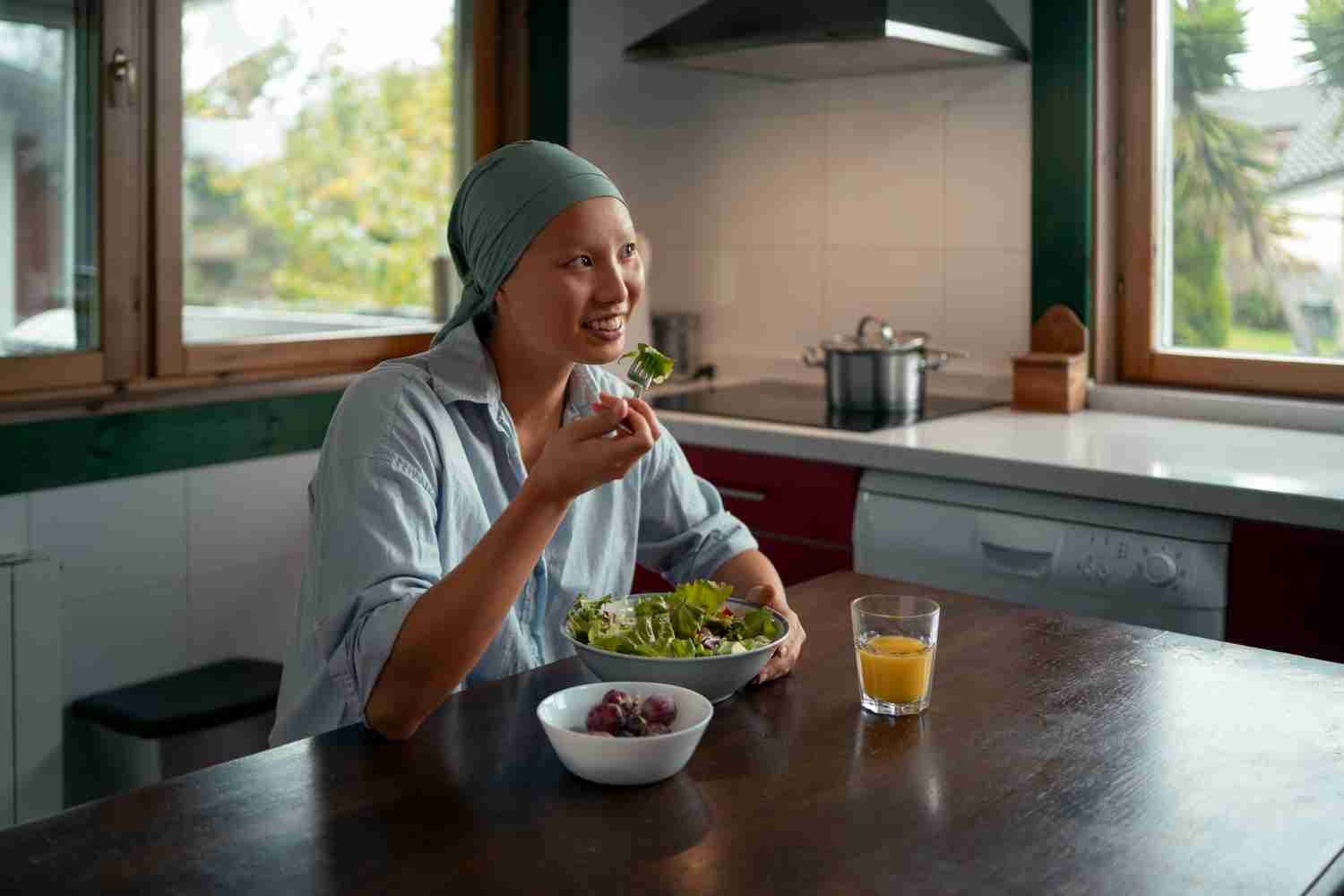
Discover expert-backed nutrition tips for cancer patients. Learn how to manage treatment side effects, stay hydrated, and eat for strength and recovery.
27 May 2025
by Prakash Hospital


Book a consultation with Prakash Hospital's specialists — 24/7 emergency care, 100+ doctors, NABH accredited.
View All Departments