


Knee Pain: What's Causing It and What Helps
Knee pain causes, home exercises, and when to get a medical opinion. A practical guide from Prakash Hospital Noida, Noida.
26 Aug 2026
by Prakash Hospital
A new joint for a knee worn out by arthritis, so you can walk, climb stairs and sleep through the night without pain.

Severe knee arthritis changes the small things first. You take the lift instead of the stairs, plan outings around where you can sit down, and need two attempts to get up from a chair. Eventually the pain follows you to bed.
In a total knee replacement (total knee arthroplasty), your surgeon removes the worn cartilage and a thin layer of bone from the end of your thigh bone (femur) and the top of your shin bone (tibia). Both ends are capped with metal components, and a medical-grade plastic spacer sits between them so the joint glides smoothly again. If the back of your kneecap is badly worn, it can be resurfaced with a plastic button too.
For most people it brings lasting relief. The new knee won't feel exactly like the one you were born with, but most people stop planning their day around the pain.
At Prakash Hospital, your orthopaedic surgeon and our physiotherapy team plan the operation and the rehab together. We usually get you on your feet within 24 hours of surgery, because early movement makes a real difference to how well the knee bends later. If only one part of your knee is damaged, a partial knee replacement may be enough, and we'll tell you if that's the case.
The most common reason is osteoarthritis, where the cartilage that cushions the joint wears away until bone grinds on bone. X-rays show a narrowed joint space and bony spurs, and in advanced cases the knee starts to bow inward or outward. Surgery is considered once the damage is advanced and other treatment has stopped working.
Most knees are fixed with bone cement, which holds the parts firmly from day one. In younger patients with strong bone, your surgeon may choose press-fit components that the bone grows into over a few months.
The ligament at the back of the knee (the posterior cruciate) can be kept, or its job can be taken over by a post built into the implant. It depends on how healthy that ligament is and how deformed the knee has become.
If both knees are badly affected, they can be replaced on the same day or a few months apart. Doing both together means one anaesthetic and one rehab period, but it is a bigger strain on the body and suits fitter patients.
Most knee replacements are done under spinal anaesthesia, which numbs you from the waist down, with light sedation so you doze through it. A nerve block in the thigh keeps pain down for the first day.
The surgeon makes a cut of about 15 to 20 cm down the front of the knee and moves the kneecap aside to reach the joint.
Using cutting guides, the surgeon removes the damaged cartilage and a few millimetres of bone from the femur and tibia. The cuts are angled to correct any bowing, so your leg ends up straighter.
The ligaments on either side are adjusted until the knee is equally stable bent and straight. This balance has a lot to do with how natural the new knee feels.
Trial parts go in first, and the knee is moved through its full range to check the fit. Then the final metal components are fixed in place with the plastic insert locked between them.
The wound is closed with stitches or staples and a padded dressing goes on. The whole operation typically takes 1 to 2 hours.
Recovery is a steady climb, though not a straight line. Some days the knee will feel stiff and swollen for no obvious reason. Doing your exercises every day matters as much to the final result as the surgery does.
A physiotherapist gets you standing, usually within 24 hours, and you take your first steps with a walker. In bed you do ankle pumps and thigh-tightening exercises.
You walk further each day, practise getting on and off the bed and toilet, and try a few stairs with help. Before you go home, the aim is to bend the knee to about 90 degrees.
Stitches come out at around two weeks and you move from a walker to a stick. Some warmth and swelling is normal. Exercises focus on bending (aim for about 110 degrees by six weeks) and getting the knee fully straight.
Most people walk without support, return to desk work and can drive again once they can brake firmly. A stationary cycle is good for building strength.
Swelling keeps settling and strength keeps improving for up to a year. You'll have follow-up visits with X-rays so we can check the implant is sitting well.
Call us on +91-8826000033 or come straight to our 24/7 emergency department.
Every kilo you lose takes several kilos of load off the knee with each step, and a strengthening routine eases pain for many people with mild to moderate arthritis. Check where you stand with our BMI calculator. A steroid injection can calm a flare-up for a few weeks to months.
Knee arthroscopy fixes mechanical problems such as a torn meniscus or a loose fragment of cartilage. It doesn't help established arthritis.
Talk to our Orthopedics & Joint Replacement team
Ask about your options, the cost and your insurance before you decide. See the insurance and TPA panels we work with.
This page explains Total Knee Replacement Surgery in general terms. Your own plan depends on your health, your test results and your doctor's advice. Please read our medical disclaimer.
Total Knee Replacement Surgery is led by our Orthopedics & Joint Replacement team, with other departments stepping in at each stage of your care.
At Prakash Hospital, our Orthopedics and Traumatology Department offers expert diagnosis, surgical and non-surgical treatments, and rehabilitation for bone, joint, and musculoskeletal injuries.
What the department treats
Total Knee Replacement
Total Hip Replacement
Arthroscopic Surgery
Spine Surgery
Trauma and Fracture Care
Sports Medicine
Gets you standing within about 24 hours and guides your exercises for the first three months.
Checks and controls diabetes, blood pressure and heart problems so you're safe for surgery.
Does your X-rays, blood tests and ECG before surgery, and the follow-up X-rays of your implant.
Procedures often considered alongside Total Knee Replacement Surgery, or that treat related conditions.
Replaces only the worn part of an arthritic knee, keeping the healthy cartilage and ligaments.
Replaces a failed knee implant that is loose, worn, infected or unstable with new revision parts.
Keyhole surgery using a thin camera to diagnose and repair problems inside the knee or shoulder.
Replaces a worn or collapsed hip ball and socket with an artificial joint to end groin pain and restore walking.
Rebuilds a torn ACL with a tendon graft through keyhole surgery to stop the knee giving way.
Other procedures our Orthopedics & Joint Replacement team performs.
Replaces a damaged shoulder ball and socket to relieve arthritis pain and help you use your arm again.
Reattaches or rebuilds torn ligaments in the knee, ankle, elbow or thumb to steady an unstable joint.
Realigns broken bones and holds them with plates, screws, rods or frames so they heal in the right position.
Frees a trapped spinal nerve by removing slipped disc or bone, easing sciatica and leg pain.
Realigns and rebuilds a joint damaged by injury, deformity or earlier surgery, keeping your own joint.
We offer expert care across key specialties, including Medicine, Cardiology, Orthopaedics, ENT, Gynaecology, and more—delivering trusted treatment under one roof.
Free tools to check your weight, plan a pregnancy, track calories and more.
Knee pain causes, home exercises, and when to get a medical opinion. A practical guide from Prakash Hospital Noida, Noida.
26 Aug 2026
by Prakash Hospital

Learn about the most common knee injuries in sports, their symptoms, and effective treatment methods to ensure a safe return to activity.
5 May 2025
by Prakash Hospital
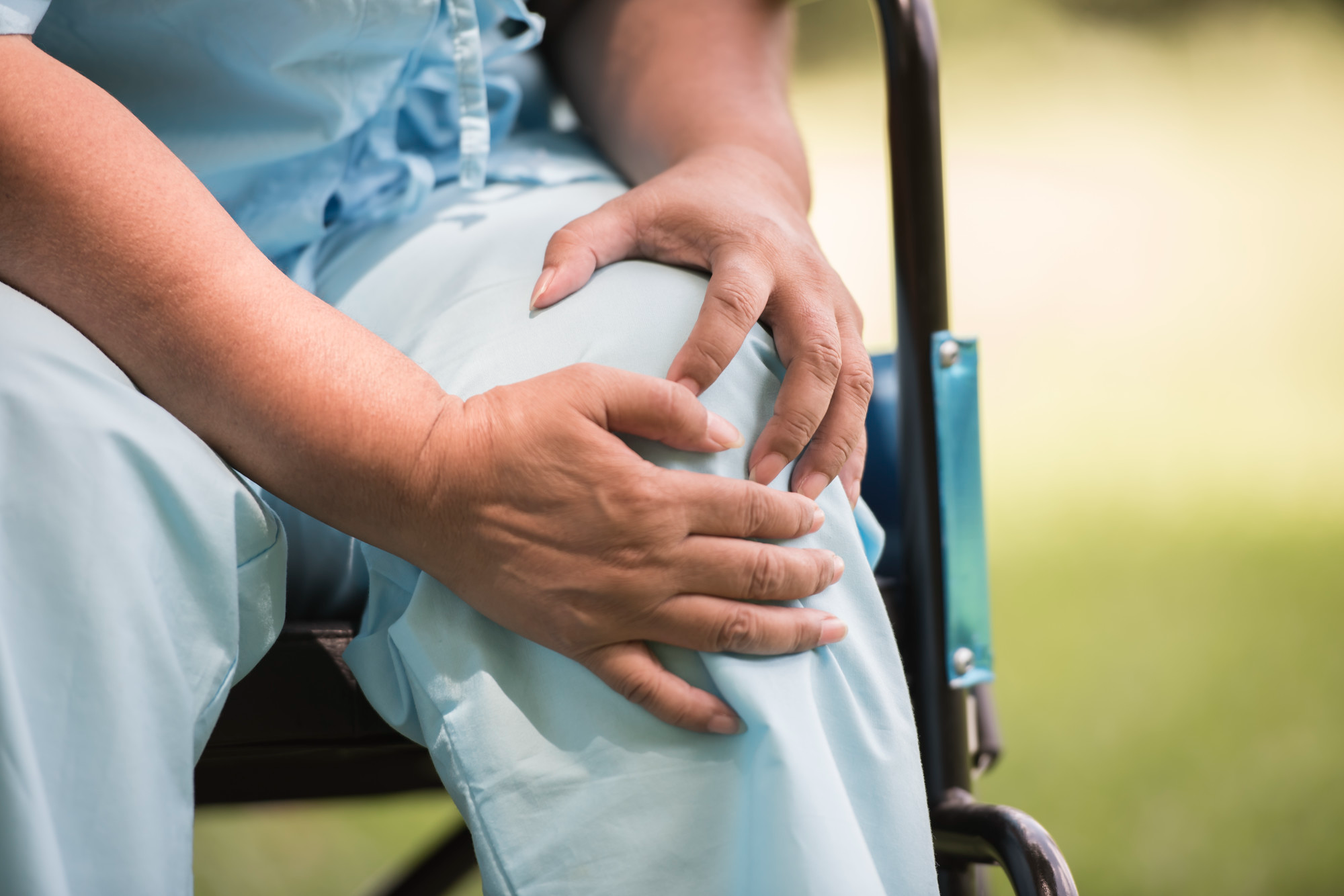
घुटनों के दर्द के कारण, क्या करें और क्या न करें, सही देखभाल और इलाज की पूरी जानकारी पाएं। Knee Pain से राहत के लिए विशेषज्ञ सलाह | Prakash Hospital
16 Dec 2025
by Prakash Hospital

मेनोपॉज़ के दौरान महिलाओं के शरीर में होने वाले बदलाव, लक्षण, स्वास्थ्य जोखिम और देखभाल के तरीके जानें। आसान और विस्तृत हिंदी में जानकारी।
17 Apr 2026
by Prakash Hospital

बार-बार गर्भपात क्यों होता है? जानिए recurrent miscarriage के कारण, जरूरी जांच, इलाज और स्वस्थ प्रेगनेंसी के लिए महत्वपूर्ण सलाह।
19 Mar 2026
by Prakash Hospital

Heavy periods can affect quality of life and cause anemia. Know the causes, treatments, and when to see a doctor. Visit Prakash Hospital Noida.
8 Jul 2026
by Prakash Hospital
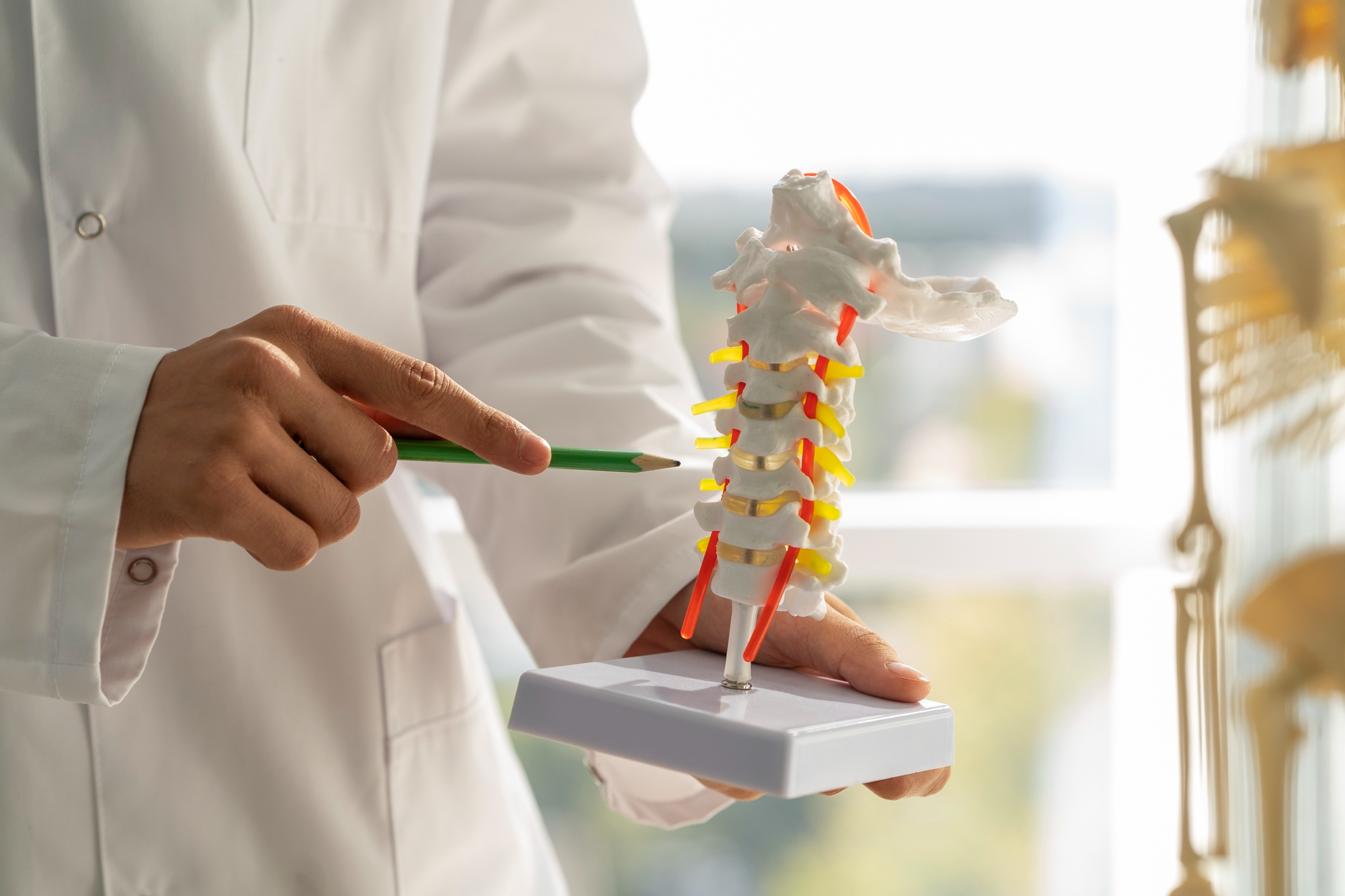
Support fracture recovery with essential nutrients like calcium, vitamin D, and protein for faster bone healing.
19 Nov 2025
by Prakash Hospital
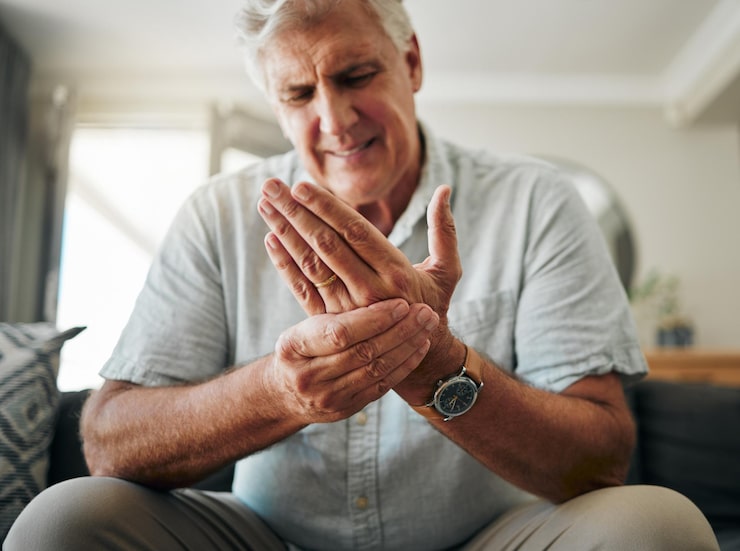
Arthritis types — osteoarthritis, rheumatoid arthritis, gout — symptoms, causes and how to manage them. Prakash Hospital Noida.
31 Aug 2026
by Prakash Hospital
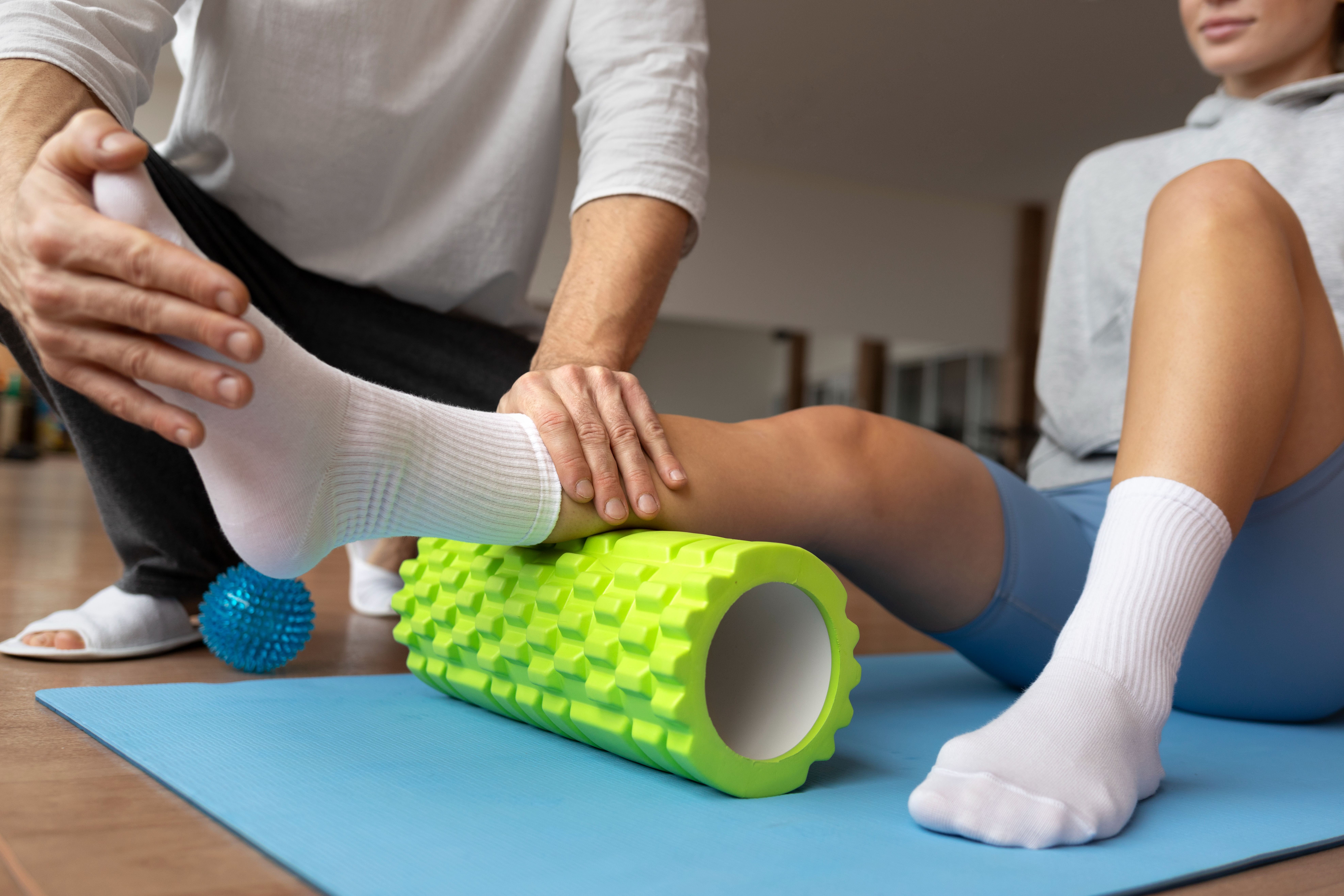
Discover expert-approved orthopedic fitness strategies with safe exercises to support your joints, reduce pain, and improve mobility. Ideal for all age groups.
25 Jun 2025
by Prakash Hospital
Answers to common questions about Total Knee Replacement Surgery at Prakash Hospital, Noida.


Book a consultation with Prakash Hospital's specialists — 24/7 emergency care, 100+ doctors, NABH accredited.
View All Departments