


Hyperpigmentation on Face: Causes, Treatment and Skincare Tips
Discover the causes of facial hyperpigmentation, effective treatments, and skincare tips to reduce dark spots and achieve healthy-looking skin.
14 May 2026
by Prakash Hospital
A dermatologist applies a mild acid that loosens the top layers of skin, so pigmentation, tanning and acne marks fade over a course of sessions.

Many people come to us after months of creams for brown patches on their cheeks or the marks old pimples left behind. The creams help a little, then progress stalls. Much of that pigment sits in the top layers of the skin, and a peel is one way to reach it faster.
In a chemical peel, a dermatologist paints an acid solution onto clean skin, leaves it for a set time, then neutralises or rinses it off. The acid loosens the bonds between dead surface cells so they shed over the next few days, taking some of the excess pigment with them, and the skin underneath renews itself. For Indian skin we mostly use superficial peels, because deeper ones carry a real risk of leaving dark or light patches.
One peel gives a brighter, smoother look for a few weeks. Lasting change takes a course of sessions and daily sunscreen. Melasma can improve a lot and still come back after a summer in the sun, so it usually needs maintenance.
Chemical peels are among the cosmetic procedures our skin and hair department does regularly, alongside microneedling and laser therapy. Before your first session a dermatologist examines your skin, with a Wood's lamp where it helps, to see what is behind the pigmentation. You'll hear plainly how many sessions you are likely to need and what a peel can't do.
Peels work on problems in the upper layers of the skin. The diagnosis comes first, because some patches that look like pigmentation turn out to be something else, such as a fungal infection.
Glycolic, lactic, mandelic and salicylic acid peels act on the outermost layer only. They sting briefly, cause light flaking for a few days and suit most Indian skin. Salicylic acid dissolves oil, so it is the usual pick for acne-prone skin. Lactic and mandelic acid are gentler on sensitive skin. Some peels mix several acids at lower strengths, which can suit stubborn melasma.
Trichloroacetic acid (TCA) at higher strengths reaches deeper and can soften shallow scars and fine lines. In brown skin it is more likely to cause pigment changes, so it is used with care and often only on small spots, such as single scars. Deep phenol peels are rarely suitable for Indian skin.
Your face is cleaned and degreased so the acid spreads evenly. The corners of the eyes, the nostrils and the lips are protected with a thin layer of petroleum jelly.
The dermatologist brushes the solution on area by area. You'll feel tingling, warmth or a mild sting, and a small hand fan helps.
The peel stays on for a set time, usually a few minutes. The dermatologist watches for redness or a white film (frosting), which shows how deep it is working.
Depending on the acid, it is neutralised with a solution or washed off with cool water. A few peels are left on for some hours and you rinse them off at home.
A calming moisturiser and sunscreen go on before you leave. Most people go straight back to work or home.
The skin may look pink and feel tight, like mild sunburn. Wash with plain water or a gentle cleanser, use the moisturiser you were given and skip make-up until the next day if you can.
Fine flaking usually starts on day 2 or 3. Let it come off on its own. Picking and scrubbing are the commonest reasons for dark marks after a peel. Avoid saunas, swimming and hard workouts until the flaking stops.
Put on sunscreen every morning and again every 2 to 3 hours outdoors. Cover your face with a dupatta, scarf or helmet visor on a two-wheeler. Keep using the creams your dermatologist prescribed, and restart retinoids only when told.
Results build until the last session. Pigmentation, and melasma in particular, tends to return with sun and heat, so many people have a maintenance peel every 1 to 3 months and keep up their home routine.
Call us on +91-8826000033 or come straight to our 24/7 emergency department.
For mild tanning and marks, daily sunscreen with prescription creams (such as azelaic acid, a retinoid or, for short courses, hydroquinone) may be enough. It is slower, but you don't need clinic visits.
Gentle mechanical exfoliation with no acid. It helps dull skin and very light tanning but does little for melasma. Read about microdermabrasion.
For pitted acne scars rather than flat marks, microneedling or laser resurfacing does more than a peel. See acne scar treatment.
Talk to our Dermatology & Cosmetic Surgery team
Ask about your options, the cost and your insurance before you decide. See the insurance and TPA panels we work with.
This page explains Chemical Peel in general terms. Your own plan depends on your health, your test results and your doctor's advice. Please read our medical disclaimer.
Chemical Peel is led by our Dermatology & Cosmetic Surgery team, with other departments stepping in at each stage of your care.
At Prakash Hospital, our Skin and Hair Department offers personalized dermatology and cosmetic care, delivering advanced treatments for healthier skin and stronger hair.
What the department treats
Acne Management
Hair Restoration (PRP)
Laser Therapy
Chemical Peels
Anti-Aging Treatments
Vitiligo Treatment
Procedures often considered alongside Chemical Peel, or that treat related conditions.
Gentle exfoliation that removes dead surface skin to brighten dull skin and soften light marks, with no downtime.
Microneedling, laser, peels and minor procedures matched to your scar type to smooth pitted acne scars.
Anti-wrinkle injections and hyaluronic acid fillers that soften lines and restore facial volume, with no downtime.
Laser light damages hair roots to reduce unwanted hair over 6 to 8 sessions, with settings matched to your skin.
Other procedures our Dermatology & Cosmetic Surgery team performs.
We offer expert care across key specialties, including Medicine, Cardiology, Orthopaedics, ENT, Gynaecology, and more—delivering trusted treatment under one roof.
Free tools to check your weight, plan a pregnancy, track calories and more.
Discover the causes of facial hyperpigmentation, effective treatments, and skincare tips to reduce dark spots and achieve healthy-looking skin.
14 May 2026
by Prakash Hospital

Skin pigmentation — what causes dark patches, melasma, and uneven skin tone, and what treatment works. Prakash Hospital Noida.
9 Sept 2026
by Prakash Hospital
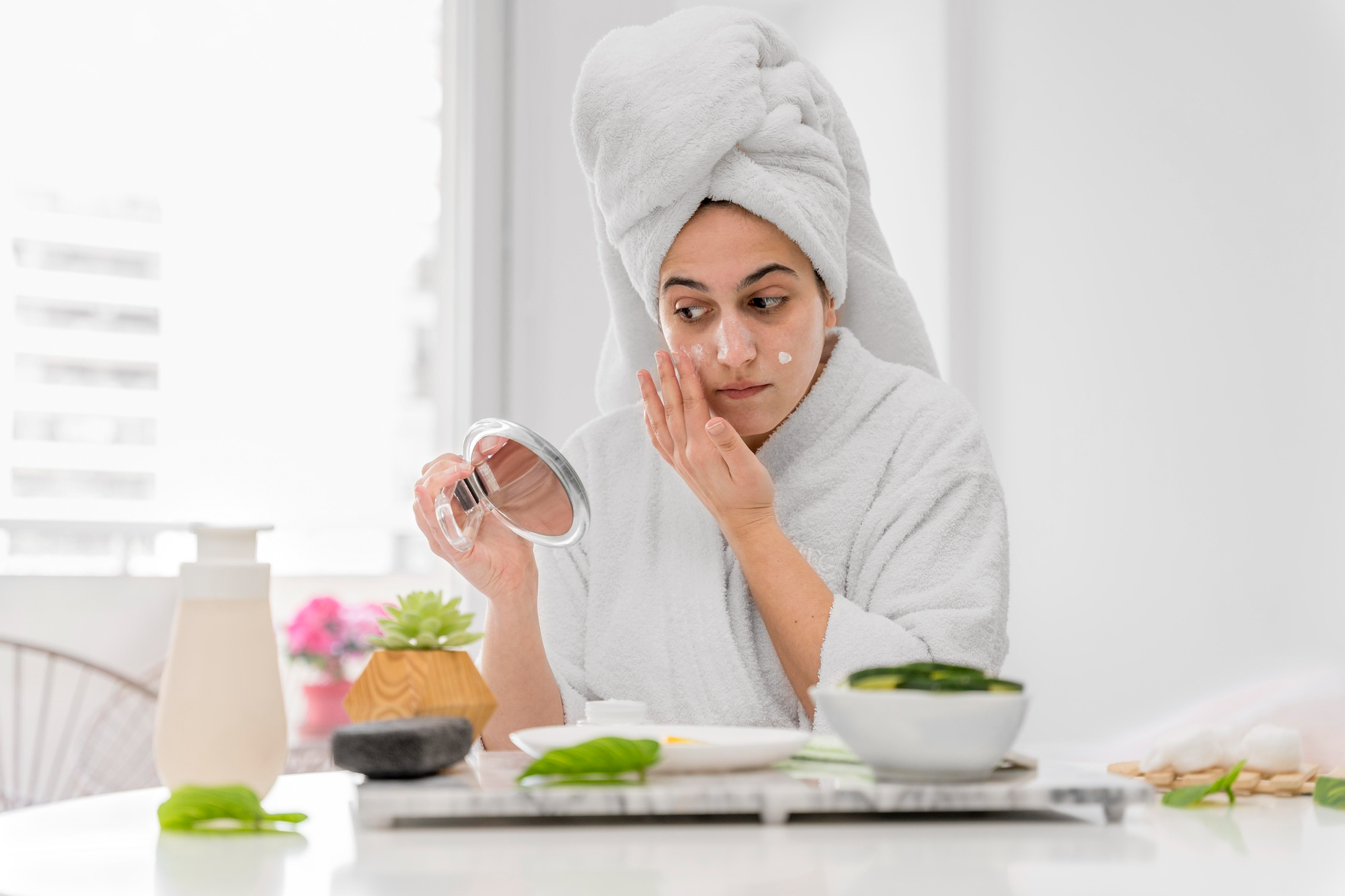
Skin pigmentation — understand the causes of dark patches, types of pigmentation, and effective treatments. Visit Prakash Hospital Noida for dermatology care.
24 Jun 2026
by Prakash Hospital

कंधे का दर्द क्यों होता है? जानिए इसके मुख्य कारण, फ्रोज़न शोल्डर, रोटेटर कफ इंजरी, जांच और इलाज के विकल्प। Prakash Hospital से संपर्क करें।
5 Mar 2026
by Prakash Hospital
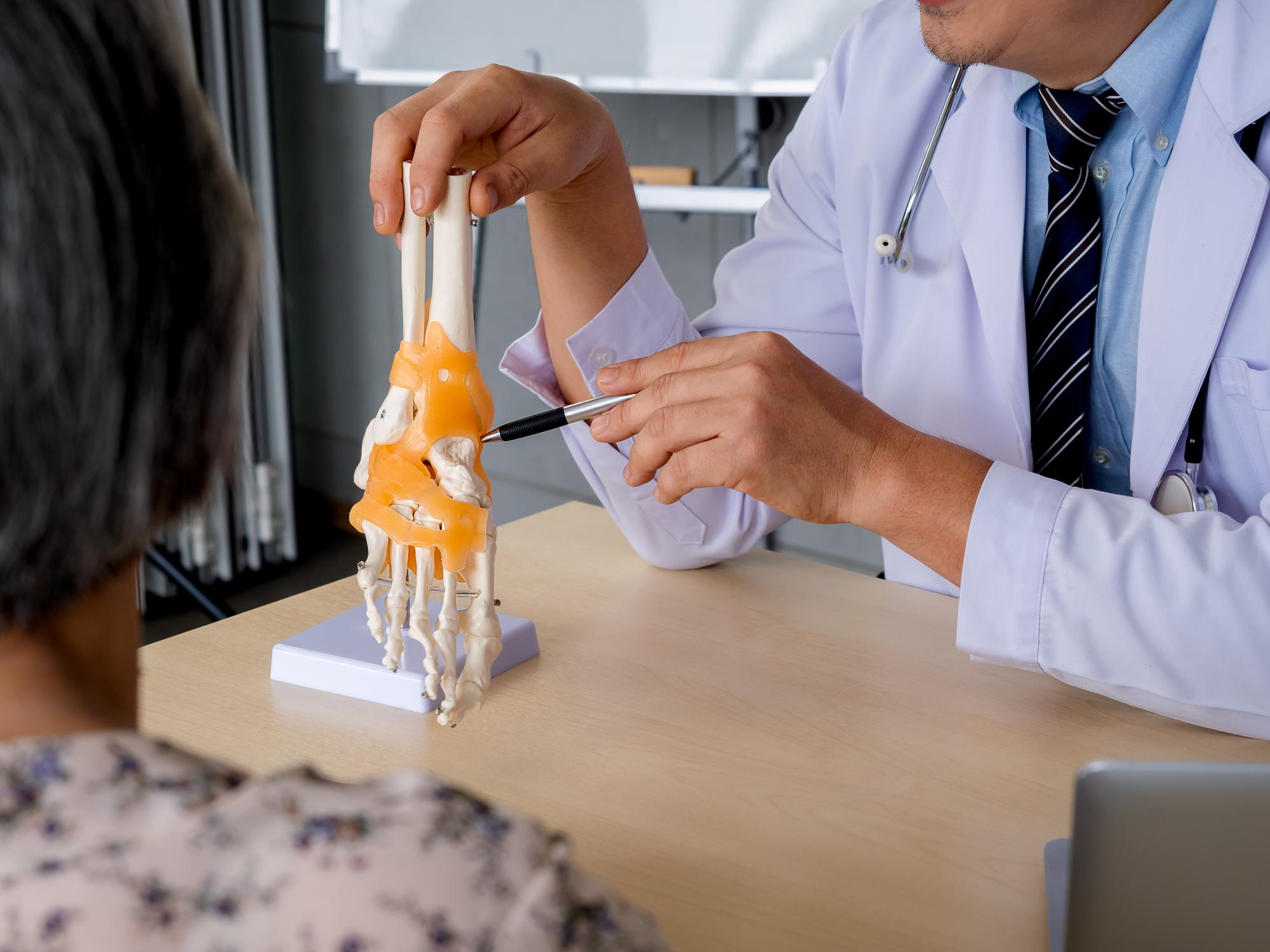
हड्डियों में सूजन के कारण, लक्षण और इलाज जानें। ऑस्टियोमाइलाइटिस, आर्थराइटिस और हड्डी के दर्द को नजरअंदाज न करें। Prakash Hospital में पाएं एडवांस ऑर्थोपेडिक उपचार।
9 Jun 2026
by Prakash Hospital
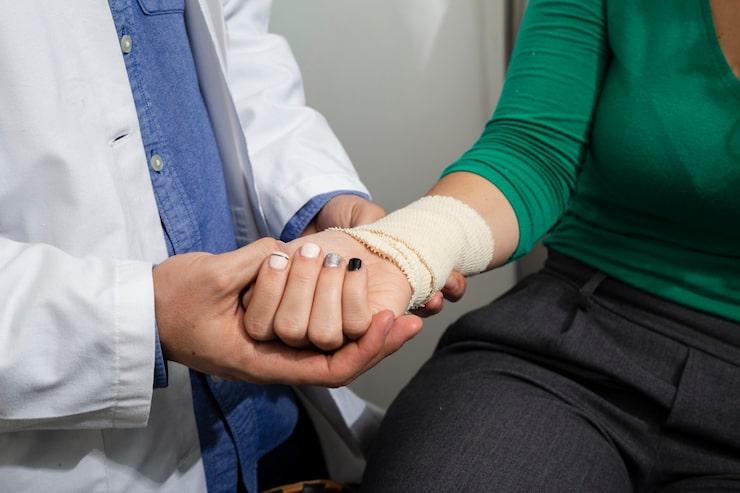
Learn about stress fractures, including causes, symptoms, treatment options, and recovery tips for faster healing and injury prevention.
18 May 2026
by Prakash Hospital
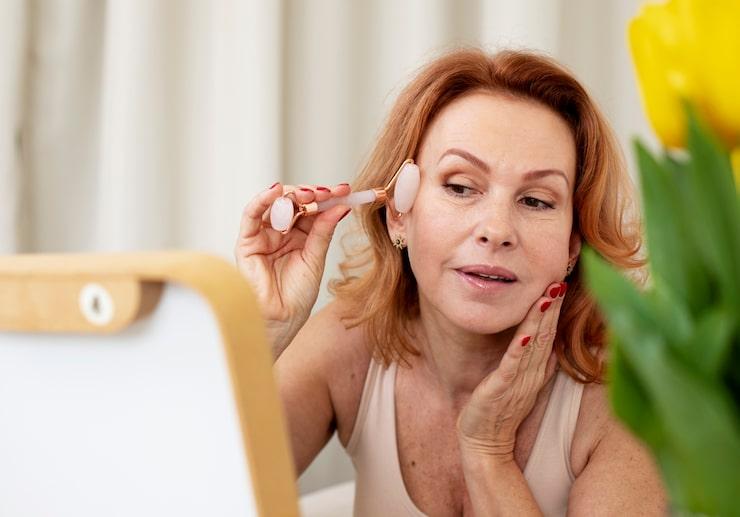
Oily skin causes in India, what makes it worse, and how to manage it with diet and skincare. Prakash Hospital Noida.
11 Sept 2026
by Prakash Hospital

How to get glowing skin naturally — Indian diet, hydration, sleep, and skincare tips that actually work. Prakash Hospital Noida.
9 Sept 2026
by Prakash Hospital

Which foods cause or worsen hair fall — sugar, crash diets, raw eggs, and more. Diet tips for healthier hair. Prakash Hospital Noida.
3 Sept 2026
by Prakash Hospital
Answers to common questions about Chemical Peel at Prakash Hospital, Noida.


Book a consultation with Prakash Hospital's specialists — 24/7 emergency care, 100+ doctors, NABH accredited.
View All Departments