


Skin Pigmentation: Causes, Types and What Helps
Skin pigmentation — what causes dark patches, melasma, and uneven skin tone, and what treatment works. Prakash Hospital Noida.
9 Sept 2026
by Prakash Hospital
by Prakash Hospital
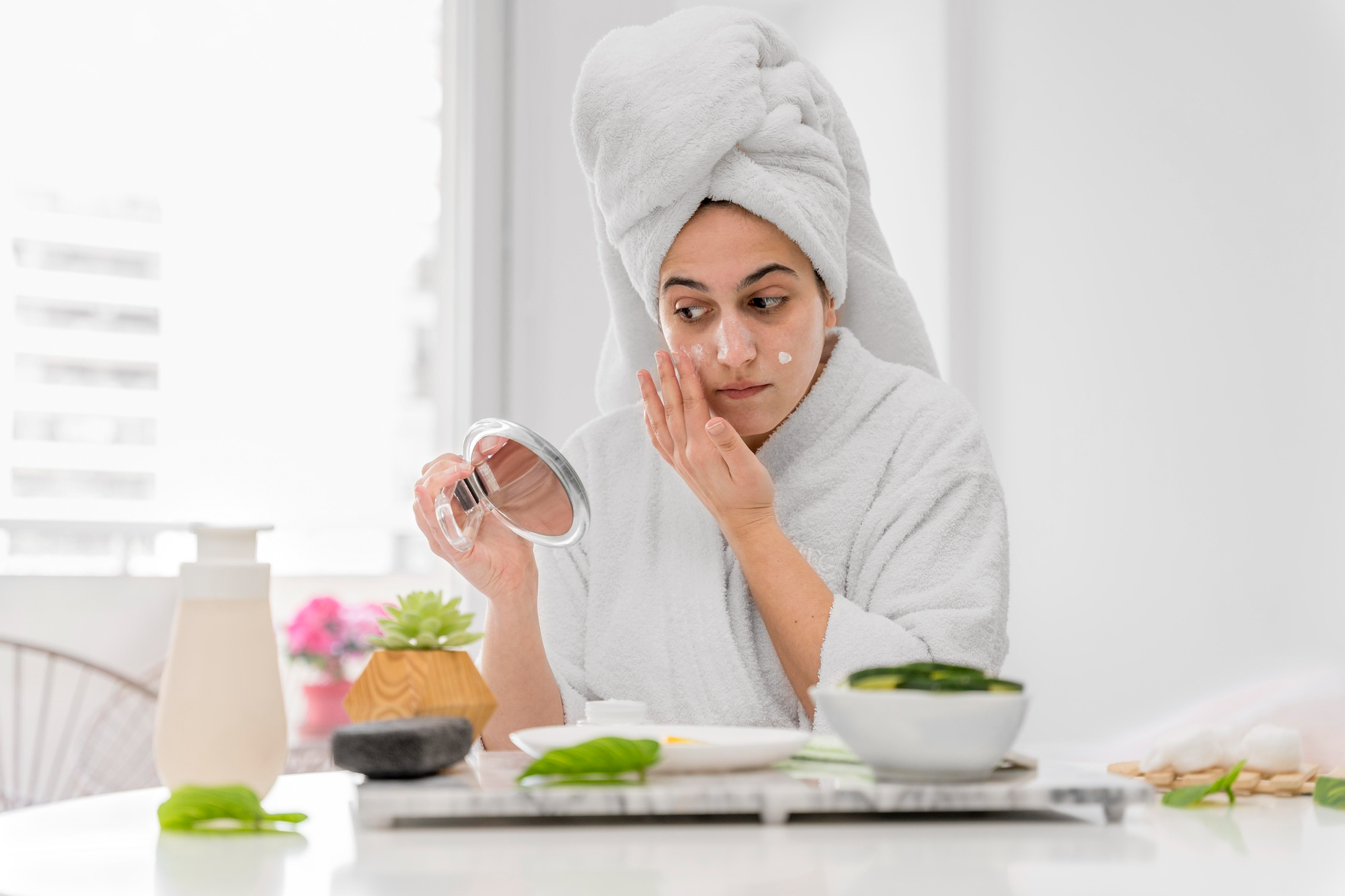
A woman applying a natural face mask made from home ingredients for glowing skin.
You glance in the mirror and notice it — patches of darker skin that were not there a year ago. On the cheeks. On the forehead. Around the lips. On the chin. The skin is uneven now. Makeup hides it during the day, but it returns once everything is washed off. You have tried multiple creams. Some made things worse. Most did nothing.
Skin pigmentation is one of the most common cosmetic concerns in India. The combination of intense sun exposure, hormonal factors, genetic predisposition to producing more melanin, and skincare missteps creates conditions where pigmentation thrives. The good news is that most pigmentation is treatable. The challenge is identifying the right type and using the right approach.
This article walks through the different types of pigmentation, what causes them, and the treatments that produce real results.
The colour of skin comes from a pigment called melanin, produced by cells called melanocytes in the deeper layers of the skin. Melanin is the body's natural defence against UV damage from the sun.
When the production or distribution of melanin becomes uneven, the result is visible pigmentation. Hyperpigmentation is the technical term for areas with more melanin than the surrounding skin — the dark patches most people are concerned about. Hypopigmentation is the opposite — areas with less melanin, appearing lighter than surrounding skin.
This article focuses primarily on hyperpigmentation, which is the more common concern.
Brown or grey-brown symmetrical patches, usually on the cheeks, forehead, bridge of the nose, chin, and upper lip. Often described as the "mask of pregnancy" when it occurs during pregnancy.
Common in: Women aged 20 to 50, especially with hormonal factors. Affects men too but less commonly.
Triggers: Pregnancy, birth control pills, hormone therapy, sun exposure, heat, genetics.
Characteristics: Often symmetrical on both sides of face, worsens with sun exposure, often stubborn to treat.
Dark spots that develop after skin inflammation or injury.
Common after: Acne, eczema, insect bites, burns, cuts, surgery, harsh chemical procedures.
Common in: Darker skin tones, where melanocytes respond more vigorously to inflammation.
Characteristics: Spots in locations of previous acne or injury. Slower to fade than the original inflammation.
Brown patches from cumulative sun damage over years.
Common in: People over 40, particularly with significant past sun exposure.
Characteristics: Sharply defined edges, varying sizes, usually on sun-exposed areas (face, hands, arms, chest).
Small, light brown spots, mostly from sun exposure combined with genetic predisposition.
Characteristics: Multiple small spots, often fade in winter, more visible in summer.
Dark patches around the eyes. Multiple possible causes (covered in detail in a separate article on dark circles).
Dark, velvety patches in body folds — back of neck, underarms, groin folds.
Cause: Strongly linked to insulin resistance, diabetes, obesity, PCOD, and hormonal conditions.
Characteristics: Velvety texture, dark colour, in flexural areas of the body.
Darkening around the eyes and mouth area.
Common causes: Genetics, sun exposure, vitamin deficiencies, hormonal factors, chronic skin conditions.
Some medications cause pigmentation as a side effect.
Common culprits: Certain antibiotics (minocycline), antimalarials, anticonvulsants, chemotherapy drugs, NSAIDs, some hormonal medications.
Severe deficiencies of vitamin B12, folate, or iron can cause skin darkening.
Sun exposure — the single most important external factor. UV radiation triggers melanocytes to produce more melanin.
Hormonal factors — pregnancy, birth control pills, menopause, hormone replacement, PCOS, and thyroid disorders all influence pigmentation.
Genetic predisposition — Indian skin types are particularly prone to pigmentation. Family history matters.
Inflammation — any skin inflammation can leave pigmentation. Acne is the most common cause.
Medications — covered above.
Aggressive skincare — strong acids, harsh scrubs, frequent peels can paradoxically cause pigmentation in some people.
Chronic conditions — diabetes, kidney disease, liver disease, autoimmune disorders.
Nutritional deficiencies — particularly B12, folate, iron.
Stress — chronic stress affects skin through hormonal pathways.
Pollution — pollutants damage skin and contribute to pigmentation.
Heat — particularly relevant in melasma. Even cooking heat can worsen it.
Friction — chronic rubbing of an area can cause pigmentation.
The pattern, distribution, and characteristics of the pigmentation often point to the type.
A special UV light that highlights pigmentation patterns and depth.
Magnified examination of the skin to see patterns more clearly.
In unusual or stubborn cases, a small skin sample for microscopic examination.
When systemic causes are suspected — thyroid function, hormonal levels, vitamin B12, hemoglobin, blood sugar.
For pigmentation potentially related to hormonal factors.
Hydroquinone — gold-standard skin lightener. Used at 2% (over-the-counter) or 4% (prescription) for 8 to 12 weeks at a time. Cycling with rest periods.
Retinoids (tretinoin, adapalene) — increase cell turnover, distribute melanin, address pigmentation gradually.
Vitamin C serum — antioxidant and brightening. Daily use.
Niacinamide — gentle pigmentation reducer, also reduces inflammation.
Azelaic acid — addresses pigmentation and acne together.
Kojic acid — natural alternative to hydroquinone.
Alpha arbutin — plant-based skin brightener.
Tranexamic acid — newer option, particularly useful for melasma.
Glycolic acid — exfoliates and helps reduce surface pigmentation.
Sunscreen — not optional. Without daily sunscreen, no other treatment works well.
Chemical peels — using glycolic, lactic, salicylic, or other acids. Usually a series of sessions.
Microneedling — controlled micro-injuries that stimulate skin renewal. Often combined with brightening serums.
Laser treatments — Q-switched, pico, and fractional lasers for various pigmentation types. Usually a series of sessions.
Microdermabrasion — mechanical exfoliation.
IPL (Intense Pulsed Light) — for some pigmentation types.
Cryotherapy — for specific spots.
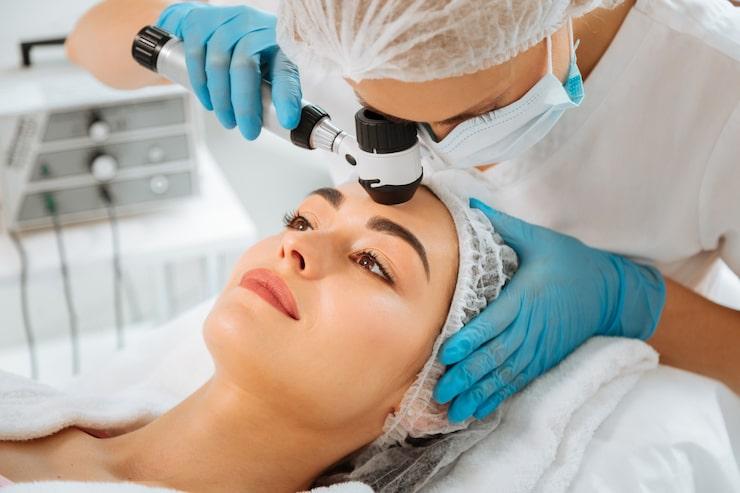
Dermatologist working on a patient
Oral tranexamic acid — for stubborn melasma in specific patients under medical supervision.
Treatment of underlying conditions — thyroid, PCOS, deficiencies.
Hormonal management — when relevant and appropriate.
Sunscreen daily — this is the single most important habit. Even on cloudy days. Even indoors near windows. Reapply throughout the day.
Protective clothing — wide-brimmed hats, sunglasses, scarves for sun-exposed areas.
Hydration — water and overall skin moisture support healing.
Balanced diet — antioxidant-rich foods, vitamin C sources, healthy fats, adequate protein.
Stress management — chronic stress worsens skin issues.
Adequate sleep — skin repair happens during sleep.
Avoid heat exposure when possible — particularly for melasma. Hot showers, sauna, heat from cooking can worsen the condition.
Avoid harsh treatments — aggressive scrubs and DIY treatments often worsen pigmentation.
Address underlying conditions — diabetes, PCOS, thyroid issues.
Limit alcohol and stop smoking — both damage skin.
Aloe vera gel — soothing and mildly brightening. Fresh gel applied daily.
Turmeric paste with milk or yogurt — traditional anti-inflammatory and brightening.
Potato juice — contains catechol with mild lightening effects.
Tomato pulp — lycopene supports sun protection.
Yogurt — lactic acid provides gentle exfoliation.
Cucumber juice — soothing and hydrating.
Honey — moisturising with mild antibacterial action.
Green tea bags — antioxidants when applied cool.
Undiluted lemon juice — causes photosensitivity and can worsen pigmentation. Common mistake in Indian skincare advice.
Baking soda — disrupts skin barrier.
Toothpaste on spots — irritates skin.
Undiluted apple cider vinegar — can damage skin.
Harsh scrubs — cause inflammation and worsen pigmentation.
Topical treatments: 8 to 12 weeks for visible improvement. Several months for substantial change.
In-clinic procedures: Usually a series of sessions over several months.
Melasma: Often takes longer and may need ongoing maintenance.
Sun spots: May respond well to specific lasers.
Post-inflammatory pigmentation: Usually fades over 6 to 12 months with appropriate treatment.
Patience matters. Quick-fix treatments rarely produce lasting results.
A consultation makes sense when:
A dermatologist can confirm the type of pigmentation, rule out unusual causes, and recommend appropriate treatment.
"All pigmentation is the same." Different types need different treatments.
"Fairness creams will solve pigmentation." Most fairness creams provide temporary effects or contain harmful ingredients. Dermatologist-prescribed treatments work better.
"Lemon juice clears pigmentation." It typically worsens pigmentation through photosensitivity.
"Pigmentation will fade on its own." Some types do, but most need treatment.
"Once treated, pigmentation never returns." Without ongoing sun protection and maintenance, recurrence is common.
"Sunscreen is unnecessary indoors." UVA penetrates windows. Indoor sunscreen matters.
"Indian skin cannot be treated." Many treatments work well for Indian skin types.
"More products mean better results." Often the opposite — fewer well-chosen products work better than many random ones.
"You can fix pigmentation in a week." Real change takes weeks to months.
Many treatments are not safe during pregnancy. Focus on:
Avoid hydroquinone, retinoids, salicylic acid in high concentrations during pregnancy.
Pregnancy-related melasma often fades after delivery but may need treatment for residual pigmentation.
Acne-related pigmentation is common. Treating the acne and protecting from sun matters most.
Sun spots become more common. Multiple treatment options available.
Treat the underlying condition along with the pigmentation. Acanthosis nigricans improves with insulin resistance management.
Working professionals in Noida and Greater Noida face significant pigmentation risk factors — high pollution levels, long sun exposure during commutes, stress, sleep deprivation, hormonal issues (PCOS particularly common), and inconsistent skincare.
Practical adaptations include daily sunscreen as a non-negotiable habit, antioxidant-rich skincare to combat pollution damage, addressing PCOS and other hormonal factors, consistent sleep, and dermatology consultation for stubborn pigmentation.
At Prakash Hospital, Noida, experienced dermatologists offer comprehensive pigmentation evaluation, identification of the specific type, blood tests for contributing factors, and personalised treatment plans ranging from topical care to advanced procedures.
Whether you are in Sector 18, Sector 62, Greater Noida West, or anywhere nearby, Prakash Hospital Noida is a trusted name for skin care.
To book a consultation, call the number.
Skin pigmentation has multiple causes and multiple effective treatments. The reliable approach combines accurate diagnosis with consistent treatment over time.
The two non-negotiable habits are daily sunscreen and patience. Without daily sun protection, no other treatment produces lasting results. Without patience, people abandon treatments before they have a chance to work.
Build a consistent routine. Use products with proven ingredients. Address underlying conditions. Avoid the harsh DIY treatments that worsen the situation. See a dermatologist for stubborn cases.
Pigmentation is one of those skin issues where consistency and right approach produce real, lasting improvement. The patches that have built up over years can be reduced — not overnight, but with the right plan executed steadily over weeks and months.

This article covers skin and hair concerns. These Prakash Hospital doctors in Noida treat them.

Dr. Mohna Chauhan
Consultant Dermatologist & Cosmetic Surgeon
Dermatology · Cosmetic Surgery
Microneedling, laser, peels and minor procedures matched to your scar type to smooth pitted acne scars.
A controlled acid solution lifts damaged surface skin to fade pigmentation, tanning and acne marks.
Laser light damages hair roots to reduce unwanted hair over 6 to 8 sessions, with settings matched to your skin.
Free tools to check your weight, plan a pregnancy, track calories and more.
We offer expert care across key specialties, including Medicine, Cardiology, Orthopaedics, ENT, Gynaecology, and more—delivering trusted treatment under one roof.
Skin pigmentation — what causes dark patches, melasma, and uneven skin tone, and what treatment works. Prakash Hospital Noida.
9 Sept 2026
by Prakash Hospital

Learn the truth behind common skincare myths with dermatologist-approved insights and practical advice from Prakash Hospital.
11 Aug 2025
by Prakash Hospital

Skin rash — understand the common causes, types, and when a rash needs medical attention. Visit Prakash Hospital Noida for dermatology consultation.
6 Jul 2026
by Prakash Hospital

Detailed guide on gut health, gut microbiome imbalance, symptoms of poor gut health and scientifically proven ways to improve digestive health.
19 Feb 2026
by Prakash Hospital

IBS symptoms, causes, triggers, and management. What is irritable bowel syndrome and how to live with it. Prakash Hospital Noida.
15 Sept 2026
by Prakash Hospital

एसिडिटी और गैस क्यों होती है, इसके लक्षण क्या हैं और इससे राहत पाने के घरेलू व मेडिकल उपाय हिंदी में जानें।
21 Jan 2026
by Prakash Hospital

क्या आपके बाल धीरे बढ़ रहे हैं? जानिए इसके मुख्य कारण जैसे पोषण की कमी, तनाव, हार्मोनल बदलाव और गलत हेयर केयर। साथ ही, बालों की ग्रोथ तेज करने के असरदार घरेलू उपाय और आसान टिप्स भी पढ़ें।
5 May 2026
by Prakash Hospital

Learn effective techniques to manage panic attacks, understand triggers, and take control of anxiety with expert-backed strategies.
3 May 2025
by Prakash Hospital

Noticing unusual hair fall after your pregnancy? Prakash Hospital's experts in Noida explain the real causes, timeline, and treatments for postpartum hair loss.
31 Mar 2026
by Prakash Hospital


Book a consultation with Prakash Hospital's specialists — 24/7 emergency care, 100+ doctors, NABH accredited.
View All Departments