


Piles (Hemorrhoids) Causes, Symptoms and Treatment
Understand piles or hemorrhoids, their causes, symptoms, types, diagnosis, treatment options, lifestyle changes, and when to seek medical care.
14 Jan 2026
by Prakash Hospital
Surgery for large piles that keep bleeding or hanging out despite diet, medicines and banding. Of all piles treatments, it's the least likely to need repeating.

Piles are one of the most common reasons people put off seeing a doctor. Bright red blood in the toilet, a lump that comes out while passing stools, itching, a feeling of never being fully empty. Many people live with this for years, trying one home remedy after another, before the bleeding or the lump finally gets too much.
Everyone has cushions of blood vessels lining the anal canal. They become piles (haemorrhoids) when they swell and slide downward, usually after years of straining, constipation, pregnancy or long sitting on the toilet. Doctors grade internal piles from 1 to 4: grade 1 piles bleed but stay inside, grade 2 come out and go back by themselves, grade 3 have to be pushed back, and grade 4 stay out. A haemorrhoidectomy cuts away the enlarged piles and ties off the blood vessels feeding them.
It's the most effective and longest-lasting treatment for piles. The trade-off is pain: the first one to two weeks are uncomfortable, especially when passing stools, and the wounds take a few weeks to heal fully.
Most piles never need an operation, and our general surgery team will say so if yours don't. If there's any doubt about where the bleeding is coming from, a colonoscopy by our gastroenterologists comes first. Before surgery you have blood tests, an ECG and an anaesthesia check, and you go home with written instructions and a direct number for the surgical team.
Fibre, plenty of water and medicines settle most grade 1 and 2 piles. Surgery is kept for piles that are large, keep coming back, or cause problems that simpler treatment hasn't fixed.
In the open method, the wounds left after removing the piles heal on their own. In the closed method, they're stitched. Both work well. Either way, bridges of normal skin are left between the wounds so the anus doesn't narrow as it heals.
A circular stapling device removes a ring of lining above the piles and pulls them back up into place. There's no wound on the sensitive outer skin, so it usually hurts less at first. Piles come back more often than after a haemorrhoidectomy, though, and it doesn't treat large external piles.
The arteries feeding the piles are found with a small Doppler probe and tied with stitches (DGHAL). It hurts less but suits grade 2 and 3 piles better than large ones.
Most haemorrhoidectomies are done under spinal anaesthesia, which numbs you from the waist down, or under general anaesthesia. Local anaesthetic injected around the anus at the end eases pain for the first hours.
You lie on your back with your legs supported, or on your front. The surgeon gently opens the anus with a small instrument and examines all the piles.
Each large pile is cut away with the skin over it, using a scalpel, scissors or an electric sealing instrument, and the blood vessel at its top is tied or sealed. Usually up to three piles are removed.
The wounds are left open or stitched, and a soft dressing is placed. The operation takes about 30 to 60 minutes, and the removed tissue goes to the lab.
Controlling pain is the main job of the first fortnight. Regular painkillers, soft stools and warm water baths get most people through it at home.
You can eat and drink once the anaesthetic wears off. Once you've passed urine, you go home, usually the same day or the next morning, with painkillers, a stool softener and sometimes an ointment.
Sit in a tub of warm water for 10 to 15 minutes, two or three times a day and after each bowel movement. Some bleeding and discharge are normal. Take the stool softener every day and drink 2.5 to 3 litres of fluid, more in summer, so you never strain.
Pain eases noticeably, and most people are back at desk work at around 2 weeks. The surgeon checks healing at your follow-up visit.
The wounds heal completely. Piles come back in only a small share of people after this operation, and the habits that caused them still matter: plenty of fibre and water, and no sitting on the toilet scrolling your phone.
Call us on +91-8826000033 or come straight to our 24/7 emergency department.
More fibre from whole grains, dal, fruit, vegetables and isabgol husk, 2 to 3 litres of water a day, and no straining settle most early piles. Creams and flavonoid tablets ease bleeding and swelling for a while.
A tight band is placed around the base of an internal pile in the clinic, without anaesthesia. The pile shrivels and falls off within about a week. It suits grade 1 to 3 piles and may need repeating, but it's quick and most people go back to work the same day.
Small bleeding piles can also be shrunk in the clinic with an injection (sclerotherapy) or with heat (infrared coagulation). These suit grade 1 and 2 piles.
Talk to our General & Laparoscopic Surgery team
Ask about your options, the cost and your insurance before you decide. See the insurance and TPA panels we work with.
This page explains Haemorrhoidectomy (Piles Surgery) in general terms. Your own plan depends on your health, your test results and your doctor's advice. Please read our medical disclaimer.
Haemorrhoidectomy (Piles Surgery) is led by our General & Laparoscopic Surgery team, with other departments stepping in at each stage of your care.
At Prakash Hospital, our General Surgery Department delivers expert surgical care for a wide range of conditions, combining advanced techniques with personalized treatment plans to ensure safe, effective, and faster recovery for our patients.
What the department treats
Laparoscopic Surgery
Hernia Repair
Gallbladder Surgery
Appendectomy
Thyroid Surgery
Wound Management
Does a colonoscopy when bleeding needs a closer look, to rule out polyps or a bowel growth.
Checks your haemoglobin and other blood tests before surgery and examines the removed tissue.
Treats anaemia from long-term bleeding and helps manage diabetes and chronic constipation.
Procedures often considered alongside Haemorrhoidectomy (Piles Surgery), or that treat related conditions.
A camera test of the large bowel that investigates bleeding or bowel changes and removes polyps early.
Pushes the bulge back and reinforces the weak abdominal wall with mesh, by keyhole or open surgery.
Removes an inflamed appendix through three small cuts, usually with one or two nights in hospital.
Other procedures our General & Laparoscopic Surgery team performs.
Removes a gallbladder with stones through four small cuts, usually with a stay of one night or less.
Removes part or all of the thyroid for a goitre, a suspicious nodule or an overactive gland.
Removes a breast lump after tests, usually as day care, and sends it to the lab to confirm what it is.
Treats wounds that won't heal, from diabetic foot ulcers to bedsores, with debridement, dressings and pressure relief.
We offer expert care across key specialties, including Medicine, Cardiology, Orthopaedics, ENT, Gynaecology, and more—delivering trusted treatment under one roof.
Free tools to check your weight, plan a pregnancy, track calories and more.
Understand piles or hemorrhoids, their causes, symptoms, types, diagnosis, treatment options, lifestyle changes, and when to seek medical care.
14 Jan 2026
by Prakash Hospital
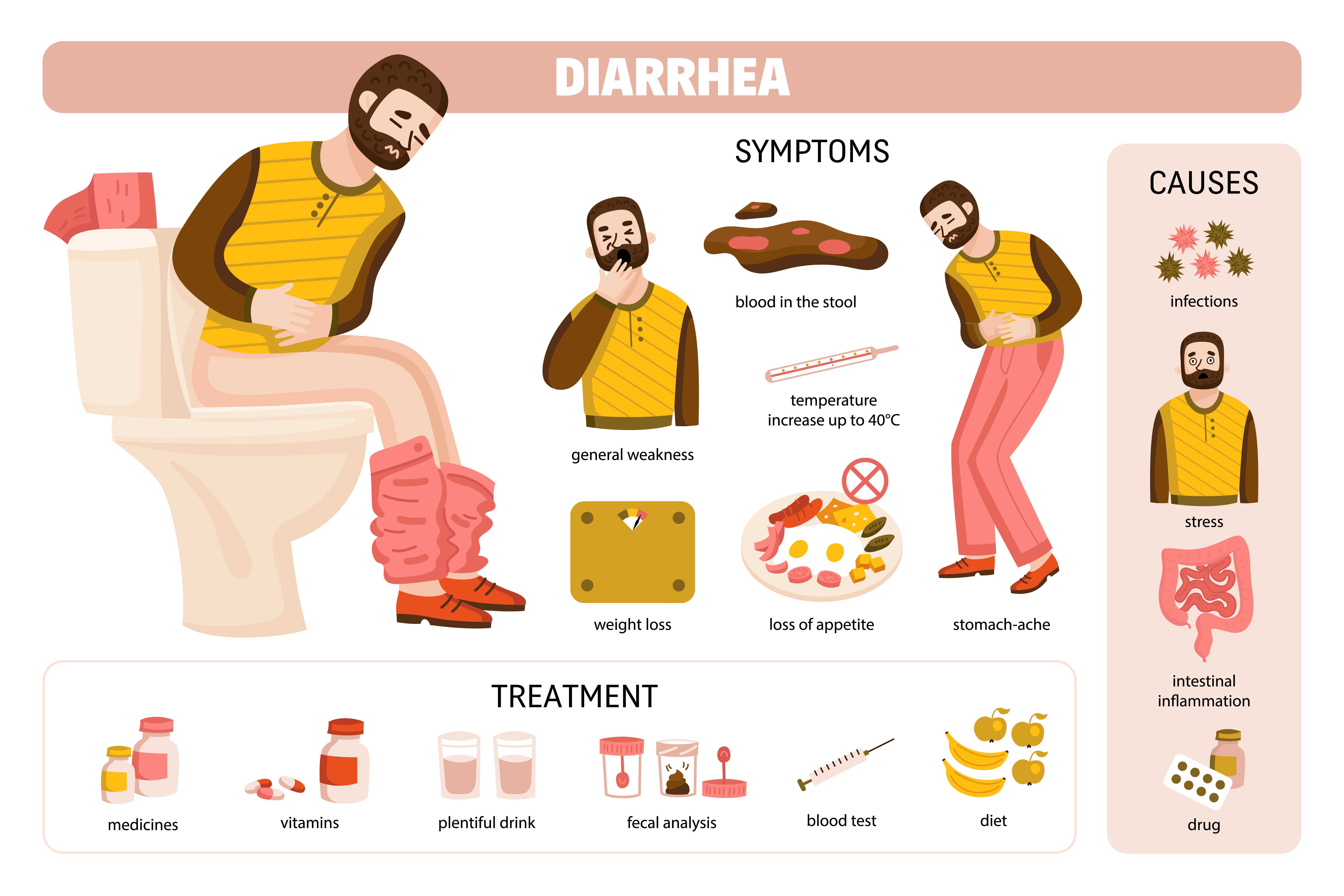
How to relieve constipation with Indian diet, home remedies, and when to see a doctor. Practical guide from Prakash Hospital Noida.
15 Sept 2026
by Prakash Hospital

Learn about intestinal pain, its causes, warning signs, associated symptoms, and when to seek medical attention.
13 Feb 2026
by Prakash Hospital

IBS symptoms, causes, triggers, and management. What is irritable bowel syndrome and how to live with it. Prakash Hospital Noida.
15 Sept 2026
by Prakash Hospital
Why you feel bloated after eating — common Indian food triggers, medical causes, and what helps. Prakash Hospital Noida.
16 Sept 2026
by Prakash Hospital
Answers to common questions about Haemorrhoidectomy (Piles Surgery) at Prakash Hospital, Noida.


Book a consultation with Prakash Hospital's specialists — 24/7 emergency care, 100+ doctors, NABH accredited.
View All Departments