



How to Remove Tan: What Actually Works
How to remove sun tan from face and body — what works at home and what professional treatments offer. Prakash Hospital Noida.
10 Sept 2026
by Prakash Hospital
Gentle mechanical exfoliation that buffs away the dead outer layer of skin, for a smoother, brighter surface with no real downtime.

Some skin complaints are hard to put into words. Your face looks tired and a shade darker than it used to, and make-up sits unevenly, though nothing is exactly wrong. Often it is a build-up of dead cells on the surface, with a little tanning and a few old marks.
Microdermabrasion removes part of that dead outer layer (the stratum corneum) by mechanical exfoliation. A handheld device either sprays fine crystals onto the skin or uses a roughened diamond tip, and gentle suction lifts the loosened cells away as it moves. There is no acid and no needle. Because it only works on the very top of the skin, it is one of the mildest resurfacing treatments there is.
The effect is modest. After a session your skin usually looks brighter and feels smoother, and a course can soften mild tanning, rough texture and very light marks. It does little for pitted acne scars, deep wrinkles or melasma, and the effect fades within weeks without maintenance and daily sunscreen. For those problems a peel, microneedling or laser usually does more.
At Prakash Hospital, cosmetic treatment starts with a dermatologist's assessment in our skin and hair department. We check your skin type and what lies behind the dullness or marks, then tell you honestly whether microdermabrasion is worth it for you, or whether a chemical peel or another option would suit your skin better.
Microdermabrasion suits surface concerns in people who want a visible freshening with no time off. It is often a starter treatment, or one part of a wider plan.
Fine crystals, usually aluminium oxide, are blown across the skin and vacuumed back up with the dead cells. The exfoliation is slightly stronger. Loose crystals can irritate the eyes, so you wear eye protection.
A wand with a rough, diamond-coated tip abrades the skin while suction clears the debris. With no loose particles it is easier to use close to the eyes and nose, and tips of different coarseness let the dermatologist control the depth.
Some devices combine exfoliation with a stream of cleansing and hydrating serums. It is gentler still and often sold as a facial, but the exfoliation is lighter.
Your skin is cleansed to remove oil and make-up. You wear eye pads or goggles if crystals are used.
The dermatologist moves the handpiece over each area in smooth strokes, usually two or three passes. You feel a scratchy, sucking pull, but it isn't painful.
Suction and pressure are kept low on thin skin near the eyes and on brown skin prone to marks, and turned up on rougher areas such as the nose and chin.
The skin is wiped clean, then a soothing moisturiser and sunscreen go on. You can carry on with your day.
Most people go straight back to work.
Skin may be pink and slightly tight. Use a gentle cleanser and moisturiser, leave out scrubs and retinoids for 2 to 3 days, and hold off make-up for a few hours if you can.
Be strict with sunscreen, and cover your face in strong sun or on a two-wheeler. Leave waxing and threading of the treated area for a few days.
Sessions 2 to 4 weeks apart give the skin time to recover. Brightness shows straight away. Changes in tanning and texture build over 4 to 6 sessions.
The effect fades as the skin renews itself, so people who like it tend to repeat a session every month or two, with daily sunscreen in between.
Call us on +91-8826000033 or come straight to our 24/7 emergency department.
Does more for pigmentation, acne and melasma, because the acid acts evenly and can go slightly deeper. Read about the chemical peel.
Better for acne scars and deeper texture problems, because they stimulate new collagen below the surface. See acne scar treatment.
A mild exfoliating cleanser, a moisturiser and daily sunscreen give some of the same brightening over time, without clinic visits.
Talk to our Dermatology & Cosmetic Surgery team
Ask about your options, the cost and your insurance before you decide. See the insurance and TPA panels we work with.
This page explains Microdermabrasion in general terms. Your own plan depends on your health, your test results and your doctor's advice. Please read our medical disclaimer.
Microdermabrasion is led by our Dermatology & Cosmetic Surgery team, with other departments stepping in at each stage of your care.
At Prakash Hospital, our Skin and Hair Department offers personalized dermatology and cosmetic care, delivering advanced treatments for healthier skin and stronger hair.
What the department treats
Acne Management
Hair Restoration (PRP)
Laser Therapy
Chemical Peels
Anti-Aging Treatments
Vitiligo Treatment
Procedures often considered alongside Microdermabrasion, or that treat related conditions.
A controlled acid solution lifts damaged surface skin to fade pigmentation, tanning and acne marks.
Microneedling, laser, peels and minor procedures matched to your scar type to smooth pitted acne scars.
Anti-wrinkle injections and hyaluronic acid fillers that soften lines and restore facial volume, with no downtime.
Laser light damages hair roots to reduce unwanted hair over 6 to 8 sessions, with settings matched to your skin.
Other procedures our Dermatology & Cosmetic Surgery team performs.
We offer expert care across key specialties, including Medicine, Cardiology, Orthopaedics, ENT, Gynaecology, and more—delivering trusted treatment under one roof.
Free tools to check your weight, plan a pregnancy, track calories and more.
How to remove sun tan from face and body — what works at home and what professional treatments offer. Prakash Hospital Noida.
10 Sept 2026
by Prakash Hospital

Dark spots on face — what causes them, which treatments work, and how long they take. Guide from Prakash Hospital Noida.
14 Sept 2026
by Prakash Hospital

How to get glowing skin naturally — Indian diet, hydration, sleep, and skincare tips that actually work. Prakash Hospital Noida.
9 Sept 2026
by Prakash Hospital
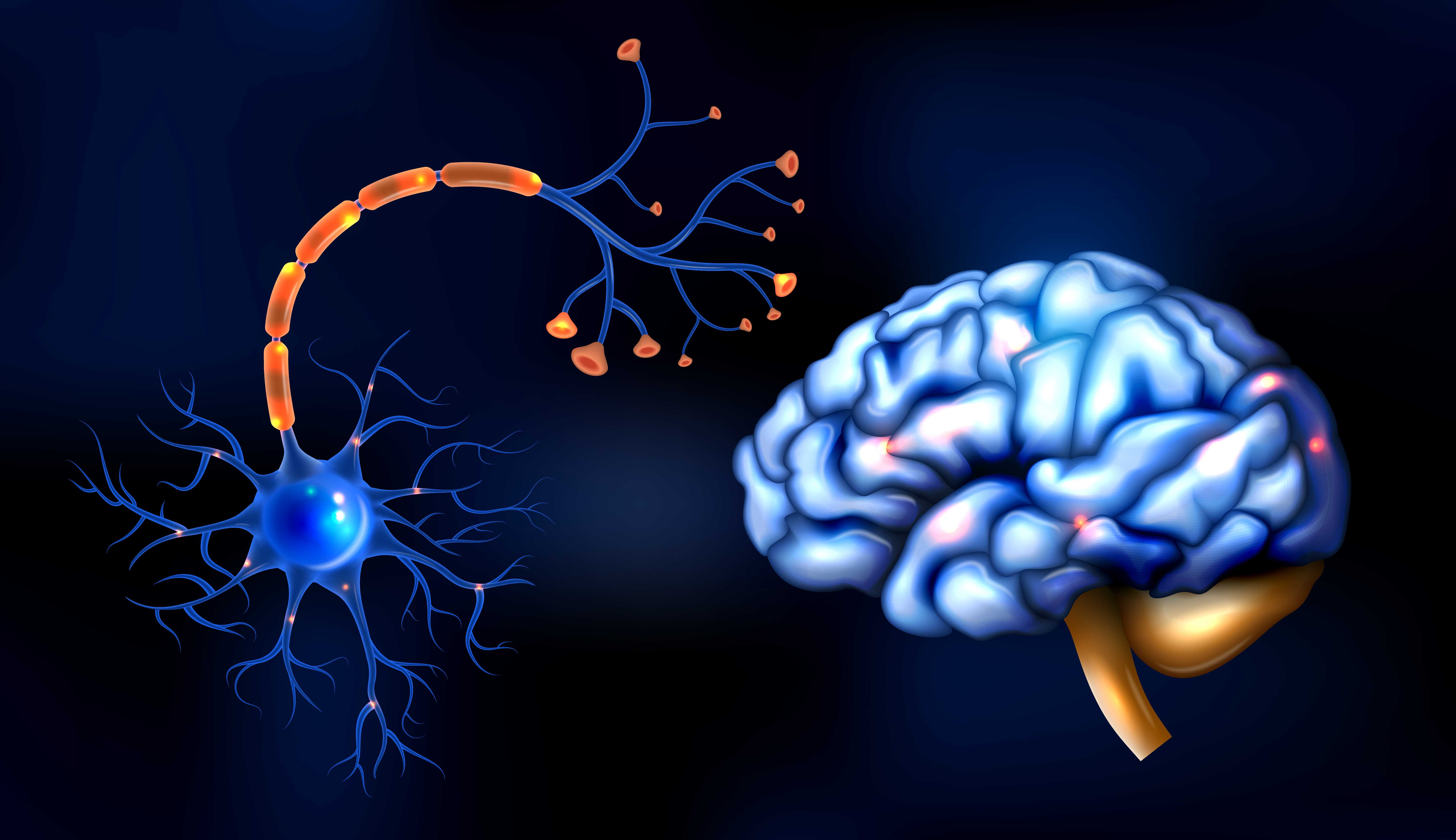
Learn the warning signs of brain hemorrhage, possible causes, emergency treatment options, and why immediate medical attention is critical.
19 May 2026
by Prakash Hospital

बार-बार भूलना कब सामान्य है और कब यह गंभीर बीमारी का संकेत हो सकता है? मेमोरी लॉस के कारण, चेतावनी संकेत, जांच और इलाज के बारे में विस्तार से जानें।
25 Feb 2026
by Prakash Hospital

Learn about different types of headaches, their causes, warning signs, diagnosis, and treatment options.
26 Feb 2026
by Prakash Hospital
Discover the causes of facial hyperpigmentation, effective treatments, and skincare tips to reduce dark spots and achieve healthy-looking skin.
14 May 2026
by Prakash Hospital
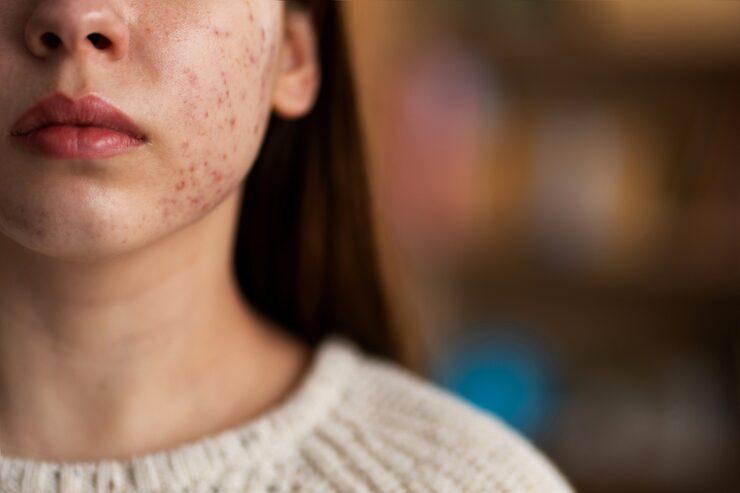
How to remove pimples — what causes acne, what works fast, and how to prevent pimples from returning. Guide from Prakash Hospital Noida.
8 Sept 2026
by Prakash Hospital
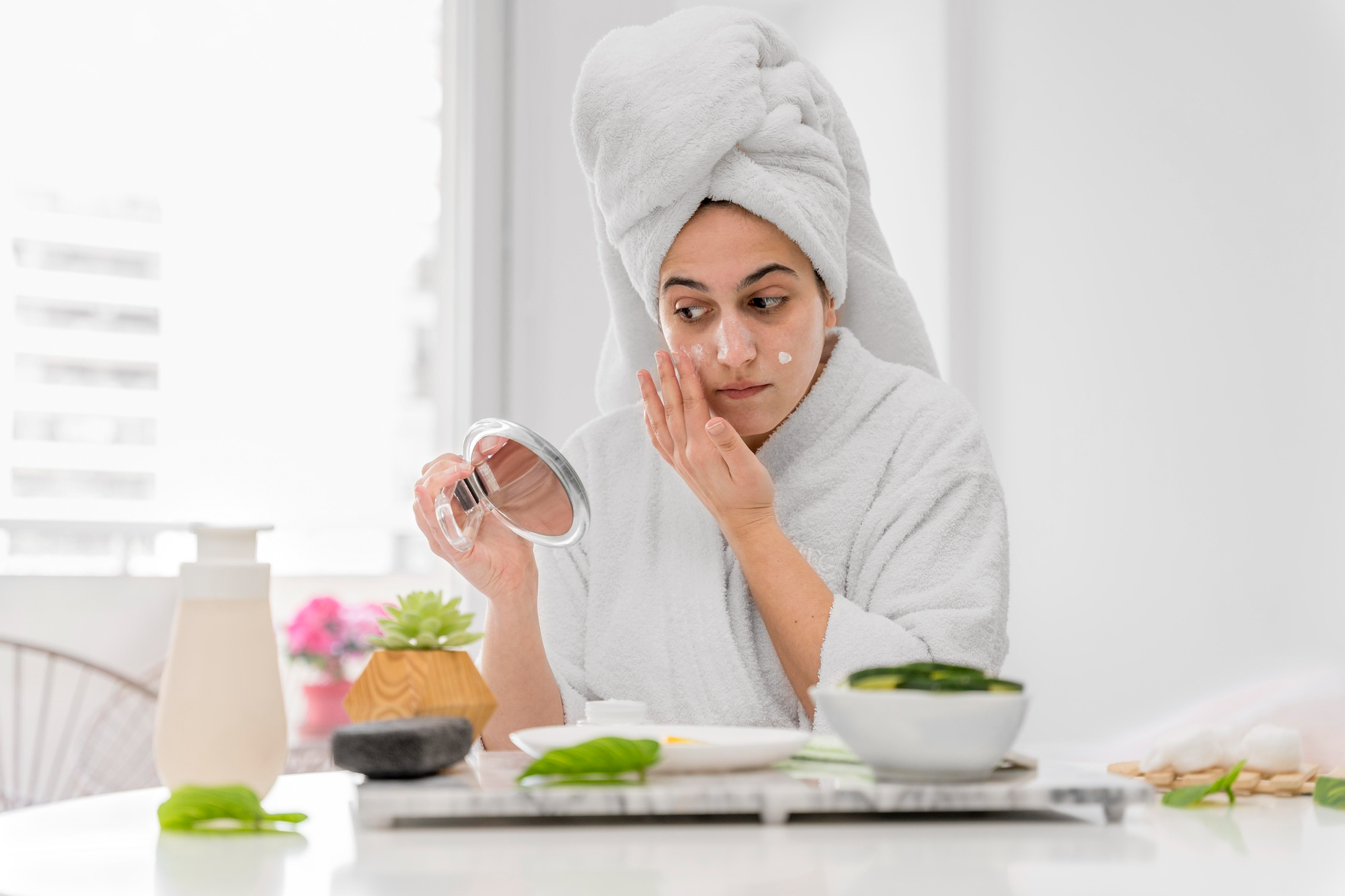
Skin pigmentation — understand the causes of dark patches, types of pigmentation, and effective treatments. Visit Prakash Hospital Noida for dermatology care.
24 Jun 2026
by Prakash Hospital
Answers to common questions about Microdermabrasion at Prakash Hospital, Noida.


Book a consultation with Prakash Hospital's specialists — 24/7 emergency care, 100+ doctors, NABH accredited.
View All Departments