


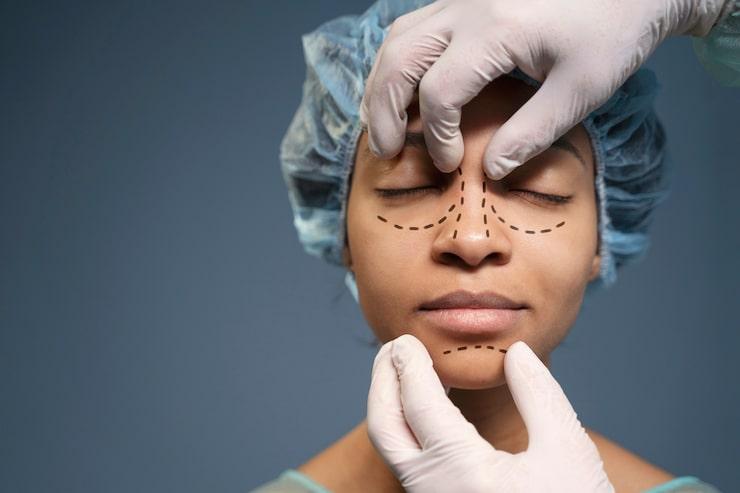
What You Need to Know Before Getting Nose Surgery: Cosmetic vs. Medical Reasons
Learn all you need to before getting nose surgery with special insight from doctors at Prakash Hospital, Noida.
19 Aug 2025
by Prakash Hospital
Straightens a bent nasal septum from inside the nose, so air moves freely through both nostrils and you can breathe and sleep more easily.

One side of your nose is always blocked. You've tried every spray the chemist offered, you sleep with your mouth open and wake with a dry throat, and colds settle in your sinuses for weeks. Sometimes there's an old knock to the nose behind it. Often there's no clear reason at all.
The septum is the wall of cartilage and thin bone that divides the nose into two passages. A slight bend is normal, and most people have one. When the bend narrows one side enough to cause symptoms, it's called a deviated nasal septum (DNS). In septoplasty, the surgeon works entirely through the nostrils. The lining over the septum is lifted, the bent cartilage and bone are trimmed, straightened or moved back to the middle, and the lining is laid back down. The outside of your nose stays the same.
Most people breathe noticeably better once the swelling settles, usually over 4 to 6 weeks. Septoplasty won't cure an allergy, though. If swollen turbinates (the fleshy ridges on the side walls of the nose) add to the blockage, they're often reduced in the same operation.
Before recommending septoplasty, our ENT team examines your nose with a video endoscope and looks for other causes of blockage, such as allergy, polyps or sinus disease. If you also have chronic sinusitis, septoplasty is often combined with FESS.
Surgery makes sense when the blockage clearly comes from the septum, it affects your daily life, and medicines have had a fair trial.
Done with a headlight through a cut just inside one nostril. It suits most bends in the front and middle of the septum.
The surgeon uses a thin telescope and a video screen to see deep inside the nose. It suits isolated spurs further back and is easy to combine with sinus surgery.
If the turbinates are swollen, they're shrunk at the same time, either by removing some bone or tissue from under their lining or with radiofrequency. It adds little to recovery and improves airflow.
If the outside of the nose is also crooked, for example after an injury, the septum and the external nose can be corrected together. It's a bigger operation, with bruising around the eyes for a week or two.
Most septoplasties are done under general anaesthesia. The inside of the nose is also numbed and treated with a decongestant that shrinks the lining and reduces bleeding.
The surgeon makes a small cut in the lining of the septum just inside one nostril. Nothing is cut on the outside.
The lining is carefully lifted off the cartilage and bone, on one or both sides, a little like peeling a label off a bottle.
Bent or buckled parts are trimmed, straightened or moved back to the midline. A strip of cartilage along the front and top is always kept, because it holds up the shape of your nose.
The lining is laid back and held with dissolving stitches. Thin, soft silicone splints or light packs may be placed to keep everything in position while it heals.
The operation takes 45 to 90 minutes. You'll breathe through your mouth at first if packs are in, which is uncomfortable but temporary.
Expect the nose to feel more blocked in the first week than it did before surgery. That's swelling, and it passes.
If packs are in, you'll breathe through your mouth. They usually come out the next morning, which is uncomfortable for a few seconds. Most people go home the same day or the day after.
Blood-tinged mucus and a stuffy nose are normal. Use saline sprays or rinses as advised, sleep with your head raised, and don't blow your nose hard. If you need to sneeze, keep your mouth open. Avoid bending and lifting, and eat enough dal, vegetables and fruit that you don't strain on the toilet.
Splints, if used, come out at a clinic visit around 7 to 10 days, and breathing often improves straight away. Most people are back at office work within a week.
Crusting settles and airflow keeps improving. Avoid contact sports and heavy gym work for about 4 to 6 weeks. The final result is usually clear by 3 months.
Call us on +91-8826000033 or come straight to our 24/7 emergency department.
Steroid sprays, antihistamines and saline rinses treat a swollen lining. If allergy is the main problem, they may be all you need, and surgery wouldn't fix the allergy anyway.
Strips across the nose or small dilators inside the nostril open the airway a little during sleep or exercise. They help some people with mild blockage but don't straighten the septum.
A bent septum isn't dangerous. If your symptoms are mild, there's no medical need to operate.
Talk to our ENT team
Ask about your options, the cost and your insurance before you decide. See the insurance and TPA panels we work with.
This page explains Septoplasty (Deviated Nasal Septum Surgery) in general terms. Your own plan depends on your health, your test results and your doctor's advice. Please read our medical disclaimer.
Septoplasty (Deviated Nasal Septum Surgery) is led by our ENT team, with other departments stepping in at each stage of your care.
At Prakash Hospital, our ENT Department offers expert diagnosis and advanced treatments for ear, nose, throat, head, and neck conditions, ensuring better health and quality of life for all ages.
What the department treats
Sinus Surgery (FESS)
Tympanoplasty
Septoplasty
Tonsillectomy
Hearing Aid Fitting
Allergy Management
Procedures often considered alongside Septoplasty (Deviated Nasal Septum Surgery), or that treat related conditions.
Endoscopic surgery through the nose that clears blocked sinuses and polyps when medicines stop working.
Removes enlarged adenoids that block a child's nose, disturb sleep or keep causing ear infections.
Removes tonsils that cause repeated throat infections or block a child's breathing during sleep.
Closes a hole in the eardrum with your own tissue to stop ear discharge and protect or improve hearing.
Other procedures our ENT team performs.
We offer expert care across key specialties, including Medicine, Cardiology, Orthopaedics, ENT, Gynaecology, and more—delivering trusted treatment under one roof.
Free tools to check your weight, plan a pregnancy, track calories and more.
Learn all you need to before getting nose surgery with special insight from doctors at Prakash Hospital, Noida.
19 Aug 2025
by Prakash Hospital

Sore throat treatment, home remedies that work, and warning signs that mean you need medical care. Visit Prakash Hospital Noida for consultation.
25 Jun 2026
by Prakash Hospital
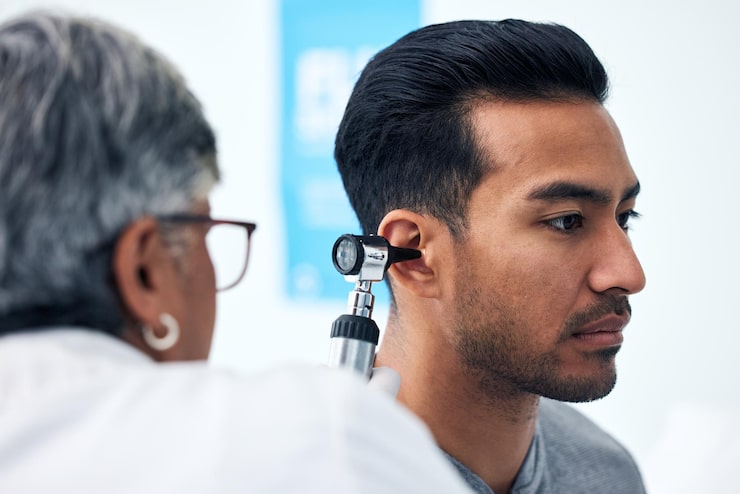
Learn everything about Cochlear implants through this helpful guide with the advice of seasoned experts from Prakash Hospital, Noida.
25 Aug 2025
by Prakash Hospital

Gastritis symptoms — what inflamed stomach lining feels like, what causes it, and what actually helps. Prakash Hospital Noida.
16 Sept 2026
by Prakash Hospital

IBS symptoms, causes, triggers, and management. What is irritable bowel syndrome and how to live with it. Prakash Hospital Noida.
15 Sept 2026
by Prakash Hospital

Learn about intestinal pain, its causes, warning signs, associated symptoms, and when to seek medical attention.
13 Feb 2026
by Prakash Hospital

Learn what triggers ear infections, how to spot symptoms early, and which treatments work best for both children and adults.
4 May 2025
by Prakash Hospital

Discover the common causes of lumps behind the ear and how to identify when it's time to seek medical care. Learn about treatment options and diagnostic steps.
10 May 2025
by Prakash Hospital
Answers to common questions about Septoplasty (Deviated Nasal Septum Surgery) at Prakash Hospital, Noida.


Book a consultation with Prakash Hospital's specialists — 24/7 emergency care, 100+ doctors, NABH accredited.
View All Departments