


Hip Replacement Surgery: Procedure, Benefits, and Recovery
Learn about the ins and outs of hip replacement surgery with the guidance of expert advice from Prakash Hospital, Noida.
17 Sept 2025
by Prakash Hospital
Swaps a hip damaged by arthritis, AVN or a fracture for an artificial ball and socket, so groin pain stops limiting how far you can walk.

Hip pain rarely stays in the hip. Most people feel it in the groin, often spreading down the thigh to the knee, and some spend months treating the wrong joint. Putting on socks, climbing out of an autorickshaw and sitting on the floor get hard long before walking does.
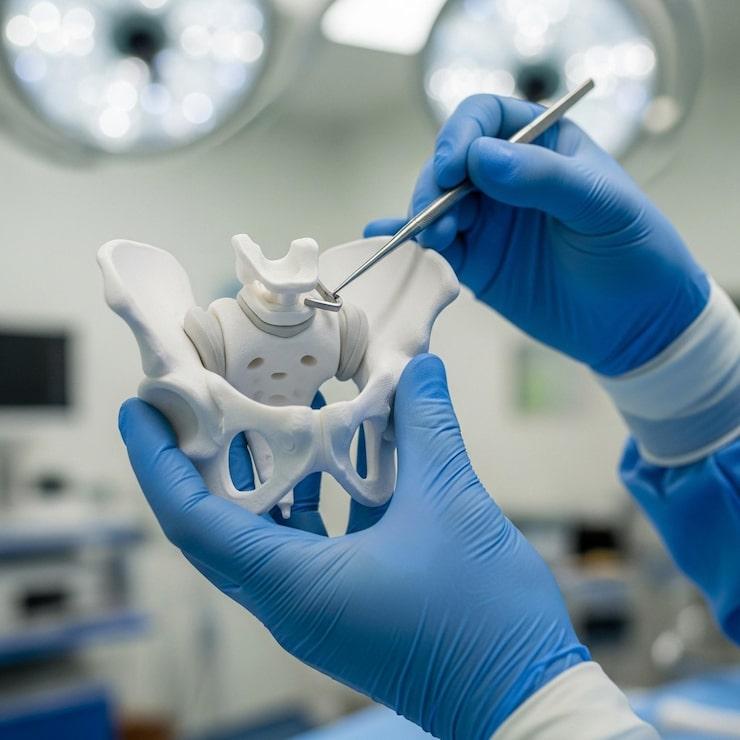
A total hip replacement (total hip arthroplasty) replaces both halves of this ball-and-socket joint. Your surgeon removes the damaged ball at the top of the thigh bone (the femoral head) and fits a metal stem into the hollow centre of the bone, topped with a new metal or ceramic ball. The worn socket in the pelvis (the acetabulum) gets a metal cup with a smooth plastic or ceramic liner for the new ball to move in.
It's one of the most dependable operations in orthopaedics. The arthritis pain usually goes within weeks, though the hip muscles take months to get their strength back and a slight limp can last until they do.
Our orthopaedics and trauma team performs total hip replacements, choosing cemented or uncemented fixation based on your bone quality and age. Our physiotherapists usually have you standing within 24 hours of surgery.
Surgery is considered when the joint is badly damaged and pain keeps coming back despite medicines, physiotherapy and a walking stick. In India, many younger adults need a new hip because of avascular necrosis rather than wear and tear.
Bone cement grips the stem straight away and suits softer bone, which is common in older women. Uncemented parts have a rough coating that your bone grows onto over the following weeks, and are often used in younger people with strong bone. Some hips use one of each.
After a break in the neck of the thigh bone, an older person sometimes needs only the ball replaced (a hemiarthroplasty, or half hip). A total hip is preferred if you walked independently before the fall and are otherwise fit, or if the socket already has arthritis. Surgery is usually within a day or two, because long spells in bed bring chest infections, clots and bed sores. Breaks that can be saved are fixed with screws or a nail instead.
You'll have a spinal or general anaesthetic, sometimes with a nerve block, and are placed on your side or back depending on the approach.
A cut of about 10 to 20 cm is made over the hip. The muscles are eased aside or partly released, and the ball is lifted out of the socket.
The damaged femoral head is cut away. The socket is reamed down to healthy bone and the new cup is pressed or cemented in, angled to keep the hip stable.
The thigh bone is shaped to take the stem and trial balls are fitted. With the hip back in place, your surgeon tests its stability and compares the length of both legs before fitting the final parts.
Muscles and tendons that were moved are stitched back and the skin is closed with stitches or clips. Most operations take 1.5 to 2 hours.
For six weeks the aim is to protect the hip while the tissues around it heal. After that, strengthening the buttock muscles on the outer side of the hip is what gets rid of the limp.
You stand with a walker, usually within 24 hours, then walk the corridor, try a few steps and practise with a raised toilet seat. Most people go home once they manage these safely.
Clips come out at about two weeks, and you move to a stick held in the hand opposite the new hip. Don't cross your legs, avoid low seats and don't bend forward past a right angle.
By now the stick is usually gone, and most people are back at desk work and driving. Your surgeon will tell you when the precautions can be relaxed.
The hip muscles go on getting stronger for up to a year. Walking, swimming and cycling suit a new hip well, and follow-up X-rays check the implant.
Call us on +91-8826000033 or come straight to our 24/7 emergency department.
Painkillers, hip-strengthening physiotherapy and losing extra weight all help earlier arthritis, and a stick in the opposite hand takes a large share of the load off the hip. Our BMI calculator shows whether your weight is adding to the load.
An injection into the hip, given under imaging guidance, can settle pain for weeks to months. It doesn't slow the arthritis, and one given in the months before a replacement may raise the infection risk.
If AVN is found before the ball collapses, core decompression (drilling small channels to relieve pressure inside the bone) may delay a replacement for some people.
Talk to our Orthopedics & Joint Replacement team
Ask about your options, the cost and your insurance before you decide. See the insurance and TPA panels we work with.
This page explains Total Hip Replacement Surgery in general terms. Your own plan depends on your health, your test results and your doctor's advice. Please read our medical disclaimer.
Total Hip Replacement Surgery is led by our Orthopedics & Joint Replacement team, with other departments stepping in at each stage of your care.
At Prakash Hospital, our Orthopedics and Traumatology Department offers expert diagnosis, surgical and non-surgical treatments, and rehabilitation for bone, joint, and musculoskeletal injuries.
What the department treats
Total Knee Replacement
Total Hip Replacement
Arthroscopic Surgery
Spine Surgery
Trauma and Fracture Care
Sports Medicine
Gets you standing within about 24 hours, teaches hip precautions and runs the strengthening programme that fixes the limp.
Brings blood sugar, blood pressure and heart problems under control before surgery and manages them on the ward.
Cross-matches blood in advance, since hip replacement occasionally needs a transfusion.
Procedures often considered alongside Total Hip Replacement Surgery, or that treat related conditions.
Replaces a knee worn out by arthritis with a metal and plastic joint to relieve pain and get you walking again.
Realigns broken bones and holds them with plates, screws, rods or frames so they heal in the right position.
Realigns and rebuilds a joint damaged by injury, deformity or earlier surgery, keeping your own joint.
Frees a trapped spinal nerve by removing slipped disc or bone, easing sciatica and leg pain.
Other procedures our Orthopedics & Joint Replacement team performs.
Replaces a damaged shoulder ball and socket to relieve arthritis pain and help you use your arm again.
Keyhole surgery using a thin camera to diagnose and repair problems inside the knee or shoulder.
Rebuilds a torn ACL with a tendon graft through keyhole surgery to stop the knee giving way.
Reattaches or rebuilds torn ligaments in the knee, ankle, elbow or thumb to steady an unstable joint.
Replaces a failed knee implant that is loose, worn, infected or unstable with new revision parts.
Replaces only the worn part of an arthritic knee, keeping the healthy cartilage and ligaments.
We offer expert care across key specialties, including Medicine, Cardiology, Orthopaedics, ENT, Gynaecology, and more—delivering trusted treatment under one roof.
Free tools to check your weight, plan a pregnancy, track calories and more.
Learn about the ins and outs of hip replacement surgery with the guidance of expert advice from Prakash Hospital, Noida.
17 Sept 2025
by Prakash Hospital
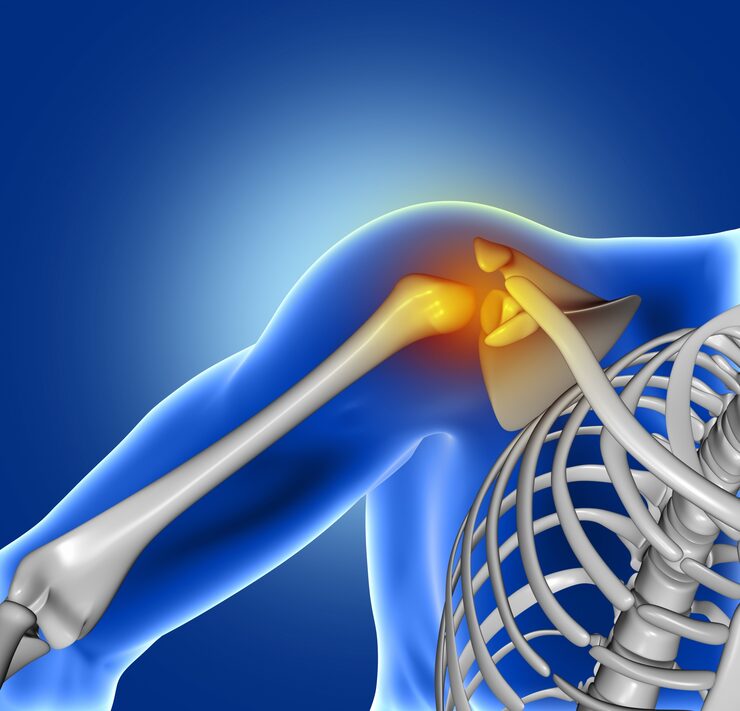
Learn all about osteonecrosis and its treatment with the best advice from the doctors at Prakash Hospital, Noida.
14 Oct 2025
by Prakash Hospital

जानिए जॉइंट रिप्लेसमेंट सर्जरी कब जरूरी होती है, इसके लक्षण क्या हैं, और किन मरीजों को इसकी जरूरत पड़ सकती है।
25 Mar 2026
by Prakash Hospital

जानिए थायरॉइड टेस्ट कब करवाना चाहिए, किन लक्षणों में जांच जरूरी है, और कौन-कौन से टेस्ट होते हैं। सही समय पर Prakash Hospital से संपर्क करें।
2 Mar 2026
by Prakash Hospital

Discover what causes insulin resistance and how diet, exercise, sleep, and lifestyle changes can help you take control of your health
9 Apr 2026
by Prakash Hospital

Low testosterone symptoms — fatigue, low libido, mood changes and more. Causes, when to get a morning blood test, and treatment. Prakash Hospital Noida.
6 Oct 2026
by Prakash Hospital
Learn why joint pain becomes common after 40 and how to prevent it. Discover causes, symptoms, and treatment options from experts at Prakash Hospital.
17 Nov 2025
by Prakash Hospital

Learn how to make your bones grow stronger naturally with expert advise from the doctors at Prakash Hospital.
1 Oct 2025
by Prakash Hospital
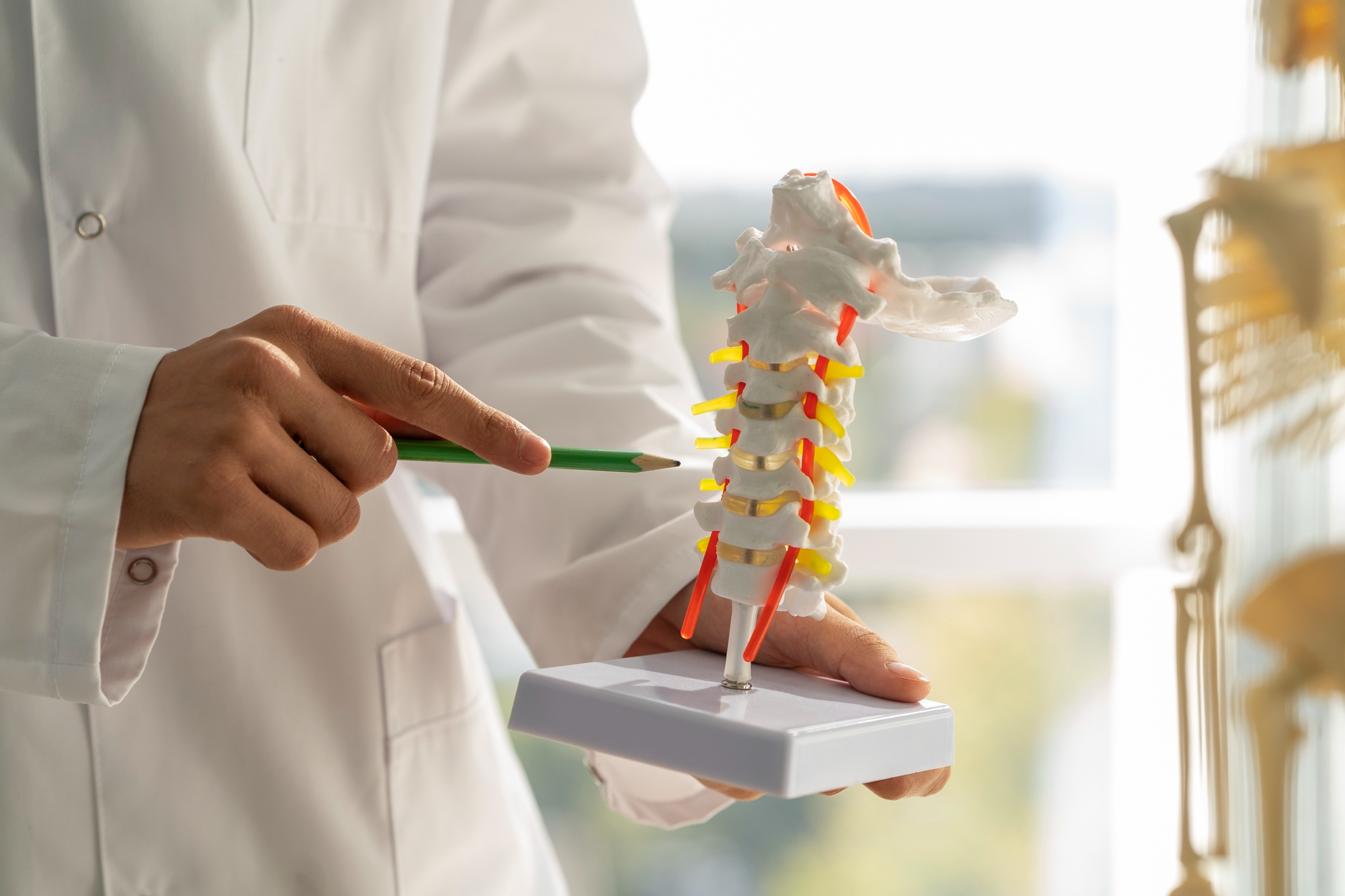
Support fracture recovery with essential nutrients like calcium, vitamin D, and protein for faster bone healing.
19 Nov 2025
by Prakash Hospital
Answers to common questions about Total Hip Replacement Surgery at Prakash Hospital, Noida.


Book a consultation with Prakash Hospital's specialists — 24/7 emergency care, 100+ doctors, NABH accredited.
View All Departments