


Calcium-Rich Foods for Strong Bones: A Complete Indian Guide
Calcium-rich foods — the best Indian sources for strong bones and teeth. Visit Prakash Hospital Noida for nutrition consultation and bone health.
20 Jul 2026
by Prakash Hospital
by Prakash Hospital
by Prakash Hospital
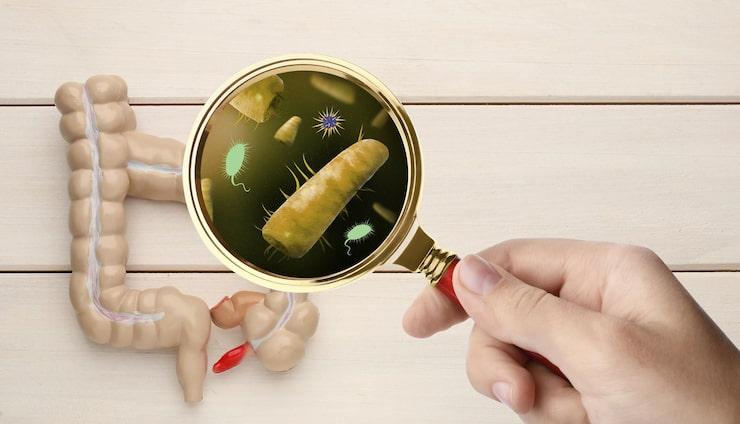
examination of the germs in the large intestine
Crohn’s disease is a chronic inflammatory condition that affects the digestive tract, falling under a group of illnesses called inflammatory bowel diseases (IBD). It can cause a wide variety of symptoms, ranging from abdominal pain and diarrhea to malnutrition and fatigue. Unlike short-term digestive troubles, Crohn’s is a lifelong illness with alternating phases of flare-ups and remissions. While there is currently no cure, advancements in medical science have made it possible to manage the condition effectively, enabling patients to lead active and fulfilling lives.
This blog takes a deep dive into what Crohn’s disease is, its causes, symptoms, treatment options, and lifestyle strategies for living with the condition.
Crohn’s disease is a type of IBD that can affect any part of the gastrointestinal (GI) tract—from the mouth to the anus. However, it most commonly affects the end of the small intestine (ileum) and the beginning of the large intestine (colon). The inflammation caused by Crohn’s can extend deep into the layers of the intestinal wall, which distinguishes it from ulcerative colitis, another form of IBD that only affects the colon’s lining.
The disease is characterized by its unpredictability. Patients often experience periods of remission, during which symptoms are mild or absent, followed by flare-ups, during which inflammation and discomfort return with increased intensity.
The exact cause of Crohn’s disease is not fully understood, but researchers believe it develops due to a combination of genetic, environmental, and immune system factors.
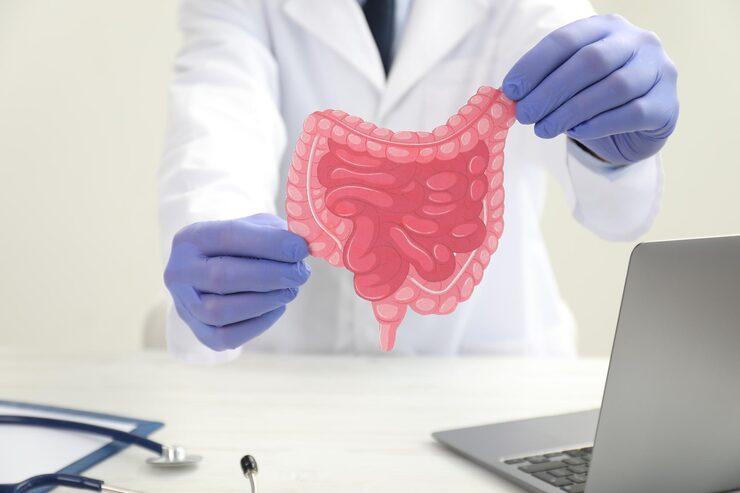
Doctor holding up a picture of the intestines
The symptoms of Crohn’s vary depending on which part of the GI tract is affected. They can range from mild to severe and often develop gradually. Common symptoms include:
Because Crohn’s can affect more than just the intestines, extra-intestinal manifestations may occur, such as joint pain (arthritis), skin rashes, and eye inflammation.
Diagnosing Crohn’s can be challenging because its symptoms overlap with many other gastrointestinal conditions. A combination of tests is usually necessary:
Although there is no cure for Crohn’s disease, treatments aim to reduce inflammation, control symptoms, and prevent complications. The choice of treatment depends on disease severity, affected area, and the patient’s overall health.
a) Anti-inflammatory drugs
b) Corticosteroids
c) Immunomodulators
d) Biologic Therapies
e) Antibiotics
Because Crohn’s disease can impair nutrient absorption, diet plays a critical role in managing symptoms and preventing malnutrition. Some strategies include:
About 70% of people with Crohn’s will require surgery at some point in their lives. Surgery is not a cure, but it can relieve complications when medications are insufficient. Common procedures include:
Unfortunately, Crohn’s often recurs after surgery, so postoperative medication is usually necessary to prevent relapse.
Living with Crohn’s disease requires more than medical treatment—it involves adopting lifestyle changes to improve quality of life.
Research into Crohn’s disease is ongoing, with promising new treatments on the horizon. These include:
The future of Crohn’s treatment is likely to become more personalized, tailoring therapies to a patient’s genetic and immune profile.
Woman suffering from Crohn’s disease
While Crohn’s is a lifelong condition, many people successfully manage it and lead productive lives. Some practical tips include:
Crohn’s disease is a complex and unpredictable illness that affects far more than just digestion. It is not caused solely by lifestyle, nor is it contagious, but rather a combination of genetic, immune, and environmental factors. While there is currently no cure, treatments ranging from medications and nutritional therapy to surgery and biologics have transformed outcomes for patients.
Living with Crohn’s requires patience, resilience, and proactive management, but with the proper medical care and lifestyle strategies, individuals can lead fulfilling and active lives. The future looks hopeful, with ongoing research offering potential breakthroughs in treatment and even remission.

Microneedling, laser, peels and minor procedures matched to your scar type to smooth pitted acne scars.
Treats the uterine lining to make heavy periods lighter or stop them, with no cuts, for women who want no more children.
Medicines, shock waves, laser ureteroscopy or PCNL, chosen by the size and position of your stone.
Free tools to check your weight, plan a pregnancy, track calories and more.
We offer expert care across key specialties, including Medicine, Cardiology, Orthopaedics, ENT, Gynaecology, and more—delivering trusted treatment under one roof.
Calcium-rich foods — the best Indian sources for strong bones and teeth. Visit Prakash Hospital Noida for nutrition consultation and bone health.
20 Jul 2026
by Prakash Hospital

Learn about laser hair removal procedure, benefits, safety, side effects, preparation, aftercare, and who is the right candidate for treatment.
28 Jan 2026
by Prakash Hospital

How to get glowing skin naturally — Indian diet, hydration, sleep, and skincare tips that actually work. Prakash Hospital Noida.
9 Sept 2026
by Prakash Hospital

लिवर खराब होने के शुरुआती लक्षण क्या हैं? थकान, पीलिया, पेट दर्द जैसे संकेतों को नज़रअंदाज़ न करें। कारण, जांच, इलाज और बचाव के तरीके जानें।
20 Feb 2026
by Prakash Hospital
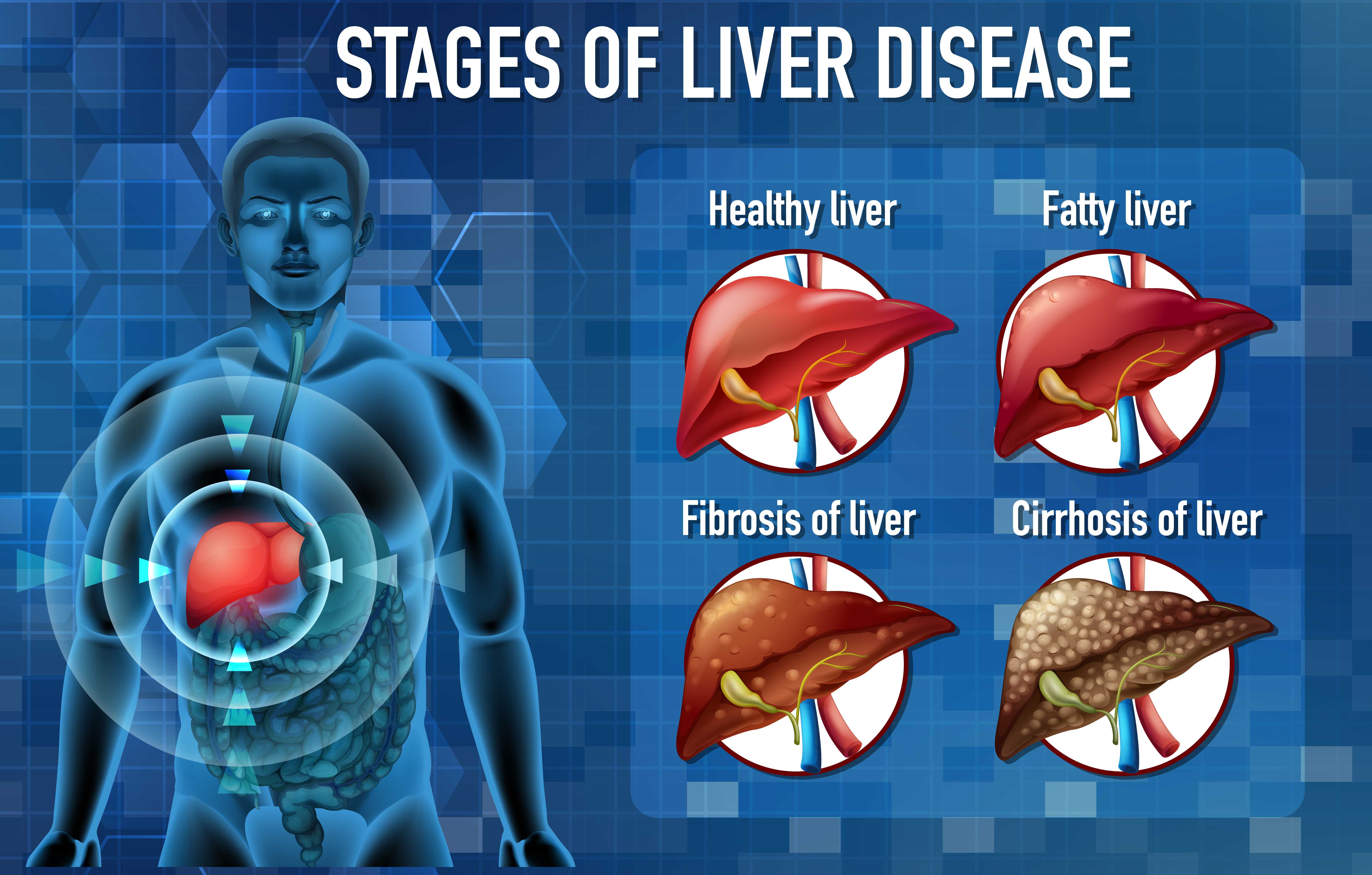
Home remedies to strengthen the liver — foods, lifestyle changes, and natural approaches that support liver health. Visit Prakash Hospital Noida for liver care.
11 Jun 2026
by Prakash Hospital

Discover early signs your liver may not be functioning properly, including fatigue, jaundice and digestive issues, expert liver care in Noida.
24 Mar 2026
by Prakash Hospital


Book a consultation with Prakash Hospital's specialists — 24/7 emergency care, 100+ doctors, NABH accredited.
View All Departments