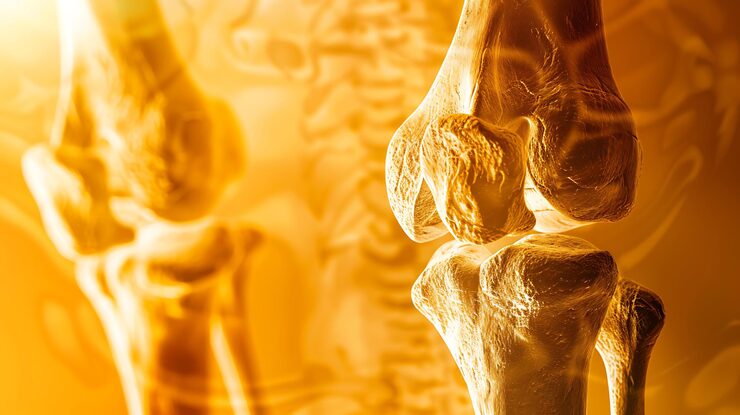
bones displaying signs of osteoporosis
Osteoporosis is called the "silent disease" because it produces no symptoms while it's developing — no pain, no warning, no indication that anything is wrong. The first sign many people experience is a fracture. A wrist that breaks after a fall that shouldn't have caused a fracture. A vertebra that collapses while getting up from a chair. A hip that breaks and becomes the beginning of a devastating decline in function and independence.
India has an enormous and growing osteoporosis burden. An estimated 50 million Indians are affected, with postmenopausal women carrying the highest risk. The condition is underdiagnosed and undertreated — partly because symptoms don't exist until fractures occur, and partly because bone density testing is not yet routine in Indian healthcare.
Bone is living tissue — constantly being broken down by osteoclast cells and rebuilt by osteoblast cells in a balanced cycle. Osteoporosis occurs when this balance tips toward bone loss: either not enough new bone is formed, or too much old bone is removed, or both.
The result is bone that is less dense, more porous, and significantly more likely to fracture with minimal trauma — trauma that would not have caused a fracture in a person with normal bone density.
Osteopenia is the term for bone density that is lower than normal but not yet in the osteoporosis range — a warning stage that warrants attention and preventive action.
Osteoporotic fracture — sometimes called a "fragility fracture" — is a fracture from low-energy trauma (a fall from standing height or less). Characteristic sites: the wrist (Colles' fracture), vertebrae, and hip.
Several factors converge to make Indian women particularly vulnerable:
Peak bone mass: bone density reaches its peak in the late 20s to early 30s. Indians, on average, achieve lower peak bone mass than Western populations — partly genetic, partly nutritional (calcium and vitamin D inadequacy during the growth years).
Calcium intake: the recommended calcium intake for adults is 1,000 mg daily (1,200 mg for postmenopausal women). Most Indian women consume well below this — studies suggest average calcium intake is 400–500 mg daily.
Vitamin D deficiency: paradoxically common in India despite abundant sunshine. Sunscreen use, indoor work, full clothing coverage, and dark skin requiring longer sun exposure for equivalent synthesis all contribute. Vitamin D is essential for calcium absorption from the gut — without adequate vitamin D, calcium intake doesn't translate to calcium absorption.
Early menopause: Indian women enter menopause at an average age of 46–48, compared to 51–52 in Western populations. Estrogen is bone-protective; its absence after menopause accelerates bone loss, which is most rapid in the first 5 years post-menopause.
Lactose intolerance: dairy is the most calcium-dense dietary source, and many adults in India have reduced lactase activity. Dairy avoidance due to intolerance reduces calcium intake further.
Low body weight: underweight is associated with lower bone density. A significant proportion of Indian women are underweight by global standards.
Physical inactivity: weight-bearing exercise stimulates bone formation. Sedentary lifestyles in urban India contribute to lower bone density.
The honest answer is that osteoporosis itself produces no symptoms. You cannot feel your bones becoming less dense. There is no pain, no weakness, no alteration in how you move or feel — until something breaks.
However, there are some indirect signs and conditions associated with osteoporosis that may be noticed:
The vertebrae are the most common site of osteoporotic fractures. Weakened vertebrae can crack or collapse — sometimes from an ordinary movement like lifting a grocery bag, bending to pick something up, or even sneezing. Sometimes they occur with no identifiable trigger at all.
Symptoms of vertebral compression fractures:
Over time with multiple vertebral fractures:
A wrist fracture from a ground-level fall. A hip fracture from a modest trip. An ankle fracture from stepping down off a low step. In a person with osteoporosis, these fractures occur with far less force than would be expected in someone with normal bone density.
Any fracture from minimal trauma in a person above 50 should raise the question of underlying osteoporosis. This is a missed opportunity in Indian healthcare — many people have a wrist or vertebral fracture, are treated for the fracture, and never have their underlying bone density assessed or treated.
Non-modifiable:
Modifiable:
Osteoporosis is diagnosed by measuring bone mineral density (BMD) using dual-energy X-ray absorptiometry (DEXA scan). This is a low-radiation X-ray of the hip and lumbar spine that measures bone density and compares it to a reference young adult population.
Results are expressed as a T-score:
Who should have a DEXA scan:
DEXA scans are available at most major hospitals in India, including in Noida.
Daily requirement: 1,000 mg for adults; 1,200 mg for postmenopausal women and adults above 70.
Indian food sources (calcium per 100g):
Most people who do not consume dairy regularly will struggle to meet calcium requirements from food alone. Calcium supplements (calcium carbonate or calcium citrate) are safe and commonly needed. Calcium citrate is better absorbed, particularly in older adults with reduced stomach acid (which is common).
Take supplements with meals to improve absorption. The maximum efficiently absorbed in a single dose is about 500 mg — split doses if taking more than this.
Daily requirement: 600–800 IU for adults; 800–1,000 IU for adults above 70. Many endocrinologists in India recommend higher supplementation (2,000 IU) given the high prevalence of deficiency.
Test your vitamin D (25-OH vitamin D) level. If below 30 ng/mL, supplement at a higher dose under medical guidance.
Sunlight: 15–20 minutes of direct sun exposure on the arms and legs (not through glass) daily, ideally between 10 am and 3 pm when UV index is adequate. Dietary sources (egg yolk, fatty fish) contribute but are insufficient alone for most people.
Weight-bearing exercise stimulates bone formation — the mechanical stress of impact or resistance tells the bones to become denser. This is a use-it-or-lose-it principle.
Best exercise for bone:
Swimming and cycling are excellent cardiovascular exercises but are not weight-bearing and don't stimulate bone formation as effectively.
For confirmed osteoporosis (T-score below -2.5) or high-risk osteopenia:
Bisphosphonates (alendronate, risedronate, zoledronic acid): first-line medications that slow bone resorption. Alendronate is taken once weekly orally; zoledronic acid is a once-yearly IV infusion. Significantly reduce fracture risk. Must be taken correctly — sitting upright, with a full glass of water, 30 minutes before food — to avoid oesophageal irritation.
Denosumab: a biologic injection given every 6 months that strongly inhibits bone resorption. For those who can't tolerate bisphosphonates.
Hormone replacement therapy (HRT): estrogen prevents post-menopausal bone loss and is highly effective for this purpose. The risk-benefit decision (cardiovascular, breast cancer) is individual and requires specialist discussion.
Calcium and vitamin D supplementation are always part of treatment, alongside medications.
Half of the fracture prevention equation in osteoporosis is preventing falls. Specific fall reduction strategies:
At Prakash Hospital Noida, our physicians provide osteoporosis risk assessment, DEXA scan referral, calcium and vitamin D supplementation guidance, medication management for confirmed osteoporosis, and fracture management. Postmenopausal women's bone health and fall prevention counselling are available.
Whether you live in Sector 18, Sector 62, Greater Noida West, or anywhere in the NCR, Prakash Hospital Noida is a trusted name for osteoporosis, bone health, and women's health in Noida.
 Copy
CopyWe offer expert care across key specialties, including Medicine, Cardiology, Orthopaedics, ENT, Gynaecology, and more—delivering trusted treatment under one roof.
Dr. Alka Kapoor
Dr. Rakesh
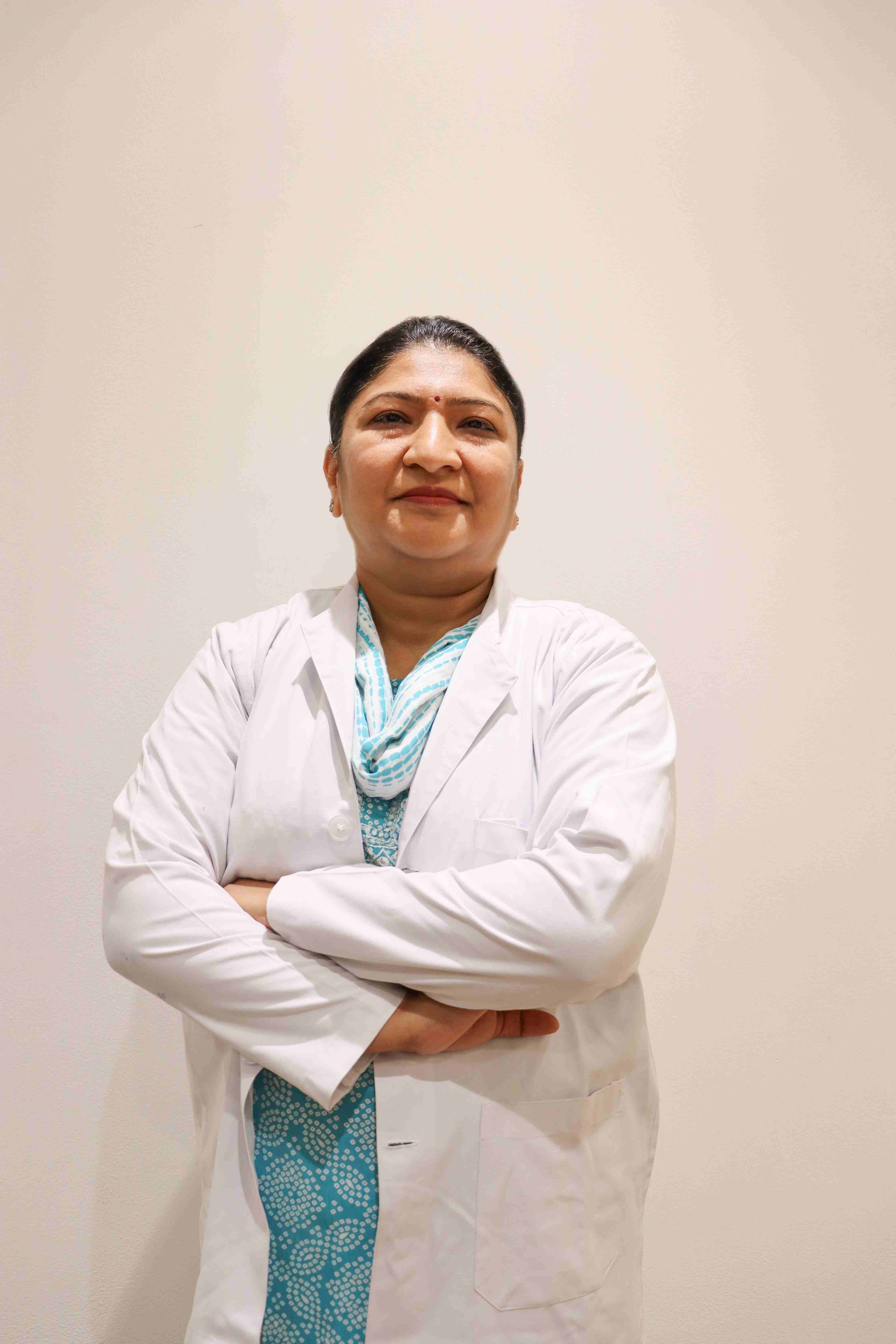
Dr. Meenakshi Nashi


Book a consultation with Prakash Hospital's specialists — 24/7 emergency care, 100+ doctors, NABH accredited.

Prakash Hospital Pvt. Ltd. is a 100 bedded NABH NABL accredited multispecialty hospital along with a center of trauma and orthopedics. We are in the service of society since 2001.
OUR SPECIALITIES
Patient Services
PROCEDURES
Contact Us
D – 12A, 12B, Sector-33, G. B. Nagar, Noida, Uttar Pradesh 201301
+91-8826000033


© 2026 All rights reserved.
Designed and Developed by Zarle Infotech