


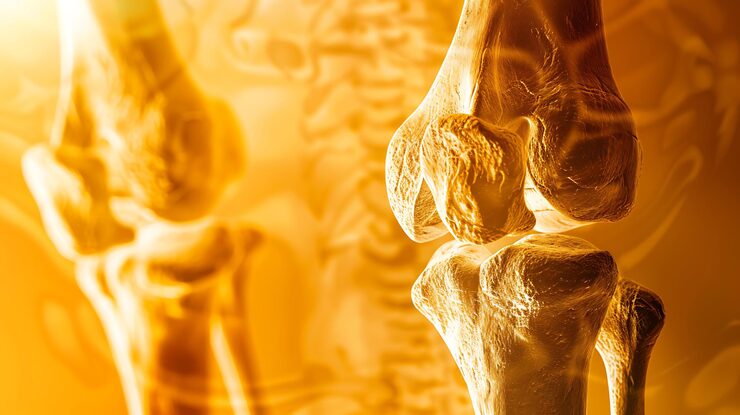
Osteoporosis Symptoms: The Silent Disease That Breaks Bones
Osteoporosis symptoms, risk factors for Indian women, and how to protect bone density. Guide from Prakash Hospital Noida, Noida.
27 Aug 2026
by Prakash Hospital
by Prakash Hospital
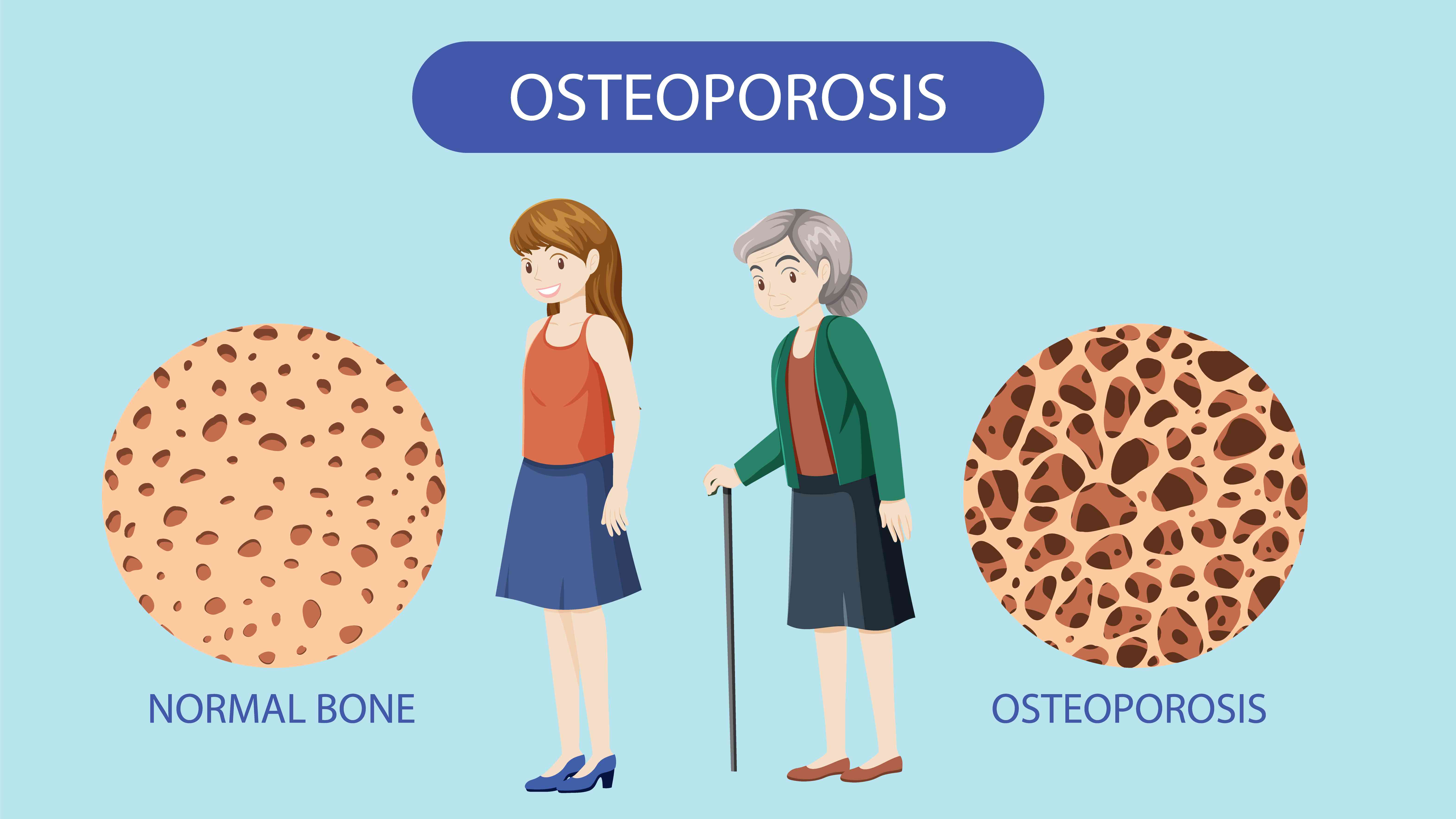
Osteoporosis is often called the "silent disease" for a reason. It progresses slowly and quietly, without any obvious symptoms, until a bone fractures or breaks. Women, particularly postmenopausal women, are at a significantly higher risk of developing this condition. This blog explores the subtle signs of osteoporosis in women, its causes, risk factors, and how timely action can prevent irreversible damage.
Osteoporosis is a condition that weakens bones, making them brittle and more likely to break. The term itself means "porous bones," and it's characterized by low bone mass and structural deterioration of bone tissue. This results in fragile bones that are highly susceptible to fractures, especially in the hip, spine, and wrist.
While osteoporosis can affect anyone, women are four times more likely to develop it than men. This increased risk is largely due to hormonal changes that occur during menopause.
Several biological and lifestyle factors contribute to women's higher risk:
Menopause: The drop in estrogen levels after menopause accelerates bone loss.
Smaller frame size: Women tend to have smaller, thinner bones than men.
Pregnancy and lactation: These phases can temporarily reduce bone density.
Longer life expectancy: Women tend to live longer, increasing the time for bone loss to occur.
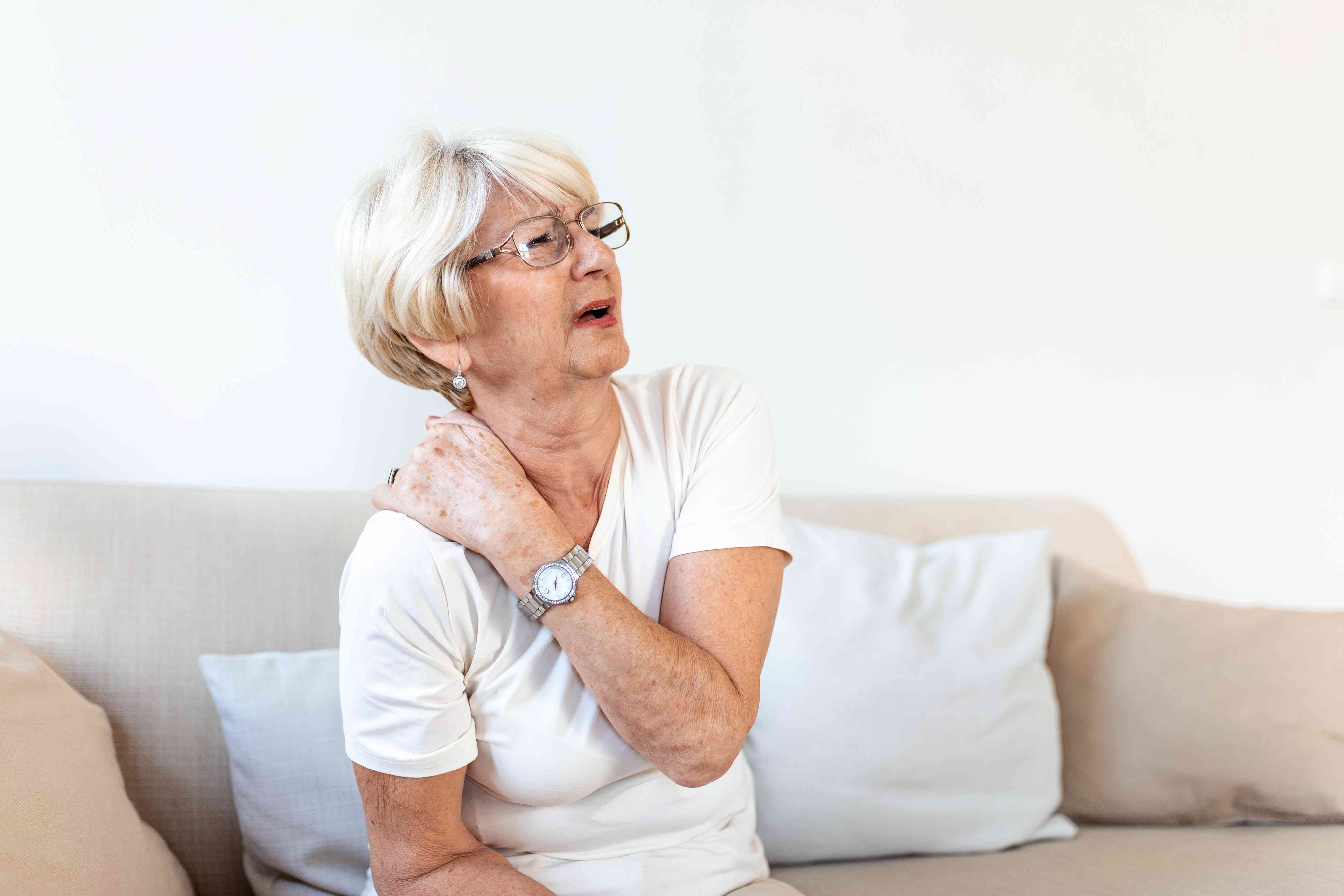
In its early stages, osteoporosis doesn’t cause pain or noticeable symptoms. However, the following silent signs could indicate developing bone loss:
Many women attribute height loss to aging. However, a loss of more than 1 inch could be a red flag. This often results from compression fractures in the spine due to weakened vertebrae.
Persistent or sudden back pain could signal a vertebral fracture, one of the most common complications of osteoporosis. These fractures often occur without significant trauma.
A noticeable hunch in the upper back or shoulders is often a result of spinal fractures. It may develop gradually and be mistaken for poor posture.
Breaking a bone from minimal trauma, such as slipping on a carpet or minor bumps, is a key indicator of brittle bones.
Decreased hand strength may be associated with overall muscle and bone weakness, particularly in older women.
Recognizing risk factors can help women take preventive steps early:
Age over 50
Early menopause (before age 45)
Family history of osteoporosis
Low calcium and vitamin D intake
Sedentary lifestyle
Excessive alcohol or tobacco use
Eating disorders
Chronic conditions (e.g., rheumatoid arthritis, thyroid disorders)
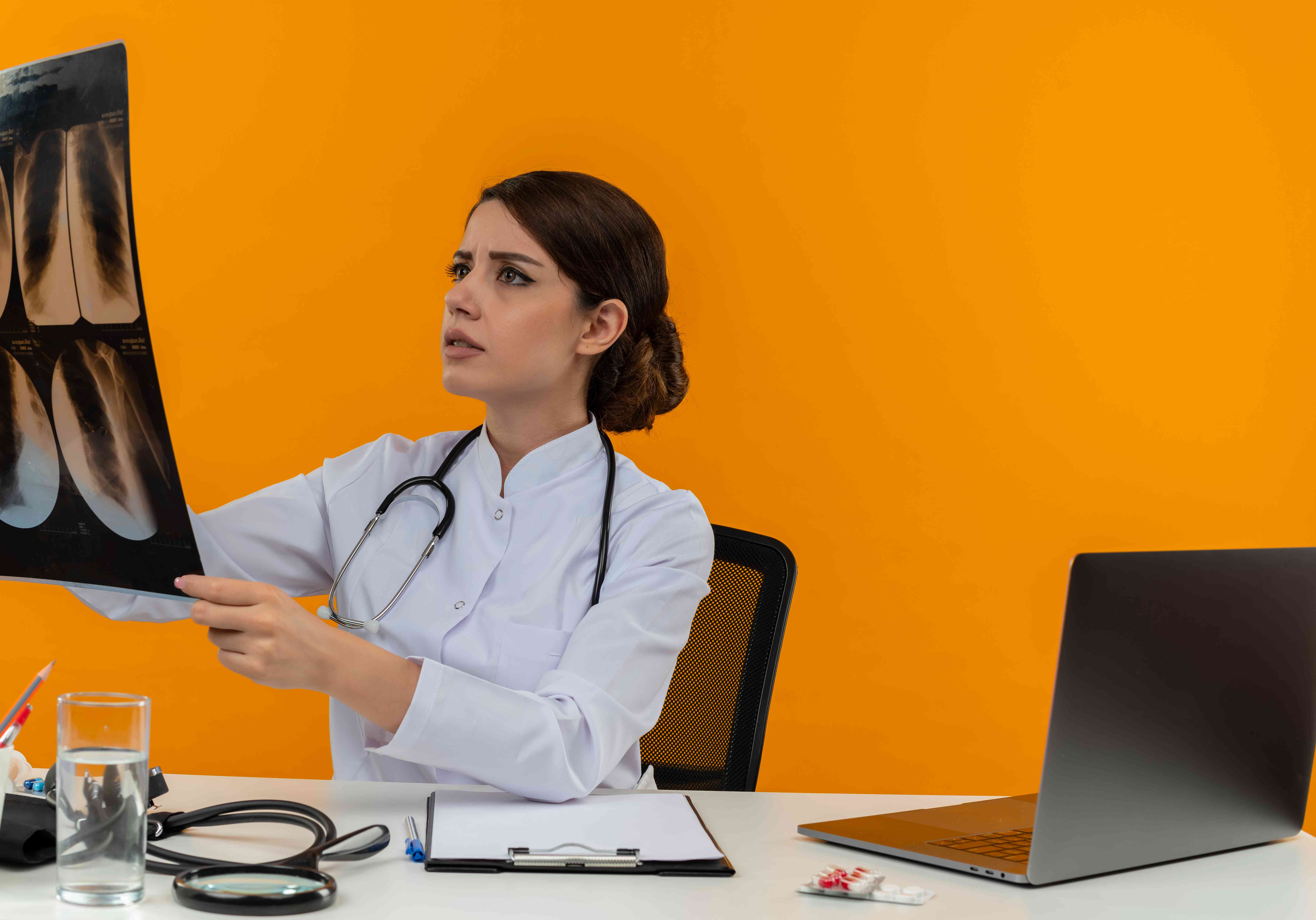
If you're over 50 or have any risk factors, your doctor may recommend a Bone Mineral Density (BMD) test using dual-energy X-ray absorptiometry (DEXA scan). This simple, painless test evaluates bone strength and predicts fracture risk.
Other tests may include:
Blood tests to measure calcium, vitamin D, and hormone levels
X-rays to identify spinal fractures
Preventing osteoporosis starts early. Here are steps every woman can take:
Calcium: Aim for 1,000-1,200 mg per day through diet or supplements
Vitamin D: Essential for calcium absorption; sunlight and supplements can help
Protein and leafy greens: Support bone structure and overall strength
Weight-bearing exercises: Walking, jogging, and dancing strengthen bones
Strength training: Builds muscle and bone mass
Balance exercises: Reduce the risk of falls, a common cause of fractures
Quit smoking
Limit alcohol to one drink per day
Get regular checkups
For women already diagnosed with osteoporosis, treatments can prevent further bone loss and reduce fracture risk:
Bisphosphonates: Most commonly prescribed medications to slow bone loss
Hormone replacement therapy (HRT): May help postmenopausal women
Selective estrogen receptor modulators (SERMs)
Calcium and vitamin D supplements
A personalized treatment plan based on your age, bone density, and risk factors is crucial.
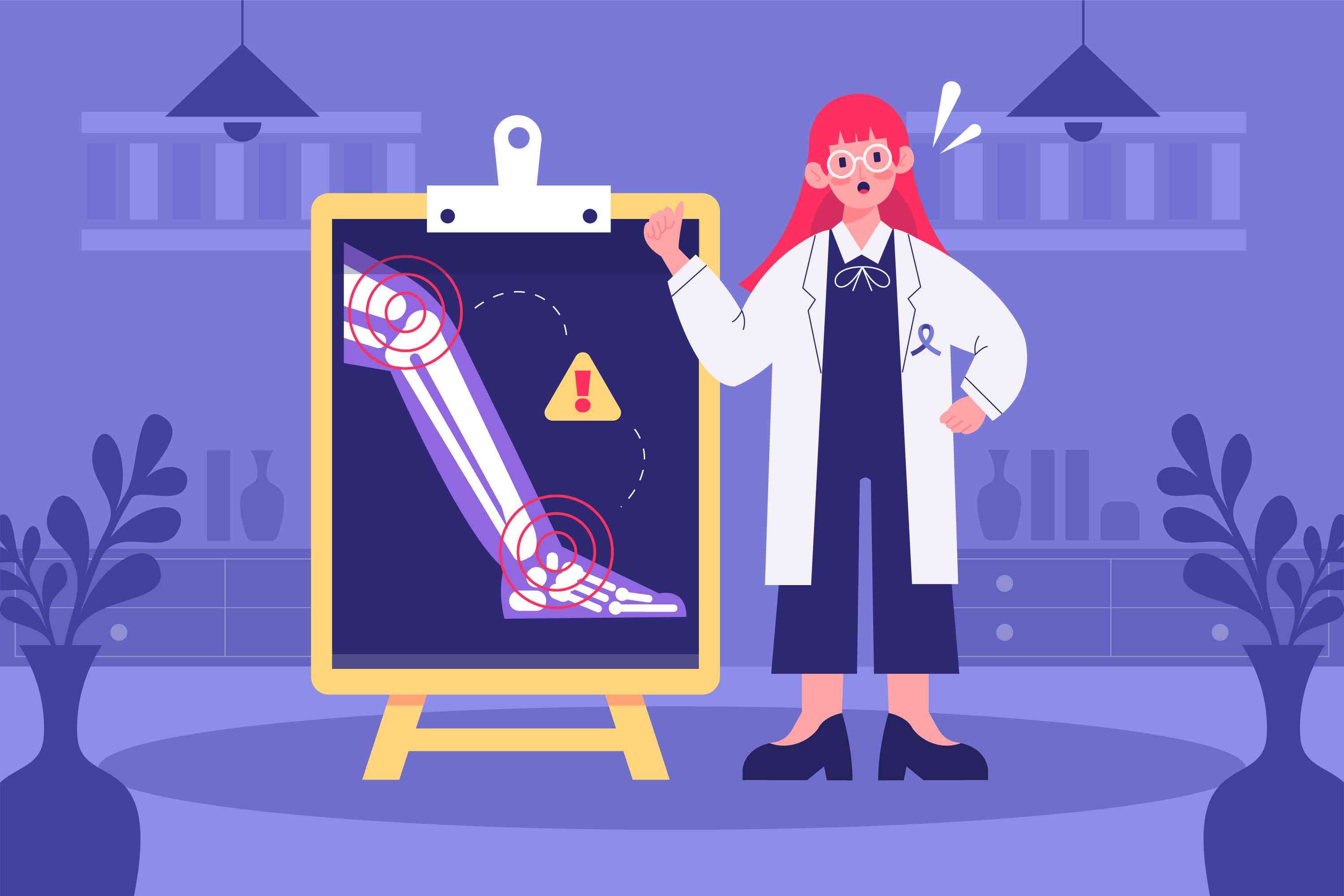
You should consult a healthcare provider if:
You've experienced a recent fracture
You notice significant height loss
You have chronic back pain without clear injury
You reach menopause early or have irregular periods
You have multiple risk factors for bone loss
Early diagnosis allows for better management and helps prevent future complications.
Osteoporosis in women is a silent yet serious health condition that often goes undiagnosed until a fracture occurs. By staying alert to subtle signs like back pain or posture changes and taking proactive steps in diet, exercise, and screenings, women can preserve bone health well into old age. If you're at risk or experiencing symptoms, consult an orthopedic specialist.
FAQs
Osteoporosis can't be completely reversed, but its progression can be slowed and bone strength improved through medications, diet, and exercise.
No. Although more common in older women, osteoporosis can begin earlier, especially in those with risk factors or certain medical conditions.
Postmenopausal women should have a DEXA scan every 2 years or as recommended by a physician, especially if they are at risk.
Yes. Symptoms like back pain, posture changes, and height loss may appear before a noticeable fracture happens.
Absolutely. Regular weight-bearing and resistance exercises are proven to maintain bone density and reduce fracture risks.
AI report:

This article covers orthopaedic concerns. These Prakash Hospital doctors in Noida treat them.

Dr. Mayank Chauhan
Consultant Orthopaedics & Joint Replacement Surgeon
Orthopaedics · Joint Replacement

Dr. Manoj Mehra
Consultant Orthopaedics Surgeon
Orthopaedic Surgeon · Joint Replacement Surgeries
Replaces only the worn part of an arthritic knee, keeping the healthy cartilage and ligaments.
Reattaches or rebuilds torn ligaments in the knee, ankle, elbow or thumb to steady an unstable joint.
Frees a trapped spinal nerve by removing slipped disc or bone, easing sciatica and leg pain.
Free tools to check your weight, plan a pregnancy, track calories and more.
We offer expert care across key specialties, including Medicine, Cardiology, Orthopaedics, ENT, Gynaecology, and more—delivering trusted treatment under one roof.
Osteoporosis symptoms, risk factors for Indian women, and how to protect bone density. Guide from Prakash Hospital Noida, Noida.
27 Aug 2026
by Prakash Hospital
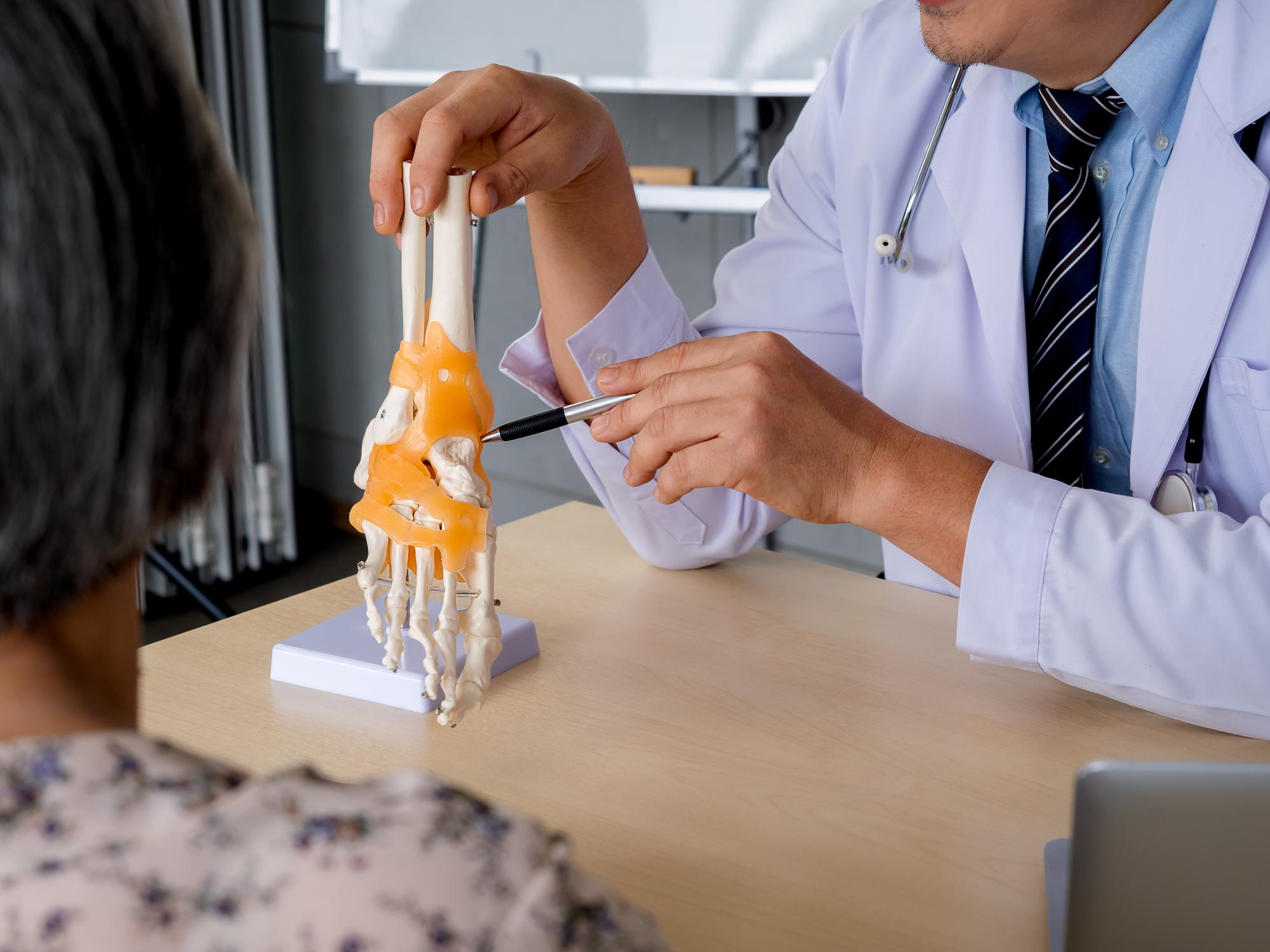
हड्डियों में सूजन के कारण, लक्षण और इलाज जानें। ऑस्टियोमाइलाइटिस, आर्थराइटिस और हड्डी के दर्द को नजरअंदाज न करें। Prakash Hospital में पाएं एडवांस ऑर्थोपेडिक उपचार।
9 Jun 2026
by Prakash Hospital
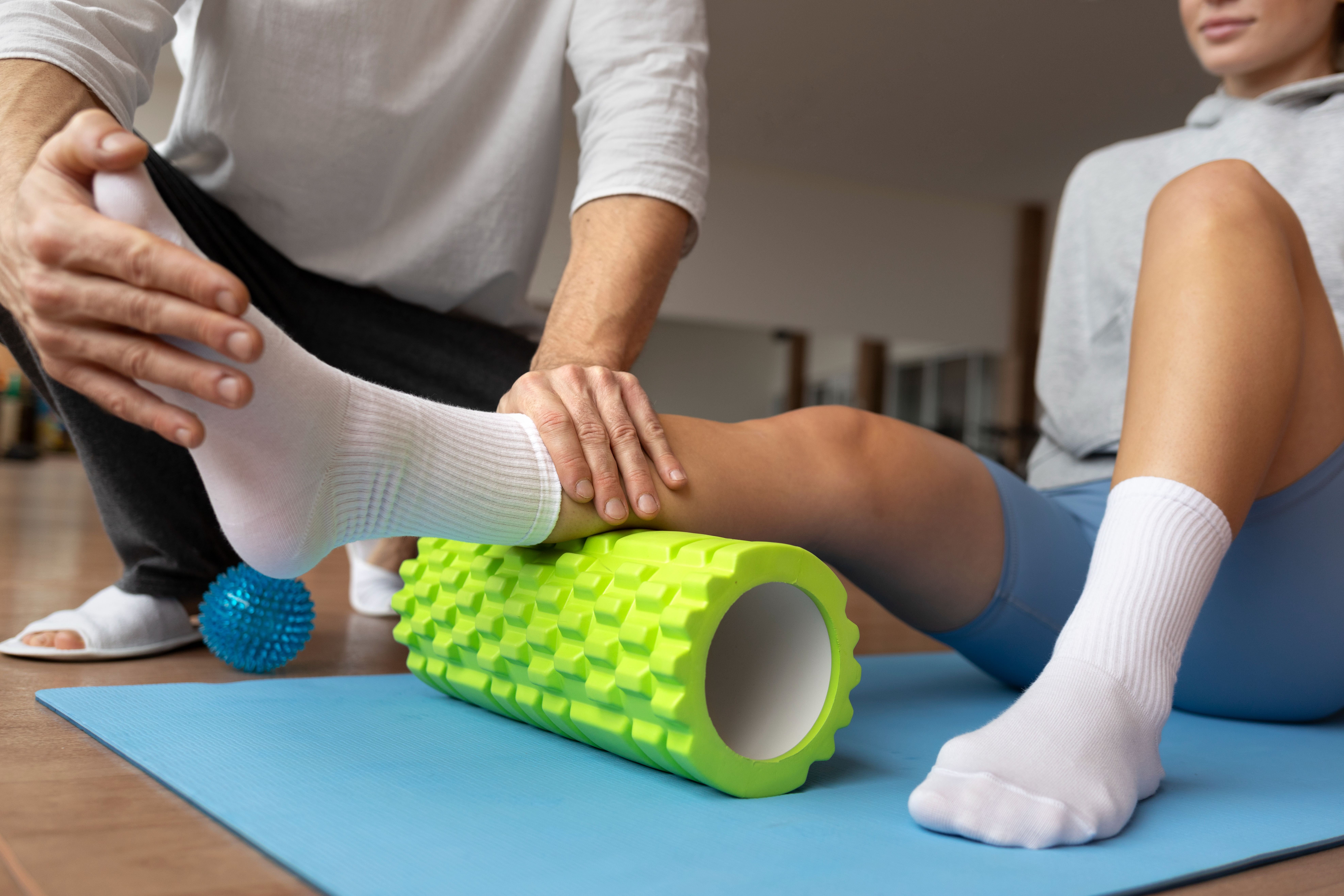
Discover expert-approved orthopedic fitness strategies with safe exercises to support your joints, reduce pain, and improve mobility. Ideal for all age groups.
25 Jun 2025
by Prakash Hospital

Vitamin D rich vegetables and fruits — what actually contains vitamin D and what is myth. Visit Prakash Hospital Noida for nutrition guidance.
30 Jun 2026
by Prakash Hospital
Vitamin D rich foods — a complete list of the best dietary sources, from fish and eggs to fortified foods and mushrooms. Visit Prakash Hospital Noida for health checkups.
21 May 2026
by Prakash Hospital

शुगर कंट्रोल कैसे रखें? जानिए डायबिटीज को नियंत्रित रखने के आसान घरेलू उपाय, सही खानपान, दिनचर्या और ज़रूरी सावधानियाँ।
13 Feb 2026
by Prakash Hospital

Calcium-rich foods — the best Indian sources for strong bones and teeth. Visit Prakash Hospital Noida for nutrition consultation and bone health.
20 Jul 2026
by Prakash Hospital

Identify warning signs of orthopedic problems early and learn when to consult a specialist for joint and bone care.
6 Jun 2025
by Prakash Hospital

Discover the best calcium-rich foods to strengthen bones, improve bone density, and support overall health with simple dietary choices.
23 Apr 2026
by Prakash Hospital


Book a consultation with Prakash Hospital's specialists — 24/7 emergency care, 100+ doctors, NABH accredited.
View All Departments