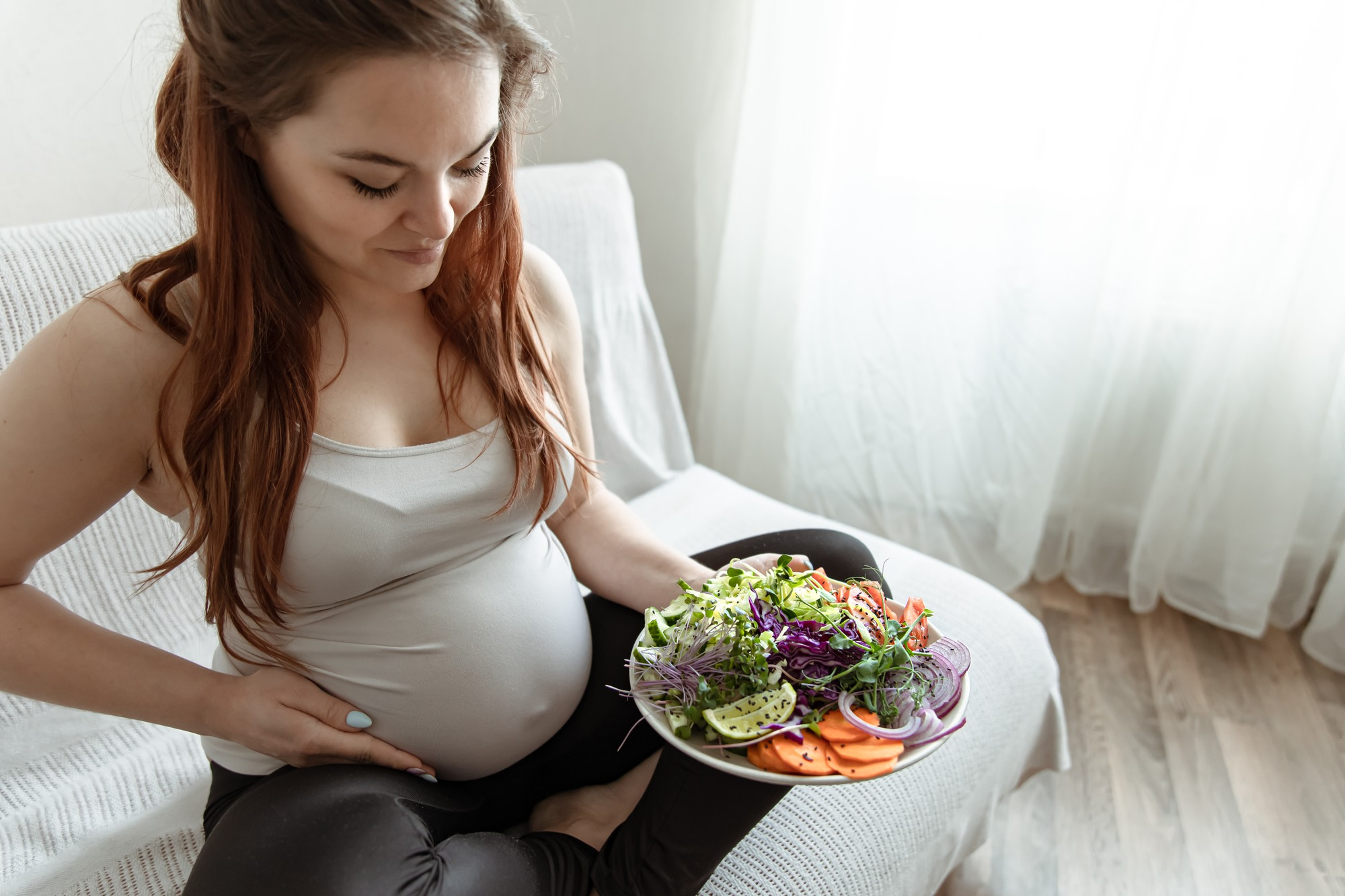
A pregnant woman seated on the couch with a nutritious food plate, representing the importance of balanced eating and proper nourishment during pregnancy.
The "eat for two" idea is misleading. Pregnant women need only about 300 extra calories a day, and even those come mostly in the second and third trimesters. What matters far more than quantity is quality: enough protein, enough iron, enough calcium, enough folate, enough of the right kinds of fats. A normal Indian diet, adjusted thoughtfully, gives you most of what you need.
This is a practical guide to eating well through pregnancy, trimester by trimester, using foods that are already in your kitchen.
Folate (folic acid) prevents neural tube defects. Most Indian doctors prescribe 5 mg supplements daily, ideally started before conception and continued through the first trimester. Food sources include green leafy vegetables, dals, beans, fortified cereals, and citrus fruits.
Iron prevents anemia, which is common in Indian pregnancies. Requirements rise from 18 mg pre-pregnancy to 27 mg during pregnancy. Sources include green leafy vegetables, jaggery, dates, dals, lean meat, and fortified cereals. Vitamin C helps absorption, so eat iron-rich foods with a citrus fruit or amla. Iron supplements are usually prescribed from the second trimester onwards.
Calcium supports the baby's bone development. 1000 mg daily is the target. Sources include milk, curd, paneer, ragi, sesame seeds, almonds, and green leafy vegetables.
Protein is needed for the baby's growth, the placenta, and increased maternal tissue. Around 71 grams a day. Sources include dals, paneer, eggs, chicken, fish, nuts, and milk.
Vitamin D supports calcium absorption and bone health. Sources include sunlight, milk products, and fortified foods. Supplements are commonly prescribed since deficiency is widespread in India.
Omega-3 fatty acids (especially DHA) support brain and eye development. Sources include walnuts, flaxseeds, chia seeds, and fish. Supplements may be prescribed.
Iodine supports baby's brain development. Iodised salt is the easiest source.
B12 matters especially for vegetarians and is commonly supplemented.
Choline supports brain development. Sources include eggs, peanuts, and milk.
This trimester is dominated by nausea, food aversions, and tiredness for many women. The focus shifts from elaborate meal planning to keeping food down and getting basic nutrition.
The baby's organs form rapidly during this period. Folic acid is the most important nutrient. Calorie needs do not increase yet.
Plain crackers and biscuits, toast, bananas, idli, plain rice, curd rice, khichdi, boiled potato, ginger tea, lemon water with honey, coconut water, fruit (especially watermelon, apples, pears), nuts.
Keep something dry like a biscuit by the bedside and eat before getting up. This works for many women.
On waking: A glass of warm water. A few soaked almonds and a biscuit before getting up if nausea is bad.
Breakfast: Idli with mild chutney, or poha, or vegetable upma. Add an egg or a glass of milk.
Mid-morning: A fruit (banana, apple, orange), a few nuts.
Lunch: Two rotis or a small portion of rice. Dal. One sabzi. Salad with lemon. Curd or buttermilk.
Evening: Whole-grain biscuits, fruit, tea (limit caffeine).
Dinner: Light. Khichdi or roti-dal-sabzi. Avoid heavy fried food at night.
Bedtime: A glass of warm milk if tolerated.
This is often the most comfortable trimester. Nausea usually settles. Energy returns. Appetite improves. The baby is growing rapidly and nutritional needs increase.
Calorie needs rise by about 340 calories a day. Protein, iron, and calcium become priorities.
On waking: Warm water with lemon. A few soaked almonds.
Breakfast: Stuffed paratha (paneer, methi, or sattu) with curd. Or oats with milk and fruit. Add an egg if comfortable.
Mid-morning: Fresh fruit, walnuts, or roasted chana with milk.
Lunch: Two to three rotis. Dal. Sabzi. Salad. Curd or chaas. A piece of jaggery.
Evening: Whole-grain biscuit, fruit, herbal tea, or buttermilk.
Dinner: Light but balanced. Roti with sabzi and dal. Or khichdi with curd. Vegetable.
Bedtime: Warm milk with a few strands of saffron and a pinch of turmeric.
The baby grows rapidly in this trimester, gaining roughly half a kilo a week towards the end. Nutritional needs stay high but the stomach has less room because of the growing uterus.
Smaller, more frequent meals work better. Heartburn and constipation often become bigger concerns. Iron, calcium, and protein still matter.
On waking: A glass of warm water. Soaked almonds and dates.
Breakfast: Stuffed paratha or upma or poha, with curd or milk. An egg if comfortable.
Mid-morning: Fruit, nuts, and seeds. Coconut water.
Lunch: Smaller portion than before. Roti or rice with dal, sabzi, salad, curd. Eat slowly.
Afternoon snack: Whole-grain biscuits, fruit, or buttermilk.
Pre-dinner: A small fruit or roasted chana.
Dinner: Light. Khichdi or roti with light sabzi. Eat at least two hours before bed.
Bedtime: Warm milk if tolerated.
These are foods that punch above their weight nutritionally:
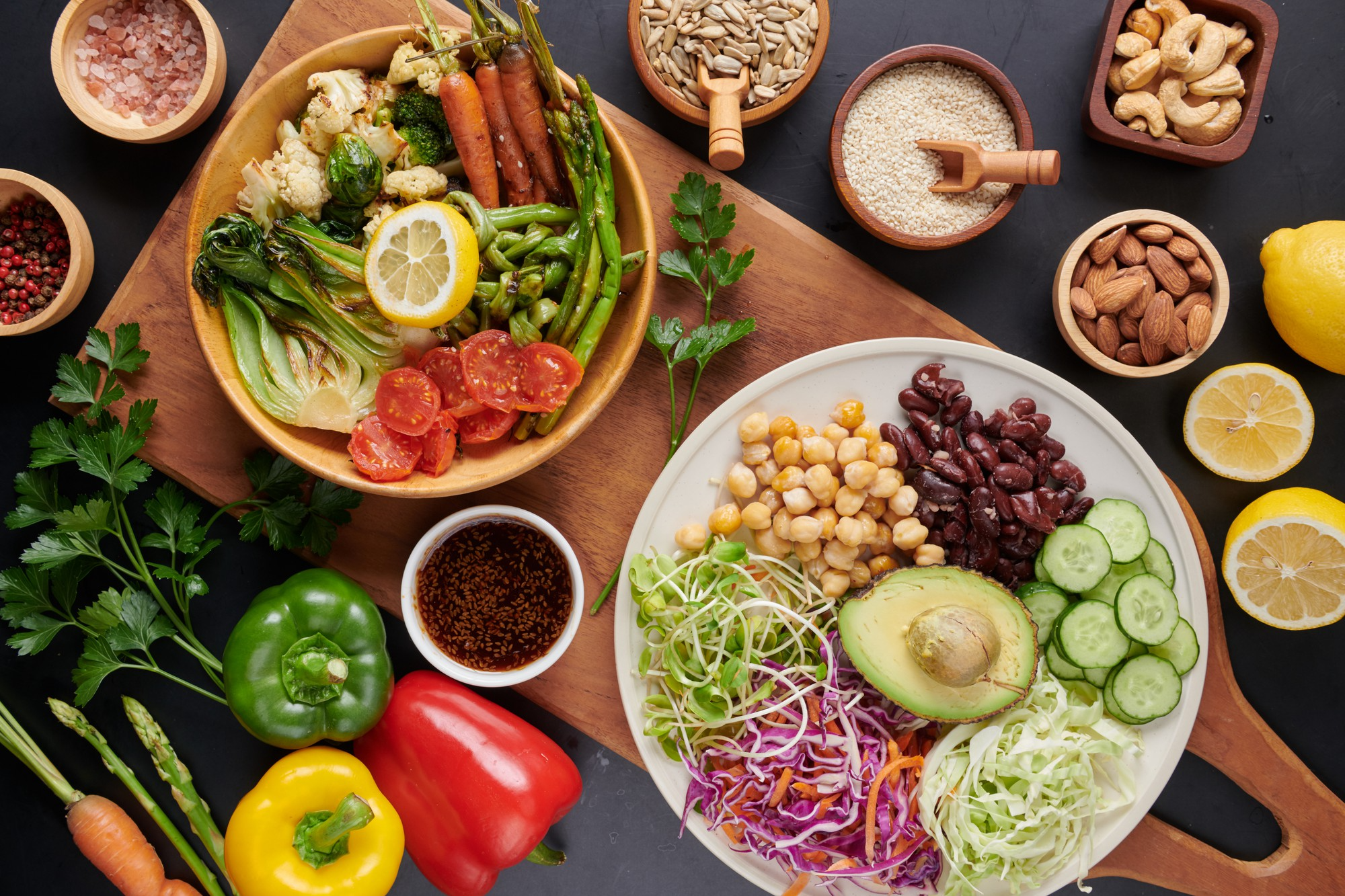
A colourful assortment of healthy foods ideal for pregnancy, including fresh fruits, vegetables, whole grains, dairy and protein-rich options, highlighting balanced nutrition for maternal health.
Unsafe foods:
Foods often debated:
Better avoided in general:
Can I drink tea and coffee? Yes, in moderation. Stay under 200 mg caffeine per day. Avoid right after meals because it reduces iron absorption.
Can I be vegetarian during pregnancy? Yes. A well-planned vegetarian diet provides all needed nutrients. Pay extra attention to protein, B12, iron, and omega-3. Supplements help cover gaps.
Should I eat more sweets because the baby wants them? Cravings are normal but excess sugar contributes to gestational diabetes. Keep sweets occasional.
Can I fast during religious festivals? Generally not recommended. Talk to your doctor first. Short partial fasts may be okay; long or strict fasts can affect blood sugar and hydration.
Is ghee good during pregnancy? Moderate amounts of ghee are fine and traditionally considered beneficial. Excessive amounts add unnecessary calories.
Can I eat ice cream? In moderation, from reliable sources. Pasteurised and properly stored.
Will eating saffron make my baby fair? No scientific evidence supports this. Skin colour is genetic.
Should I avoid all sour foods? No. Citrus and tamarind in normal cooking amounts are fine and even helpful for iron absorption.
Aim for 8 to 10 glasses of water a day, more in hot weather. Plus other fluids:
Avoid sugary drinks and packaged juices in large quantities.
Nausea: Small frequent meals, dry crackers, ginger, lemon, peppermint, avoiding trigger smells.
Constipation: Adequate water, fibre from fruits and vegetables, whole grains, isabgol if needed.
Heartburn: Smaller meals, avoid lying down after eating, avoid spicy and fried foods, sleep with head elevated.
Leg cramps: Calcium and magnesium-rich foods, hydration, gentle stretching.
Anemia: Iron-rich foods with vitamin C, prescribed iron supplements, jaggery, dates.
Gestational diabetes: Smaller portions, complex carbohydrates, regular meals, less sugar and refined carbs, regular monitoring.
At Prakash Hospital Noida, our gynecologists and nutritionists provide pregnancy nutrition counselling alongside complete antenatal care. Personalised diet plans for women with gestational diabetes, anemia, or other specific needs are part of our maternity services.
Whether you live in Sector 18, Sector 62, Greater Noida West, or anywhere nearby, Prakash Hospital Noida is a trusted name for maternity care and pregnancy nutrition guidance in Noida.
Pregnancy diet does not require fancy ingredients. A normal Indian diet with attention to protein, iron, calcium, folate, and adequate hydration covers most needs.
Take prescribed supplements (folic acid, iron, calcium, vitamin D, B12 as advised). Eat small frequent meals. Adjust portion sizes by trimester. Avoid unsafe foods. Drink plenty of water.
For specific issues like gestational diabetes, anemia, severe nausea, or other complications, work with your gynecologist and a nutritionist for a personalised plan.
The food you eat through these nine months supports two lives. Choose well, eat well, and enjoy the process.
 Copy
CopyWe offer expert care across key specialties, including Medicine, Cardiology, Orthopaedics, ENT, Gynaecology, and more—delivering trusted treatment under one roof.


Book a consultation with Prakash Hospital's specialists — 24/7 emergency care, 100+ doctors, NABH accredited.

Prakash Hospital Pvt. Ltd. is a 100 bedded NABH NABL accredited multispecialty hospital along with a center of trauma and orthopedics. We are in the service of society since 2001.
OUR SPECIALITIES
Patient Services
PROCEDURES
Contact Us
D – 12A, 12B, Sector-33, G. B. Nagar, Noida, Uttar Pradesh 201301
+91-8826000033


© 2026 All rights reserved.
Designed and Developed by Zarle Infotech