



Vitamin D Deficiency Explained: Causes, Symptoms and Solutions
Learn symptoms, risks, and treatment options for vitamin D deficiency with expert guidance from Prakash Hospital.
12 Nov 2025
by Prakash Hospital
by Prakash Hospital

Aging is a natural process that brings changes in the body, and the brain is no exception. Many people notice that as they grow older, it takes a bit longer to recall names or process new information. But at what point does forgetfulness go beyond normal aging and become a sign of something more concerning, like cognitive decline or even dementia?
This blog dives deep into the fine line between normal age-related changes in cognition and early symptoms of cognitive impairment. Recognizing the difference can lead to early diagnosis, proper treatment, and a better quality of life.
As we age, some degree of cognitive slowdown is expected. These changes are typically subtle and don’t interfere significantly with day-to-day life. Common characteristics of normal aging include:
The key factor here is that these lapses are infrequent, don’t worsen quickly, and aren’t disruptive to one’s independence or functional abilities.
Cognitive decline refers to noticeable and persistent impairment in mental abilities, including memory, thinking, and decision-making. It ranges from mild cognitive impairment (MCI) to more serious conditions like dementia or Alzheimer’s disease.
While MCI might not significantly impact daily function, it increases the risk of developing dementia later on. Dementia, on the other hand, causes severe disruption to independence and quality of life.

It’s important to understand that cognitive decline isn’t part of normal aging. If memory issues or other cognitive symptoms interfere with social or professional life, it’s time to consult a healthcare provider.
Seek medical advice if you or a loved one experiences:
Cognitive decline may stem from a variety of medical conditions, not just dementia. Some causes are reversible, such as:
More serious and irreversible causes include:
Identifying the cause early makes a significant difference in managing symptoms and slowing progression.
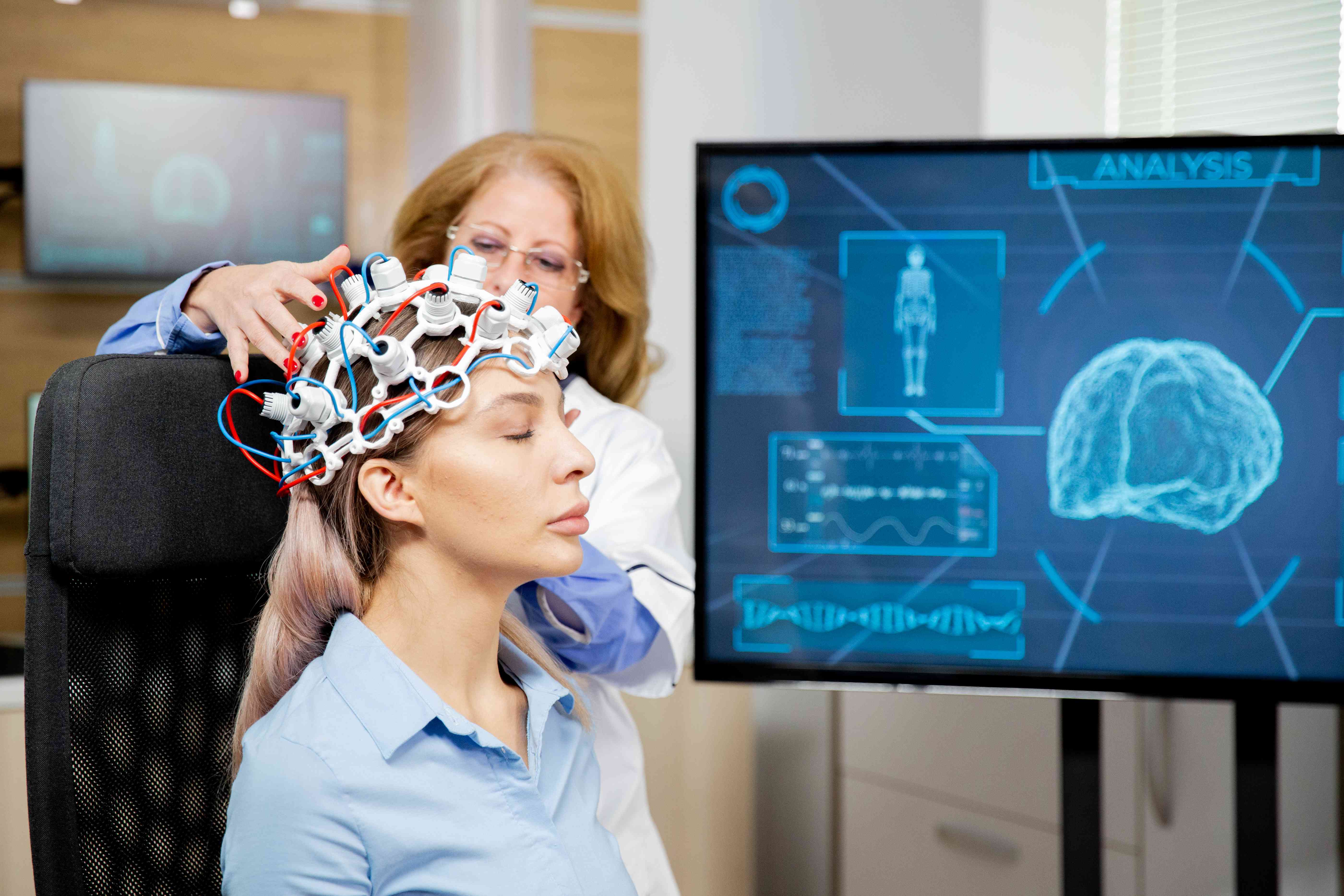
Healthcare providers use a combination of cognitive tests, brain imaging, and blood work to evaluate memory and thinking abilities. Common tests include:
In some cases, a neurologist or geriatric psychiatrist may be involved for further evaluation.
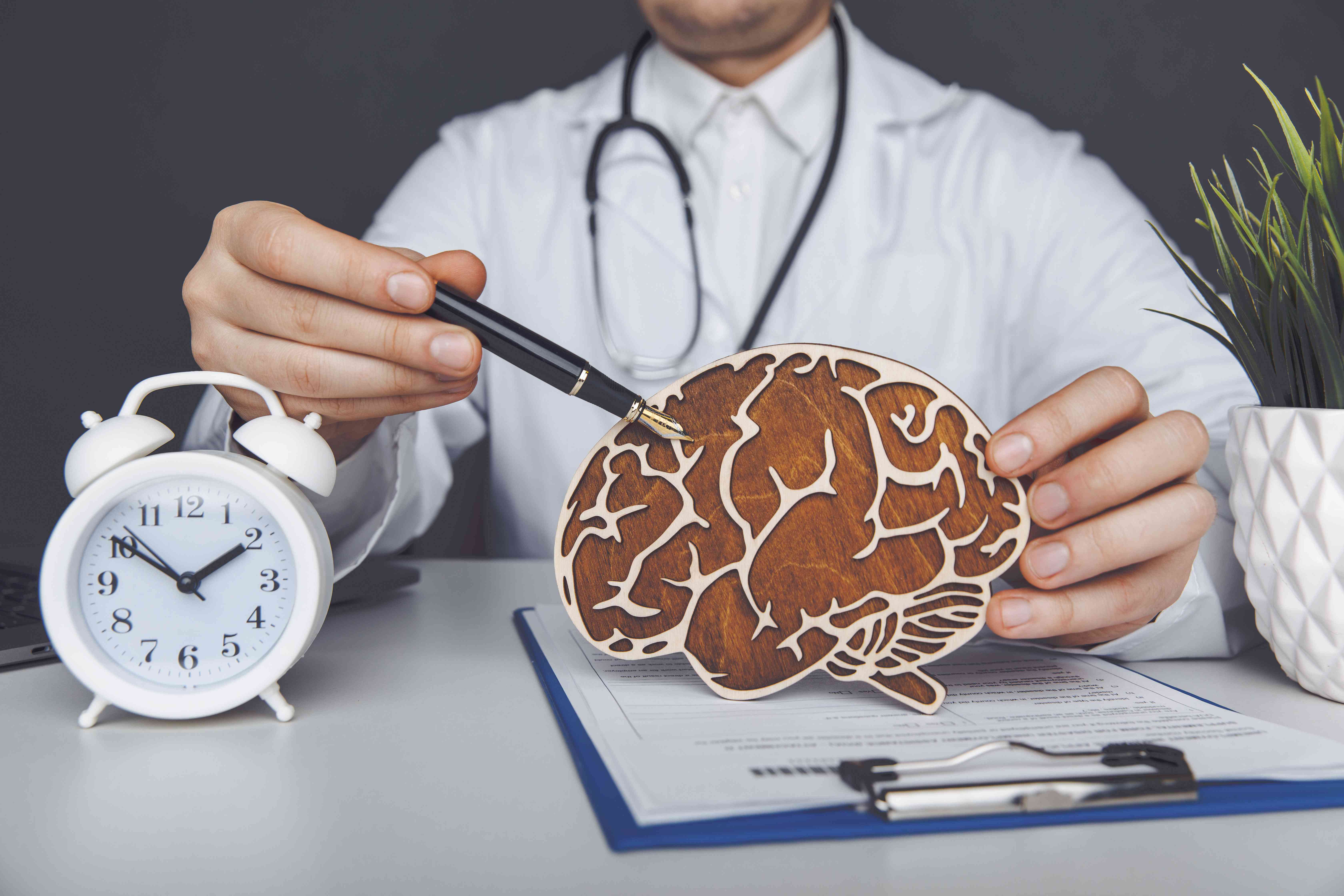
While some cognitive conditions are irreversible, lifestyle changes and medical treatments can slow progression and improve quality of life.
If a family member is showing signs of cognitive impairment, early intervention can make all the difference. Here’s how you can support them:
Differentiating between normal aging and cognitive decline can be challenging, but it’s essential for early detection and effective care. Mild forgetfulness is often a normal part of aging, but when memory loss starts interfering with daily life, it may signal a deeper problem.
By staying informed and proactive, you can support brain health for yourself or your loved ones and make choices that promote a high quality of life throughout the aging journey.
Yes, occasional forgetfulness is normal with age. However, frequent memory issues affecting daily life should be evaluated by a doctor.
Subtle changes may begin around age 60, but serious decline is not typical and may suggest a medical condition like MCI or dementia.
If caused by reversible factors like vitamin deficiencies or medication side effects, it may be reversed. However, degenerative conditions like Alzheimer’s are progressive but manageable.
Through cognitive tests (MMSE, MoCA), blood work, and brain imaging to identify underlying causes and rule out treatable conditions.
Absolutely. A healthy lifestyle, including physical activity, mental engagement, and a balanced diet, can significantly delay or reduce the risk of cognitive decline.

Removes enlarged adenoids that block a child's nose, disturb sleep or keep causing ear infections.
Collects spinal fluid from the lower back to diagnose meningitis, bleeding around the brain and nerve inflammation.
Gentle exfoliation that removes dead surface skin to brighten dull skin and soften light marks, with no downtime.
Free tools to check your weight, plan a pregnancy, track calories and more.
We offer expert care across key specialties, including Medicine, Cardiology, Orthopaedics, ENT, Gynaecology, and more—delivering trusted treatment under one roof.
Learn symptoms, risks, and treatment options for vitamin D deficiency with expert guidance from Prakash Hospital.
12 Nov 2025
by Prakash Hospital

Discover practical lifestyle tips to help manage thyroid problems and improve daily well-being with guidance from Prakash Hospital.
15 Aug 2025
by Prakash Hospital

Does dandruff cause hair fall? The link between scalp inflammation and hair loss — and how to treat both. Prakash Hospital Noida.
7 Sept 2026
by Prakash Hospital

Calculate eGFR from creatinine with the CKD-EPI 2021 formula, see worked examples for men and women, and understand the five CKD stages and urine ACR results.
29 Oct 2026
by Prakash Hospital

Read your urine routine and microscopy report: colour, pH, protein, glucose, pus cells, RBCs and casts, with normal values and what abnormal results suggest.
9 Oct 2026
by Prakash Hospital

Male infertility causes, from varicocele to heat and smoking, the semen analysis, and what helps — a practical guide for Indian men. Prakash Hospital Noida.
7 Oct 2026
by Prakash Hospital


Book a consultation with Prakash Hospital's specialists — 24/7 emergency care, 100+ doctors, NABH accredited.
View All Departments