


IBS Symptoms: What Is Irritable Bowel Syndrome and How to Manage It
IBS symptoms, causes, triggers, and management. What is irritable bowel syndrome and how to live with it. Prakash Hospital Noida.
15 Sept 2026
by Prakash Hospital
by Prakash Hospital
Each year on April 19, World IBS Day reminds us of an invisible condition that disrupts daily lives but often goes unnoticed. Irritable Bowel Syndrome (IBS) affects up to 15% of the global population. Yet, many people still face delays in diagnosis and uncertainty in treatment. World IBS Day 2025 encourages action—through awareness, accurate diagnosis, and practical support.
Let’s explore what IBS is, why this day matters, and what steps can improve life for those living with this condition.
A vibrant World IBS Day 2025 poster promoting awareness about Irritable Bowel Syndrome and gut health.
World IBS Day 2025 is an opportunity to spotlight a misunderstood condition. The day promotes early recognition, encourages open conversations, and reduces stigma. This year’s theme—“Are You the Best You Can Be?”—shifts the focus to self-awareness, self-care, and meaningful change in how IBS is managed.
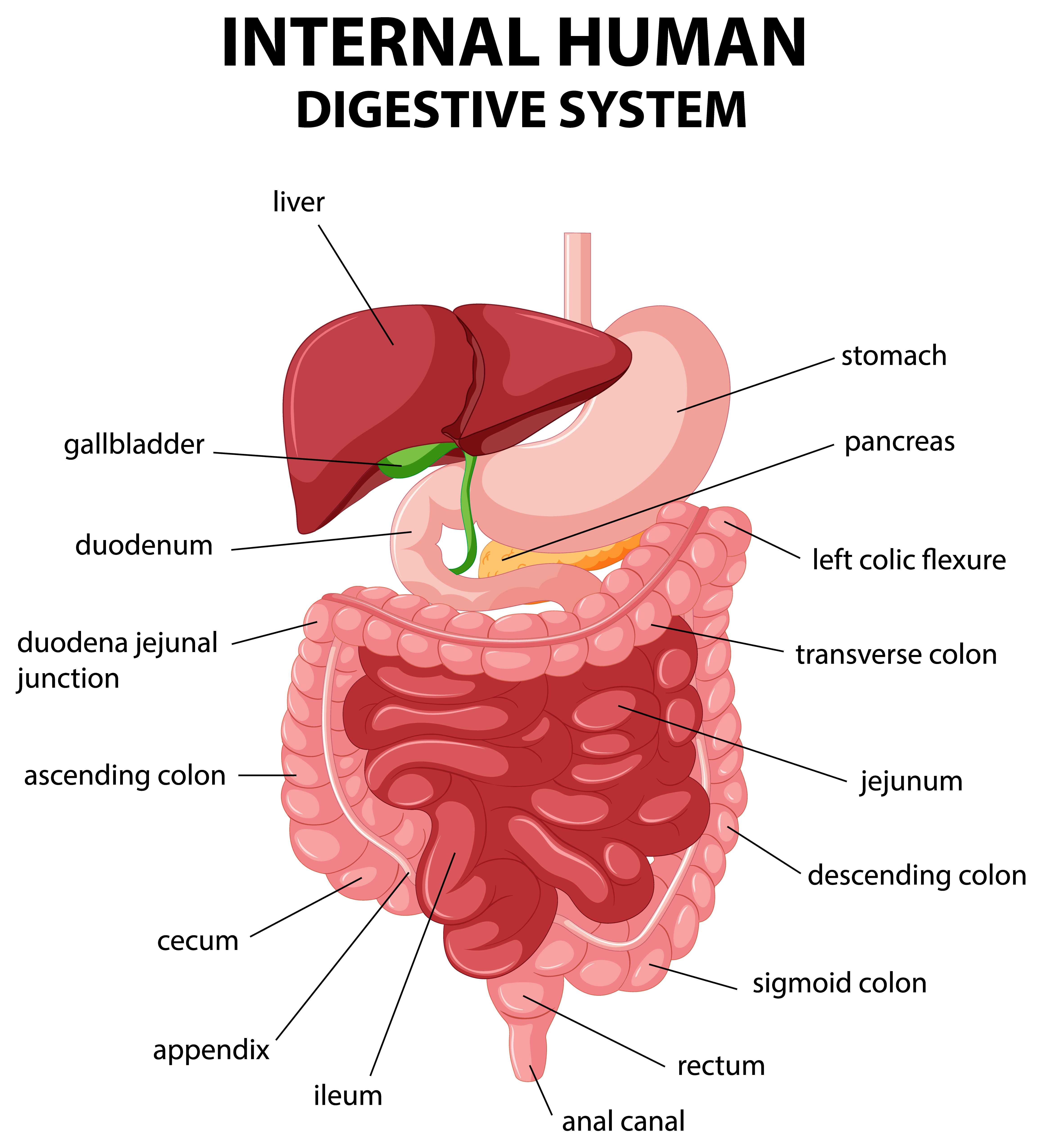
IBS is a chronic gastrointestinal condition that affects how the large intestine functions. While it doesn’t damage the digestive tract, it causes ongoing discomfort and unpredictable symptoms. These include:
People with IBS may also experience fatigue, poor sleep, and mental health challenges due to the stress of unpredictable flare-ups.
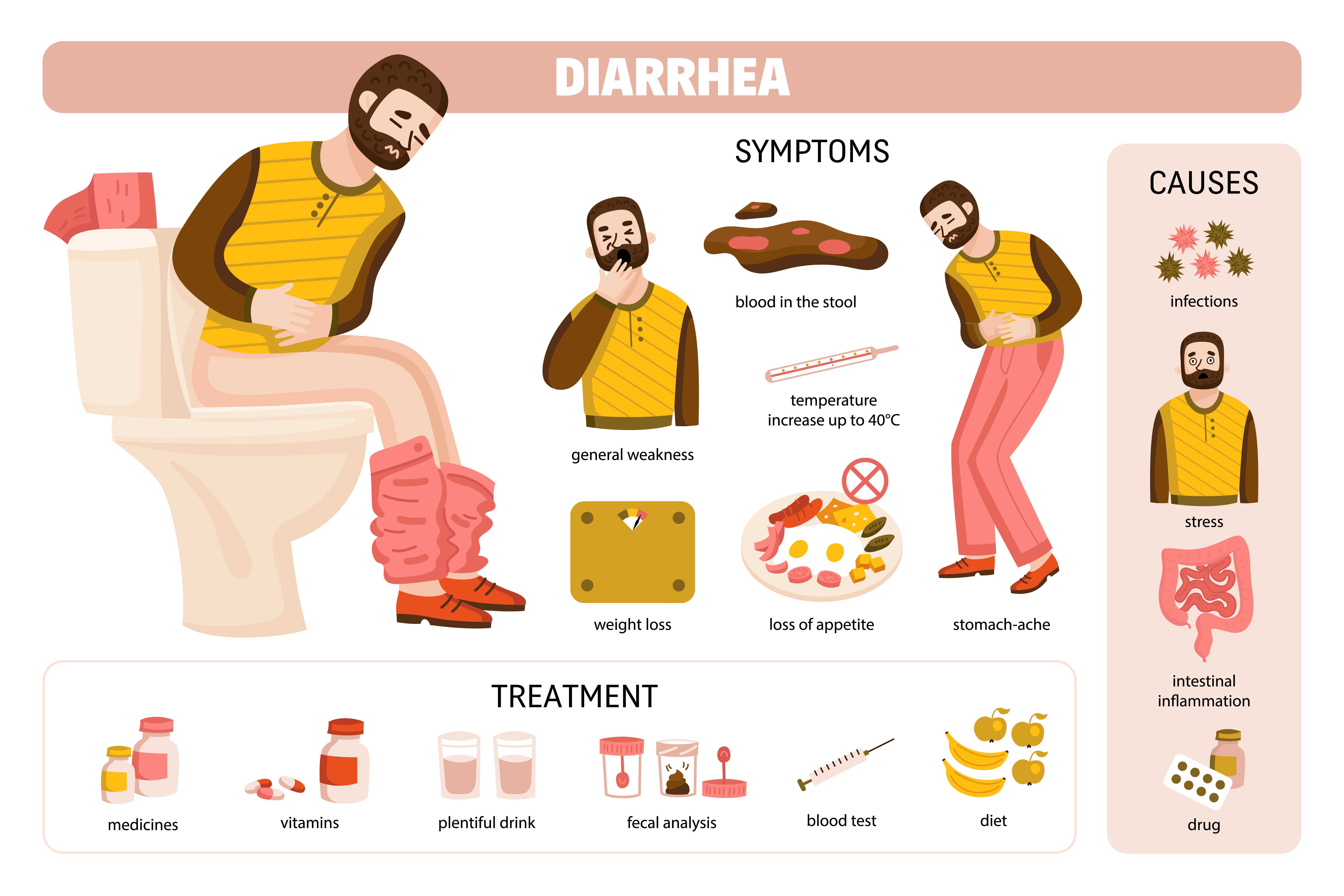
A symptom chart explaining how IBS presents differently across individuals.
There is no single known cause of IBS. Instead, it’s influenced by several interrelated factors:
Identifying personal triggers is essential, as IBS affects people differently.
IBS symptoms fall into different patterns:
Understanding the subtype helps guide dietary and medical management.

Using meditation and breathing exercises to manage stress-related IBS symptoms.
IBS is typically diagnosed based on clinical symptoms using criteria such as the Rome IV guidelines. However, doctors must also rule out other conditions like:
Because no single test confirms IBS, diagnosis often involves blood tests, stool tests, and sometimes imaging or endoscopy.
Treatment for IBS focuses on symptom relief and improving quality of life. There’s no universal solution, but a combination of strategies often brings relief.
1. Dietary Changes
2. Lifestyle Adjustments
3. Stress Management
4. Medication and Probiotics
Always consult a medical professional before starting any new treatment plan.
Despite progress, several hurdles remain:
These realities make awareness campaigns like World IBS Day 2025 crucial in promoting empathy and education.
Here’s how to get involved this year:
IBS may not have a cure, but effective management is possible. With growing awareness, better resources, and medical support, individuals can lead fulfilling lives.
This World IBS Day 2025, take the first step toward knowledge, support, and change. If you or someone you know is experiencing symptoms, expert care is available. Max Hospital’s gastroenterology specialists can guide you through personalized treatment plans for IBS.

This article covers gastroenterology concerns. These Prakash Hospital doctors in Noida treat them.

Dr. Syed Uzair Yawar
Consultant Gastroenterologist
Gastroenterologist · Hepatologist · Therapeutic Endoscopist

Dr. Rohit Singh
Consultant GI/HPB surgery
GI/HPB Surgery · Liver Transplant · Gastrointestinal Surgery
A camera test of the large bowel that investigates bleeding or bowel changes and removes polyps early.
A swallowed pill camera that photographs the small intestine to find hidden bleeding or Crohn's disease.
A thin needle sample of liver tissue to diagnose liver disease and measure scarring when other tests can't.
Free tools to check your weight, plan a pregnancy, track calories and more.
We offer expert care across key specialties, including Medicine, Cardiology, Orthopaedics, ENT, Gynaecology, and more—delivering trusted treatment under one roof.
IBS symptoms, causes, triggers, and management. What is irritable bowel syndrome and how to live with it. Prakash Hospital Noida.
15 Sept 2026
by Prakash Hospital

Detailed guide on gut health, gut microbiome imbalance, symptoms of poor gut health and scientifically proven ways to improve digestive health.
19 Feb 2026
by Prakash Hospital

Improve gut health naturally with diet, probiotics, and lifestyle tips guided by experts at Prakash Hospital.
7 Nov 2025
by Prakash Hospital

महिलाओं में आयरन की कमी के लक्षण, कारण, जांच और सही इलाज के बारे में जानें। विशेषज्ञ सलाह के लिए Prakash Hospital से संपर्क करें।
23 Feb 2026
by Prakash Hospital

Understand the importance of a balanced diet, its key benefits, essential nutrients, and how healthy eating supports overall well-being.
22 Jan 2026
by Prakash Hospital

Vitamin D rich vegetables और fruits की पूरी list — कौन से शाकाहारी foods विटामिन डी देते हैं। नोएडा में health checkup के लिए Prakash Hospital।
17 Jun 2026
by Prakash Hospital

Stomach infection symptoms — gastroenteritis, H. pylori, amoeba and more. What to do at home and when to see a doctor. Prakash Hospital Noida.
21 Aug 2026
by Prakash Hospital

Liver cirrhosis — understand symptoms, causes, stages, and treatment options. Visit Prakash Hospital Noida for liver health care and consultation.
2 Jun 2026
by Prakash Hospital

Fatty liver diet guide — what to eat, what to avoid, and lifestyle changes that actually reduce liver fat. Prakash Hospital Noida.
20 Sept 2026
by Prakash Hospital


Book a consultation with Prakash Hospital's specialists — 24/7 emergency care, 100+ doctors, NABH accredited.
View All Departments