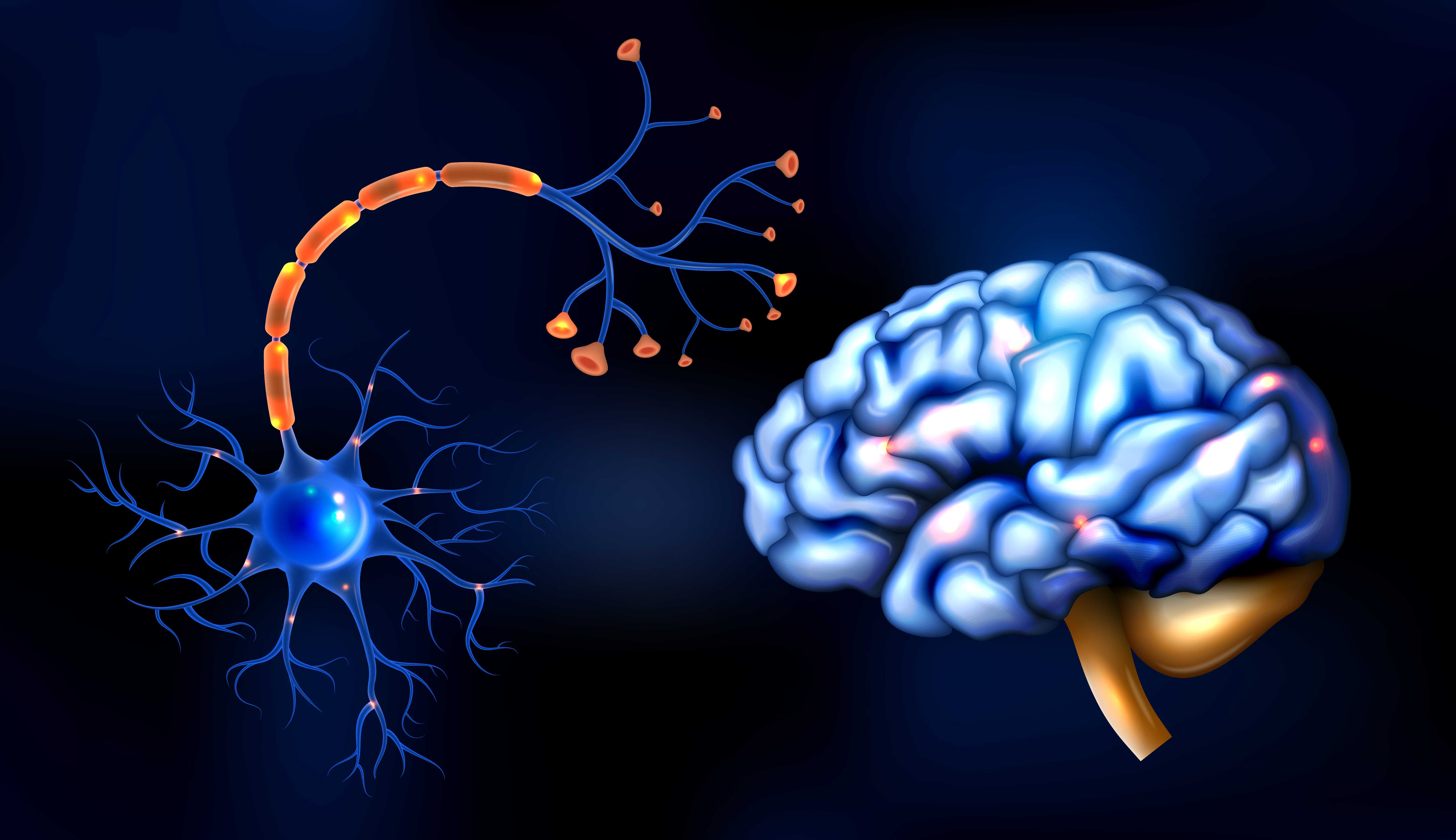
Poor concentration has many causes, and ADHD is only one of them.
Focus and concentration are close cousins, and most people use the words interchangeably. In psychology, attention is the umbrella term. Focus is the act of pointing your attention at something. Concentration is the ability to keep it there. Trouble with either is very common and has many causes, from bad sleep to anxiety to thyroid disease. ADHD is only one of them, and it is diagnosed on a specific pattern: symptoms that began in childhood, show up in more than one setting and are serious enough to disrupt daily life.
If you've been wondering whether your wandering mind is normal or something more, this guide separates the terms, shows what each type of attention does, lists the other causes doctors check first and explains what a real ADHD assessment involves.
Attention, focus, concentration: the vocabulary
| Term | What it means | Everyday example |
|---|---|---|
| Attention | The general ability to direct mental effort toward something | Noticing a call coming in |
| Focus | Choosing one thing and tuning out others | Reading a report while the TV plays |
| Concentration | Sustaining that focus over time against distraction | Finishing a 40-minute chapter without drifting |
| Working memory | Holding information in mind while you use it | Remembering a phone number while dialling |
| Executive function | The planning, switching and self-control system that runs it all | Starting a task you don't feel like starting |
Some people use "focus" for the quick snap and "concentration" for the sustained effort. The difference is not strictly defined, so it's more useful to look at the type of attention that is struggling.
The four types of attention
Sustained attention. Staying on one task for a long time, like studying, driving a long stretch or watching a lecture.
Selective attention. Filtering out noise to zero in on one thing, like following a conversation at a wedding.
Alternating attention. Switching between tasks, like moving from email to a spreadsheet and back.
Divided attention. Trying to do two things at once, such as talking on the phone while cooking. People are far worse at this than they believe, and what feels like multitasking is mostly rapid switching with a cost each time.
When you say "I can't concentrate", ask which of these is failing. Sustained attention problems point toward sleep, mood and health. Selective attention problems often relate to noise, anxiety or notifications. Trouble with alternating attention can come with stress, overload or neurodevelopmental conditions.
Normal lapses of attention
Everyone's mind wanders. Studies using thought sampling suggest people spend a considerable part of their waking hours thinking about something other than the task in hand. Attention also fluctuates through the day, dips after meals and late at night, and drops sharply with sleep loss.
A lapse becomes a concern when it is persistent, widespread (home, work and relationships) and different from how you used to be.
What ADHD actually is
Attention-deficit/hyperactivity disorder is a neurodevelopmental condition. It isn't a lack of willpower, and it's not caused by too much screen time or bad parenting. The diagnostic criteria in the DSM-5 describe two symptom groups:
Inattention: careless mistakes, difficulty keeping attention in tasks or conversations, seeming not to listen, not finishing tasks, poor organisation, avoiding tasks that need sustained effort, losing things, being easily distracted, forgetfulness in daily activities.
Hyperactivity and impulsivity: fidgeting, leaving a seat, restlessness, difficulty with quiet activities, talking excessively, blurting out, difficulty waiting, interrupting.
To meet the criteria, a person needs:
Enough symptoms. Six or more in a group for children, five or more for people aged 17 and over.
Onset in childhood. Several symptoms present before age 12.
More than one setting. For example, at home and at work or school.
Real impairment. The symptoms clearly interfere with work, study or relationships.
No better explanation. They are not fully accounted for by another condition.
Duration. Present for at least six months.
Adult ADHD affects an estimated 2 to 4 percent of adults worldwide in most studies. In adults, the hyperactive part often changes into inner restlessness, while inattention, disorganisation and poor time management remain. Many adults, especially women, were missed in childhood because they were quiet and daydreamy rather than disruptive.
Focus problems that are not ADHD
A doctor would look for these before, or alongside, thinking about ADHD.
Sleep
Short or broken sleep is the most common cause. Even a couple of nights of five or six hours can reduce attention noticeably. Sleep apnoea (loud snoring, choking at night, daytime sleepiness) is under-diagnosed in India and a classic cause of poor concentration.
Anxiety and depression
Both consume mental bandwidth. Constant worry crowds out the task at hand. Depression slows thinking and drains motivation. Poor concentration is on the standard symptom lists for both.
Thyroid problems
An underactive thyroid causes mental fog, slowness and fatigue. An overactive thyroid causes restlessness and difficulty focusing. A simple TSH test checks both.
Anaemia, vitamin B12 and vitamin D deficiency
Common in Indian adults, especially vegetarians and women. Iron deficiency and low B12 can cause fatigue, poor concentration and low mood.
Diabetes and blood sugar swings
Both high and low glucose reduce clarity.
Medicines
Some antihistamines, sleeping tablets, anti-seizure medicines and others cause drowsiness or fog. Do not stop a prescribed medicine without advice.
Alcohol, nicotine, caffeine and cannabis
Alcohol harms sleep and attention. Too much caffeine can raise anxiety and fragment sleep, and withdrawal causes headaches and fog.
Hormonal changes
Perimenopause, pregnancy, postpartum changes and low testosterone are all linked to concentration difficulty.
Screens and information overload
Heavy use of social media and constant notifications train the brain to expect a new hit every few seconds. This weakens sustained attention but doesn't create ADHD. Studies suggest that reducing interruptions improves focus within weeks.
Chronic illness, pain and long COVID
All of them divert mental energy, and "brain fog" after infection is well described.
Learning difficulties and autism
Dyslexia and other learning differences can look like inattention, and autism can include attention differences. A specialist can tell them apart.
Burnout
Prolonged job stress produces a pattern of exhaustion, cynicism and poor concentration that is often mistaken for ADHD.
How to tell the difference: a comparison
| Question | Points toward ADHD | Points toward another cause |
|---|---|---|
| When did it start? | Since childhood | Recently, after a life change or illness |
| Where does it show? | Home, work, social life, all the time | Mainly in one setting or period |
| What happens during interesting tasks? | Often can hyperfocus on high-interest activities, but struggles with routine ones | Focus returns when stress or illness settles |
| Sleep and mood | May be normal | Often disturbed |
| Family history | Often a parent or sibling | Not specific |
| Response to rest and treating the cause | Little change | Improves |
None of these is decisive on its own. Only a clinical assessment can sort it out.
A quick self-check
The World Health Organization's Adult ADHD Self-Report Scale screener (ASRS v1.1) is a six-question screening tool. It asks how often in the past six months you've had trouble wrapping up final details, organising tasks, remembering appointments, avoiding or delaying tasks that need thought, fidgeting when seated for a long time, and feeling overly active. A high score doesn't diagnose ADHD but suggests it's worth a proper assessment. Bring the results to a doctor, not to a decision.
What an ADHD assessment involves
A detailed history including childhood school reports, behaviour and family history. A parent or sibling's account is often asked for.
Structured questionnaires and interviews with a psychiatrist or a clinical psychologist.
Medical review with blood tests such as a blood count, ferritin, B12, vitamin D and TSH, and a check for sleep disorders, depression and anxiety.
Review of substances and medicines.
Sometimes psychological testing.
The diagnosis is clinical. No blood test or brain scan can diagnose ADHD on its own.
What treatment looks like
Treatment is individual and decided with a specialist. It can include education about the condition, behavioural strategies and coaching, skills such as time management, changes to work and study set-up, treatment of coexisting anxiety or depression, and, for some people, medication prescribed and monitored by a psychiatrist. Medication is not for self-starting, and it isn't a quick fix.
What you can do while waiting for an assessment
Fix your sleep: same bedtime, same wake time, seven to eight hours.
Walk or exercise daily, because aerobic activity improves attention.
Cut notification noise and keep your phone out of reach while working.
Break work into 25 to 30 minute blocks with short breaks.
Write tasks down rather than keeping them in your head.
Reduce alcohol and keep caffeine to a few cups before midday.
Get basic blood tests for thyroid, haemoglobin, B12 and vitamin D.
We cover a full programme in our guides on improving focus and on training your brain to concentrate.
Frequently asked questions
What is the difference between focus and concentration?
Focus is directing your attention to something. Concentration is holding it there over time. Both fall under attention.
Is poor concentration always ADHD?
No. Sleep loss, stress, anxiety, depression, thyroid problems and deficiencies are far more common causes.
Can you develop ADHD as an adult?
By definition, symptoms must start in childhood. Some adults are only diagnosed later because they compensated for years or were overlooked. New focus problems in adulthood usually have another explanation.
How do I know if I have ADHD or just a short attention span?
Look at duration, breadth and impact: symptoms since childhood, in several areas of life, that cause real problems. A professional assessment settles it.
Does too much screen time cause ADHD?
No evidence shows that it causes ADHD. It can, however, worsen distractibility and sleep.
Which doctor should I see?
A psychiatrist or a clinical psychologist for ADHD assessment. Start with a general physician or a neurologist if you have other symptoms, such as headaches, memory loss or sudden changes.
What tests should I get for poor focus?
Basic blood tests such as haemoglobin, TSH, B12, vitamin D and blood sugar, and a sleep review.
When to see a doctor
See a doctor if poor concentration has lasted more than a few weeks and is affecting work or relationships, if it appeared suddenly, or if it comes with memory loss, headaches, confusion, mood changes, low mood or anxiety, snoring with daytime sleepiness, or thoughts of self-harm. For urgent emotional distress, contact a helpline or go to the nearest hospital.
Care at Prakash Hospital Noida
Whether you live in Sector 18, Sector 62, Greater Noida West, or anywhere nearby, Prakash Hospital Noida is a trusted name for neurology, psychiatry and mental health care in Noida. Our specialists look for medical causes first and guide you to the right assessment.
To book a consultation, call the number.
Sources: American Psychiatric Association, DSM-5 criteria for attention-deficit/hyperactivity disorder. World Health Organization Adult ADHD Self-Report Scale (ASRS v1.1) screener. Adult ADHD prevalence estimates from published international surveys.
We offer expert care across key specialties, including Medicine, Cardiology, Orthopaedics, ENT, Gynaecology, and more—delivering trusted treatment under one roof.
Brain-training apps rarely transfer to real life. Build focus with single-tasking, fewer interruptions, breath practice, exercise, sleep and a 4-week plan.
Ten quick, evidence-based ways to regain focus in minutes, from water, walking and slow breathing to a brain dump, plus when a slump means something else.
रोटेटर कफ इंजरी के लक्षण, कारण और इलाज जानें। कंधे में दर्द और कमजोरी को नजरअंदाज न करें। Prakash Hospital में पाएं एडवांस ऑर्थोपेडिक और फिजियोथेरेपी उपचार।