


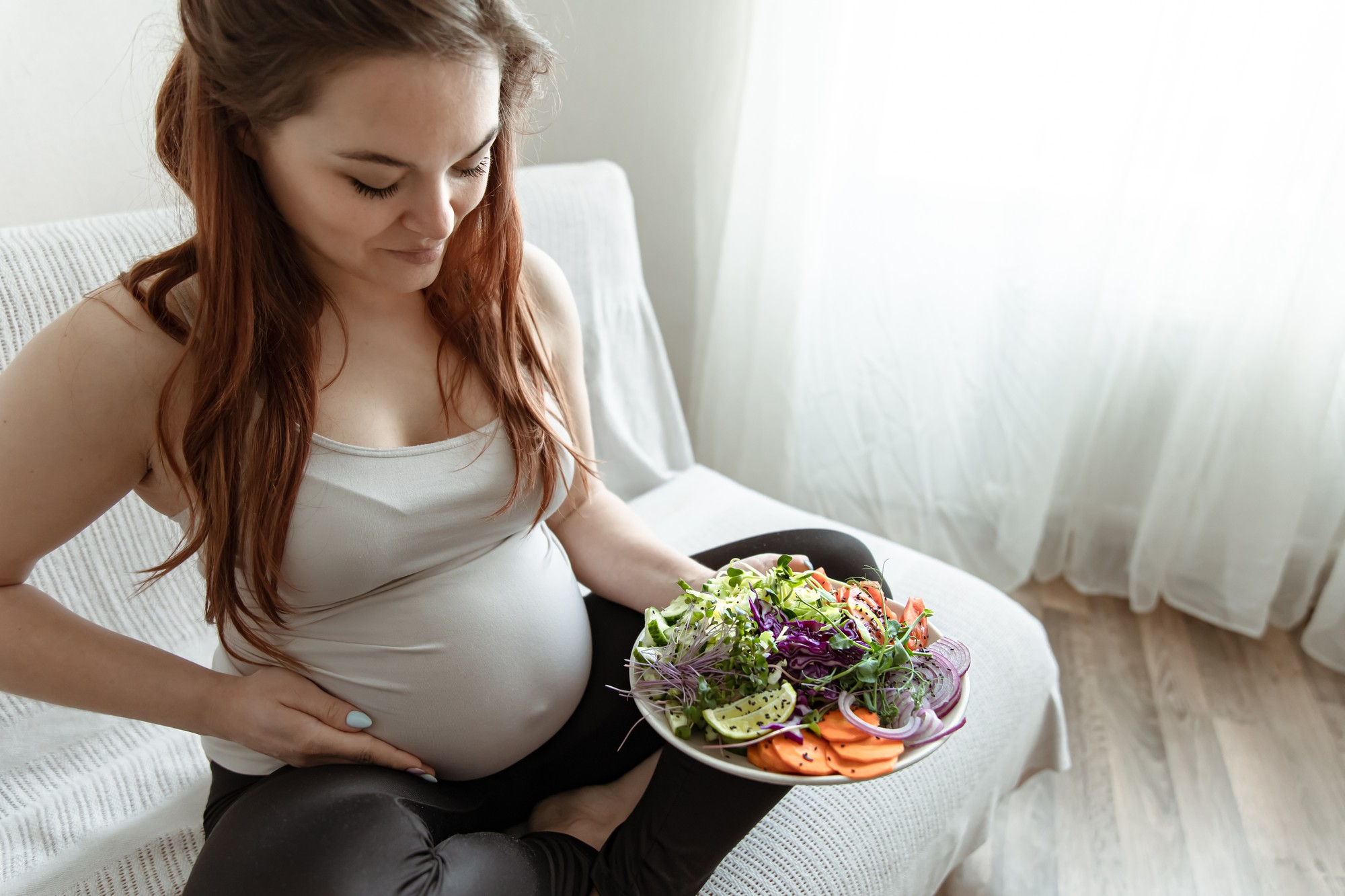
Nutrition During Pregnancy: Best Foods to Eat & Avoid for a Healthy Baby
Learn what to eat and avoid during pregnancy with expert-approved nutrition tips for a healthy mother and baby.
25 Nov 2025
by Prakash Hospital
by By Prakash Hospital

For Indian men, a BMI of 23 or above already falls in the overweight range.
Body mass index (BMI) is the number most people reach for when they ask, "Is my weight healthy?" It is quick to calculate, widely used, and useful as a first screen. But for Indian men, the standard international cut-offs can be misleading. A man with a "normal" BMI by Western standards may already carry a high risk of diabetes and heart disease.
BMI = weight in kilograms divided by height in metres squared.
Example: a man weighing 78 kg with a height of 1.72 m has a BMI of 78 / (1.72 x 1.72) = 26.4.
Research consistently shows that South Asians develop type 2 diabetes, high blood pressure, and heart disease at lower BMI levels than people of European descent. At the same BMI, Indians typically have:
Because of this, Indian expert groups and the WHO Asia-Pacific guidelines recommend lower thresholds:
| Category | Indian / Asian BMI | |---|---| | Underweight | Below 18.5 | | Normal | 18.5 to 22.9 | | Overweight (at risk) | 23 to 24.9 | | Obese Grade I | 25 to 29.9 | | Obese Grade II | 30 and above |
Some Indian consensus statements use 23 as the start of overweight and 25 as the start of obesity; others use 23 and 27.5. What matters for you: a BMI above 23 deserves attention, and above 25 deserves action, especially if your waist is large.
BMI does not distinguish fat from muscle, and it does not show where fat sits. Two men with the same BMI can have very different health risks.
A muscular gym-goer may have a high BMI with low body fat and good health.
A "skinny-fat" man with a normal BMI but little muscle and a big belly may have significant metabolic risk.
This is why doctors pair BMI with other measurements.
Measure around the abdomen at the level of the navel, after a normal exhale. For Indian men:
Divide waist by height. Keeping this below 0.5 is a good target for most adults.
For men, a ratio above about 0.90 indicates central fat distribution.
Healthy ranges for men are roughly 10 to 20 percent in younger men and up to about 25 percent in older men. Indian men often carry higher body fat at the same weight. Body fat can be estimated by skinfold calipers or bioimpedance scales (approximate), or measured more accurately with DEXA scans.
| Height | Approx. healthy weight range | |---|---| | 5 ft 4 in (163 cm) | 49 to 61 kg | | 5 ft 6 in (168 cm) | 52 to 65 kg | | 5 ft 8 in (173 cm) | 55 to 69 kg | | 5 ft 10 in (178 cm) | 59 to 73 kg | | 6 ft 0 in (183 cm) | 62 to 77 kg |
These are guides, not strict rules. Muscle mass, bone structure, and age matter.
Being underweight is also a concern, and is common in some Indian men:
If you are underweight, a medical check is worth doing before simply trying to eat more.
At Prakash Hospital Noida, our physicians assess BMI alongside waist measurement, blood sugar, cholesterol, liver and thyroid tests, and provide personalised guidance whether your goal is losing weight, gaining healthy weight, or protecting long-term health.
Whether you live in Sector 18, Sector 62, Greater Noida West, or anywhere nearby, Prakash Hospital Noida is a trusted name for weight assessment and men's health in Noida.
To book a consultation, call the number.
Tags: #HealthyBMIIndia #BMIForIndianMen #PrakashHospitalNoida

Trims an enlarged prostate from inside the urethra so urine flows freely, with no cut on the skin.
Examines the vocal cords under a microscope to remove growths or take a biopsy, working through the mouth.
Removes a gallbladder with stones through four small cuts, usually with a stay of one night or less.
Free tools to check your weight, plan a pregnancy, track calories and more.
We offer expert care across key specialties, including Medicine, Cardiology, Orthopaedics, ENT, Gynaecology, and more—delivering trusted treatment under one roof.
Learn what to eat and avoid during pregnancy with expert-approved nutrition tips for a healthy mother and baby.
25 Nov 2025
by Prakash Hospital
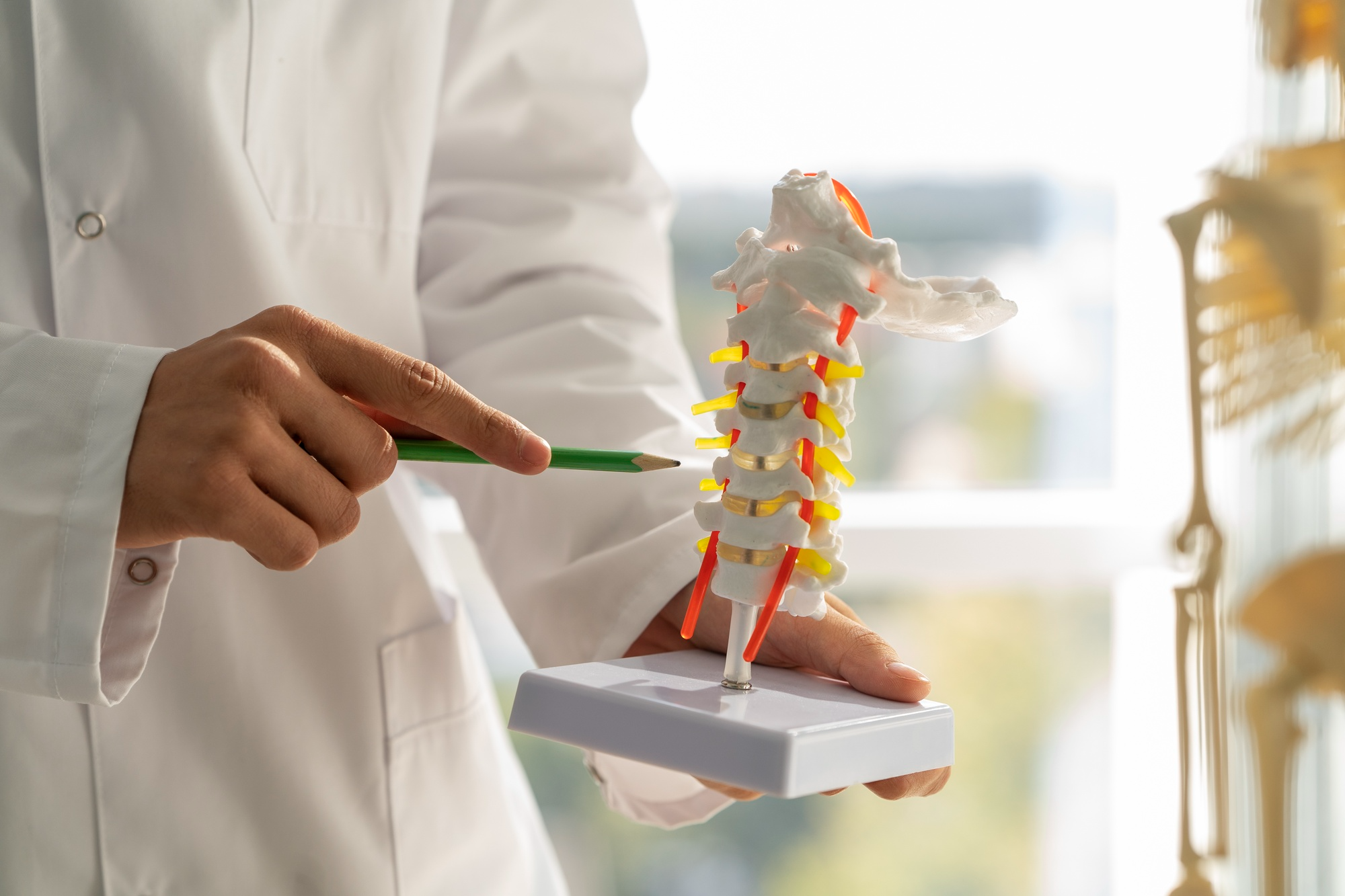
Support fracture recovery with essential nutrients like calcium, vitamin D, and protein for faster bone healing.
19 Nov 2025
by Prakash Hospital

Discover expert-backed nutrition tips for cancer patients. Learn how to manage treatment side effects, stay hydrated, and eat for strength and recovery.
27 May 2025
by Prakash Hospital

Male infertility causes, from varicocele to heat and smoking, the semen analysis, and what helps — a practical guide for Indian men. Prakash Hospital Noida.
7 Oct 2026
by Prakash Hospital

जानिए किडनी फंक्शन टेस्ट (KFT) क्या होता है, यह किन-किन पैरामीटर्स को मापता है और किडनी की सेहत के बारे में क्या जानकारी देता है।
11 May 2026
by Prakash Hospital

Erectile dysfunction causes in Indian men, why it can be an early heart warning sign, when to see a doctor and which treatments work. Prakash Hospital Noida.
26 Oct 2026
by Prakash Hospital
Intermittent fasting for Indians — what the evidence shows, how to fit it around Indian family meal times, and who should avoid it. Prakash Hospital Noida.
7 Oct 2026
by Prakash Hospital

A realistic plan to reduce belly fat: Indian diet changes, exercise, sleep, stress control and medical checks for men and women. Prakash Hospital Noida.
18 Nov 2026
by Prakash Hospital

You can estimate body fat from BMI with the Deurenberg formula, but it often gets Indians wrong. See worked examples, the thin-fat problem and better methods.
22 Oct 2026
by Prakash Hospital


Book a consultation with Prakash Hospital's specialists — 24/7 emergency care, 100+ doctors, NABH accredited.
View All Departments