Have you ever experienced your heart seemingly skip a beat, flutter or race for no reason? These are called heart palpitations and they're a lot more common than you may think.
Most palpitations are not dangerous. They are caused by stress, caffeine, dehydration or lack of sleep. However, sometimes they can be a symptom of a more serious heart rhythm problem that may require medical attention.
Understanding when to worry and when not to is key to protecting your heart health.
What are heart palpitations?
Heart palpitations are feelings of having a very noticeable heartbeat.
You may feel like your:
A fluttering or pounding in your chest
A racing or skipping heartbeat
The feeling that your heart is “flip-flopping”
They can occur at rest, during activity or even while lying down. Most episodes last only a few seconds or minutes and resolve spontaneously.
Common Causes of Heart Palpitations
Although the name heart palpitations may sound serious, it often is caused by very common everyday things rather than disease.
Some common causes include:
Stress and Anxiety
Emotional stress, panic attacks or anxiety can cause adrenaline surges that make the heart beat faster and harder.
Caffeine and Stimulants
Too much coffee, tea, energy drinks or nicotine can overstimulate the heart and lead to palpitations.
Dehydration and Electrolyte Imbalance
If fluids or minerals like potassium and magnesium fall in short supply, the heart's electrical rhythm can become irregular.
Lack of Sleep
Poor sleep or getting less than enough sleep, increases stress hormones and disrupts the regulation of heart rhythm.
Hormonal Changes
Fluctuations in hormone levels may lead to palpitations in women during menstruation, pregnancy or menopause.
Medications and Supplements
Certain asthma inhalers, thyroid medications and over-the-counter decongestants can increase heart rate or cause irregular beats.
Exercise
A faster heartbeat during or after a workout is normal but if you feel dizzy or faint along with palpitations, it's worth checking with a doctor.
When Heart Palpitations Could Be a Warning Sign
Occasional palpitations are not dangerous. However, frequent, prolonged or accompanied symptoms are potential warning signs of an underlying heart condition such as:
Arrhythmias (abnormal heart rhythms)
Atrial fibrillation (AFib)
Heart valve disorders
Coronary artery disease
Heart failure or cardiomyopathy
Seek medical attention right away if you have palpitations with:
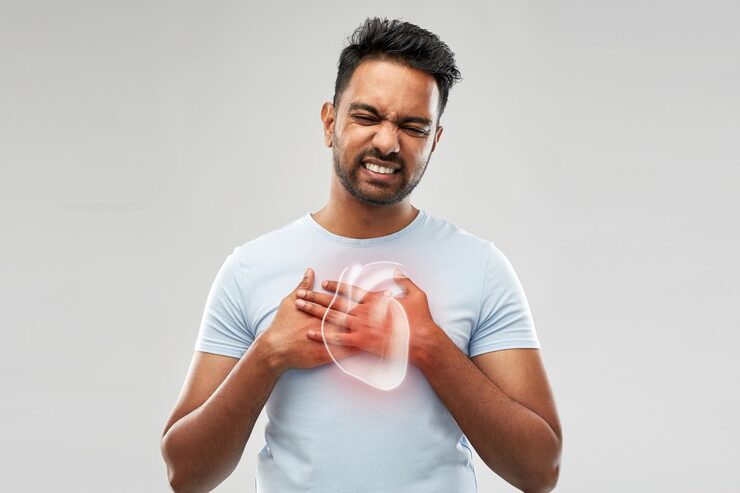
A man holding his chest in visible discomfort.
Chest pain or tightness
Dizziness or fainting
Shortness of breath
Sweating or confusion
Rapid heartbeat that lasts more than a few minutes
These symptoms may indicate a serious cardiac problem that should receive immediate attention.
How Doctors Diagnose the Cause
If you go to the doctor because of palpitations, he will first of all listen to your medical history, medications, and lifestyle.
Common tests include:
ECG: Records the rhythm of the heartbeat to observe any abnormalities.
Holter monitor: A portable 24-hour ECG that can capture irregular beats during normal activity.
Echocardiogram: This uses ultrasound to examine heart structure and function.
Blood Tests: Assess thyroid levels, electrolytes and evidence of infection or anemia.
These tests can help doctors determine whether your palpitations are benign or related to an underlying heart condition.
Lifestyle Changes to Reduce Palpitations
Limit caffeine and alcohol
Cut down on coffee, tea, energy drinks and alcohol. All can overstimulate your heart.
Stay Hydrated
Drink enough water throughout the day. Dehydration thickens the blood and strains the heart.
Stress Management
Try deep breathing, yoga or meditation in order to reduce anxiety and heart rhythm.
Sleep Well
Aim for 7 to 8 hours of quality sleep to keep your hormones and heartbeat in balance.
Avoid smoking
Nicotine stimulates the heart rate and can increase the risk of arrhythmias.
Eat a Heart-Healthy Diet
Include in your diet foods rich in omega-3 fatty acids, potassium, magnesium and fiber while limiting excessive sugar, processed food and salt.
Exercise Regularly But Safely
Moderate exercise, such as brisk walking, cycling or swimming, will strengthen your heart. Always warm up and cool down to avoid sudden heart rate spikes.
Treatment Options
Treatment depends on the cause of your palpitations:
In some cases, mild, stress-related episodes may only require lifestyle modifications.
Any medications that promote irregular heartbeats may need adjustments.
Rhythm issues can be controlled by beta-blockers or antiarrhythmic medications.
Procedures such as catheter ablation may be advised for severe cases of arrhythmia.
Specific treatment will be directed by your healthcare provider and depend on the form of aortic disease.
A doctor using a stethoscope to check a patient’s heartbeat.
At Prakash Hospital
The cardiologists at Prakash Hospital are specially trained in the investigation and management of heart rhythm disorders. At the core of our approach is skilled medical care combined with lifestyle counseling to help patients cope with stress and further improve heart functioning, preventing further cardiac complications. Whether it's that minor flutter or a recurring concern, our specialists will ensure your heart health always comes first.
When to see a doctor
Book a medical consultation if:
Palpitations are frequent or last longer than a few minutes.
You notice irregular heartbeats even at rest.
They are accompanied by dizziness, chest pain or shortness of breath.
Remember, it is always better to get checked early. Most palpitations are not dangerous, but some can be early warning signs of a cardiac rhythm disorder that is readily treatable if it is caught in time.
Overview
Not every flutter is cause for alarm but listening to your body is. Occasional palpitations after stress or caffeine consumption are considered normal. On the other hand, if they are frequent, intense or accompanied by other symptoms, do not ignore them.
Healthy living, stress management and regular check-ups are your best defenses against problems of heart rhythm. With the right care and expert guidance from the cardiology team at Prakash Hospital, you can keep your heart steady and strong for years to come.
We offer expert care across key specialties, including Medicine, Cardiology, Orthopaedics, ENT, Gynaecology, and more—delivering trusted treatment under one roof.
Understand the critical difference between a heart attack and cardiac arrest, their symptoms, causes, emergency response steps, and treatment options. Learn when to seek urgent help from expert cardiologists at Prakash Hospital.
Learn how heart disease affects women differently. Discover key risk factors, symptoms, and prevention tips from cardiology experts at Prakash Hospital.