

Improving egg quality naturally.
Egg quality — the term used to describe the developmental potential of an egg (oocyte) — is one of the most significant factors in female fertility. A high-quality egg has the right chromosomal structure, adequate energy stores, and the cellular machinery to be fertilised and develop into a viable embryo. Poor egg quality is a major cause of difficulty conceiving, early miscarriage, and failed IVF cycles.
Egg quality declines with age — this is the biological reality that drives much of the fertility timeline conversation. But age is not the only factor. Oxidative stress, nutritional deficiencies, hormonal imbalances, and lifestyle factors all affect egg quality — and many of these are modifiable. Women planning to conceive, those undergoing fertility treatment, and women with PCOD or unexplained infertility can all benefit from the approaches described here.
Each month, a cohort of follicles begins developing in the ovaries. One (or occasionally more) reach maturity and release an egg at ovulation. The quality of that egg depends on:
Chromosomal competence: the egg undergoes a complex cell division (meiosis) before and during ovulation. Errors in this process produce eggs with the wrong number of chromosomes (aneuploidy) — which either fail to fertilise, fail to implant, or result in miscarriage. The risk of chromosomal errors increases significantly with age.
Mitochondrial energy production: the egg has the highest mitochondrial density of any human cell. Mitochondria provide the energy (ATP) for the entire fertilisation and early embryo development process. Poor mitochondrial function compromises egg quality and embryo development.
Follicular environment: the fluid and granulosa cells surrounding the developing egg in the follicle provide nutrients, growth factors, and hormonal signals that influence egg maturation. Oxidative stress, inflammation, and nutritional deficiencies in this environment affect the developing egg.
Hormonal milieu: FSH, LH, AMH, and insulin all affect follicle development and egg maturation. Insulin resistance (from PCOD) specifically disrupts the ovarian hormonal environment.
Egg development — from the recruitment of a primordial follicle to the mature egg that ovulates — takes approximately three months (90 days). This means that the nutritional and lifestyle interventions described below take at least three months to influence the quality of eggs that will ovulate. Starting these changes three to six months before planned conception or IVF cycle allows meaningful impact.
The dietary pattern with the strongest consistent evidence for female fertility and egg quality is the Mediterranean diet. Multiple IVF studies show women consuming a Mediterranean-style diet have significantly better embryo quality and higher clinical pregnancy rates. The pattern involves:
This translates well to the Indian context — replacing refined carbohydrates with dal, whole grains, and vegetables; including oily fish regularly; and using cold-pressed oils.
The developing follicle environment is highly susceptible to oxidative stress — free radicals that damage DNA and mitochondria. Antioxidants neutralise free radicals and protect the egg.
Amla: highest vitamin C in Indian food. Vitamin C is a primary antioxidant in follicular fluid. Daily amla (fresh or powder) is one of the most accessible fertility-supporting additions.
Tomatoes and lycopene: lycopene specifically protects against oxidative damage in the ovarian environment. Cooked tomatoes provide more bioavailable lycopene.
Pomegranate: anthocyanins have specific anti-oxidative effects in reproductive tissue. Regular pomegranate (fresh or juice without added sugar).
Dark leafy greens: folate, vitamin K, vitamin C, and iron — all relevant to reproductive health. Methi, palak, drumstick leaves.
Walnuts: omega-3 fatty acids and vitamin E — both antioxidants important for cell membrane integrity.
Brazil nuts (in moderation — 1–2 daily): the richest selenium source. Selenium is an essential component of antioxidant enzymes in follicular fluid.
The granulosa cells surrounding the egg and the egg itself require amino acids for their metabolic functions. Adequate protein — particularly from complete sources — is important throughout the three-month follicular development period.
Eggs, dal, paneer, curd, fish — a protein-centred approach to meals rather than carbohydrate-centred.
The egg cell membrane must be fluid and flexible for fertilisation to occur. Omega-3 fatty acids (DHA specifically) are incorporated into cell membranes and improve their quality. Multiple studies show higher omega-3 intake is associated with better egg quality and embryo development.
Ground flaxseed daily (ALA — partially converted to DHA), walnuts, and fatty fish 2–3 times weekly or EPA/DHA supplementation (1–2g daily) are practical approaches.
Trans fats (in commercial vanaspati, fried fast food, commercial biscuits, packaged snacks) are specifically associated with reduced ovarian reserve and poorer egg quality in research. They incorporate into cell membranes and disrupt normal function. Eliminating trans fats is a high-priority step.
In women with PCOD, insulin resistance disrupts the ovarian hormonal environment and impairs egg development. Reducing refined carbohydrates, increasing protein and fibre, and managing insulin resistance (with diet, exercise, and inositol where appropriate) directly improves oocyte quality in PCOD women.
CoQ10 is essential for mitochondrial energy production — and eggs have the highest mitochondrial density of any cell. CoQ10 levels in the body decline with age. Supplementation has shown specific benefit for egg quality:
Multiple clinical trials, including randomised controlled trials, show CoQ10 supplementation (600 mg daily in ubiquinol or ubiquinone form) improves oocyte and embryo quality in poor responders and older women undergoing IVF. It also improves ovarian response to stimulation.
Dose: 200–600 mg daily; ubiquinol (the reduced, active form) is better absorbed. Start at least 3 months before planned conception or IVF.
Essential for DNA synthesis and cell division — fundamental to egg chromosomal integrity. 400–800 mcg of folic acid daily is the standard recommendation before and during early pregnancy. Women with MTHFR gene variants convert folic acid to active methylfolate less efficiently — methylfolate (5-MTHF) supplementation is preferable for them.
Start at least 3 months before planned conception.
Vitamin D receptors are present in ovarian cells and granulosa cells. Multiple studies associate vitamin D deficiency with poorer egg quality, lower fertilisation rates, and reduced IVF success rates. Very common in India.
Test 25-OH vitamin D. If below 30 ng/mL, supplement to reach this level (typically 2,000–4,000 IU daily under medical guidance).
As discussed in the PCOD diet blog — inositol improves egg quality specifically in PCOD women. Multiple trials show myo-inositol (4g daily) improves oocyte maturation rate, fertilisation rate, and embryo quality in PCOD women undergoing IVF.
DHEA (dehydroepiandrosterone) is a precursor to both estrogen and testosterone. Low-dose DHEA supplementation (25–75 mg daily for 3 months) has been shown in several trials to improve ovarian response, egg quality, and pregnancy rates in women with diminished ovarian reserve, particularly older women. Should only be used under medical supervision and is not appropriate for all women (particularly those with PCOD who already have elevated androgens).
EPA and DHA (1–2g daily from fish oil or algae-derived omega-3 for vegetarians) support oocyte cell membrane quality and follicular fluid composition. Choose pharmaceutical-grade fish oil certified for purity.
Regular moderate exercise improves blood flow to the ovaries, reduces insulin resistance, and maintains healthy weight — all supportive of egg quality. However, very high-intensity exercise (elite athleticism, twice-daily intense training) can suppress the HPO axis and impair follicle development. Moderate aerobic exercise (30 minutes, 5 days weekly) is the target.
Smoking is one of the most damaging exposures to egg quality — cigarette toxins damage DNA in developing eggs, reduce ovarian reserve, and advance menopause by 1–4 years. Women who smoke have measurably lower AMH (ovarian reserve marker), poorer IVF outcomes, and higher miscarriage rates. Cessation is a high-priority fertility intervention.
Regular alcohol consumption is associated with reduced fertility in both sexes. For egg quality specifically, alcohol increases oxidative stress in follicular fluid and disrupts hormonal signalling. Minimize to occasional during the three-month preparation period; eliminate during conception attempts.
Chronic stress elevates cortisol and prolactin, both of which can suppress ovulation and impair the follicular environment. The link between psychological stress and fertility is complex but real. Yoga, mindfulness, and counselling support for fertility-related stress (a significant burden for many couples) are all worth pursuing.
Growth hormone — released during deep sleep — supports follicle development. Chronic poor sleep disrupts reproductive hormones. Consistent 7–8 hours.
Both underweight (BMI below 18.5) and overweight (BMI above 25 in Indians) impair fertility and egg quality through hormonal mechanisms. Even modest weight normalisation (5–10% of body weight in either direction) improves ovulatory function and egg quality.
At Prakash Hospital Noida, our gynaecologists and fertility specialists evaluate ovarian reserve (AMH, antral follicle count), hormonal profile, and provide personalised guidance on nutritional and lifestyle optimisation before conception or fertility treatment.
Whether you live in Sector 18, Sector 62, Greater Noida West, or anywhere in the NCR, Prakash Hospital Noida is a trusted name for fertility care, egg quality, and women's health in Noida.
Tags: #HowToImproveEggQuality #FertilityIndia #PrakashHospitalNoida

This article covers gynaecology concerns. These Prakash Hospital doctors in Noida treat them.

Dr. Shachi Singh
Consultant Gynaecologist & Obstetrician
Obstetrics & High-Risk Pregnancy · Laparoscopic Surgery · Infertility Treatment
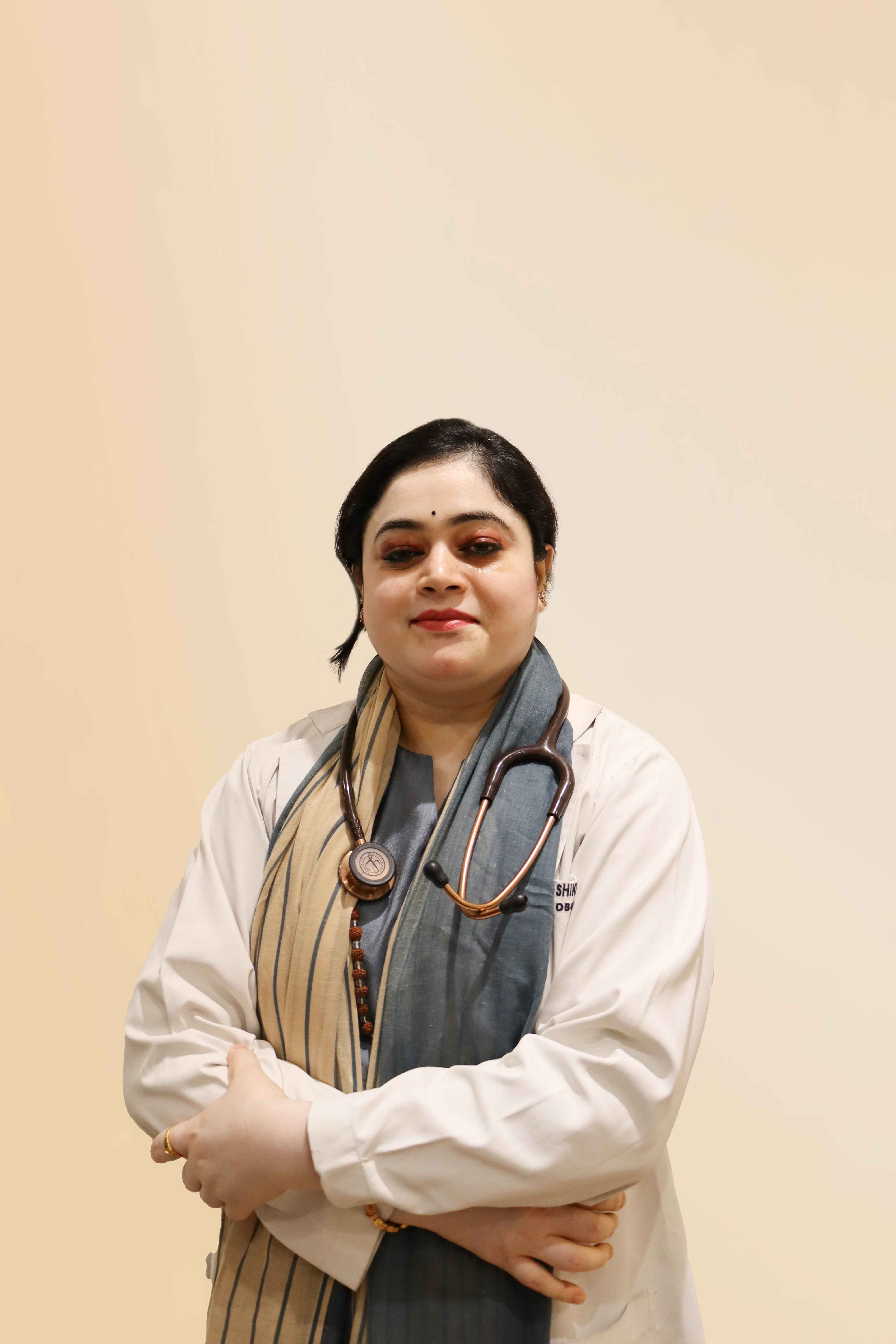
Dr. Priya Shikha Modi
Consultant Gynaecologist
Hysterectomies · Laparoscopic Hysterectomies · Gynecological Pathologies
We offer expert care across key specialties, including Medicine, Cardiology, Orthopaedics, ENT, Gynaecology, and more—delivering trusted treatment under one roof.


Book a consultation with Prakash Hospital's specialists — 24/7 emergency care, 100+ doctors, NABH accredited.

Prakash Hospital Pvt. Ltd. is a 100 bedded NABH NABL accredited multispecialty hospital along with a center of trauma and orthopedics. We are in the service of society since 2001.
OUR SPECIALITIES
Patient Services
PROCEDURES
Contact Us
D – 12A, 12B, Sector-33, G. B. Nagar, Noida, Uttar Pradesh 201301
+91-8826000033


© 2026 All rights reserved.
Designed and Developed by Zarle Infotech


