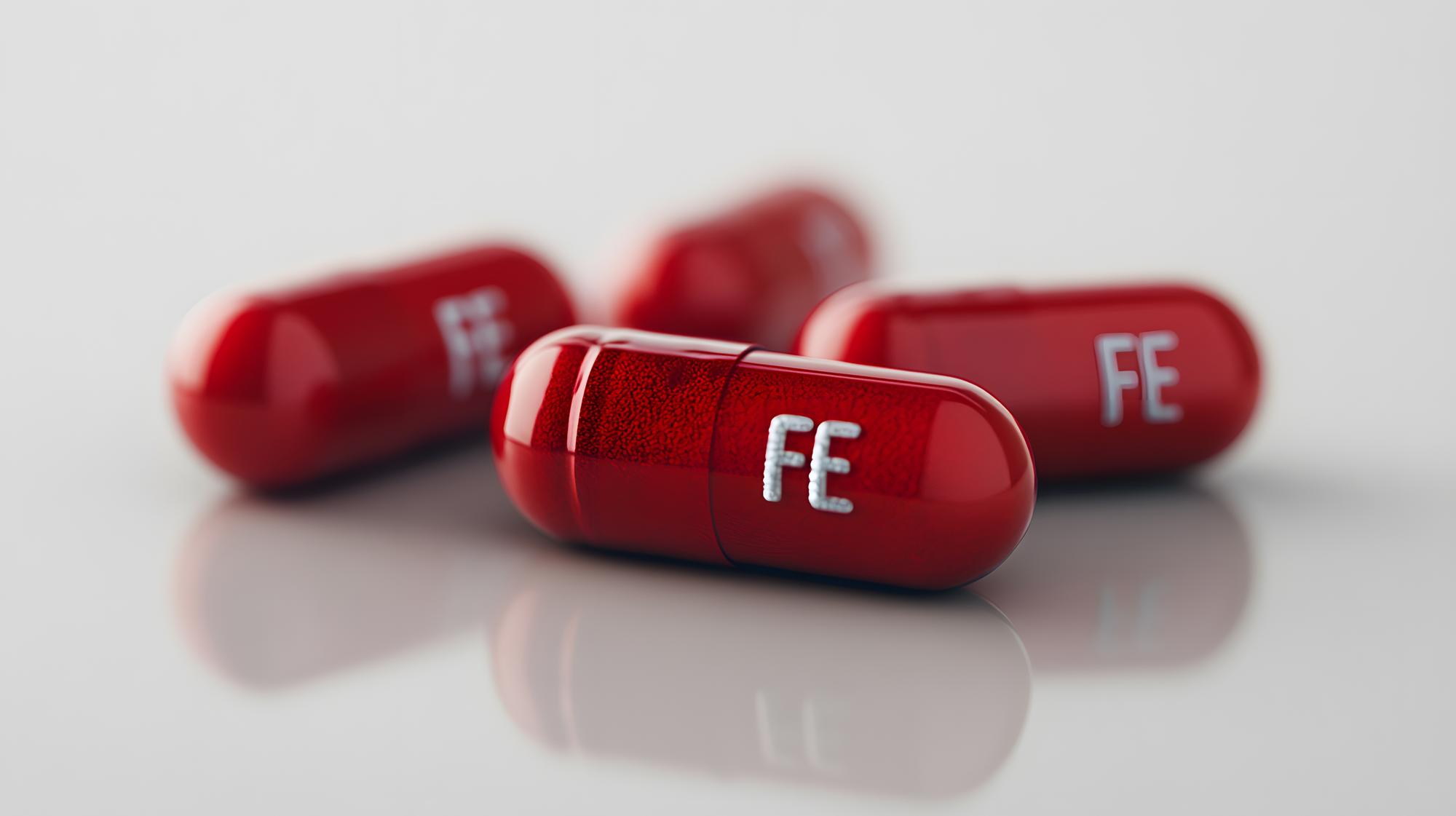
Iron supplement tablets commonly used to treat iron deficiency, anemia or fatigue.
Iron deficiency is one of the most common nutritional deficiencies globally and one of its earliest and most noticeable symptoms is persistent fatigue. Basically, people tend to relate tiredness to stress, poor sleep and a busy life. However, many times, the actual cause that lies beneath is in fact, low iron levels.
Iron plays an important role in energy production and oxygen carriage in the body, and since your body does not have enough of it, the energy levels drop noticeably. This blog explains how iron deficiency causes tiredness, the ways in which one can recognize signs and effective prevention and treatment.
What Is Iron Deficiency?
Iron deficiency is a condition whereby your body does not have sufficient iron to make enough hemoglobin, the protein in red blood cells responsible for carrying oxygen to different parts of the body. Without adequate hemoglobin, various organs and tissues in your body cannot get enough oxygen, thus causing weakness, dizziness, tiredness and difficulty concentrating.
Although any person may become deficient in iron, certain groups have an increased risk, such as women, children, pregnant people and those with particular medical conditions.
How Iron Deficiency Causes Fatigue
Fatigue is the hallmark symptom of iron deficiency. If your blood cannot transport enough oxygen throughout your body, it's hard for your body to generate energy. Consequently, even light activities such as walking, climbing a flight of stairs or working half a day, may cause unusual fatigue.
The brain also suffers from a shortage of oxygen, thus affecting concentration, mood and alertness. Some people describe feeling the fatigue of iron deficiency as completely drained, mentally foggy or physically heavy even after resting.
Common Symptoms of Iron Deficiency
Iron deficiency tends to develop gradually and so the symptoms are not immediately apparent. As time progresses, the body gives several warnings that include the following:
Persistent tiredness or exhaustion
Pale skin or dark under-eye circles
Shortness of breath
Headaches or dizziness
Tachycardia/rapid heartbeat
Cold hands and feet
Brittle nails or hair loss
Difficulty concentrating
A craving to eat ice, clay or paper, sometimes called pica
In case you are experiencing many of these symptoms together, it could indicate an underlying iron deficiency.
Who is at Higher Risk
Lifestyle, dietary factors or health conditions may make certain individuals more vulnerable to iron deficiency. Greater risk is associated with:
Women who have heavy menstrual bleeding
Pregnant women due to increased iron demands
Children and teenagers during growth spurts
Special diets include vegetarian or vegan diets
Individuals with gastrointestinal disorders such as celiac disease
People who are frequent blood donors
Those athletes with increased red blood cell breakdown
Older adults with impaired nutrient absorption
Understanding your risk can help you take steps to prevent symptoms from getting worse.
Common Causes of Iron Deficiency
Iron deficiency is a condition whereby the body loses too much iron, absorbs too little or does not get enough from nutrition. Some of the common causes include:
Heavy menstrual flow
Poor dietary intake of iron-rich foods
Blood loss from trauma or surgical procedures
Pregnancy and lactation
Digestive problems impairing absorption
Low stomach acid
Long-term intake of certain drugs
Chronic conditions such as kidney disease or inflammation
Early identification of the cause is important for effective treatment.
How Iron Deficiency Is Diagnosed
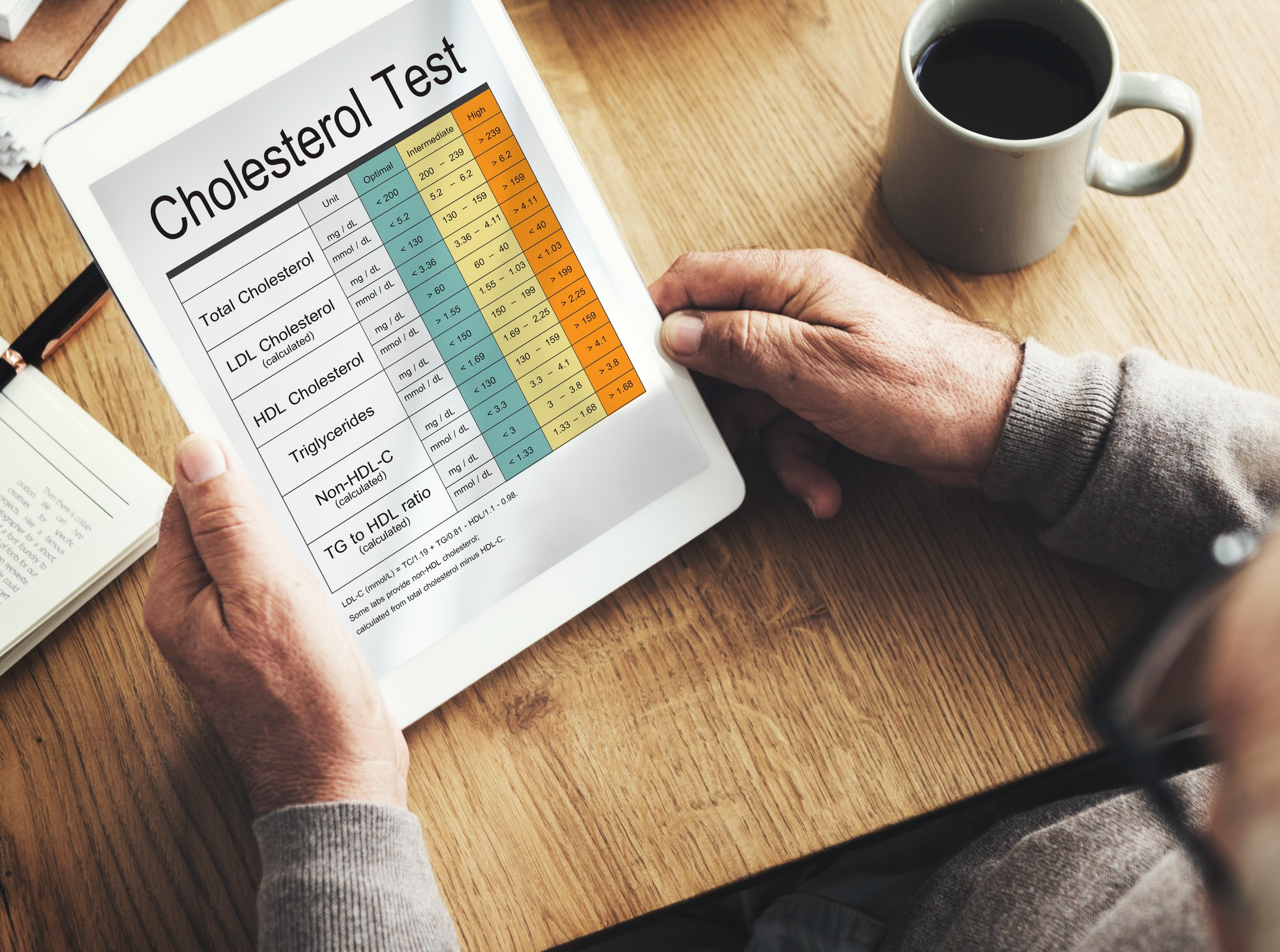
A simple blood test can diagnose iron deficiency. The doctors usually check:
Hemoglobin levels
Ferritin that stores iron within the body
Complete blood count
Iron and transferrin levels
A doctor drawing blood from a patient’s arm to diagnose iron deficiency.
With results indicating low iron or ferritin, your doctor may investigate the cause and then recommend a treatment plan tailored to your needs.
How to Treat Iron Deficiency
Treatment depends on the severity of the deficiency. Most cases can be corrected with changes in diet and supplements. Common treatment approaches include:
Iron supplements usually in tablet or liquid form
Eating more iron-rich foods
Vitamin C supplementation to enhance iron absorption
Treating underlying causes like menstrual problems or gastrointestinal disorders
Severe cases may require iron injections or intravenous iron therapy
It may take a few weeks to notice improvement and several months to fully restore iron levels.
Iron-rich Foods to Boost Energy Levels
It is often possible to prevent or correct iron deficiency just by eating the right foods.
There are two types of iron:
Heme iron present in animal foods, easily absorbed
Non-heme iron from plant sources, which is absorbed more slowly
Great dietary sources of iron include:
Red meat, chicken, turkey, and seafood
Eggs
Spinach, kale and leafy greens
Beans, lentils and chickpeas
Pumpkin seeds, nuts and seeds
Tofu and soy products
Whole grains and fortified cereals
Beets, broccoli and dried fruits
The habitual intake of these nutrients contributes to satisfactory iron levels.
Improving the Absorption of Iron
Your body may not be able to properly absorb the mineral, even if you are consuming iron-rich foods.
You can enhance absorption by:
Combine iron-rich foods with sources of vitamin C like oranges, tomatoes or bell peppers
Avoid tea, coffee and dairy immediately after meals since they interfere with absorption
Pair plant-based iron with citrus fruits
Cook food in cast iron utensils that add small amounts of iron to meals
These small adjustments help your body use iron more efficiently.
Fatigue and Daily Life: How Iron Deficiency Affects You
Low iron levels affect your energy levels as well as they affect your physical, emotional and mental well-being. Some of the common complaints among people with iron deficiency are:
Reduced productivity
Difficulty concentrating or remembering things
Decreased exercise tolerance
Irritability or changes in mood
Immune system compromise
Addressing iron deficiency can dramatically improve overall quality of life.
A woman sitting with visible exhaustion and lack of energy, chronic fatigue, stress or burnout.
When to Seek Medical Attention
Concerning symptoms to seek immediate medical help for include the following:
Extreme tiredness that doesn't get better
Frequent dizziness or fainting
Pale or short of breath
Heavy menstrual cycles
Digestive maladies that impair nutrient absorption
This can prevent the deficiency from progressing into anemia, possibly necessitating stronger treatment.
At Prakash Hospital, comprehensive care for diagnosing and treating iron deficiency and related fatigue is provided. Our specialists are committed to identifying the root cause, improving nutritional intake and developing personalized treatment. Accurate testing, expert guidance and ongoing support help patients regain energy, strength and overall well-being.
Conclusion
Iron deficiency is a common but often ignored reason for fatigue. When iron is deficient in your system, energy levels go down, concentration weakens and daily tasks become much more difficult than they normally should be. Fortunately, an iron deficiency is both treatable and preventable.
With a proper diet, the right supplementation and timely medical support, you are well on your way to restoring your iron level and finding more energy and health. Understanding your symptoms and taking proactive steps is the key to long-lasting well-being and improvement in the quality of life.
We offer expert care across key specialties, including Medicine, Cardiology, Orthopaedics, ENT, Gynaecology, and more—delivering trusted treatment under one roof.
Think fertility problems are always the woman's issue? Or that stress is to blame? Our specialists at Prakash Hospital, Noida separate common fertility myths from what the medical evidence actually says.
Ten quick, evidence-based ways to regain focus in minutes, from water, walking and slow breathing to a brain dump, plus when a slump means something else.
Insomnia, sleep apnoea, restless legs and more. Learn the signs of sleep disorders, when to see a doctor, and how they are treated. Prakash Hospital Noida.