Hepatitis: Symptoms, Types, Prevention, and Vaccination
·by Prakash Hospital
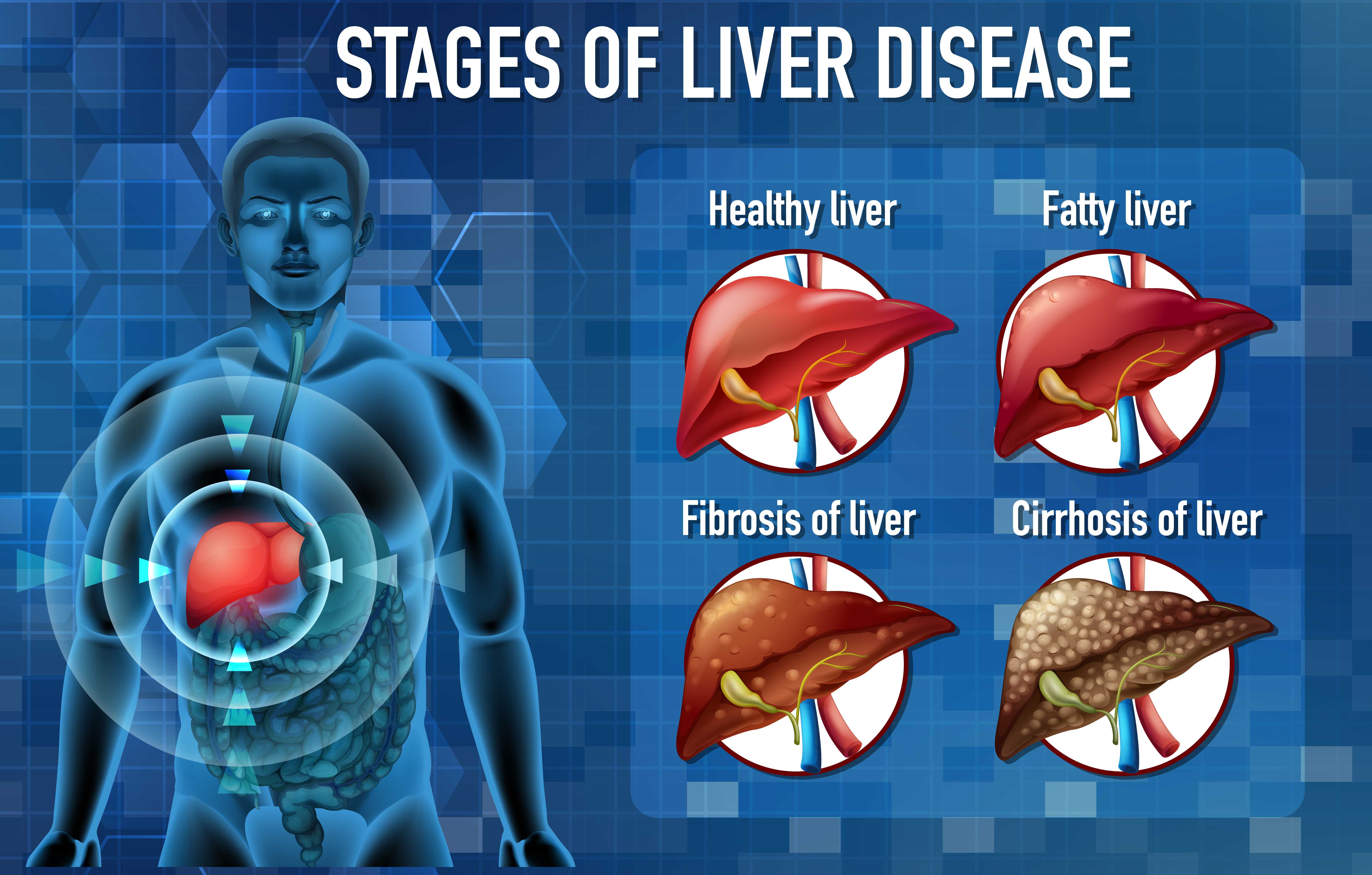
The liver is one of the most vital organs in the human body, performing over 500 essential functions. It filters toxins from the blood, processes nutrients, and helps the immune system fight infections. Hepatitis is a serious condition that causes inflammation in the liver, impairing these vital functions.
Hepatitis is a liver disease that can be caused by viruses, toxins, or autoimmune conditions. Understanding its types and prevention can save lives.
There are two main types of hepatitis: Infectious, caused by a virus, and Non-infectious, caused by autoimmune diseases, toxins, or certain medications.
Hepatitis can be acute (short-term but severe) or chronic (long-term with subtle symptoms). Acute hepatitis may lead to sudden liver failure, while chronic hepatitis can cause permanent liver damage over time. Without timely diagnosis and treatment, both types can be life-threatening.
Types of Hepatitis
Hepatitis is classified into six major types: A, B, C, D, E, and G. Each type spreads differently and has unique symptoms.
Hepatitis A (HAV)
Spread through contaminated food or water. Common symptoms include:
Jaundice (yellowing of skin and eyes)
Dark urine
Vomiting and nausea
Fever
Loss of appetite
Hepatitis B (HBV)
Transmitted via body fluids such as blood, semen, and vaginal fluids. It can spread through:
Unprotected sex
Contaminated needles
Mother to baby during childbirth
Symptoms may include:
Fatigue
Mild fever
Nausea
Loss of appetite
Hepatitis C (HCV)
Primarily spread through contact with infected blood, often through:
Shared needles
Poorly sterilized medical or tattoo equipment
Most people show no symptoms, but some may experience:
Fatigue
Discomfort
Loss of appetite
Hepatitis D (HDV)
Occurs only in people already infected with Hepatitis B. It shares similar transmission routes and symptoms as HBV and can worsen the condition.
Hepatitis E (HEV)
Spread through contaminated food or water, especially undercooked meat. Rarely, it can be passed from a pregnant woman to her baby. Symptoms are usually mild:
Low-grade fever
Fatigue
Jaundice (in rare cases)
Hepatitis G (HGV)
A lesser-known type, transmitted through infected blood. Most people show mild or no symptoms.
Prevention and Vaccination
Preventing hepatitis involves good hygiene, safe food and water practices, and avoiding contact with infected blood or body fluids. Healthcare workers and travelers should be especially cautious.
Vaccines are available for certain types and are highly effective in preventing infection.
Hepatitis A Vaccine
Recommended for infants (12–23 months)
Given in 2 doses, 6 months apart
Adults and travelers can receive it at any age
Hepatitis B Vaccine
Given at birth and completed by 6 months of age
Unvaccinated children, adolescents, and adults can take it anytime
Administered in 2 to 4 doses
Also protects against Hepatitis D
Hepatitis C
No vaccine currently available
Hepatitis D
Preventable with the Hepatitis B vaccine, but not treatable once infected
Hepatitis E
No approved vaccine yet, though one is in development in China
Hepatitis G
No vaccine currently available
Vaccination is the most effective way to prevent hepatitis A and B.
Outlook and Final Thoughts
Hepatitis is a dangerous disease, but it's largely preventable. With proper vaccination, personal hygiene, and safe health practices, you can protect yourself and your loved ones.
If you're concerned about hepatitis or want to know how to prevent infection, consult a liver specialist. Reputed hospitals have dedicated hepatology departments with experienced doctors who can guide you on screening, prevention, and treatment.
We offer expert care across key specialties, including Medicine, Cardiology, Orthopaedics, ENT, Gynaecology, and more—delivering trusted treatment under one roof.
What is a balanced diet — understand the components, daily portions, and how to build one with Indian foods. Visit Prakash Hospital Noida for nutrition consultation.
Learn the essential facts of fluoride: its dental benefits, potential risks, and who needs it the most. Understand when you need fluoride and when to avoid it.
रोटेटर कफ इंजरी के लक्षण, कारण और इलाज जानें। कंधे में दर्द और कमजोरी को नजरअंदाज न करें। Prakash Hospital में पाएं एडवांस ऑर्थोपेडिक और फिजियोथेरेपी उपचार।