


Top 10 Vitamin D Foods You Should Be Eating Regularly
Top 10 vitamin D foods ranked by content — practical sources for daily intake. Visit Prakash Hospital Noida for health checkups and nutrition guidance.
10 Jun 2026
by Prakash Hospital
by Prakash Hospital
by Prakash Hospital
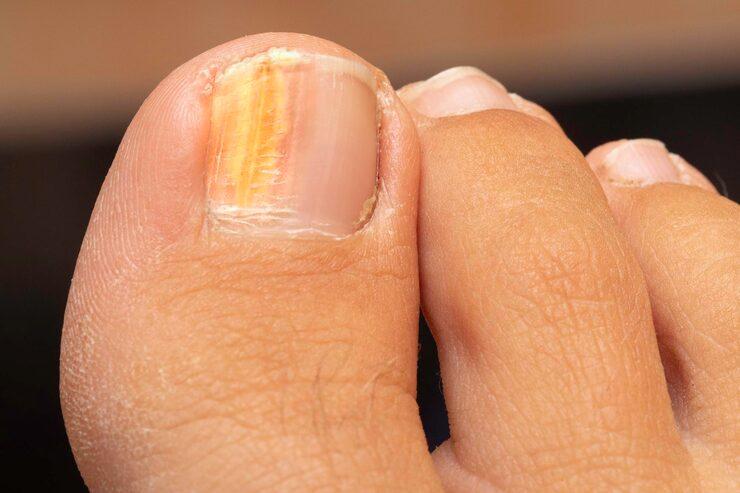
A foot with an ingrown toe nail
Our nails are small, yet they do a lot to keep our fingers and toes safe, help us with fine motor skills, and even tell us how healthy we are overall. When something goes wrong with your nails, such as an ingrown toenail, a chronic infection, or a nail deformity, it can be both painful and annoying. In some cases, the best method to fix the problem could be to have nail surgery.
This blog is about nail surgery, especially for ingrown toenails. It also discusses other standard methods for treating nail problems.
The skin around the nail may ache, become red, swell, and even become infected as the edge of the nail grows into it. Most of the time, this condition affects the big toe, but it can also occur in other toes.
You don't require surgery for every ingrown toenail. You can often treat mild cases with:
Surgery is necessary when:
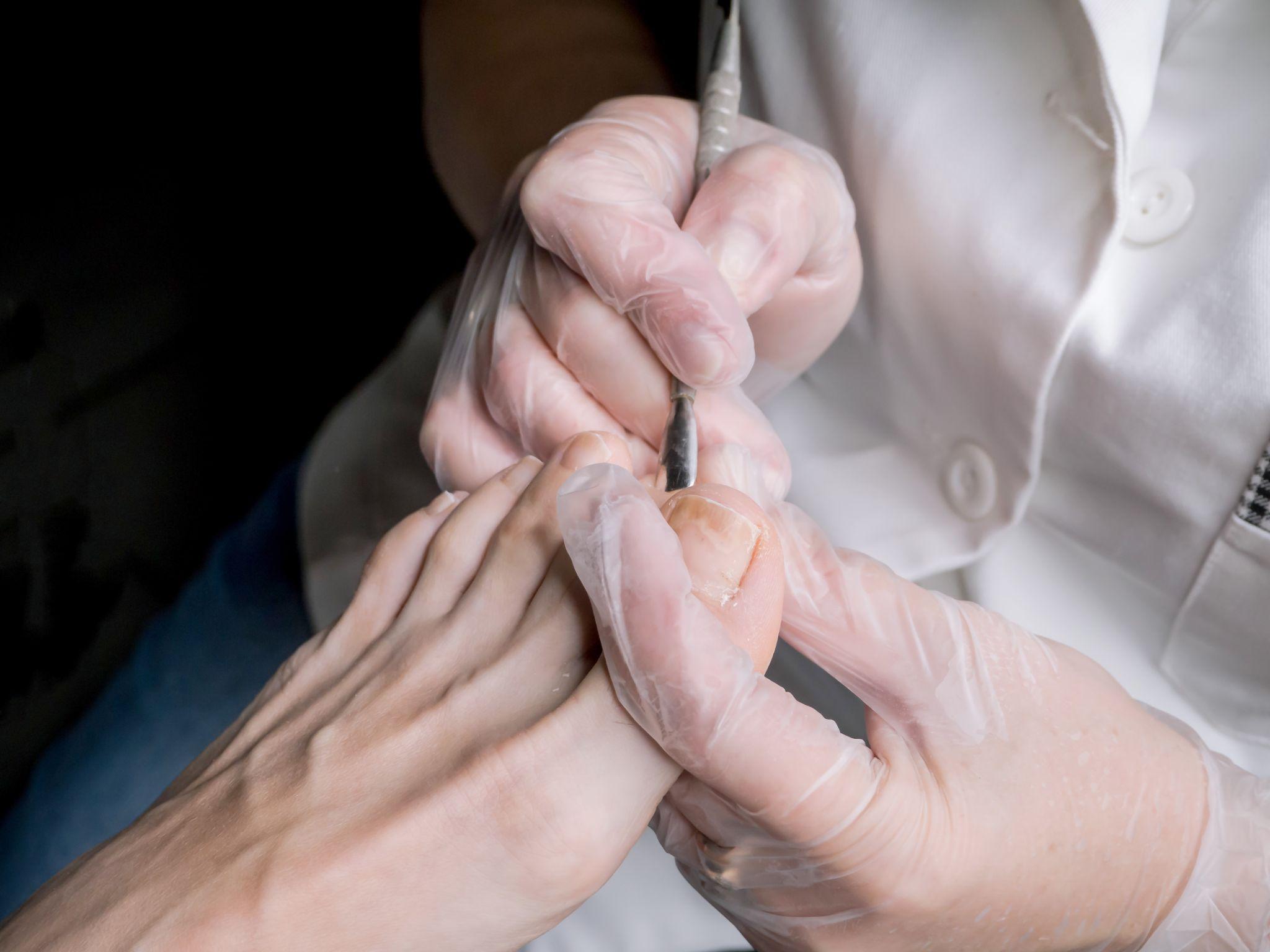
ingrown nail removal
Various types of surgery can be performed, depending on the severity of the problem and the patient's specific needs.
1. Partial Nail Removal (Partial Nail Avulsion): This is the most common approach to treat toenails that are growing in.
They only peel off the section of the nail that hurts.
You can inhibit the edge from growing back by using a chemical like phenol.
2. Complete Nail Removal (Total Nail Avulsion)
Not a good idea for severely damaged or deformed nails.
A fresh nail might grow again because the nail bed is still there.
3. Removing the nail matrix
Chemicals, lasers, or surgery can damage the nail matrix, which is responsible for the growth of the nail. If you are continually getting ingrown nails, this can happen.
This prevents the edge of the nail from growing back permanently.
4. Resection of the wedge
A piece of tissue and the edge of the nail are cut out together.
This relieves the pressure and stops it from recurring again.
Most of the time, these treatments are done as outpatient procedures with local anesthesia so that patients can go home the same day.
The type of surgery you undergo will affect how long it takes to recover.
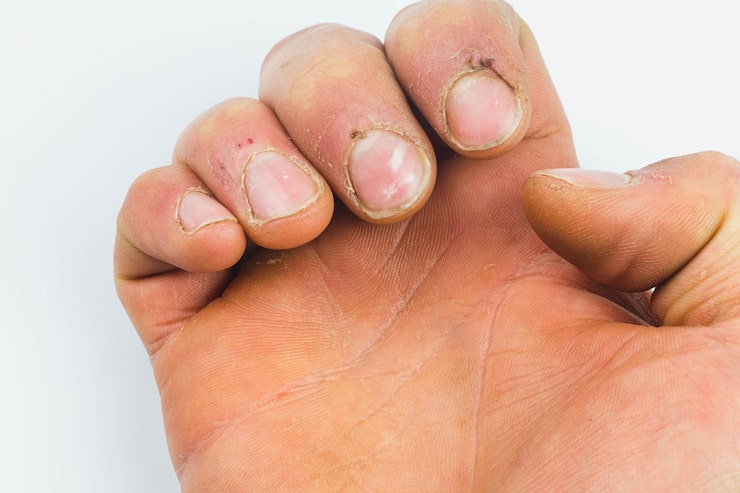
Nails in bad condition with damaged skin
Ingrown toenails are the most prevalent reason for nail surgery, although other conditions may also warrant surgery:
1. Onychomycosis, which is a type of fungal nail infection
Severe fungal infections can cause nails to become thick, change color, and break easily.
If antifungal pills don't work, you can treat the nail bed directly by surgically removing the nail.
2. Nail biopsy
A small portion of the nail or the surrounding skin is removed for laboratory tests.
Helps you discover what's wrong with your nails, including psoriasis, melanoma (skin cancer), or other abnormalities that you can't explain.
3. Fixing the Nail Bed: Accidents or sports injuries can harm the nail bed.
Surgery may involve repairing torn nail tissue or stitching the nail bed back together, allowing it to grow back correctly.
4. Removing nail cancers
Tumors can grow under or around the nail, and they can be either bad or good.
To stop the spread and restore the nail's function, surgery is necessary.
5. Nail cosmetic surgery
Fixing nail problems for either cosmetic or practical reasons.
This is common when birth malformations or deformities occur after an injury has occurred.
There are some dangers with nail surgery, just like with any other kind of surgery, but issues are rare:
It's always better to stop something from happening than to correct it. Here are some simple ways to minimize the chance of having nail problems:
1. Is nail surgery painful?
Patients don't feel any pain throughout the surgery because they are given local anesthesia. It may feel a little stiff afterward, but it's not a significant concern.
2. How long will it take to become better?
Most people recover in one to two weeks, but if the nail was pulled off, it may take several months for it to grow back completely.
3. Can ingrown toenails come back after surgery?
Yes, but only in sporadic cases. Matrixectomy and similar surgeries significantly reduce the likelihood of the problem recurring.
4. Will I be able to walk after the operation?
Yes, however, patients should avoid strenuous activity until the incision has healed. In a day or two, you should be able to walk normally again.
5. Is it safe for diabetics to have surgery on their nails?
Yes, but you need to be extra careful because people with diabetes are more likely to get infections and take a long time to recuperate. Always talk to an expert.
6. Is it possible for kids to get nail surgery?
Yes. Sometimes kids suffer from ingrown toenails and damaged nails that can only be corrected with surgery.
Surgery on your nails is a safe and effective technique for addressing nail problems that cause discomfort or persist for an extended period. Ingrown toenails are the most common of these conditions, although surgery can also address fungal infections, injuries, tumors, and cosmetic issues. Most procedures these days are quick, require minimal cutting, and are performed with local anesthesia, allowing patients to go home the same day.
If you have long-term nail problems, a dermatologist or podiatric surgeon can help you achieve better health and prevent the condition from worsening. Healthy nails not only make you feel better and move around more easily, but they also make your life better.

Removes an inflamed appendix through three small cuts, usually with one or two nights in hospital.
A portable ECG worn for 24 to 48 hours to catch irregular heartbeats that come and go.
Removes the uterus through keyhole cuts, for fibroids, heavy periods or adenomyosis that other treatment hasn't fixed.
Free tools to check your weight, plan a pregnancy, track calories and more.
We offer expert care across key specialties, including Medicine, Cardiology, Orthopaedics, ENT, Gynaecology, and more—delivering trusted treatment under one roof.
Top 10 vitamin D foods ranked by content — practical sources for daily intake. Visit Prakash Hospital Noida for health checkups and nutrition guidance.
10 Jun 2026
by Prakash Hospital
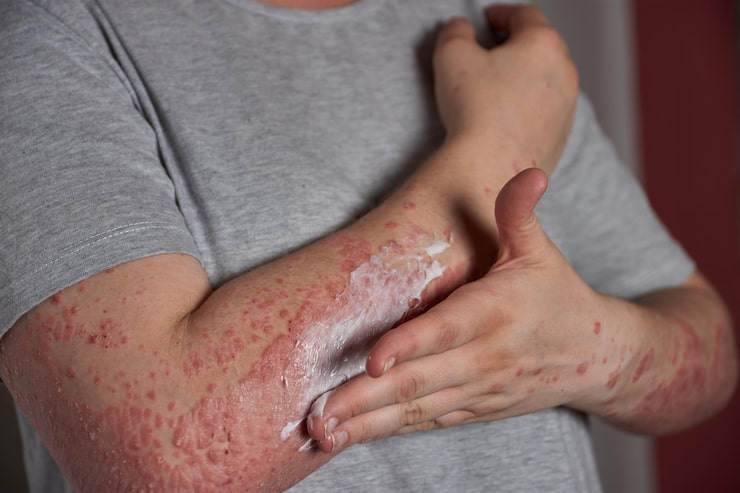
Learn all you need to know about Psoriasis from signs to treatment with expert insight from the professionals at Prakash Hospital, Noida.
7 Oct 2025
by Prakash Hospital

Discover effective home remedies for dry and wet cough. Know when to seek medical care and get expert respiratory treatment at Prakash Hospital.
5 Feb 2026
by Prakash Hospital

Oily skin causes in India, what makes it worse, and how to manage it with diet and skincare. Prakash Hospital Noida.
11 Sept 2026
by Prakash Hospital

Learn effective techniques to manage panic attacks, understand triggers, and take control of anxiety with expert-backed strategies.
3 May 2025
by Prakash Hospital

Best Indian foods for healthy, glowing skin — what to eat for skin hydration, collagen, and protection from UV damage. Prakash Hospital Noida.
14 Sept 2026
by Prakash Hospital


Book a consultation with Prakash Hospital's specialists — 24/7 emergency care, 100+ doctors, NABH accredited.
View All Departments