


Home Remedies for Cough Relief
Discover effective home remedies for dry and wet cough. Know when to seek medical care and get expert respiratory treatment at Prakash Hospital.
5 Feb 2026
by Prakash Hospital
by Prakash Hospital
by Prakash Hospital
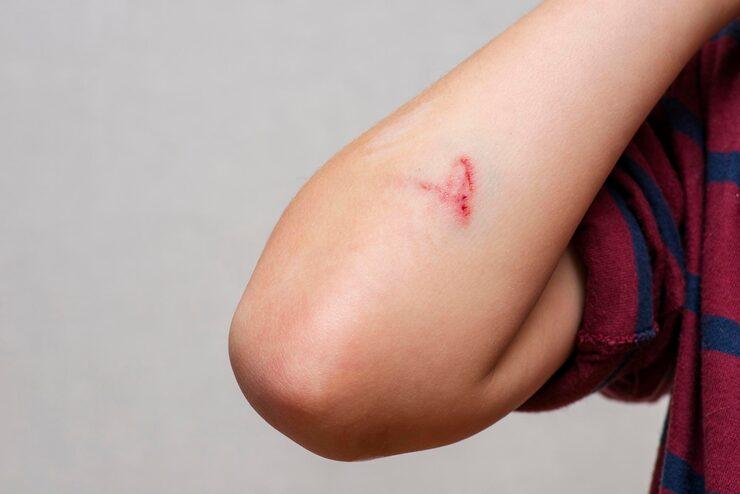
person with an infected wound
Some infections grow slowly and are easy to treat, but others grow quickly, damaging tissue and putting lives at risk. Necrotizing fasciitis, which is sometimes called the "flesh-eating disease," is one of these rare but very dangerous bacterial infections that spreads quickly through the body's soft tissue.
Necrotizing fasciitis is a medical emergency, even if it doesn't happen very often. It can cause serious tissue loss, organ failure, and even death if it is not diagnosed and treated very quickly. Knowing the indicators, risk factors, and treatment choices can save your life.
This article talks about necrotizing fasciitis, how it happens, the warning signs, and the different ways doctors can treat it to stop it from getting worse.
Necrotizing fasciitis is a serious bacterial infection that attacks the fascia, which is a layer of connective tissue that lies beneath the skin and contains muscles, nerves, fat, and blood vessels. The bacteria release poisons that kill soft tissue, which is why the fascia and nearby tissues die (necrosis).
It spreads quickly, sometimes in just a few hours, and can go from mild pain or redness to serious tissue damage. The illness needs immediate surgery and powerful antibiotics given through an IV.
There are many varieties of bacteria that can cause necrotizing fasciitis, but the most frequent one is Group A Streptococcus (Streptococcus pyogenes), which is also the bacterium that causes strep throat and impetigo.
Other bacteria that might be involved are Staphylococcus aureus (including MRSA).
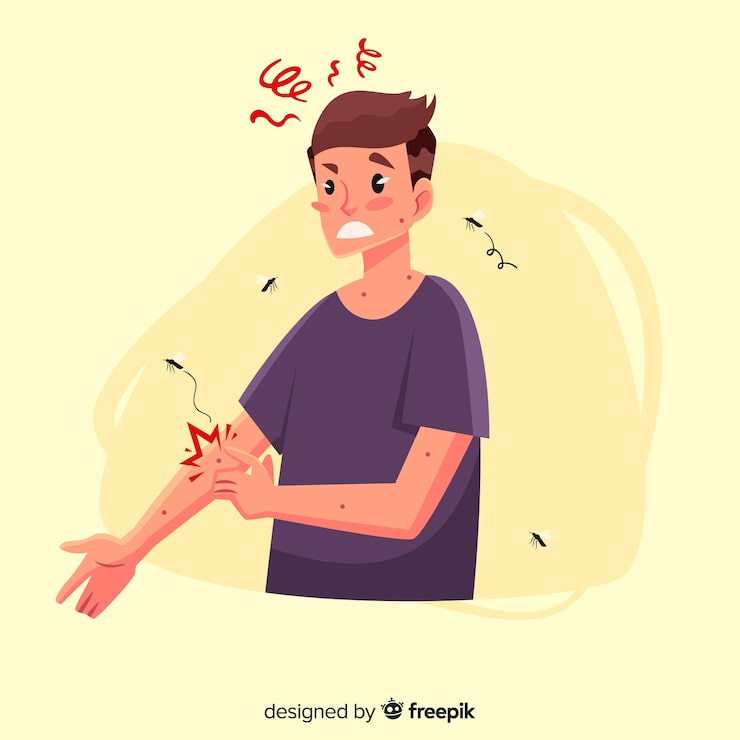
insect bites can lead to necrotizing fasciitis
Most of the time, germs get into the body through a breach in the skin, like a cut, scrape, or burn.
Once inside, bacteria grow swiftly and release toxins that stop blood flow and damage nearby tissue. The infection spreads quickly throughout the fascia layer, usually faster than it looks on the skin's surface.
Anyone can get necrotizing fasciitis, although certain people are more likely to have it because of their health problems or way of life.
Even healthy people can get the infection from little cuts or scrapes on their skin, so it's important to be careful.
Necrotizing fasciitis frequently begins out like a simple skin infection, but the symptoms get worse quickly, often in just a few hours.
Symptoms that happen in the first 24 hours:
Symptoms that get worse:
To diagnose necrotizing fasciitis, doctors need to use their clinical judgment, blood tests, and imaging. A doctor who has seen a lot of these kinds of infections before is really important because the infection can seem like cellulitis or other soft tissue infections.
Steps in the diagnostic process include:
Treatment needs to start right away; every hour that goes by raises the danger of complications and death. It uses a combination of surgery, antibiotics, and extensive supportive care from many different fields.
1. Emergency Surgery (Debridement)
2. Antibiotics given through an IV
3. Care that is both supportive and intensive
4. Other Treatments

person facing problems due to necrotizing fasciitis
If not recognized or treated early, necrotizing fasciitis can result in:
Necrotizing fasciitis is rare; however, good hygiene and wound care can lower the risk by a lot:
It might take weeks to months for someone to get better, depending on how bad the infection is and how much surgery is needed. After surgery, wound care, skin grafting, and physical therapy can help you move around and look better. It's also important to give psychological care because survivors may have trauma or problems with how they see their bodies.
Necrotizing fasciitis is an uncommon but very serious infection that needs medical intervention. Early diagnosis, quick surgery, and strong antibiotic treatment are the most important things for survival and recovery.
Our team of infectious disease specialists, surgeons, and critical care professionals at Prakash Hospital works together to quickly diagnose and treat patients with serious soft tissue infections, including necrotizing fasciitis.
If you suddenly feel a lot of pain, swelling, or discoloration near a cut, don't wait. Get medical help right away. Treatment early can preserve both tissue and life.

A controlled acid solution lifts damaged surface skin to fade pigmentation, tanning and acne marks.
Straightens the bent wall inside the nose to relieve a constantly blocked nostril, with no cut outside.
Creams, light therapy, tablets and grafting to stop white patches spreading and restore skin colour.
Free tools to check your weight, plan a pregnancy, track calories and more.
We offer expert care across key specialties, including Medicine, Cardiology, Orthopaedics, ENT, Gynaecology, and more—delivering trusted treatment under one roof.
Discover effective home remedies for dry and wet cough. Know when to seek medical care and get expert respiratory treatment at Prakash Hospital.
5 Feb 2026
by Prakash Hospital

जानिए जॉइंट रिप्लेसमेंट सर्जरी कब जरूरी होती है, इसके लक्षण क्या हैं, और किन मरीजों को इसकी जरूरत पड़ सकती है।
25 Mar 2026
by Prakash Hospital

White discharge during pregnancy — what's normal leucorrhoea and what signs need a doctor. Prakash Hospital Noida.
27 Sept 2026
by Prakash Hospital

Hair fall in men — male pattern baldness, causes, and what treatments actually work. Guide from Prakash Hospital Noida, Noida.
7 Sept 2026
by Prakash Hospital

Which vitamin deficiencies cause hair fall — iron, vitamin D, B12, and zinc. How to test and fix them. Prakash Hospital Noida.
4 Sept 2026
by Prakash Hospital

Hair growth tips that are evidence-backed — diet, scalp care, and treatments that genuinely promote hair growth. Prakash Hospital Noida.
3 Sept 2026
by Prakash Hospital


Book a consultation with Prakash Hospital's specialists — 24/7 emergency care, 100+ doctors, NABH accredited.
View All Departments