Remarkable Power of Sesame Seeds: A Tiny Superfood for Better Health
·by Prakash Hospital
Sesame seeds may be small, but their health impact is anything but. These nutrient-packed seeds have been valued since ancient times for both culinary and medicinal uses. From heart support to improved digestion, sesame seeds offer a wide range of benefits that modern science continues to uncover.
In 2025, with increasing awareness around clean eating and natural remedies, sesame seeds are getting the attention they deserve. Let’s explore what makes these seeds a true superfood.
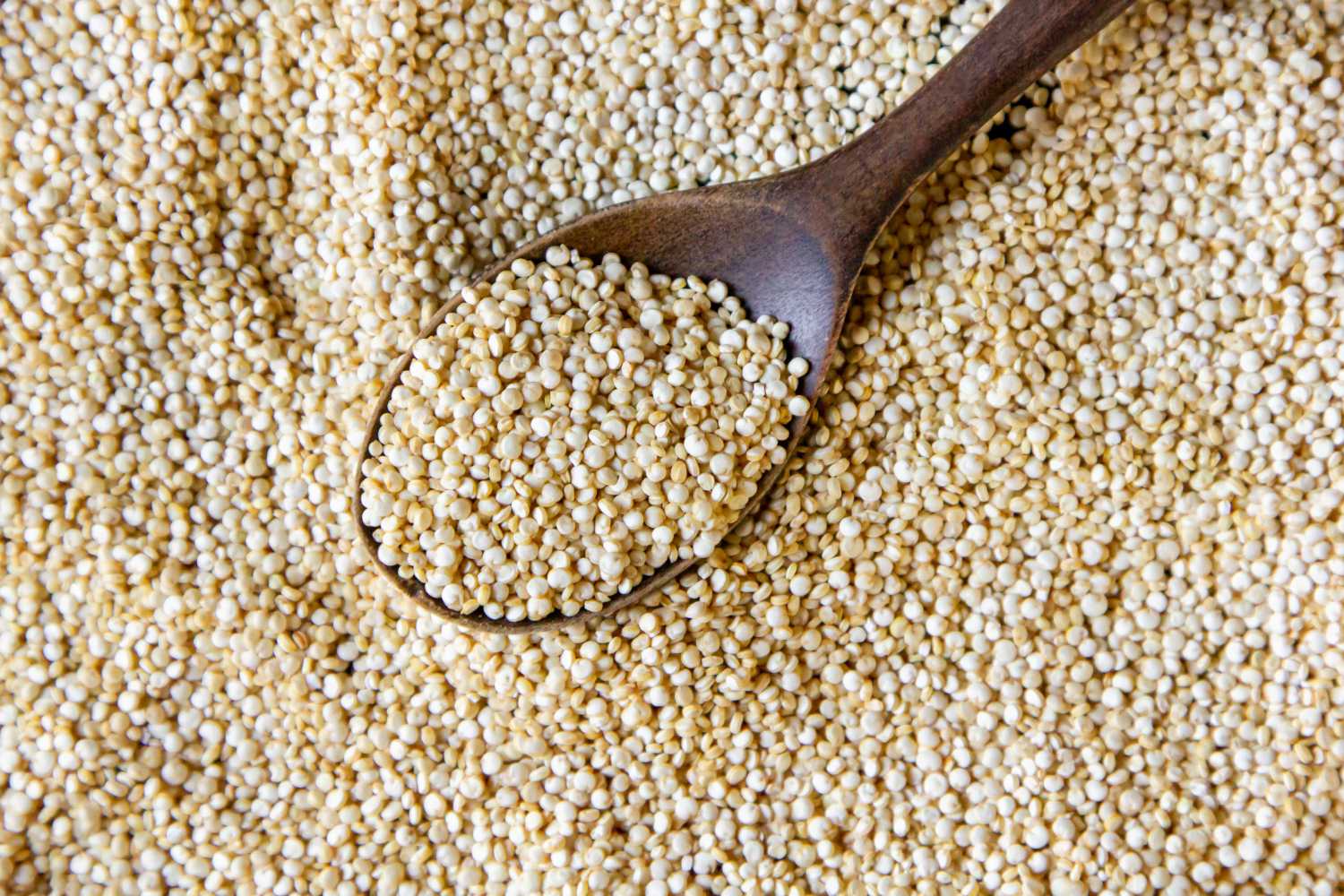
Close-up of sesame seeds highlighting their nutritional value and role as a superfood.
What Are Sesame Seeds?
Sesame seeds are the edible seeds of the Sesamum indicum plant. They're typically found in tropical regions such as Asia, Africa, and South America. The seeds may be hulled (without the outer shell) or unhulled (with the outer husk intact). When roasted, they develop a rich, nutty flavor and turn golden brown.
Beyond their use in food, sesame seeds are also found in skincare products, medicines, and industrial applications due to their oil content and antioxidant properties.
Sesame seeds are rich in calcium, magnesium, zinc, and plant protein.
Nutritional Value of Sesame Seeds
One ounce (28 grams) of sesame seeds provides:
Calories: 162
Fat: 14.1 grams
Carbohydrates: 6.6 grams Protein: 5 grams
Fiber: 3.3 grams
Sodium: 3.1 milligrams
Sugar: 0.09 grams
They are also rich in vitamins and minerals, including calcium, magnesium, iron, zinc, and B-complex vitamins.
Magnesium in sesame seeds helps regulate blood pressure and promote artery health.
Health Benefits of Sesame Seeds
1. Support Heart Health
Sesame seeds are rich in lignans and phytosterols—natural compounds that lower cholesterol levels. Regular consumption may reduce LDL (bad) cholesterol and improve HDL (good) cholesterol, decreasing the risk of heart disease. They also contain healthy fats like polyunsaturated and monounsaturated fats, which support cardiovascular health.
2. Provide High-Quality Plant Protein
These seeds offer all essential amino acids, including methionine and lysine. This makes them a valuable protein source for those following vegetarian or plant-based diets.
3. Help Regulate Blood Pressure
Magnesium in sesame seeds helps relax blood vessels, contributing to blood pressure control. Additionally, their antioxidants reduce arterial plaque buildup, further lowering cardiovascular risk.
4. Improve Blood Sugar Control
Sesame oil may enhance the effectiveness of medications used to manage type 2 diabetes. The lignans in sesame seeds can help stabilize blood sugar by improving insulin sensitivity.
5. Protect Against Cell Damage
Sesamin and sesamolin—natural antioxidants—help the body fight oxidative stress. This action supports cellular repair, slows aging, and reduces inflammation, contributing to disease prevention.
6. Support Bone Health
Calcium, magnesium, manganese, and zinc in sesame seeds are essential for maintaining strong bones. To improve mineral absorption, it's best to soak or roast the seeds to reduce compounds like oxalates and phytates that inhibit nutrient uptake.
7. Aid Digestion
With about 3.5 grams of fiber per 30 grams of seeds, sesame seeds help maintain digestive health by improving bowel movement regularity. Fiber also supports a healthy gut microbiome.
8. Promote Oral Hygiene
Sesame oil is used in a traditional practice called oil pulling. Swishing the oil in the mouth helps eliminate bacteria, reduce plaque, and promote gum health.
9. Exhibit Anti-Cancer Potential
Sesamol, a key antioxidant in sesame seeds, has shown anti-cancer activity. It helps prevent genetic mutations and may inhibit the growth of certain cancer cells.
10. Offer Liver Protection
Research indicates that sesame seeds may protect the liver from damage caused by toxins or oxidative stress, supporting detoxification and metabolic function.
11. Contain Anti-Inflammatory Properties
Chronic inflammation is linked to many health issues, including arthritis and heart disease. The antioxidants in sesame seeds help reduce inflammatory markers in the body.
12. Supply Essential Micronutrients
Sesame seeds are rich in several trace minerals:
Copper: Supports red blood cell production and collagen synthesis.
Zinc: Essential for immune health and wound healing.
Iron: Crucial for oxygen transport and energy metabolism.
Phosphorus: Helps form bones and teeth.
Selenium: Acts as an antioxidant and supports thyroid function.
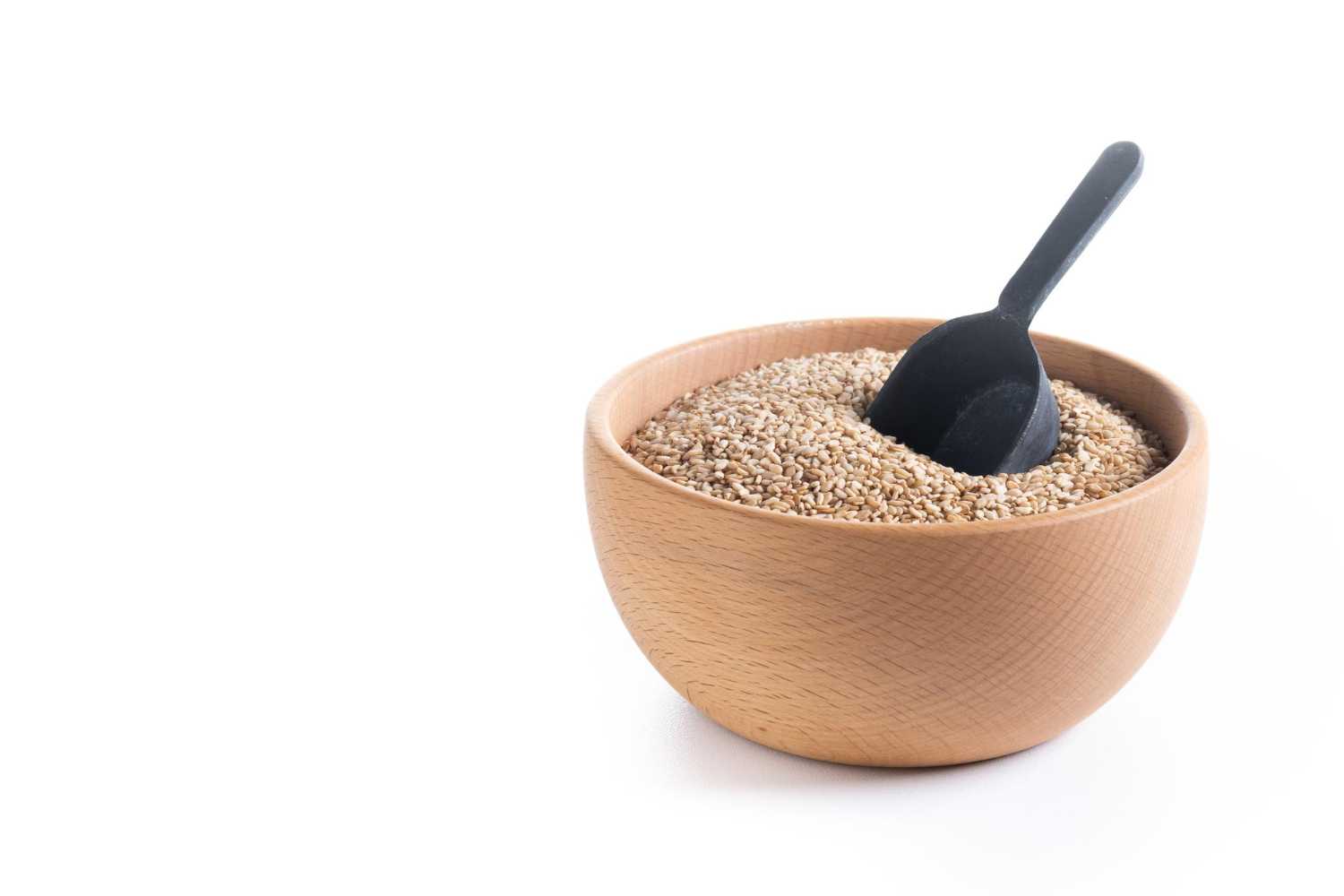
Creative ways to include sesame seeds in daily meals and snacks.
How to Add Sesame Seeds to Your Diet
You can enjoy sesame seeds in several ways:
Sprinkle on salads, vegetables, or rice dishes.
Use tahini (sesame paste) in sauces, dips, or dressings.
Add to baked goods like bread, crackers, or muffins.
Mix with yogurt or smoothies for added texture and nutrients.
Roast them for a crunchy snack or topping.
Start with a small quantity if you're new to sesame seeds, especially if you have food allergies.
Who Should Be Cautious?
Although sesame seeds are generally safe, they are a known allergen. Symptoms may include hives, stomach upset, or even anaphylaxis in severe cases. Always consult a healthcare provider if you're unsure about introducing a new food into your diet.
Conclusion
Sesame seeds are tiny nutritional powerhouses that offer substantial health benefits. From lowering cholesterol and managing blood pressure to strengthening bones and enhancing immunity, their impact is widespread. As part of a balanced diet, sesame seeds support long-term wellness and disease prevention.
Curious about heart-healthy eating or diabetes management? Talk to a nutrition specialist or dietitian at Max Hospital to learn more about personalized dietary strategies.
We offer expert care across key specialties, including Medicine, Cardiology, Orthopaedics, ENT, Gynaecology, and more—delivering trusted treatment under one roof.
What is a balanced diet — understand the components, daily portions, and how to build one with Indian foods. Visit Prakash Hospital Noida for nutrition consultation.