


Silent Symptoms You Should Never Ignore
Learn about silent symptoms that may indicate serious health conditions, including heart disease, diabetes, cancer, and liver disorders.
5 Mar 2026
by Prakash Hospital
by Prakash Hospital
As summer temperatures rise, so do the health risks associated with excessive heat exposure. One of the most dangerous outcomes is heatstroke—a medical emergency that demands immediate attention. Despite common assumptions, heatstroke isn’t just about being uncomfortable in the sun; it’s a serious condition that can cause lasting damage or even be fatal.
Let’s take a closer look at the causes, symptoms, treatment options, and preventive strategies that could save lives.

A person showing signs of severe heatstroke under intense sunlight, highlighting the dangers of extreme heat.
Heatstroke—sometimes called sun stroke—is the most severe form of heat-related illness. It occurs when the body’s core temperature rises above 104°F (40°C) and it loses the ability to cool itself through sweating or other mechanisms.
This condition leads to widespread organ dysfunction, particularly affecting the brain, heart, muscles, and kidneys. Without immediate medical intervention, it can lead to permanent damage or death.
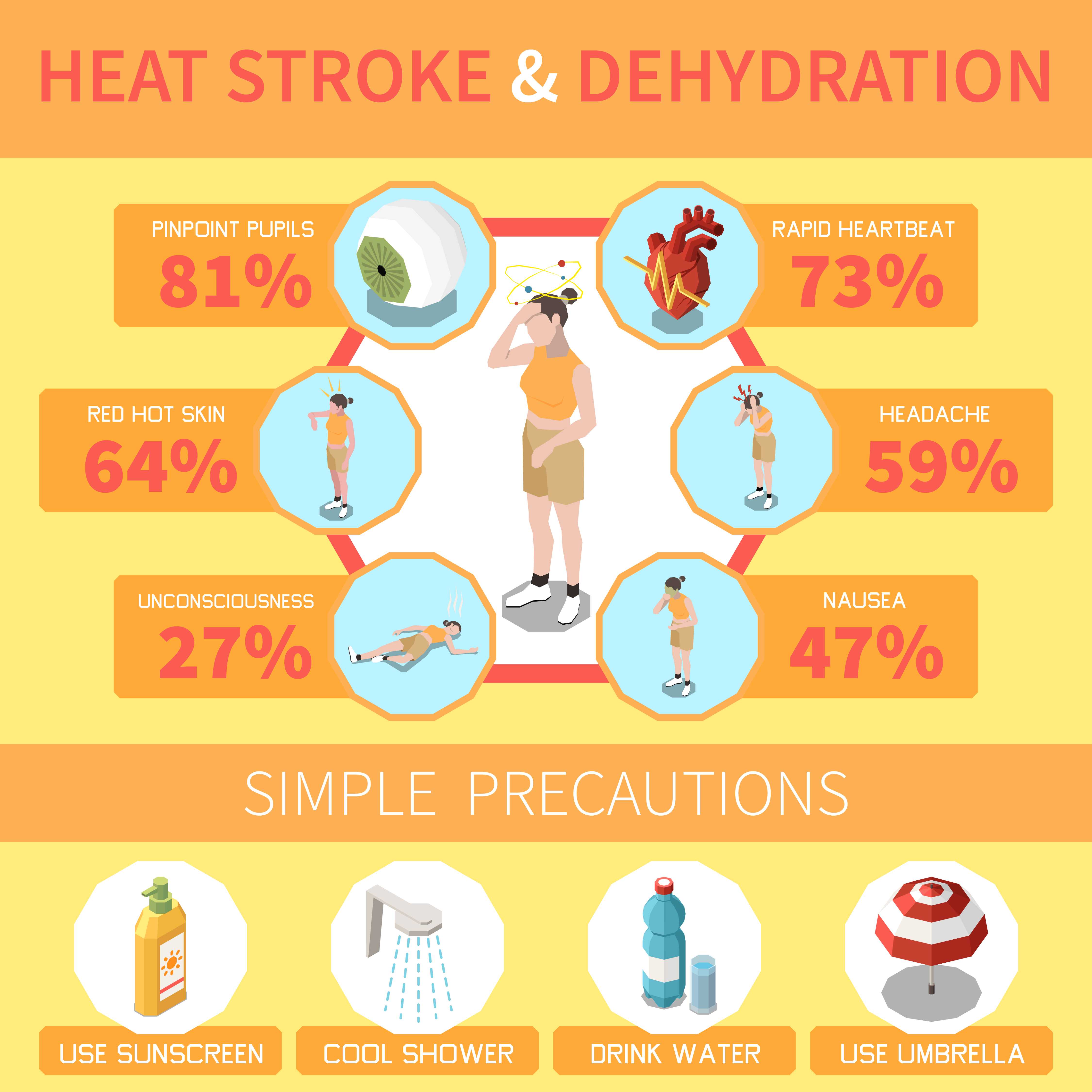
Heatstroke is a critical condition where the body’s core temperature rises dangerously high and needs immediate treatment.
There are two main types of heatstroke:
1. Exertional Heatstroke
Occurs due to intense physical activity in hot conditions. Common among:
2. Classic (Non-Exertional) Heatstroke
Occurs after prolonged exposure to high temperatures, especially in:
Recognizing symptoms early is key to preventing severe complications. Common signs include:
In children, the signs may be subtler but no less serious.

Drinking water helps during heatstroke.
Heatstroke happens when the body’s heat regulation system is overwhelmed. Contributing factors include:
A diagnosis typically involves a combination of clinical symptoms, medical history, and tests:
Heatstroke is a medical emergency. Begin treatment even before reaching a hospital:
1. Cool the Body
2. Hydrate
3. Seek Medical Help
The outlook depends on how quickly treatment begins. With fast and effective cooling and hydration:
However, delays in treatment can result in serious complications or death.
Heatstroke can lead to lasting health problems such as:
These effects can be permanent or fatal, emphasizing the need for rapid action.
Preventive care is the best strategy. Here's how to protect yourself and others:
How long does it take for heatstroke to happen?
In extreme conditions, heatstroke can develop in as little as 30 minutes. For vulnerable people, it may occur over days of heat exposure.
Can heatstroke happen indoors?
Yes. Poor ventilation and lack of cooling systems increase the risk indoors, especially during heat waves.
Is heatstroke contagious?
No. It is not infectious and cannot spread between people.
What to do if someone becomes unconscious from heatstroke?
Call emergency services. Begin cooling techniques and avoid giving them anything by mouth.
Can heatstroke cause lasting damage?
Yes. If not treated quickly, it can cause long-term brain damage, kidney failure, and other life-threatening complications.
Heatstroke is a preventable but life-threatening emergency. Recognizing the warning signs, acting quickly, and understanding how to stay safe in extreme heat can protect your health and the health of those around you.
If you or a loved one experience symptoms of heat-related illness, do not delay seeking care. Timely medical attention can make all the difference.

A camera test of the large bowel that investigates bleeding or bowel changes and removes polyps early.
Replaces only the worn part of an arthritic knee, keeping the healthy cartilage and ligaments.
Endoscopic treatment through the mouth that removes bile duct stones and opens blockages causing jaundice.
Free tools to check your weight, plan a pregnancy, track calories and more.
We offer expert care across key specialties, including Medicine, Cardiology, Orthopaedics, ENT, Gynaecology, and more—delivering trusted treatment under one roof.
Learn about silent symptoms that may indicate serious health conditions, including heart disease, diabetes, cancer, and liver disorders.
5 Mar 2026
by Prakash Hospital

Learn about dizziness—its types, causes, and warning signs—to better understand and manage this common but sometimes serious health symptom.
14 May 2025
by Prakash Hospital

कंधे का दर्द क्यों होता है? जानिए इसके मुख्य कारण, फ्रोज़न शोल्डर, रोटेटर कफ इंजरी, जांच और इलाज के विकल्प। Prakash Hospital से संपर्क करें।
5 Mar 2026
by Prakash Hospital

Early pregnancy signs — what to watch for in the first weeks, when to take a test, and what the symptoms mean. Prakash Hospital Noida.
23 Sept 2026
by Prakash Hospital

How to improve egg quality for fertility — diet, supplements, and lifestyle changes backed by evidence. Prakash Hospital Noida.
23 Sept 2026
by Prakash Hospital

Back pain during pregnancy — why it happens, which types are normal, and safe ways to relieve it. Prakash Hospital Noida.
25 Aug 2026
by Prakash Hospital


Book a consultation with Prakash Hospital's specialists — 24/7 emergency care, 100+ doctors, NABH accredited.
View All Departments