


10 Ways to Keep Your Teeth Healthy
Learn 10 easy ways to keep your teeth healthy with the guidance of experts from Prakash Hospital, Noida.
28 Aug 2025
by Prakash Hospital
by Prakash Hospital

Woman holding her head due to mental stress.
A panic attack arrives without obvious reason. You might be sitting at a desk, lying in bed, driving on a highway, or standing in a queue at a grocery store. Suddenly, the heart starts racing. The chest tightens. You feel you can't breathe properly. A wave of terror spreads through the body, and somewhere underneath it all, the thought: "Is this a heart attack? Am I dying?"
This is a panic attack. The body's emergency response system activating suddenly and dramatically in the absence of actual danger. Everything about the experience feels like a medical emergency. The good news is that panic attacks, while extremely unpleasant and frightening, are not physically dangerous. The bad news is that they're also hard to manage without understanding what's happening and why.
The fight-or-flight response is a survival mechanism: faced with a genuine threat, the nervous system floods the body with adrenaline, speeding the heart, tightening the chest, redirecting blood to muscles, sharpening alertness. This system saves lives.
A panic attack is this system activating in the absence of real danger. The physiological response is genuine — your body is doing exactly what it would do if you were running from a threat. But there's no threat. The experience is real; the danger isn't.
The mismatch between the intensity of the physical response and the actual safety of the situation is what makes panic attacks so terrifying, and why so many people who have their first one go directly to an emergency room convinced they're having a heart attack.
Panic attacks typically peak within 10 minutes and resolve within 20–30 minutes, though they can feel much longer. Symptoms include:
Physical:
Psychological:
Not everyone has all these symptoms. Some people's panic attacks are primarily physical; others are predominantly psychological. Most are a combination.
This is the most common concern during a first panic attack, and understandably so. Both cause chest pain, shortness of breath, and intense fear. Key differences:
1. Heart attack chest pain:
2. Panic attack chest symptoms:
When genuinely uncertain — especially if you're older, have heart disease risk factors, or this is your first episode — getting evaluated medically is the right call. Most people who go to emergency rooms with panic attacks receive a normal ECG, normal blood tests, and a diagnosis of anxiety. That's not a bad outcome — knowing it's a panic attack, not a cardiac event, is genuinely useful information.
After a panic attack has been properly evaluated and a cardiac cause ruled out, subsequent episodes can be managed with more confidence.
Sometimes they come completely out of nowhere. Other times, identifiable triggers include:
For many people, panic attacks occur without an identifiable trigger — the nervous system seems to have developed a hair-trigger that fires unpredictably.
The most important thing is to let the attack pass without fighting it. The instinct is to resist the panic, which actually amplifies it. Accepting that this is a panic attack, it will pass, and you are not in danger is the psychological foundation.
Panic attacks typically involve hyperventilation — rapid, shallow breathing that drops carbon dioxide in the blood, producing dizziness, tingling, and more fear. Slow breathing reverses this.
Box breathing: Breathe in for 4 counts, hold for 4, breathe out for 4, hold for 4. Repeat.
Physiological sigh: A double inhale through the nose followed by a long slow exhale through the mouth. Research suggests this resets the breathing pattern faster than other techniques.
The goal is to slow the breath and particularly to lengthen the exhale, which activates the parasympathetic nervous system.
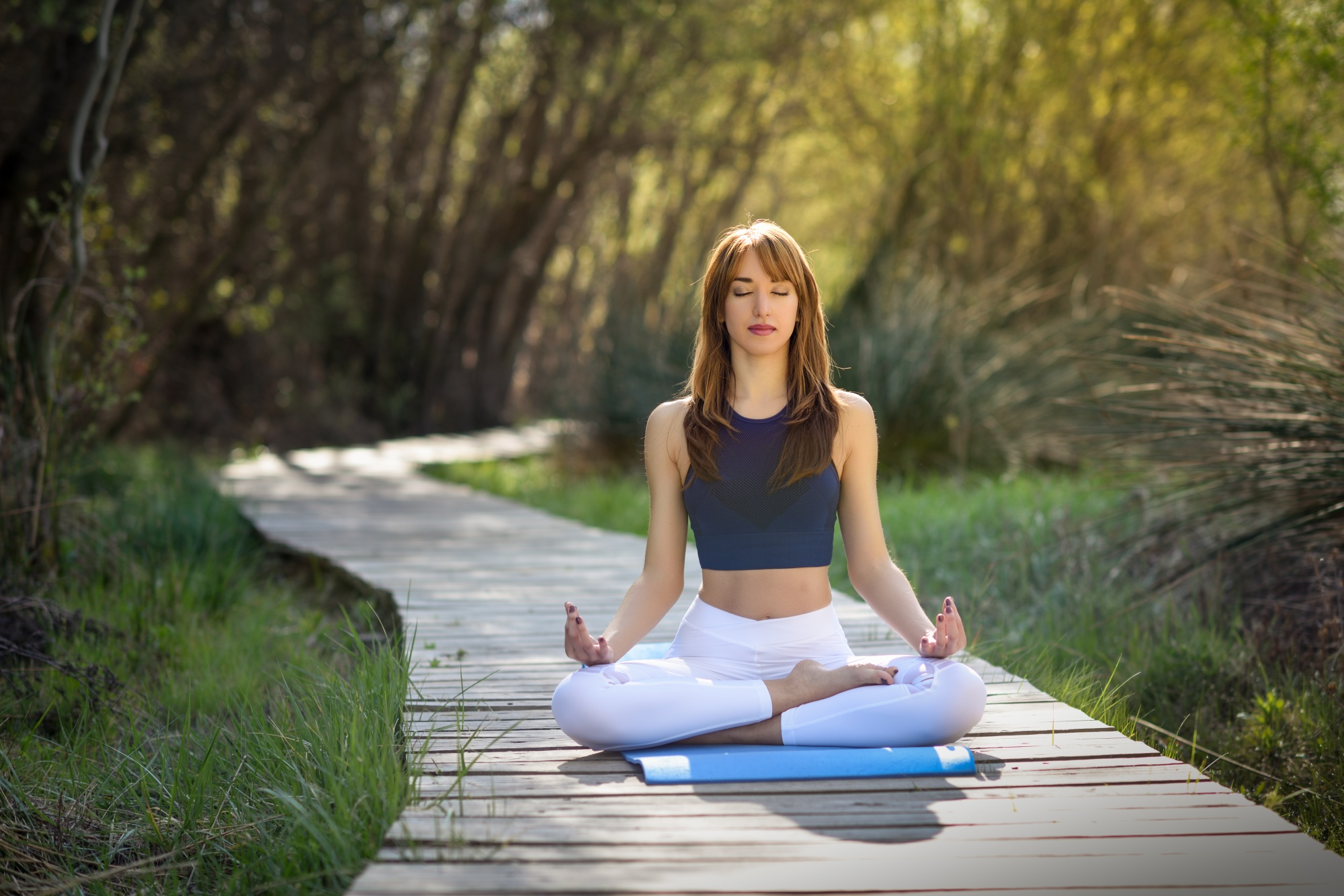
A person practicing yoga breathing exercises in a calm environment, highlighting natural techniques to improve focus, concentration, and mental well-being.
When the mind is catastrophising, grounding it in the physical present helps break the loop.
5-4-3-2-1: Name 5 things you can see, 4 you can touch, 3 you can hear, 2 you can smell, 1 you can taste. Each sense brings attention back to the present.
Cold water: Splashing cold water on the face or holding ice triggers the dive reflex, slowing the heart rate.
Physical grounding: Press your feet firmly into the floor. Notice the sensation. Feel the chair under you.
The instinct is to escape — run from the supermarket, pull off the road, leave the situation. This provides immediate relief but teaches the brain that the situation was genuinely dangerous. Over time, avoidance builds the panic disorder rather than reducing it.
If safe to do so, staying in the situation until the panic subsides is part of long-term recovery.
Every panic attack ends. The peak is 10 minutes, and within 20–30 minutes the worst is over. Reminding yourself of this mid-attack — "this is a panic attack, it will pass, I am not in danger" — is more useful than it sounds.
Many people have occasional panic attacks — isolated episodes without significant life disruption. This is common.
Panic disorder is when panic attacks are recurrent, unexpected, and the person develops:
Panic disorder is a medical condition. It responds well to treatment — both psychological (CBT) and, when needed, medication.
See a doctor:
Cognitive Behavioural Therapy (CBT): the most evidence-based treatment for panic disorder. Teaches identifying thought patterns that maintain panic, reframing catastrophic interpretations, and exposure (gradually facing feared situations). Twelve to twenty sessions typically produce significant, durable improvement.
Medication: SSRIs (commonly prescribed antidepressants that also treat anxiety) reduce panic attack frequency and intensity. Usually started at a low dose and titrated. Takes 2–4 weeks for full effect. Typically continued for at least a year after stabilisation.
Short-term medications (benzodiazepines like clonazepam): sometimes used for acute episodes or while waiting for SSRIs to work. Not a long-term solution — they're effective but carry dependence risk.
Lifestyle factors that reduce panic attack frequency: adequate sleep, regular exercise, limited caffeine, limited alcohol, stress management, consistent daily routine.
CBT combined with medication is typically more effective than either alone for significant panic disorder.
They don't mean you're "going crazy." They don't mean you're weak. They don't mean something is medically seriously wrong with your heart or brain. They don't mean you'll have them forever. They don't mean you need to restructure your life around avoiding them.
Mental health conditions are medical conditions. Panic disorder has clear neurobiological underpinnings and responds to treatment. Getting evaluated and treated is the sensible response, in the same way that getting a broken bone set is the sensible response to breaking a bone.
At Prakash Hospital Noida, our physicians evaluate new onset chest pain, palpitations, and breathlessness to rule out cardiac and other medical causes. We also provide assessment and referral for anxiety and panic disorder to mental health specialists. Blood tests to rule out contributing conditions (thyroid, blood sugar) are available as part of a thorough evaluation.
Whether you're in Sector 18, Sector 62, Greater Noida West, or anywhere nearby, Prakash Hospital Noida is a trusted name for general medicine, cardiology screening, and mental health referral in Noida.

Replaces a failed knee implant that is loose, worn, infected or unstable with new revision parts.
Removes the foreskin, usually as day care, for phimosis, repeated infection or religious reasons.
Microneedling, laser, peels and minor procedures matched to your scar type to smooth pitted acne scars.
Free tools to check your weight, plan a pregnancy, track calories and more.
We offer expert care across key specialties, including Medicine, Cardiology, Orthopaedics, ENT, Gynaecology, and more—delivering trusted treatment under one roof.
Learn 10 easy ways to keep your teeth healthy with the guidance of experts from Prakash Hospital, Noida.
28 Aug 2025
by Prakash Hospital
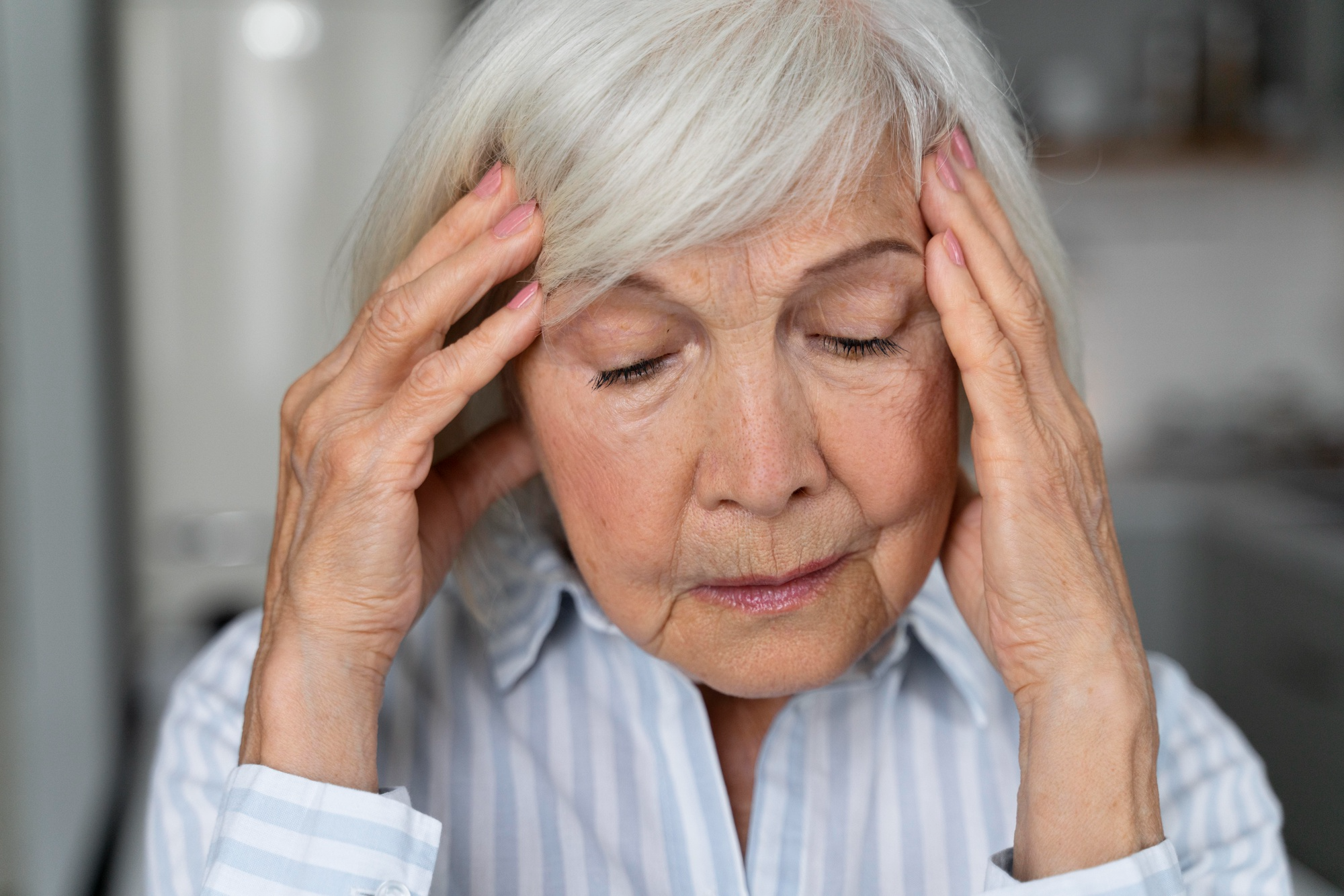
Learn what happens in Alzheimer’s, its early signs and how you can help this November through awareness, compassion and community support.
31 Oct 2025
by Prakash Hospital
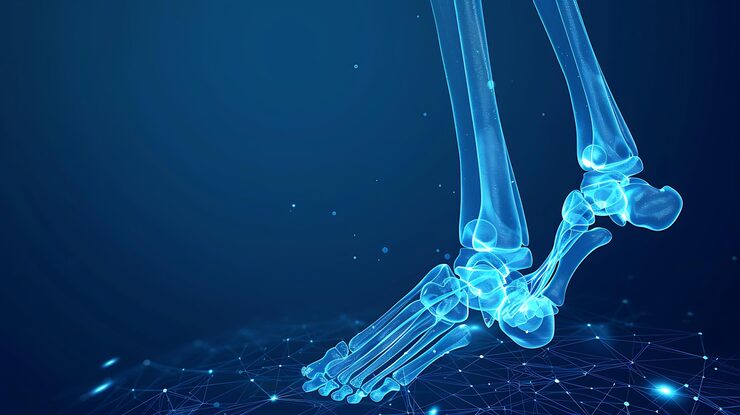
Learn all about osteomyelitis symptoms, diagnosis, and treatment with expert orthopedic guidance from Prakash Hospital, Noida.
10 Oct 2025
by Prakash Hospital

Dark circles are not always about sleep. From anaemia and thyroid issues to genetics and sun damage, our dermatology team at Prakash Hospital, Noida breaks down the real causes and what actually works.
13 Apr 2026
by Prakash Hospital

How to remove dandruff — understand causes, get rid of flakes permanently, and prevent it from returning. Visit Prakash Hospital Noida for dermatology consultation.
4 Jun 2026
by Prakash Hospital
Dark circles under eyes — understand the causes, effective treatments, and how to remove them. Visit Prakash Hospital Noida for dermatology care.
1 Jun 2026
by Prakash Hospital


Book a consultation with Prakash Hospital's specialists — 24/7 emergency care, 100+ doctors, NABH accredited.
View All Departments